Krakow and Małopolska 7-day itinerary: the complete regional plan
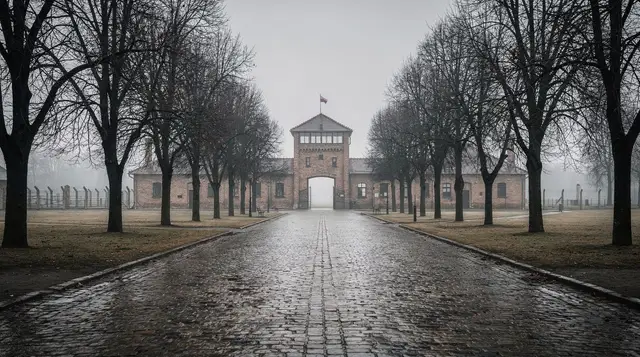
From Krakow: Auschwitz-Birkenau guided tour & hotel pickup
Duration: 3.5h
A week in Kraków and Małopolska: the full picture
Seven days turns a city break into a genuine regional journey. This itinerary covers Kraków’s medieval core and Jewish history (Days 1–3), the Auschwitz-Birkenau Memorial (Day 4), Wieliczka Salt Mine plus Nowa Huta (Day 5), and two full days in the Tatra Mountains at Zakopane and Morskie Oko (Days 6–7). Małopolska (Lesser Poland) is one of Central Europe’s richest regions for history, landscape, and culture; this week does it justice without compressing or skipping anything significant.
The approach: start with the city, build through history, and finish with nature. Arriving in Kraków, spending two days grounded in the medieval and Jewish heritage before heading to Auschwitz, allows for appropriate emotional context. The Tatras at the end provide catharsis and contrast.
| Where | Kraków core, Auschwitz-Birkenau, Wieliczka, Zakopane, Morskie Oko |
| Cost | around 2,500–7,000 PLN/person incl. accommodation |
| Time needed | 7 full days |
| Getting there | walkable city core; coach/guided transport for all day trips |
| Best time | May–June or September for stable Tatra weather |
Day 1: Old Town orientation
8:30 — Barbican and city walls
Begin at the northern edge of the Old Town. The Barbican (22 PLN) is a round Gothic bastion dating from 1498 — one of only three surviving examples in Europe. The connected Florian Gate is free to walk through; the medieval city wall stretching west is also accessible (buy the Barbican ticket, which includes the wall section).
9:30 — Guided Old Town walk
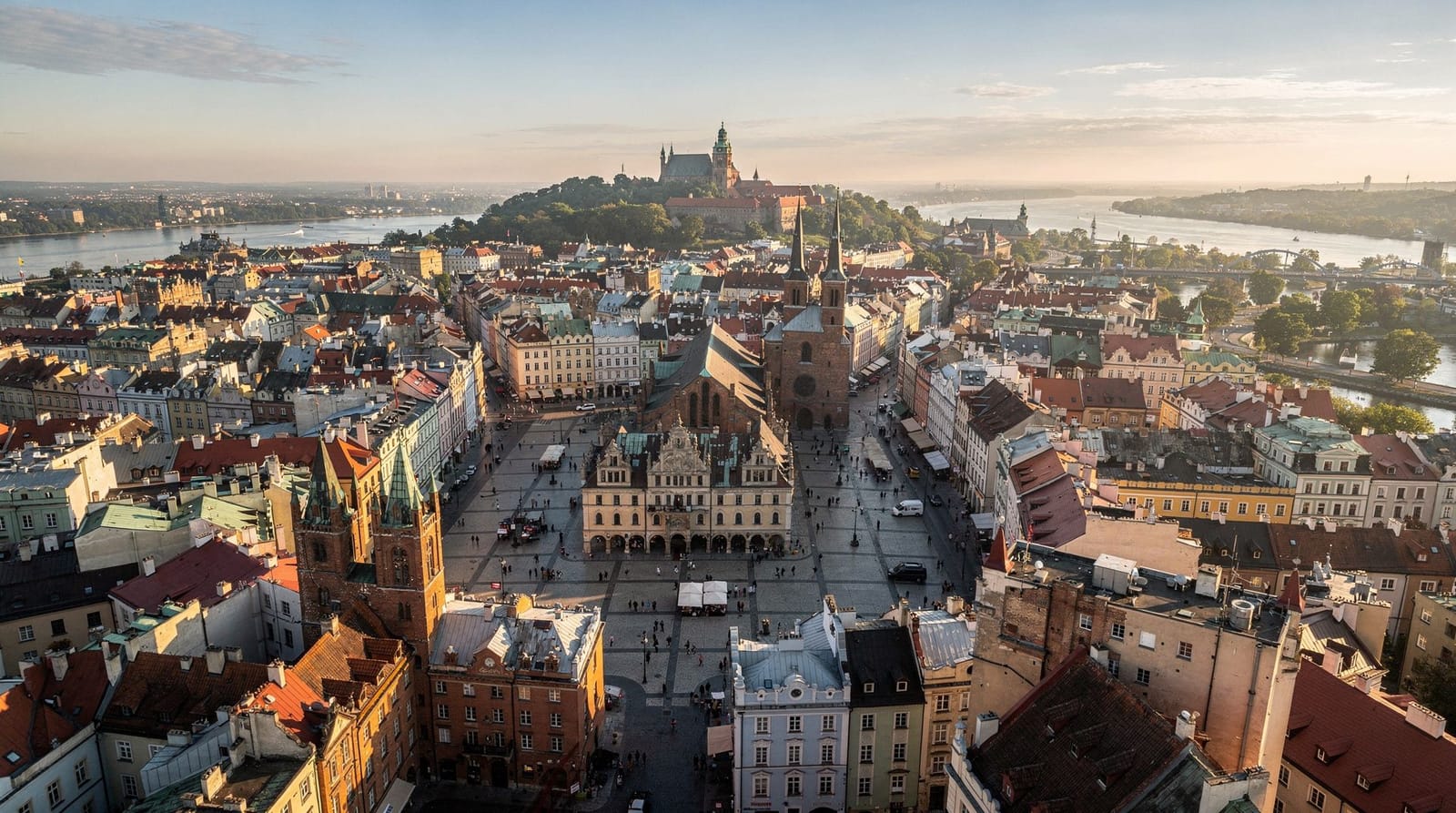
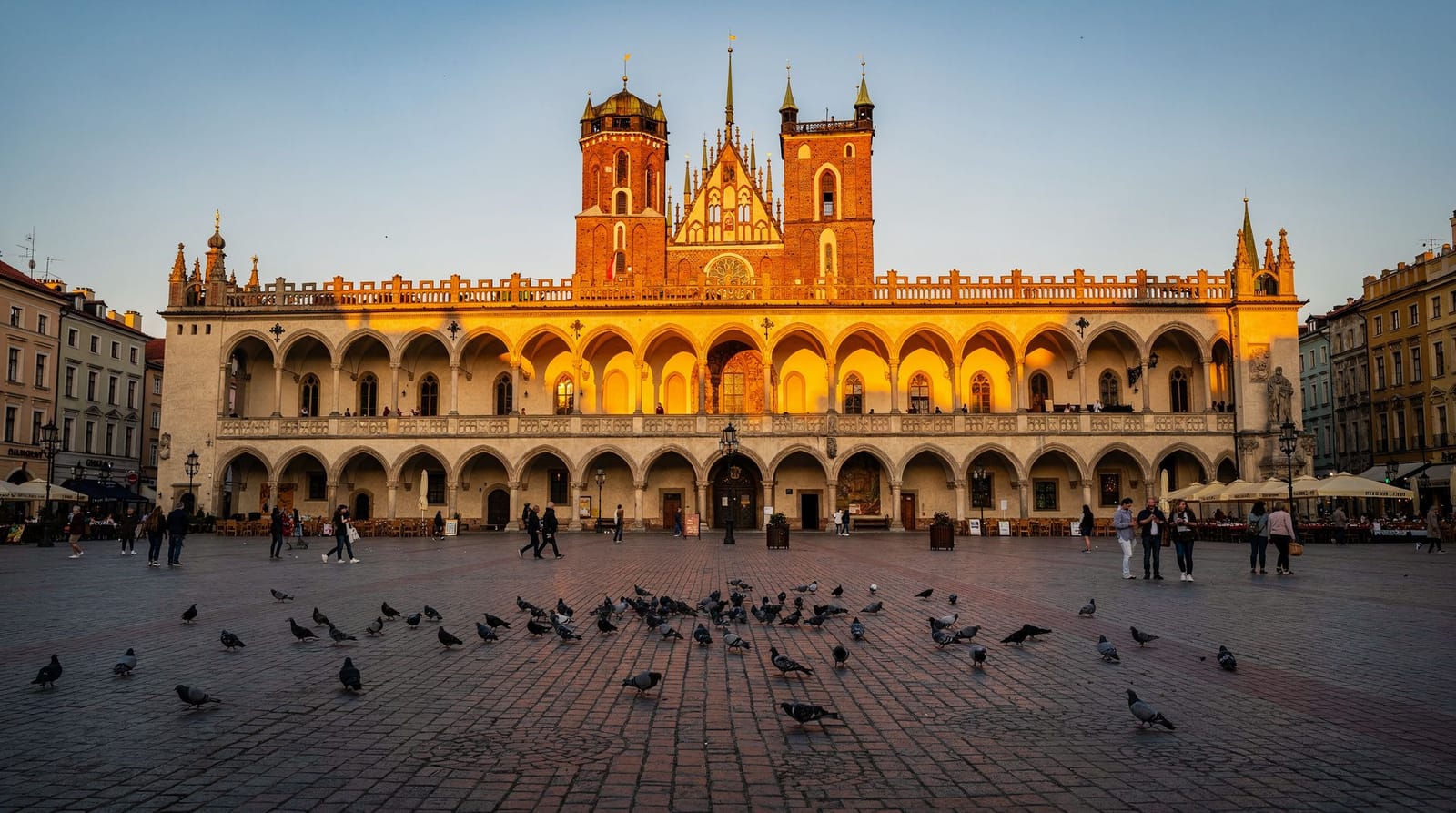
Krakow Old Town guided walking tour. A 2-hour morning tour covers the essential Royal Route orientation — Rynek Główny, St. Mary’s Basilica, Town Hall Tower, and the path to Wawel. With a week in Kraków, this orientation saves time on every subsequent day.
12:00 — Rynek Główny lunch and exploration
Lunch at Milkbar Tomasza (ul. Tomasza 24) or Pierogarnia Mandu (ul. Sławkowska 14): 25–45 PLN per person for authentic Polish food without the Rynek mark-up. Then: the Sukiennice gallery (35 PLN, upper floor), the Town Hall Tower (22 PLN, climb for city views), or simply walk the square and identify landmarks for the rest of the week.
14:30 — Rynek Underground Museum
Rynek Underground Museum guided tour (45 PLN, 75 minutes). The medieval trade archaeology under the Rynek — holographic markets, original 11th-century paving, reconstructed trade corridors. Book a timed slot.
16:00 — St. Mary’s Basilica
Entry 20 PLN; open Monday–Saturday 11:30–18:00, Sunday 14:00–18:00. The Veit Stoss altarpiece is the star — plan to be there at 11:50 when the panels open. The exterior trumpet hejnał plays every hour; the legend of the 13th-century watchman who stopped mid-note is built into Polish national identity.
18:30 — First evening
Stary Kleparz market (just north of the Old Town, closes at 18:00 on weekdays — arrive before 17:30): fresh produce, local cheese, pickles, dried mushrooms. Buy snacks for the week. Then dinner at Restauracja Różowy Słoń (ul. Straszewskiego 24, mains 30–55 PLN) near Wawel, or walk Plac Szczepański for café options.
Day 2: Wawel Castle and Royal Route
9:00 — Wawel Castle
Arrive early for the ticket pavilion before the queues build. Recommended:
- State Rooms (57 PLN): 16th-century Flemish tapestries, dragon-decorated ceilings, thrones
- Wawel Cathedral (26 PLN): Royal crypts, Gothic nave, 18 Polish kings plus Kościuszko and Mickiewicz
- Dragon’s Den (15 PLN, open seasonally): the cave with the firespitting bronze dragon at the riverside exit
See the Wawel Castle guide and Wawel Cathedral guide for the full exhibition breakdown. Allow 3 hours total.
12:30 — Lunch near Wawel
Walk to Café Botanica (ul. Bracka 9) for soups and sandwiches (20–35 PLN), or continue north up ul. Grodzka for Bar Mleczny Centralny (ul. Jagiellońska 1) for the most authentic cheap Polish lunch in the Old Town.
14:00 — Collegium Maius
The Jagiellonian University’s oldest building (1400): a Gothic courtyard where Copernicus, John Paul II, and Tadeusz Kościuszko all studied. The interior museum (15 PLN) has Copernicus’s original instruments and royal regalia; guided tours run every 30 minutes, last admission 15:00 (verify at muz.uj.edu.pl). Free to walk the courtyard.
15:30 — Czartoryski Museum
The Czartoryski Museum (ul. Pijarska 15, 65 PLN, free on Tuesdays with a timed ticket collected the same day) holds Leonardo’s Lady with an Ermine — one of only three portraits of women by Leonardo, painted in Kraków around 1489–90 for Ludovico Sforza, Duke of Milan. The museum also has Rembrandt’s Landscape with the Good Samaritan and an extensive collection of ancient artefacts. Allow 75 minutes.
Czartoryski Museum entry ticket (Lady with an Ermine) — book to avoid the timed-slot queue.
18:00 — Vistula embankment walk
Walk south along the embankment from Wawel. The view of the castle from the riverside is the classic Kraków panorama — best in late afternoon light. Cross the footbridge to the Kazimierz side and walk the embankment back north.
19:30 — Dinner
Szara Gęś (Rynek Główny 17): one of the few Rynek restaurants worth the premium — seasonal Polish cuisine, excellent wine list, mains 65–100 PLN. Alternatively, walk to Kazimierz for Zalewajka (ul. Józefa 26, mains 40–65 PLN).
Day 3: Kazimierz and Podgórze
9:00 — Schindler’s Factory Museum
Schindler’s Factory (ul. Lipowa 4, 60 PLN, free on Mondays with no booking): book a morning timed slot well in advance. Krakow Schindler Factory Museum guided tour with a guide provides the human-scale stories within the broader historical framework. Allow 2 hours.
11:30 — Ghetto memorials
Walk west to Plac Bohaterów Getta: the 33 chairs memorial and the Pharmacy Under the Eagle (22 PLN). Then find the Ghetto wall fragments on ul. Lwowska — tombstone-shaped blocks deliberately chosen by the Nazi architects as a dehumanising gesture. The wall sections are small and easy to miss; they’re at the corner of ul. Lwowska and ul. Rękawka.
13:00 — Kazimierz: lunch and afternoon
Cross to Kazimierz for the afternoon. Lunch at Fabryczna No 5 (ul. Fabryczna 5, 35–65 PLN). Then spend the afternoon at:
- Galicia Jewish Museum (ul. Dajwór 18, 35 PLN): the essential photographic exhibition
- Old Synagogue (ul. Szeroka 24, 22 PLN) + Remuh Synagogue (10 PLN)
- Isaak Synagogue (ul. Kupa 18, 10 PLN): 17th-century baroque, with a moving short film on Kazimierz’s Jewish community
Krakow Kazimierz Jewish Quarter walking tour in the afternoon for communal context and oral history.
17:00 — Plac Nowy and evening
Zapiekanki from the round kiosk (12–18 PLN). Then walk Kazimierz’s café strip: Alchemia (ul. Estery 5) for the evening atmosphere. The barki on the Vistula embankment are accessible from the Kazimierz side (May–October).
20:00 — Dinner
Marchewka z Groszkiem (ul. Mostowa 2): authentic Polish food at genuinely local prices. Or the evening food tour: Krakow 4-hour Polish food tour for a structured evening exploration.
Day 4: Auschwitz-Birkenau (full day, emotionally demanding)
7:30 — Depart from Kraków
From Kraków: Auschwitz-Birkenau guided tour with hotel pickup. Book 4–6 weeks ahead in summer. The tour includes licensed guide throughout, transport from Kraków, and return. Entry is free; the guided tour ensures the legal requirement for guided visits during peak hours.
Independent option: train from Kraków Główny to Oświęcim (1h 40 min, 18–25 PLN); minibus to the Memorial. Free timed-entry booking at visit.auschwitz.org.
9:00–14:30 — Auschwitz I and Birkenau
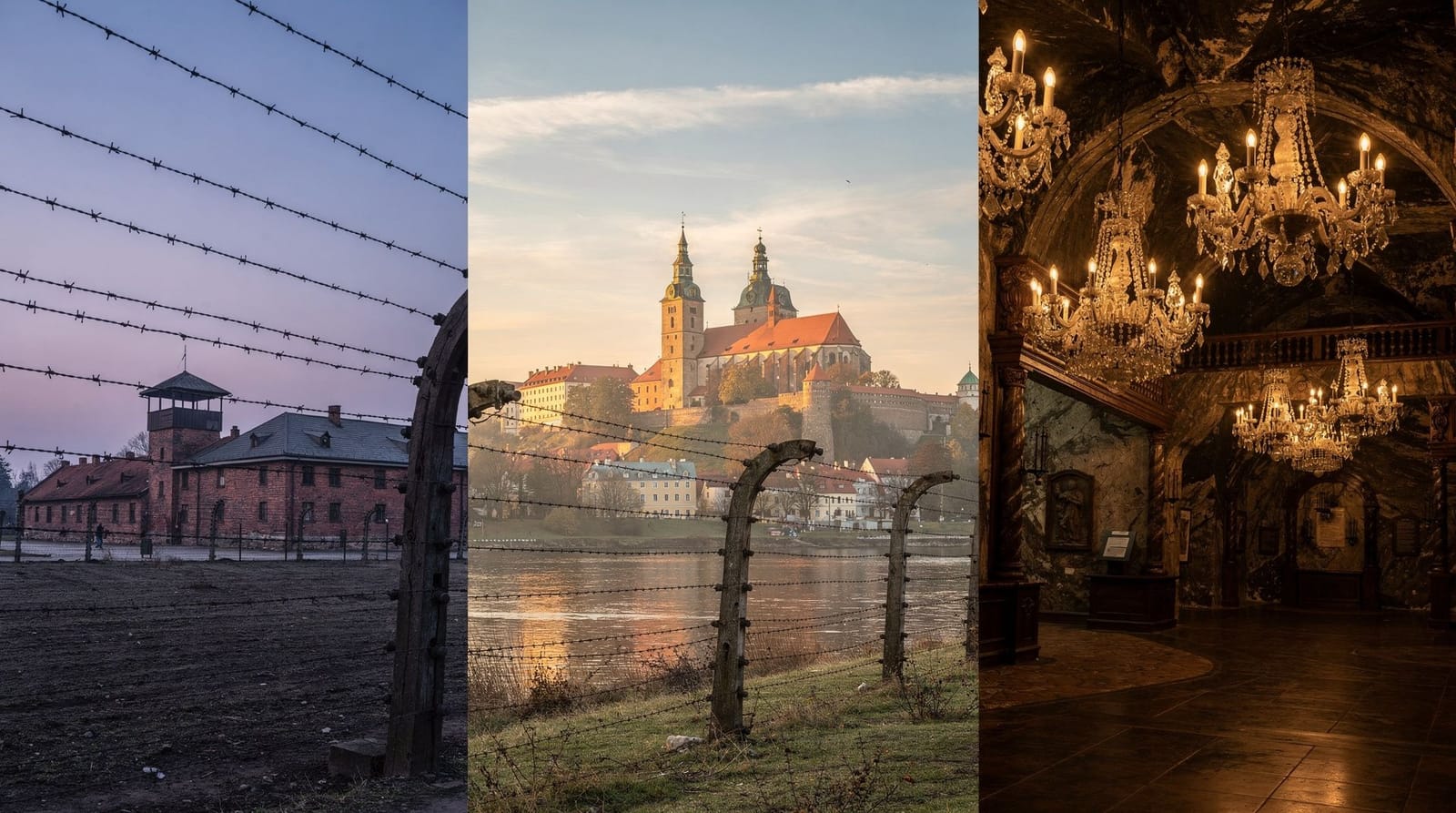
Auschwitz I: 2–2.5 hours covering the entrance gate (Arbeit Macht Frei), the 28 exhibition barracks (including the Wall of Death between Blocks 10 and 11), the reconstructed gas chamber and crematorium, and the collection of physical evidence — 7.7 tonnes of human hair in a glass case, thousands of suitcases, shoes, brushes. The material evidence is harrowing and necessary.
Birkenau: 3 km by shuttle. 175 hectares of the largest death camp ever constructed. The selection ramp, the intact women’s barracks, the ruins of four gas chambers deliberately blown up by the SS, the ash pond where human remains were dumped. Allow 1.5–2 hours minimum.
See our guide to visiting Auschwitz respectfully.
Evening in Kraków
A quiet evening. Walk the Planty. A simple dinner — Bar Mleczny Centralny (ul. Jagiellońska 1) or soup at Café Camelot (ul. Tomasza 17). Do not schedule evening entertainment.
Day 5: Wieliczka Salt Mine and Nowa Huta
9:00 — Wieliczka Salt Mine
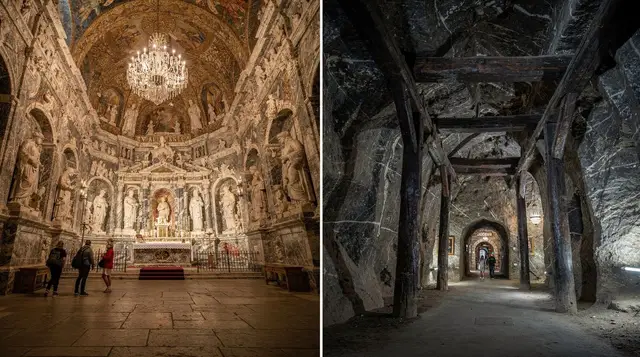
From Kraków: Wieliczka Salt Mine tour and fast-track ticket. Alternatively: bus 304 from Rondo Grunwaldzkie (40 minutes; fare depends on the city ticket zones, check ztp.krakow.pl). Tickets start from 82 PLN for the Polish-language tour; tours in English cost more and prices vary by season, so check kopalnia.pl.
Tourist Route: 2 km, 3 hours, 17–18°C underground. St. Kinga’s Chapel — a 54-metre salt-carved cathedral built by miners in their free time over 68 years — is one of the most extraordinary human constructions in Poland. See the Wieliczka guide for what to expect at each level.
13:00 — Return to Kraków and lunch
Back in Kraków by 14:00. Lunch near the train station or in the Old Town.
15:30 — Nowa Huta
Take tram 4 or 10 from ul. Lubicz (near Kraków Główny) east for 8 km (20 minutes). Nowa Huta — “New Steel Mill” — was built in 1949 as a model communist city, intended to outweigh the bourgeois, religious influence of old Kraków with a proletarian counterweight. The avenues (renamed after Communist heroes in 1949, re-renamed after 1989) are 100 metres wide. The central square, Plac Centralny, is Soviet Baroque at full scale. The Lenin Steelworks still operates.
The contrast with medieval Kraków is one of the most revealing urban juxtapositions in Europe. Walking tours run daily; the Nowa Huta Museum (30 PLN) covers the construction history and the Solidarity movement that arose from the steelworkers in the 1980s.
Return by tram to the Old Town for dinner.
Day 6: Zakopane and the Tatra Mountains
7:30 — Depart for Zakopane
Coach from Kraków main bus station (Dworzec Autobusowy, beside Kraków Główny): PKS buses depart every 30–60 minutes, journey 1h 45–2h, 22–30 PLN. Book at e-podroznik.pl the day before.
Or take the day trip with transport: Kraków: Zakopane, funicular, cheese and highland day trip.
10:00 — Zakopane: Krupówki and the Gubałówka funicular
Walk ul. Krupówki — the main street lined with wooden chalets converted to restaurants, shops, and stalls selling oscypek (smoked sheep’s cheese, the authentic regional product). Buy a piece (5–10 PLN) to try directly from the highland vendor.
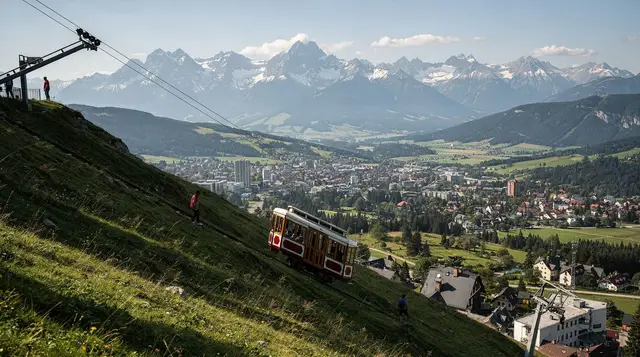
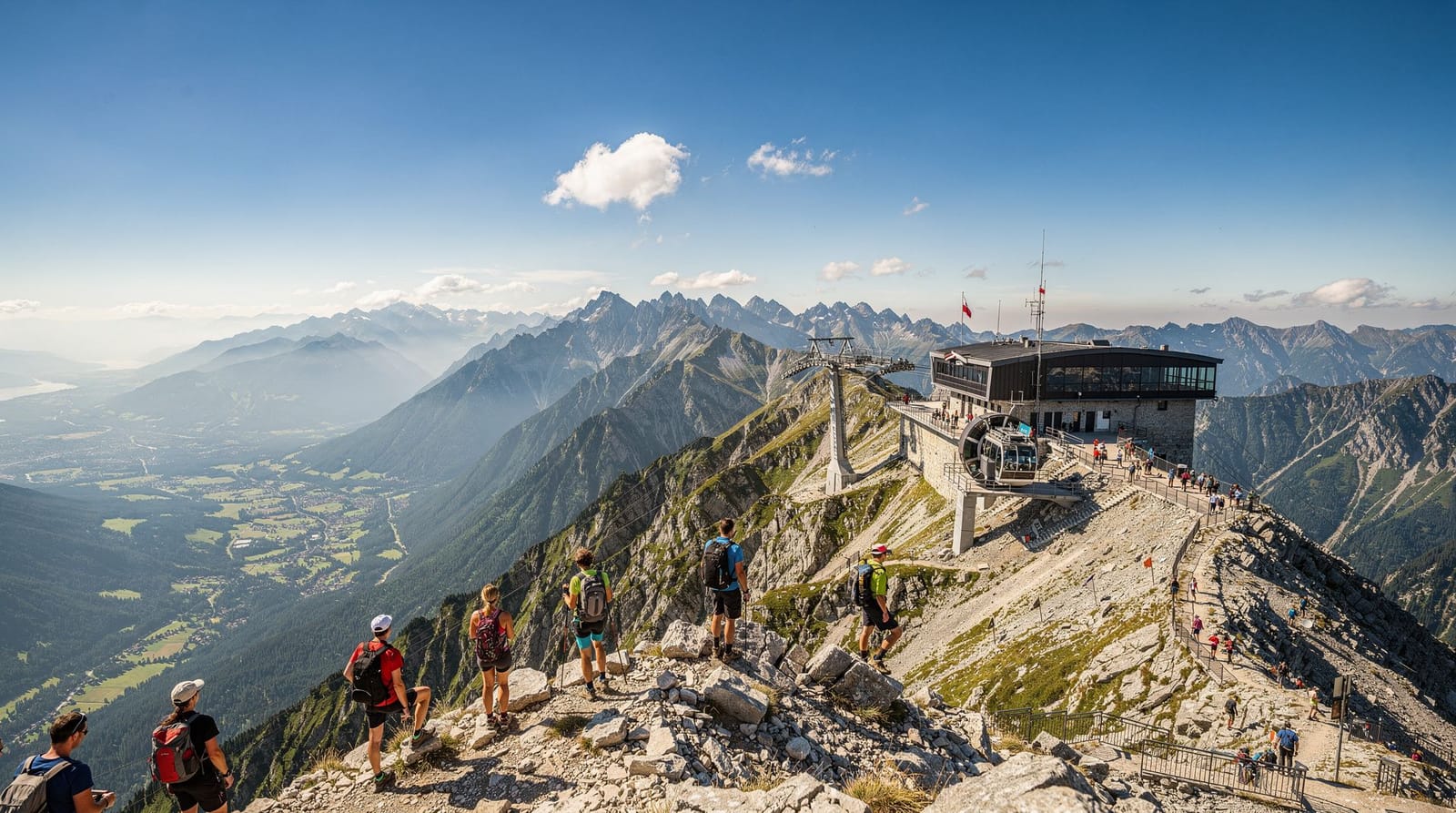
At the north end of Krupówki, the Gubałówka funicular (37–49 PLN return, 3.5 minutes) ascends to 1,126 m. The panorama of the High Tatras — the Polish-Slovak border ridge visible to the south — is dramatic. Walk east along the plateau ridge for 20–30 minutes for the full panorama.
12:00 — Regional lunch
Back in Zakopane: Karczma Sabała (ul. Krupówki 11) for highland lamb, oscypek dishes, and kapuśniak (45–70 PLN mains). Or Góralski Smak (ul. Kościeliska 8) for slightly cheaper traditional food in a wooden interior.
14:00 — Afternoon walk
A short walk into the Tatra foothills is possible without a guide. The Dolina Strążyska (Strążyska Valley) trail begins 2 km from central Zakopane (or 10-minute taxi) and is a 4 km circuit to the Siklawa waterfall and back — 1.5 hours, easy, no altitude gain beyond 200 metres. The forest path is well-marked and suitable for casual hikers. See the Tatra Mountains guide for trail conditions.
17:00 — Return to Kraków
Bus or tour transport; arrive Kraków ≈ 19:00–19:30.
19:30 — Dinner
After a mountain day: Marmolada (ul. Gołębia 2, mains 40–65 PLN): good Polish food near the Rynek without tourist mark-up. Or the floating bar (barka) on the Vistula for drinks and light food if it’s a warm evening.
Day 7: Morskie Oko lake hike
7:00 — Early departure for Morskie Oko
Morskie Oko (“Eye of the Sea”) is the largest lake in the Polish Tatras at 1,395 m elevation — 34.5 hectares of deep blue-green water ringed by peaks rising to 2,499 m. The experience justifies the early start.
From Kraków: Morskie Oko lake tour in the Tatra Mountains. This includes transport from Kraków, minibus to Palenica Białczańska, and time at the lake.
Independent route: Take the 7:00 or 7:30 PKS bus to Zakopane (2h). From Zakopane, minibus or taxi to Palenica Białczańska (the trailhead, 8 km from Zakopane; buses and shared taxis from ul. Kościuszki, 10–15 PLN). From Palenica: 8 km hiking trail, gaining 450 m altitude, 2–2.5 hours each way. Well-marked, paved most of the way. Horse carriages operate to the intermediate point (4 km, Włosienica); from there it’s 4 km hiking only.
9:30 — Morskie Oko
Arrive at the lake for the morning light, ideally before 11:00 when tour groups arrive. The PTTK refuge (Dom Turysty) at the lakeside serves hot food and drinks (bigos 22 PLN, tea 10 PLN). Walk the 2 km circuit of the lake; views of the Rysy massif reflected in the water are exceptional when calm.
Czarny Staw (Black Lake, 1,580 m): a 30-minute additional climb above Morskie Oko leads to a smaller, more dramatic alpine lake. Recommended if you’re fit and not short on time. The trail from Morskie Oko is steep but short.
12:00 — Begin descent
Walk or take the horse carriage (adults 30 PLN, child 20 PLN, operates April–October) partway down. Return to Palenica Białczańska by 13:30.
14:00 — Return to Kraków
Bus from Zakopane to Kraków; arrive ≈ 16:30–17:00.
17:30 — Final afternoon in Kraków
Walk the Planty park — the 4 km ring of gardens on the Old Town perimeter. In early summer the linden trees are in bloom; in autumn the leaves turn gold. The walk takes 40 minutes at a leisurely pace. Buy the last obwarzanek of the trip.
19:30 — Farewell dinner
Wentzl (Rynek Główny 19): one of the oldest restaurants in Kraków (est. 1792), with Polish-European cuisine, mains 70–110 PLN. A proper final dinner. Or return to wherever in the city felt most like Kraków to you — that’s the dinner you’ll remember.
Week-long logistics
Transport card: Buy a 7-day Kraków city transport pass (65 PLN for zone I, ≈ 15.50 €) at any machine or kiosk for unlimited tram and bus travel within the city. Valid for excursions within the city zone (not for intercity buses to Zakopane or trains to Wieliczka/Oświęcim).
Booking priorities: Reserve Auschwitz tour and timed-entry slots first (6 weeks ahead). Then Schindler’s Factory (3–4 weeks), Wieliczka (2–3 weeks), Wawel ticket windows (online 2 weeks). Rynek Underground can usually be booked 48–72 hours ahead.
Accommodation: One central hotel for the full week is the most convenient — look for the Old Town or the Planty ring. Having a base eliminates the taxi/transport calculation every morning. Kazimierz works equally well and costs 20–30% less.
Seven-day week at a glance
| Days | Focus | Rhythm |
|---|---|---|
| 1–3 | Old Town, Wawel, Kazimierz, Podgórze | City and Jewish heritage |
| 4 | Auschwitz-Birkenau | Memorial, given its own day |
| 5 | Wieliczka Salt Mine, Nowa Huta | Underground and communist history |
| 6–7 | Zakopane, Morskie Oko | Tatra Mountains |
Is a full week too much for Kraków and Małopolska?
For most visitors, no — but it depends on what you value. If your interest is purely the city, three or four days covers it and a week will feel padded; see the 3-day or 4-day itineraries instead. If mountains and regional day trips genuinely interest you, seven days lets Zakopane and Morskie Oko each get a full unhurried day rather than being squeezed into one. Repeat visitors to Poland, or travellers combining Kraków with other cities on a longer trip, are the best fit for the full week. First-timers who aren’t sure should start with 5 days and treat this itinerary as the version for when you already know you love the region.
Frequently asked questions about the Małopolska 7-day itinerary
How much does a week in Kraków cost?
Budget travellers: 2,500–3,500 PLN per person (≈ 600–830 €) including accommodation, entry fees, food, and transport. Mid-range: 4,500–7,000 PLN (≈ 1,070–1,670 €). These figures assume shared accommodation at the lower end and mid-range hotels for the upper. See the Kraków budget guide for a full breakdown.
Is Morskie Oko difficult to hike?
The trail from Palenica Białczańska to Morskie Oko is 8 km each way with 450 m of elevation gain — classified as easy-moderate. The path is wide and mostly paved. It takes 2–2.5 hours each way at a moderate pace. No technical skills needed, but comfortable walking shoes are essential (no flip-flops). The additional climb to Czarny Staw is steeper and requires more care. See the Morskie Oko complete guide.
Can I do Morskie Oko in winter?
Yes, with proper preparation. The trail operates year-round; in winter (November–April) the path may be snow-covered. Crampons or microspikes are recommended for the upper section from October onwards. The PTTK refuge at the lake stays open year-round. Winter light can be spectacular. Check conditions at the Tatra National Park (TPN) website before going.
What is Nowa Huta and why is it worth visiting?
Nowa Huta is a planned district built from 1949 as a model communist city — it was intended to create a socialist working class to counterbalance Kraków’s bourgeois intelligentsia and religious traditions. The result is a completely intact piece of Soviet urban planning within a medieval Polish city. The contrast is sociologically and architecturally fascinating. See the Nowa Huta guide for what to visit.
Should I hire a car for this itinerary?
Not necessary. The public transport connections (trains, buses, trams) cover all destinations in this itinerary. A car is faster for Morskie Oko (driving to Palenica Białczańska takes 1.5 hours vs. 2.5+ by bus) but parking is controlled at the trailhead (60 PLN/day) and road access is restricted in high season. For Auschwitz, a guided tour with transport is more appropriate than a rental car.
Can I shorten this to 6 days by cutting one destination?
Yes — Nowa Huta on Day 5 is the easiest cut if you’re short a day; fold it into a shorter Day 5 focused only on Wieliczka, or drop it entirely and use the freed-up time for a slower final day in Kraków. Cutting Auschwitz, Wieliczka, or either Tatra day changes the character of the trip more than trimming Nowa Huta does.
Where should I split my nights if I don’t want one hotel for the whole week?
If you do split, the natural break point is after Day 5 — move from an Old Town or Kazimierz base to somewhere closer to the bus station for the Zakopane/Morskie Oko days (6–7), which both involve early departures. See the neighbourhood guide for options near Dworzec Autobusowy.
Top experiences
Bookable activities with verified prices and instant confirmation on GetYourGuide.