Krakow 5-day itinerary: city, history, and the Tatra Mountains
Krakow: Zakopane, funicular, cheese & highland day trip
Duration: 9h
Five days in Kraków and Małopolska: the complete experience
Five days unlocks the full Kraków experience: two days for the city’s medieval and Jewish history, a sober full day at Auschwitz-Birkenau, an underground morning at Wieliczka Salt Mine, and a day in the Tatra Mountains at Zakopane — one of the most dramatic alpine towns in Central Europe. This itinerary is ambitious but realistic, with each excursion given appropriate time and no two heavy days back-to-back.
The rhythm: city first (Days 1–2), memorial site alone (Day 3), rest with Zakopane (Day 4), Wieliczka (Day 5 morning). The structure avoids the common mistake of doing Auschwitz and Wieliczka on the same day.
| Where | Old Town, Kazimierz, Auschwitz-Birkenau, Zakopane, Wieliczka |
| Cost | around 1,746–4,706 PLN/person incl. 4 nights |
| Time needed | 5 full days |
| Getting there | walkable city core; coach or guided transport for Zakopane |
| Best time | May–June or September for clear Tatra views and lighter crowds |
Day 1: the Old Town
8:30 — The Barbican and Florian Gate
Start at the northern defensive perimeter — the Barbican (22 PLN) is one of the best-preserved medieval round bastions in Europe, connected by a covered neck to the Florian Gate. The gate opens onto ul. Floriańska, the Royal Road. Walk south.
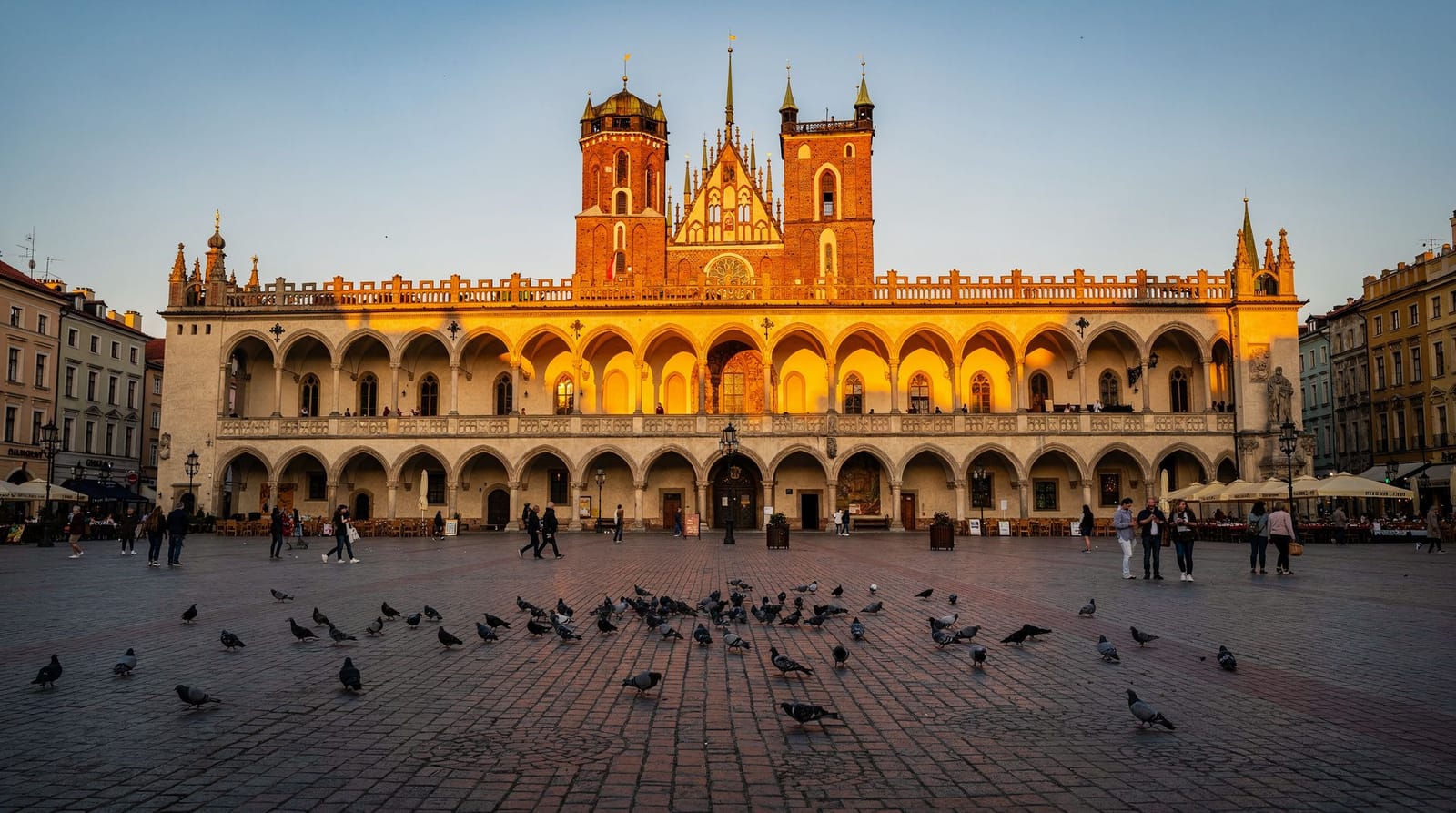
At the Rynek Główny: buy an obwarzanek (2–3 PLN) from the red-and-white cart vendor, walk the full 200-metre square, and locate St. Mary’s Basilica’s two mismatched towers. The taller one (city-funded, 81 m) has a trumpeter; the shorter (chapter-funded, 69 m) has a copper roof and a different silhouette. This asymmetry is intentional — the chapters ran out of money and stopped building. Listen for the hejnał at 10:00.
9:30 — Guided Old Town walk
Krakow Old Town guided walking tour covers the square, basilica, royal route, Barbican, and medieval fortifications in 2 hours with a licenced guide. Departs daily; morning slots fill first.
12:00 — St. Mary’s Basilica and Sukiennice gallery
Enter St. Mary’s after the tour (20 PLN, side entrance on plac Mariacki; open Monday–Saturday 11:30–18:00, Sunday 14:00–18:00). The altarpiece by Veit Stoss opens at 11:50 — time your entry to see both the open and closed states. Then cross to the Sukiennice upper floor (35 PLN) for the 19th-century Polish Romantic painting gallery; Jan Matejko’s historical canvases are enormous and mesmerising.
13:30 — Lunch
Bar Mleczny Centralny (ul. Jagiellońska 1) or Pierogarnia Mandu (ul. Sławkowska 14). Budget 25–45 PLN per person.
15:00 — Rynek Underground Museum
Rynek Underground Museum guided tour (45 PLN, 75 minutes): medieval Kraków beneath today’s market square. Book a timed slot; afternoon slots are usually easier to book than morning.
16:30 — Wawel Castle
Walk the Royal Route south 15 minutes. Buy tickets for the State Rooms (57 PLN) and Cathedral (26 PLN). Late afternoon is calmer than midday at Wawel; the low light on the limestone ramparts is particularly beautiful. See the Wawel Castle guide for the full breakdown of what’s in each exhibition.
19:30 — Dinner
Miód Malina (ul. Grodzka 40, 45–75 PLN mains) is the Old Town’s most reliable upscale Polish restaurant. For something more casual, Café Szał (ul. Józefa 10) in Kazimierz is an easy 15-minute walk south.
Day 2: Kazimierz and Podgórze
9:00 — Schindler’s Factory Museum
Book in advance — this is one of the most visited sites in Kraków and timed slots sell out weeks ahead in summer. Entry 60 PLN (free on Mondays, no booking that day), 90–120 minutes.
Krakow Schindler Factory Museum guided tour: the guided version covers specific survivor stories and lesser-known aspects of the occupation that the exhibition itself leaves implicit.
11:00 — Podgórze Ghetto area
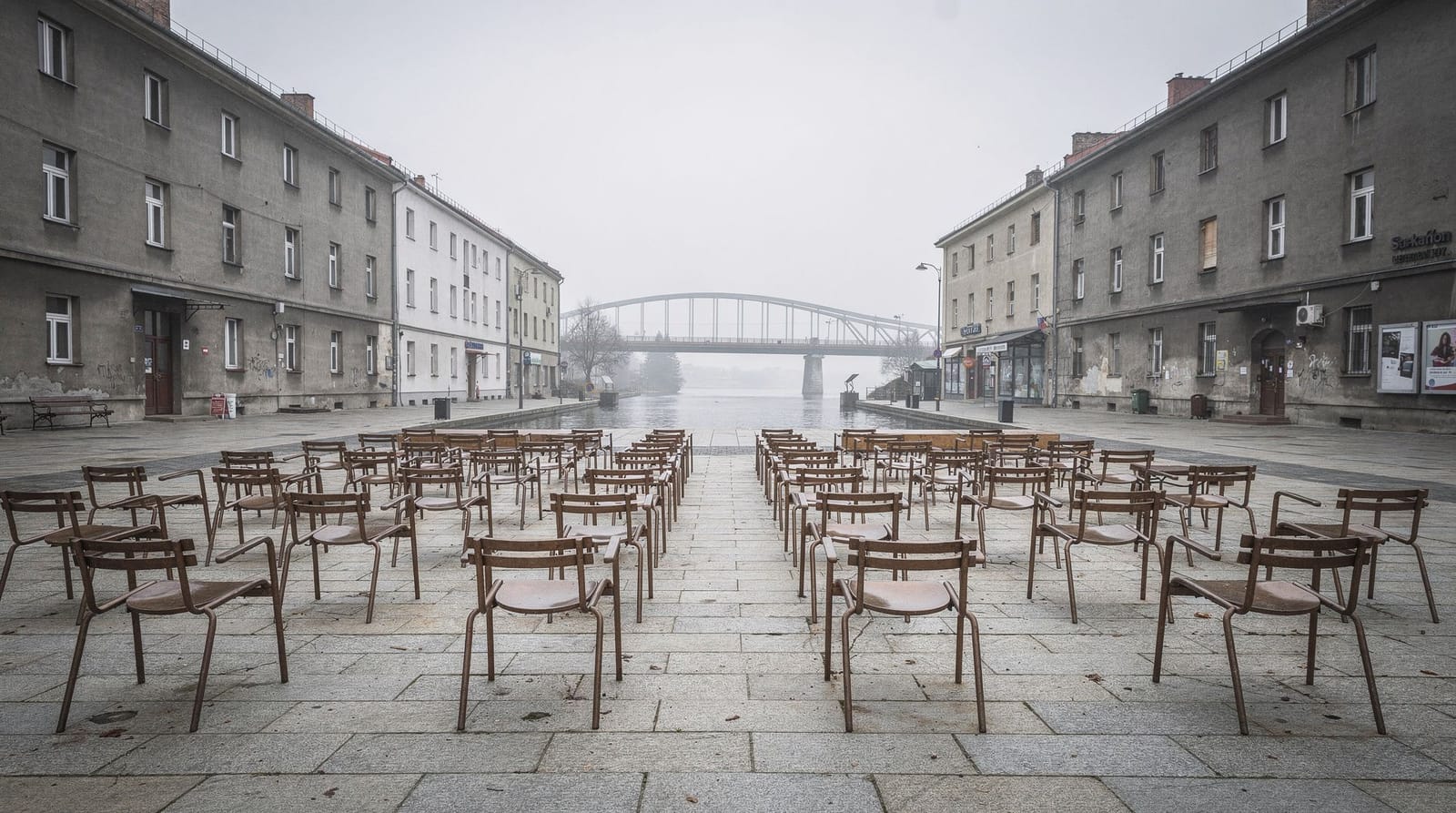
Walk west to Plac Bohaterów Getta and the Pharmacy Under the Eagle (22 PLN). Find the two sections of the Ghetto wall on ul. Lwowska. The silence of the square — empty chairs, no audio, no reconstruction — is one of the most affecting memorial spaces in Europe.
13:00 — Kazimierz lunch and exploration
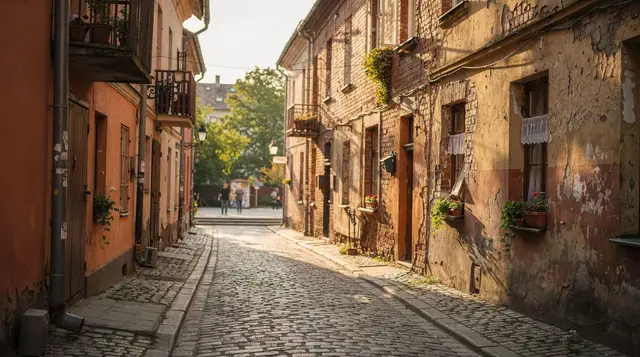
Cross to Kazimierz for the afternoon. Lunch at Fabryczna No 5 (ul. Fabryczna 5, 35–60 PLN mains) — excellent updated Polish cooking in a converted factory space. Or Mleczarnia (ul. Meiselsa 20) for cheaper café-style lunch.
Afternoon in Kazimierz:
- Galicia Jewish Museum (ul. Dajwór 18, 35 PLN): photographic “Traces of Memory” — indispensable
- Old Synagogue (ul. Szeroka 24, 22 PLN): Poland’s oldest, now a museum
- Remuh Synagogue + Cemetery (ul. Szeroka 40, 10 PLN): 16th-century gravestones, some excavated from beneath rubble in the 1950s
- Plac Nowy: zapiekanki, local market atmosphere
Krakow Kazimierz Jewish Quarter walking tour: an afternoon tour provides the communal history that museum plaques alone don’t convey.
18:30 — Vistula riverside
Walk to the Kazimierz embankment for the floating bars (barki, May–October). Żywiec beer 10–14 PLN. Watch Wawel lit against the evening sky upstream.
20:00 — Dinner in Kazimierz
Zalewajka (ul. Józefa 26): bigos and żurek at honest prices. Or book the evening Polish food tour: Krakow 4-hour Polish food tour covers Kazimierz and Old Town food stops with a guide.
Day 3: Auschwitz-Birkenau (full day — emotionally prepare)
This day requires early departure and emotional preparation. Do not plan anything significant for the evening.
7:30 — Depart from Kraków
Book a guided tour with hotel pickup — it is the most respectful and logistically reliable way to visit:
From Kraków: Auschwitz-Birkenau guided tour with hotel pickup. The tour includes licensed guide, transport, and return. Book 3–6 weeks ahead in summer.
Independent travel: Trains from Kraków Główny to Oświęcim take 1h 30–1h 45 min (≈ 20 PLN each way). Book at pkp.pl. From Oświęcim, minibuses run to the Memorial (8 PLN). Entry is free, but you need an entry card reserved at visit.auschwitz.org.
9:00–14:00 — Auschwitz I and Birkenau
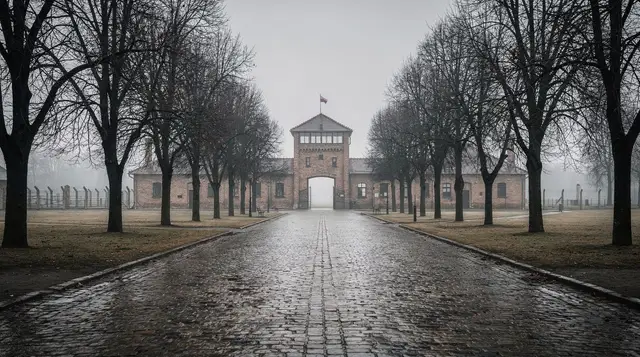
Auschwitz I (the main camp): 2–2.5 hours. The gate, the brick barracks used as national exhibition halls, the execution wall between Blocks 10 and 11, the reconstructed gas chamber. A licensed guide is mandatory for groups; individual visitors can self-guide outside peak hours but the guided 3.5-hour tour covering both camps is strongly recommended.
Birkenau (Auschwitz II): 3 km from Auschwitz I by shuttle bus (free). The 175-hectare site includes the train ramp where selections occurred, 300 surviving barracks, the ruins of four gas chambers/crematoria, and the International Monument. Allow 90 minutes. The scale is incomprehensible until you’re standing in it.
See the Auschwitz visiting guide for guidance on respectful behaviour at the site.
14:30 — Return to Kraków
Arrive back in Kraków around 16:00. A quiet evening is appropriate. Walk the Planty, eat simply at a milk bar or local restaurant. The Vistula embankment is good for a slow evening walk. The MOCAK Museum is open until 19:00 on some evenings and offers a different kind of reflection.
Day 4: Zakopane and the Tatra Mountains
7:30 — Depart for Zakopane
Zakopane is 2 hours south of Kraków by coach. PKS Kraków buses depart from the main bus station (Dworzec Autobusowy) next to Kraków Główny; tickets 20–30 PLN each way, journey 1h 45–2h depending on route. Book at e-podroznik.pl for the morning departure (7:30 or 8:00 are ideal; the 8:00 reaches Zakopane by 10:00).
The most relaxed option is a guided day trip with transport:
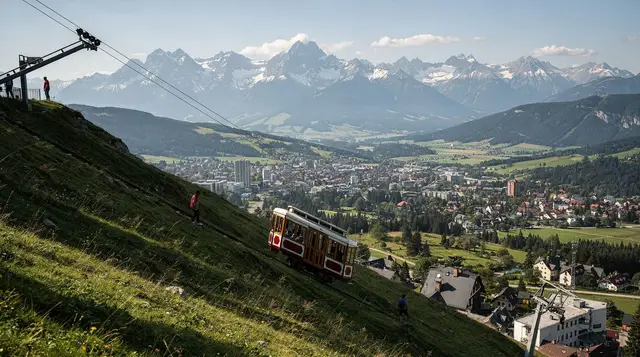
Kraków: Zakopane, funicular, cheese and highland day trip. This includes round-trip transport, the Gubałówka funicular ride, a visit to a regional cheese and food producer, and time in the town centre. Departs from central Kraków hotels.
10:00 — Zakopane: the town and Krupówki
Zakopane (860 m elevation, population 27,000) is Poland’s mountain capital — a resort town with wooden architecture, highland culture, and dramatic peaks on every horizon. Walk ul. Krupówki, the main pedestrian street, for oscypek (smoked sheep’s cheese, 5–10 PLN per piece from street stalls — this is the real product of the Podhale region, not the gummy imitations sold in Kraków’s Sukiennice).
The Tatra Museum (ul. Krupówki 10, around 26–34 PLN) has good exhibits on highland culture, flora, and 19th-century mountaineering history. Allow 45 minutes.
12:00 — Gubałówka funicular
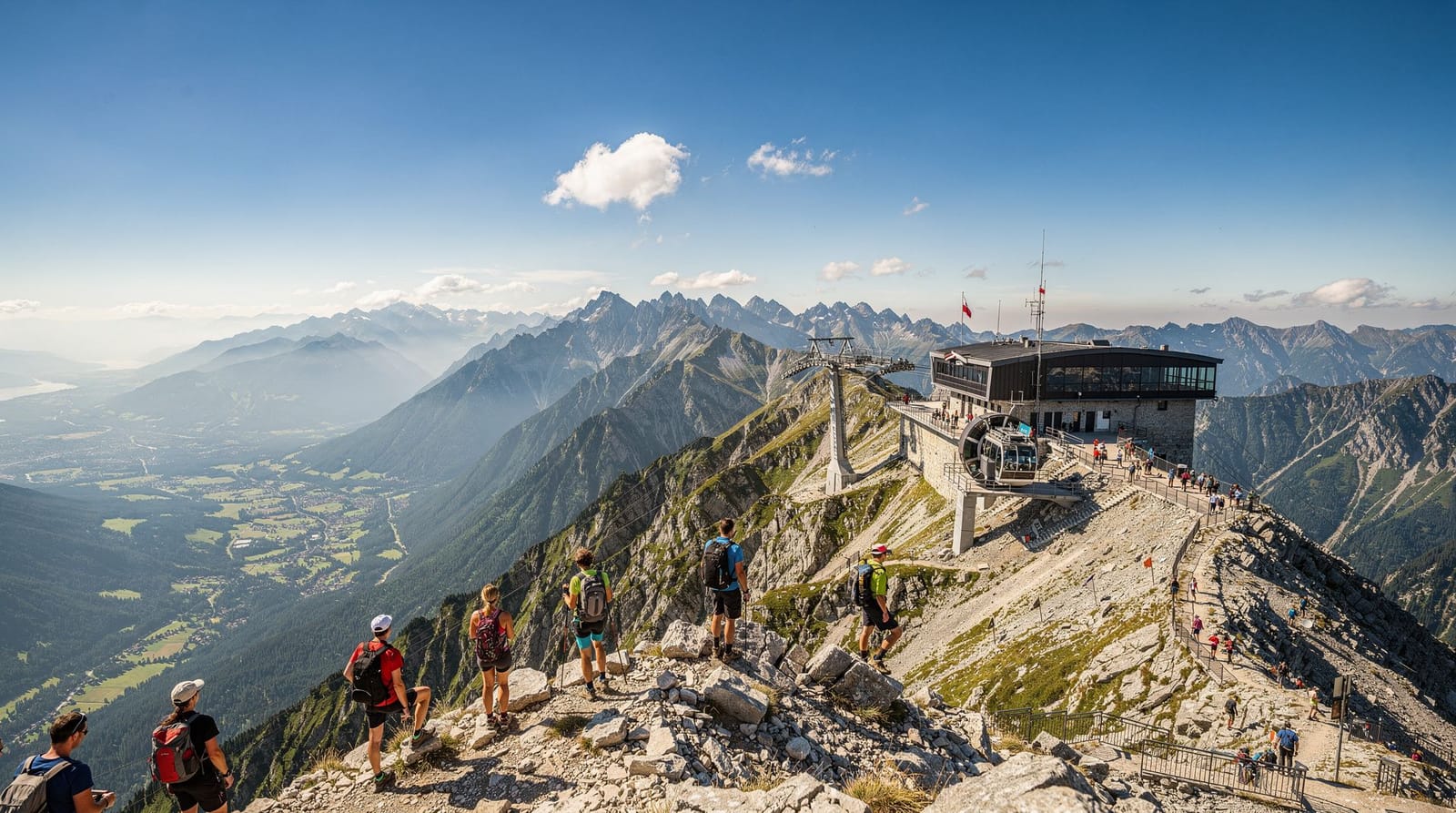
The Gubałówka cable railway (funicular, 37–49 PLN return) ascends 1 km in 3.5 minutes to 1,126 m — the summit plateau above Zakopane. The view of the High Tatras to the south (Slovakia border, peaks to 2,499 m) and the Podhale basin to the north is spectacular. In summer: wildflower meadows; in winter: ski runs. Walk the ridge path east for 30 minutes for different angles on the panorama.
Note: the funicular queue can reach 45 minutes at peak summer weekends (10:00–14:00). Arrive early or join the tour package which includes priority boarding.
13:30 — Highland lunch
Back in Zakopane town for a regional lunch: Karczma Sabała (ul. Krupówki 11, mains 45–70 PLN) — highland cuisine in a traditional wooden interior, grilled oscypek, lamb, and kapuśniak (sauerkraut soup). Or Góralskie Jadło (ul. Krupówki 3) for similar at slightly lower prices.
15:00 — Morskie Oko option (longer alternative)
If you arrived early and have energy, the Morskie Oko lake is accessible from Zakopane: a 15-minute drive to Palenica Białczańska parking area plus 8 km hiking trail (4–5 hours round trip, moderate difficulty). Morskie Oko at 1,395 m is Poland’s largest and most photographed mountain lake — worth the effort if you’re fit and the weather is clear. See the Morskie Oko guide for details.
This is too much for Day 4 of a 5-day trip. Consider it for the Zakopane-focused 5-day itinerary instead.
17:00 — Return to Kraków
Buses back to Kraków depart every 30–60 minutes from Zakopane bus station. Journey 1h 45–2h. Arrive Kraków ≈ 19:00–20:00.
20:00 — Light dinner
After a full day outdoors, a simple dinner. Milkbar Tomasza (ul. Tomasza 24) for a quick, honest meal (20–35 PLN per dish). Or food from the Hala Targowa market if it’s still open.
Day 5: Wieliczka Salt Mine and final afternoon
9:00 — Depart for Wieliczka
14 km southeast of Kraków. Public bus 304 from Rondo Grunwaldzkie (fare depends on the city ticket zones; check ztp.krakow.pl), or guided tour with transport and skip-the-line access:
From Kraków: Wieliczka Salt Mine tour and fast-track ticket.
10:00–13:00 — Underground
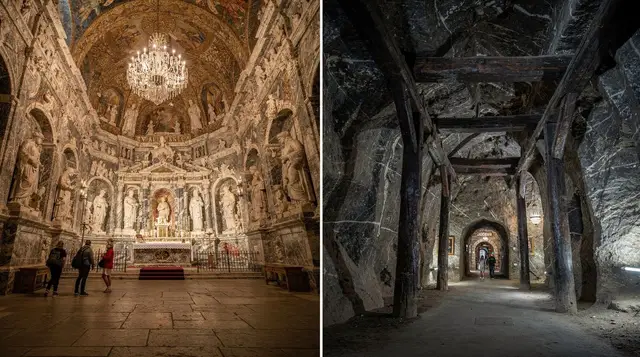
Tourist Route: 2 km, 800 steps descending, exit by lift. Three hours with a licensed guide (mandatory). Highlights: St. Kinga’s Chapel (salt-carved nave 54 m × 12 m, built entirely by miners in their free time, 1895–1963), the crystal-lit underground lakes, and 3.5 km of sculpted corridors at 17–18°C.
Tickets start from 82 PLN (≈ 19.50 €) for the Polish-language tour; tours in English cost more and prices vary by season, so check kopalnia.pl. The mine is beautiful, eerie, and utterly unlike any surface tourist attraction.
13:30 — Return to Kraków
Public bus or tour transport. Arrive back in Kraków ≈ 14:30.
15:00 — Final afternoon
Choose based on what you haven’t seen:
- Czartoryski Museum: Leonardo’s Lady with an Ermine (65 PLN, free on Tuesdays with a timed ticket collected the same day): Czartoryski Museum skip-the-line ticket
- Nowa Huta: Tram 4 east for the communist city (free to explore; walking tours from 40 PLN)
- Planty park walk: The 4-km ring of gardens around the Old Town — free, peaceful, overlooked by most visitors
- Craft beer: Kraftwerk (ul. Lipowa 3, near Schindler’s) has 30+ taps of Polish and European craft; good for a final afternoon session
19:00 — Farewell dinner
Restauracja Pod Wawelem (ul. Grodzka 22, mains 50–80 PLN): solid Polish food in a vaulted cellar one block from the castle. Or one final Kazimierz evening at Fabryczna No 5 (ul. Fabryczna 5).
Five-day budget overview
| Category | Budget PLN | Mid-range PLN |
|---|---|---|
| 4 nights accommodation | 640–960 | 1 200–2 400 |
| Day 1 (Old Town + Wawel) | 195–245 | 245–325 |
| Day 2 (Schindler + Kazimierz) | 150–200 | 200–270 |
| Day 3 (Auschwitz tour) | 130–200 | 200–280 |
| Day 4 (Zakopane + funicular) | 102–152 | 152–222 |
| Day 5 (Wieliczka + museum) | 179–229 | 229–309 |
| Meals (4 dinners + 5 lunches) | 350–550 | 550–900 |
| Total per person | ≈ 1 746–2 536 PLN | ≈ 2 776–4 706 PLN |
Five-day pacing: why the order matters
This itinerary deliberately keeps Auschwitz (Day 3) isolated between two lighter days rather than bookending the trip with it. Day 2’s Kazimierz and Podgórze exploration gives historical context before the Memorial; Day 4’s Zakopane provides a genuine change of register afterwards — mountains, fresh air, physical activity — rather than another indoor history day. If you’d rather end on history instead of nature, swap Days 4 and 5, but keep Auschwitz away from both Wieliczka and Zakopane on the same or adjacent days where possible.
For active travellers who want more time outdoors than a single Zakopane day allows, see the dedicated Zakopane and Tatras 5-day itinerary, which restructures the week around the mountains instead of the city.
Getting around for 5 days
Within Kraków, this itinerary is mostly walkable, with trams needed only for the Podgórze crossing on Day 2 and airport transfers. See the public transport guide for tickets and validation. Zakopane and Wieliczka both require leaving the city — coach for Zakopane, bus or guided transport for Wieliczka — and neither is covered by a Kraków city transport pass, so budget separately for those legs. If you’re active outdoors, the best day trips from Kraków guide ranks the wider options beyond what fits into 5 days.
Frequently asked questions about the 5-day Kraków itinerary
Is 5 days too long for Kraków?
No. Five days is the recommended length for seeing both the city and its major surroundings without rushing. The combination of Old Town, Jewish history, Auschwitz, Wieliczka, and Zakopane makes Kraków genuinely a 5-day destination — one of the most content-rich cities in Central Europe for its size.
Can I swap the day order to do Zakopane first?
Yes, but the Auschwitz day should stay isolated — avoid pairing it with an active outdoor day the same evening. Good alternative: Day 1 Old Town, Day 2 Zakopane (while fresh), Day 3 Kazimierz/Schindler, Day 4 Auschwitz, Day 5 Wieliczka.
What’s the weather like in Zakopane compared to Kraków?
Zakopane sits at 860 m elevation, so it’s typically 5–8 °C cooler than Kraków. Bring an extra layer even in summer. Afternoon storms are common July–August (the Tatras create their own weather). Check the IMGW weather service the morning of your visit. The funicular is closed in high winds.
Is the Morskie Oko hike possible as a day trip from Kraków?
Yes, but it’s a long day. Departure from Kraków at 7:30, arrive Zakopane 9:30, taxi/bus to Palenica Białczańska, 8 km hike (4–5 hours return), back to Zakopane ≈ 16:00, return coach to Kraków arriving 18:30–19:30. See the dedicated Morskie Oko guide and the Zakopane-Tatras 5-day itinerary for a more extended mountain option.
Do I need to book the Zakopane tour in advance?
In summer (July–August), book Zakopane day trips at least a week ahead — seats fill on the popular guided departures. The public bus alternative (PKS Kraków) is walk-up, but peak summer buses can be standing-room-only. Book a return bus seat at the station window if using the public option.
Is 5 days too much time in one place for a first visit to Poland?
Not if you value depth over breadth. Kraków and Małopolska genuinely support 5 days without repetition — medieval architecture, Jewish heritage, WWII memorial history, and alpine scenery are four distinct experiences within a 2-hour radius. If you’d rather split the time, consider a shorter 3-day Kraków visit combined with another Polish city, though you’d lose the Zakopane day.
Which single day would you cut if I only had 4 days?
Cut Zakopane (Day 4) and use the 4-day itinerary instead — it keeps the city core, Auschwitz, and Wieliczka intact, which most first-time visitors rate as the higher priority over a mountain day trip.
Top experiences
Bookable activities with verified prices and instant confirmation on GetYourGuide.