Krakow, Zakopane, and the Tatras: 5-day mountain itinerary
From Krakow: Morskie Oko lake tour in the Tatra Mountains
Five days of Kraków and the Tatra Mountains
This itinerary reverses the usual tourist order: Kraków first (Days 1–2), then full immersion in the Tatra Mountains (Days 3–5). The mountains get three days instead of a rushed day trip — enough time for Zakopane town and the Gubałówka plateau, the Morskie Oko lake hike, and a full-day trail in the Tatra valleys with optional thermal baths.
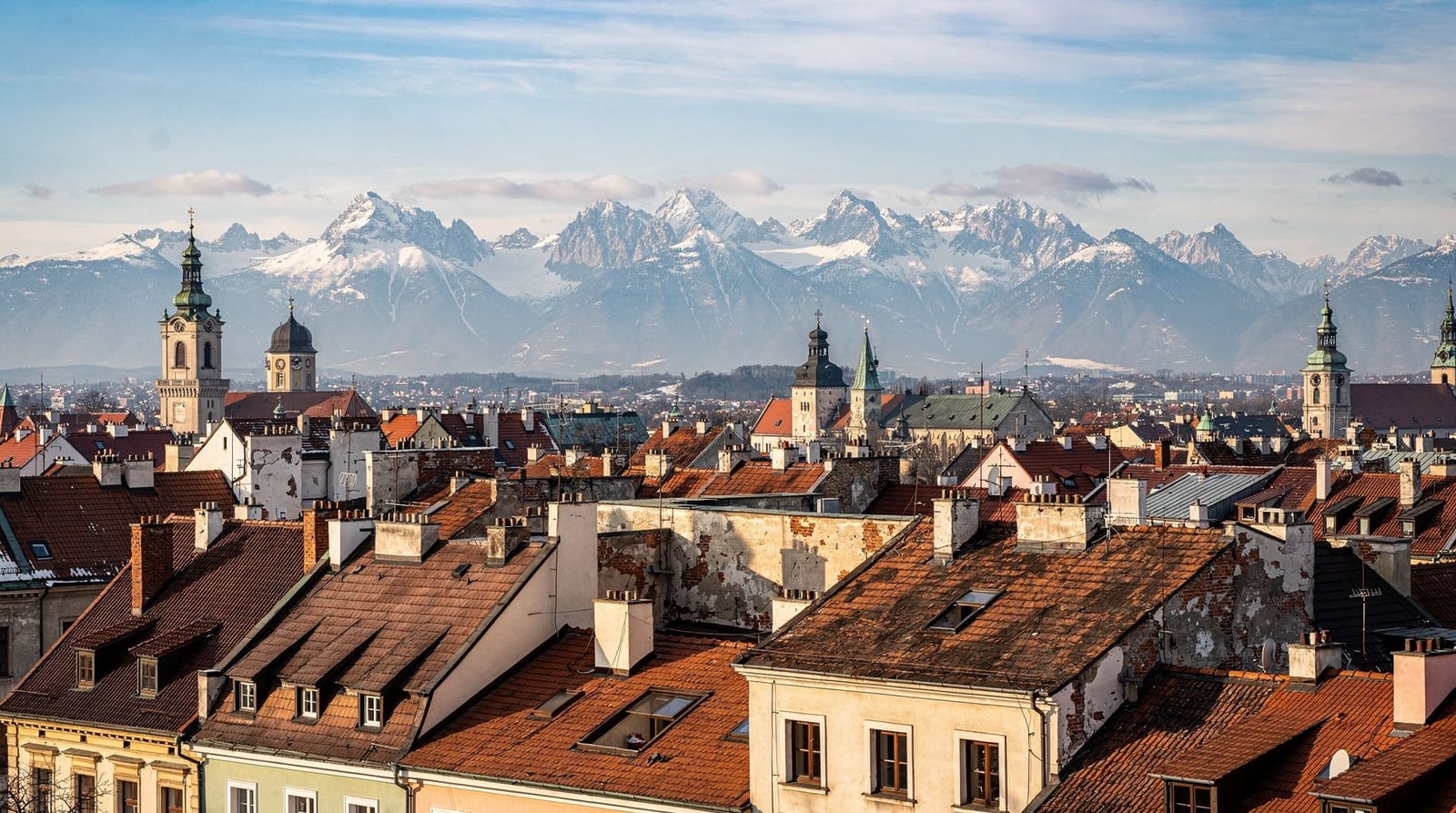
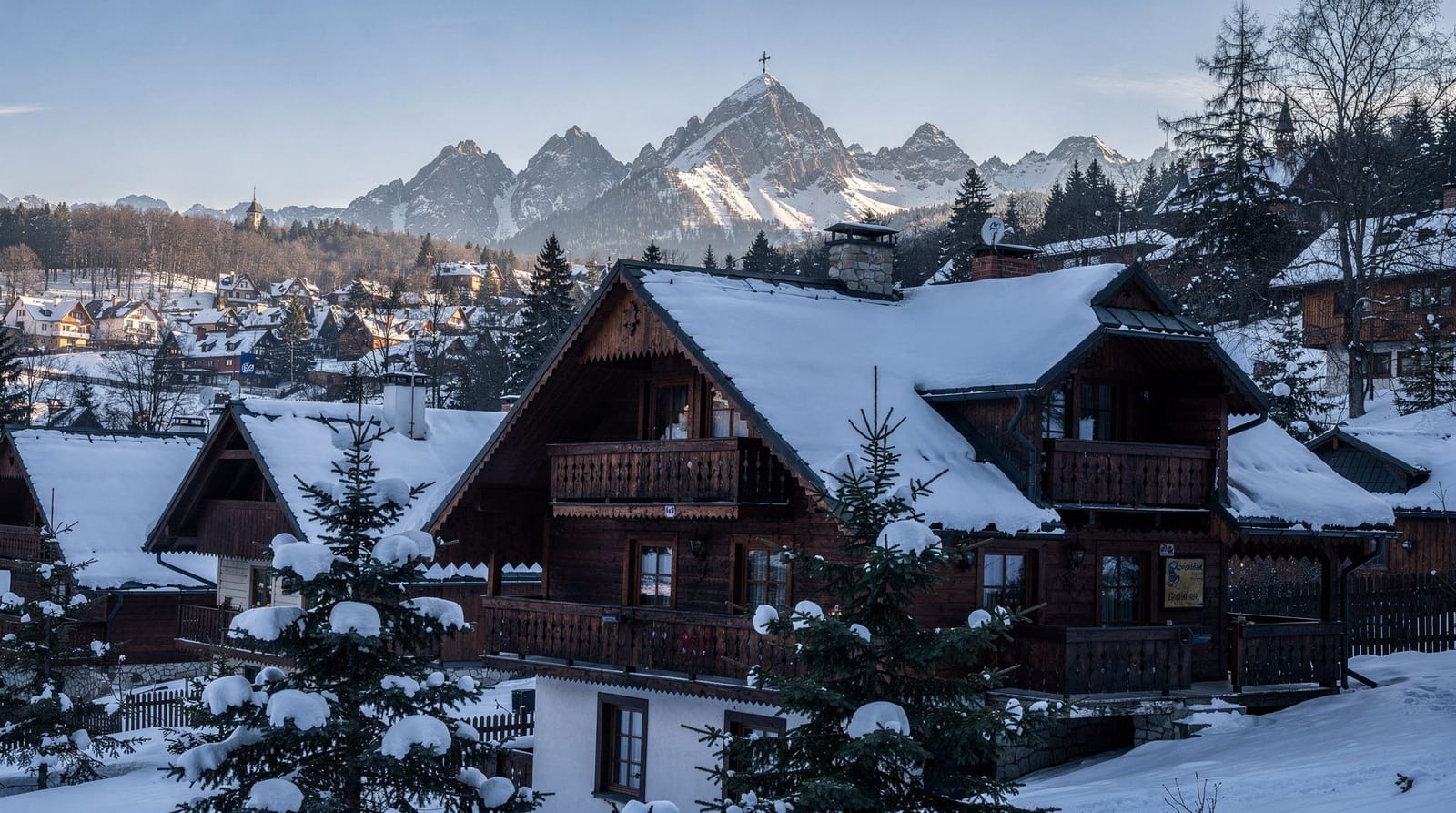
The Tatra Mountains are the highest mountain range in Poland, peaking at Rysy (2,499 m, the highest point in the country). They rise abruptly from the Podhale highland basin — from 800 m to 2,500 m in less than 15 km of horizontal distance — creating one of the most dramatic mountain frontiers in Central Europe. Zakopane sits at the base at 860 m; the first peaks are 3 km away.
This itinerary requires reasonable fitness for Days 3–4 (8 km Morskie Oko hike + 450 m altitude gain). Day 5 is easier (valley walk or thermal baths). Kraków days are flat and easy.
| Where | Kraków Old Town (Days 1–2), Zakopane and the Tatras (Days 3–5) |
| Cost | around 150–250 PLN/night in Zakopane + entry fees |
| Time needed | 5 days |
| Getting there | PKS bus, Kraków to Zakopane, around 1h45–2h, 22–30 PLN |
| Best time | June–October for hiking; December–April for skiing |
For a Kraków-heavy version with less mountain time, see the 5-day itinerary or the 7-day Małopolska itinerary, which spreads the region’s day trips across a full week.
Day 1: Kraków — Old Town essentials
9:00 — Old Town orientation
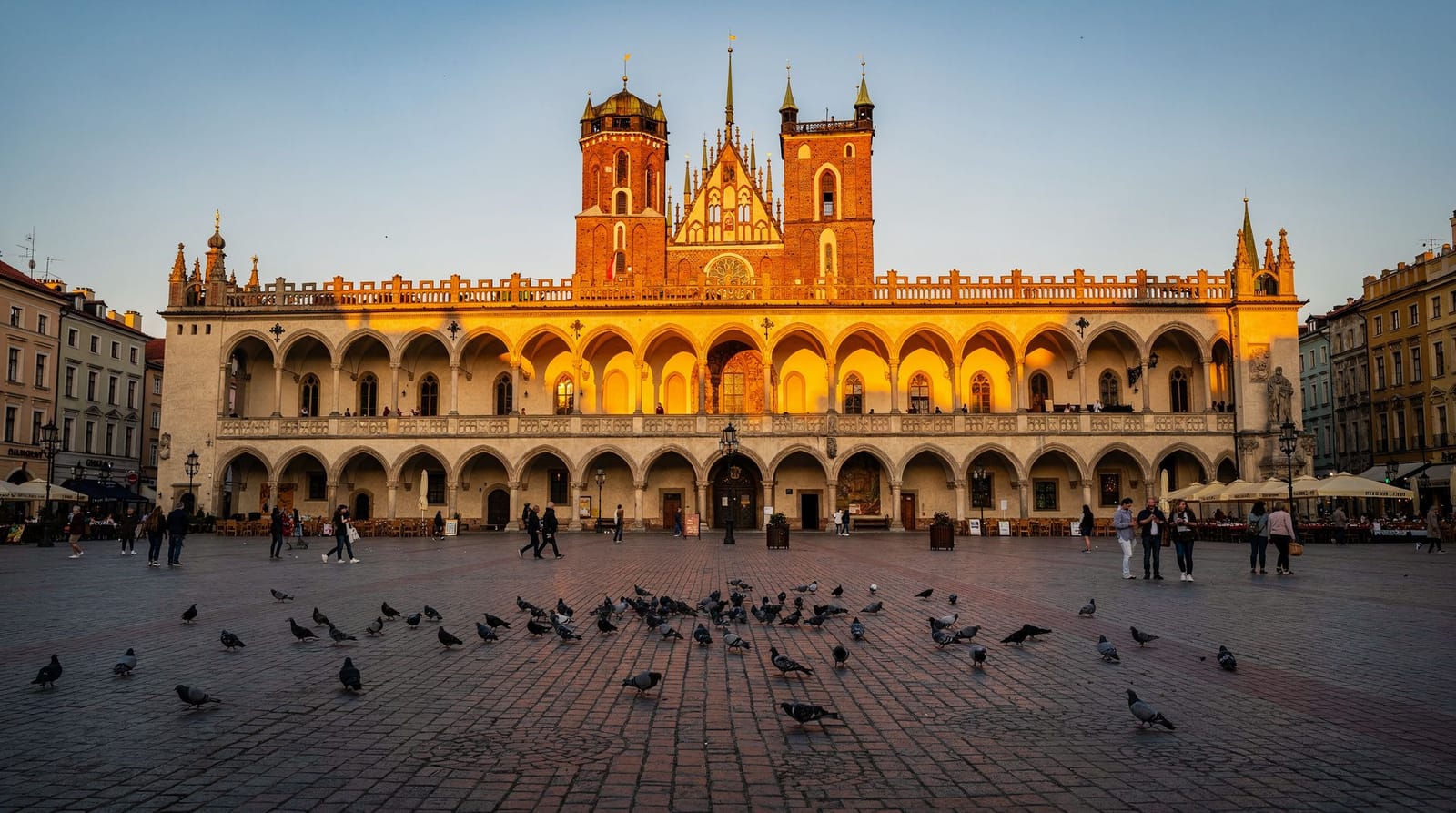
A focused day in Kraków before the mountains. Start at Rynek Główny: buy an obwarzanek (2–3 PLN), walk through the Sukiennice arcade, listen to the hejnał at 10:00. Enter St. Mary’s Basilica (20 PLN, side entrance on plac Mariacki) — the altarpiece panels open at 11:50.
Krakow Old Town guided walking tour: a 2-hour morning tour covers the Royal Route, the square, and the key monuments efficiently. Good for orienting before the mountains take over the rest of the trip.
11:30 — Wawel Castle
Walk the Royal Route south to Wawel. The Dragon’s Den (15 PLN, open seasonally) is a quick, satisfying detour — down through the limestone cave to the Vistula riverside where the bronze dragon breathes fire. For the castle: State Rooms (57 PLN) for the tapestries, Cathedral (26 PLN) for the royal crypts. Allow 2 hours total.
14:00 — Rynek Underground Museum
Rynek Underground Museum guided tour (75 minutes): the medieval trade city beneath today’s square. Book a timed afternoon slot.
16:00 — Kazimierz
Walk to Kazimierz for the afternoon. Plac Nowy for a zapiekanki (12–18 PLN); Alchemia (ul. Estery 5) for a coffee or beer in the classic Kazimierz setting. The neighbourhood deserves a full day but even two hours gives a sense of what it is.
19:30 — Dinner in the Old Town
Miód Malina (ul. Grodzka 40, mains 55–80 PLN) for Polish cuisine. Or Zalewajka (ul. Józefa 26, Kazimierz, mains 40–65 PLN) for something simpler.
Early night — Day 3 requires a 7:00 am departure.
Day 2: Kraków — historical depth
9:00 — Schindler’s Factory Museum or Czartoryski Museum
Choose based on your interests:
- Schindler’s Factory (ul. Lipowa 4, 60 PLN): The WWII occupation museum covering 1939–1945, with the Ghetto and Podgórze area context. Krakow Schindler Factory Museum guided tour. Allow 2 hours.
- Czartoryski Museum (ul. Pijarska 15, 65 PLN, free on Tuesdays): Leonardo’s Lady with an Ermine and the best fine art collection in Kraków. Czartoryski Museum skip-the-line entry ticket.
12:00 — Lunch and remaining Old Town
Lunch at Bar Mleczny Centralny (ul. Jagiellońska 1, 15–25 PLN per dish). Then:
- Collegium Maius (ul. Jagiellońska 15): Copernicus’s university, guided tours every 30 minutes
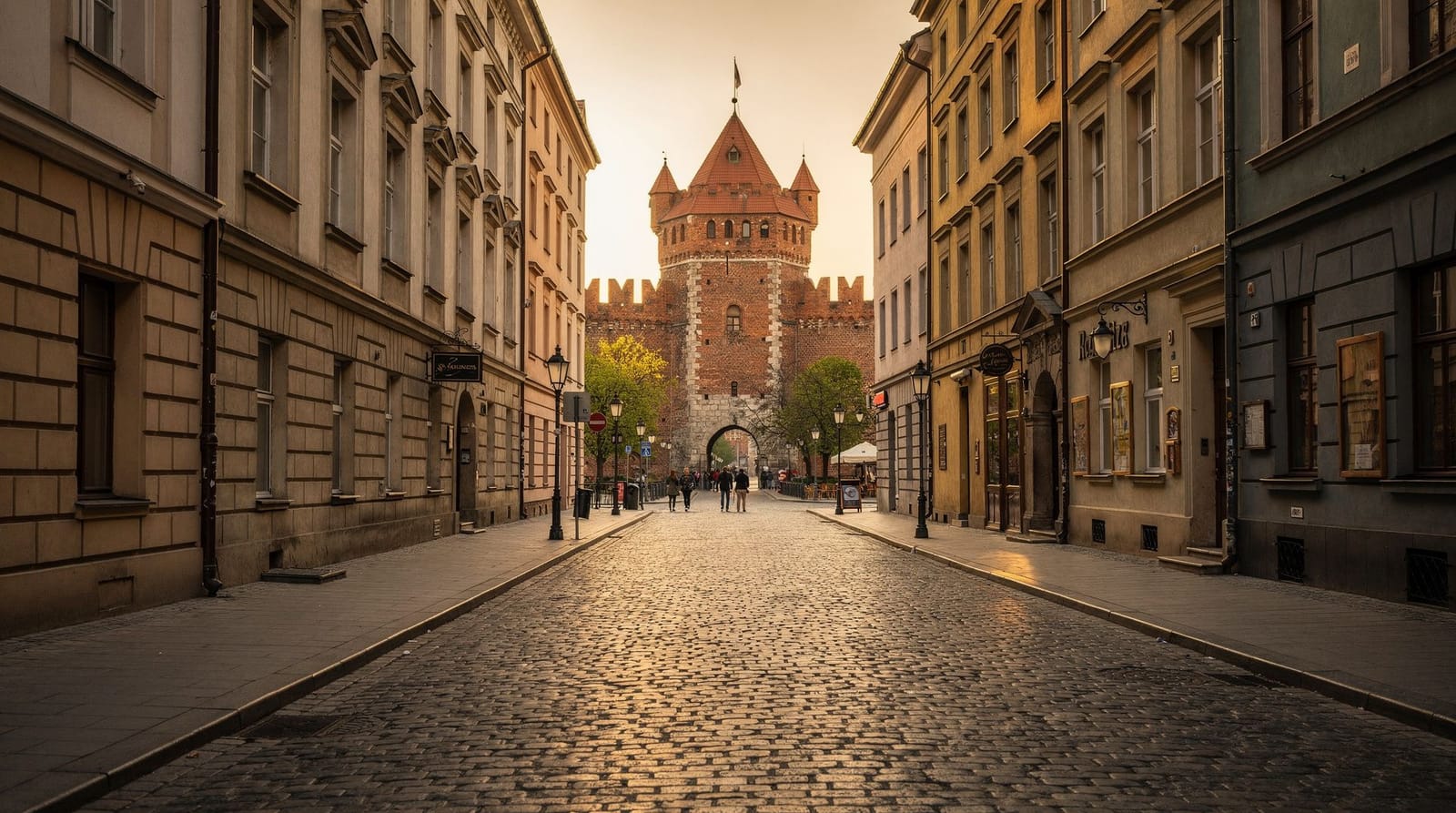
- Barbican (22 PLN): the best-preserved medieval round bastion in Poland
15:00 — Vistula and final Kraków afternoon
Walk the embankment below Wawel. The Vistula cruise is a relaxed option: Krakow sightseeing cruise on the Vistula River (1 hour).
Pack for the mountains tonight: warm layer, waterproof, walking shoes or boots, sunscreen. Check the Tatra National Park (TPN) weather forecast at tatry.pl.
19:00 — Final Kraków dinner
Restauracja Różowy Słoń (ul. Straszewskiego 24, mains 35–60 PLN): solid Polish food near Wawel. Early night.
Day 3: travel to Zakopane + Gubałówka
7:30 — Depart Kraków
PKS bus from Kraków main bus station (Dworzec Autobusowy, beside Kraków Główny): departures every 30–60 minutes to Zakopane, journey 1h 45–2h, 22–30 PLN per person. Book at e-podroznik.pl the day before for morning peak slots.
Alternatively, use a day trip with transport and structured programme: Kraków: Zakopane, funicular, cheese and highland day trip. This includes return transport, funicular ticket, highland food producer visit, and town time.
10:00 — Arrive Zakopane
Zakopane at 860 m is the capital of the Polish highlands. Walk ul. Krupówki from the bus station south: 1 km of wooden chalets converted to restaurants, oscypek (smoked sheep’s cheese) stalls, craftwork shops, and the general business of Poland’s most visited mountain resort. Buy a piece of oscypek (5–10 PLN) from a street vendor — the authentic product is firm, smoked, and should have a distinctive lozenge shape. Avoid the yellow plastic-wrapped versions sold on Krupówki as tourist products; the real ones come from roadside vendors.
The Tatra Museum (ul. Krupówki 10) has exhibits on highland culture, flora/fauna, and the history of mountaineering in the Tatras — 30–45 minutes, educational context for the next two days.
12:00 — Gubałówka funicular
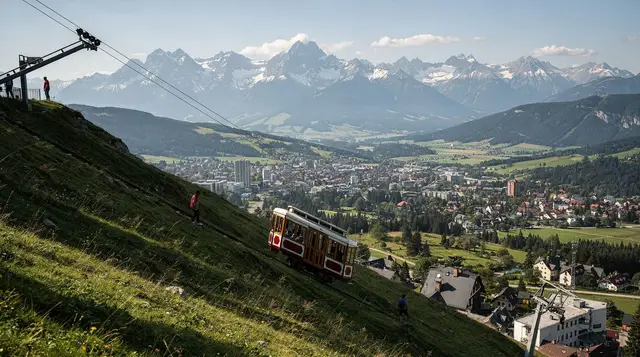
The Gubałówka cable railway (funicular) departs from the north end of Krupówki — a 3.5-minute ride ascending 283 m vertical to the Gubałówka plateau at 1,126 m. Check current prices on the official website of Polskie Koleje Linowe (pkl.pl). Queue can reach 30–45 minutes in summer 10:00–14:00; arrive early or accept the wait.
From the top: the panorama of the High Tatras to the south is dramatic — the Rysy massif, Świnica, Kasprowy Wierch, and the Slovak peaks visible on a clear day. Walk east along the plateau ridge for 20 minutes for the full panorama, then return west for views over the Zakopane basin.
13:30 — Highland lunch
Back in Zakopane: Karczma Sabała (ul. Krupówki 11, mains 45–75 PLN) for highland cuisine — grilled oscypek, roast lamb, kapuśniak (sauerkraut soup), żurek (sour rye). Or Chałupa (ul. Kościuszki 10) for similar food at slightly lower prices.
15:00 — Afternoon walk
If you have energy after the funicular: walk into the nearest Tatra valley. The Dolina Strążyska (Strążyska Valley) trail begins 2 km from central Zakopane (15-minute walk or 10-minute taxi to the trailhead at ul. Strążyska). The 4-km round-trip circuit reaches the Siklawica waterfall in 45 minutes — easy, forest trail, good introduction to Tatra hiking for Day 4. No altitude gain beyond 200 m.
Kościeliska Valley is a longer alternative (12 km return, 3–4 hours) but better saved for Day 5 if doing Morskie Oko on Day 4.
18:30 — Check in to Zakopane hotel
Stay in Zakopane for 2 nights. Options at all price points: Pension Willa Figa (mid-range, 180–250 PLN/night per person half-board) or Hotel Litwor (upscale, 350–500 PLN/night) on Krupówki. Book in advance — Zakopane fills in summer and on winter weekends.
20:00 — Dinner
Karczmisko (ul. Kościeliska 2, mains 45–70 PLN): traditional highland cooking in a log-cabin interior, reliable and well-reviewed. Or eat at your pension if half-board is included.
Day 4: Morskie Oko hike
7:00 — Early start
From Kraków: Morskie Oko lake tour in the Tatra Mountains — if you didn’t book a Zakopane base, this day-trip from Kraków covers the full Morskie Oko experience with transport from the city. For visitors staying in Zakopane, arrange a minibus from Zakopane to Palenica Białczańska directly (shared minibuses from ul. Kościuszki, 10–15 PLN, depart from 6:30 am in summer).
7:30 — Palenica Białczańska (trailhead)
The car park at Palenica Białczańska (1,006 m) is the mandatory starting point — the road beyond is closed to private vehicles. Horse carriages run to the intermediate point at Włosienica (4 km); check current fares on site. Most walkers start on foot from Palenica.
Trail statistics: 8 km each way (16 km total), 389 m altitude gain, well-marked and wide path (mostly paved near the bottom, gravel higher up). Difficulty: easy-moderate. Allow 2–2.5 hours ascent, 1.5–2 hours descent. Total: 4.5–5 hours walking.
9:30 — Morskie Oko lake
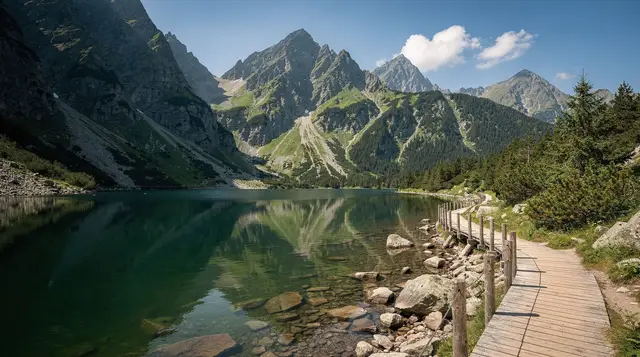
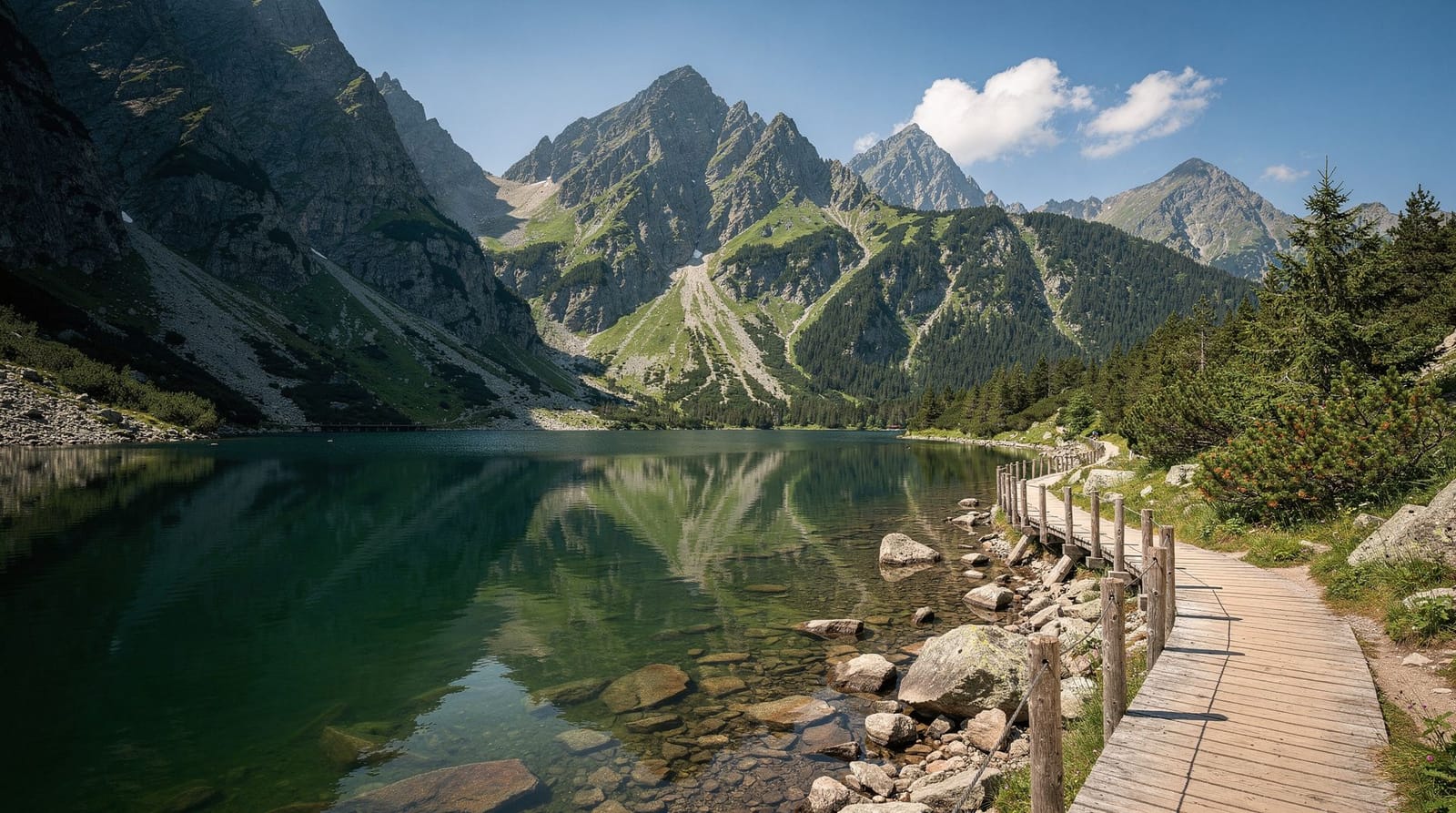
Morskie Oko (“Eye of the Sea”) at 1,395 m: 34.5 hectares of deep blue-green water, 50.8 metres deep, encircled by peaks rising to 2,499 m. The lake feeds the Black Sea via the Dunajec River. The name comes from a legend that it was connected to the sea by an underground channel.
Walk the 2 km circuit of the lake. The PTTK refuge (Dom Turysty) at the lakeside serves hot food and drinks — bigos 22 PLN, tea 10 PLN, barszcz 18 PLN. Eat here; you earned it.
Czarny Staw (Black Lake, 1,580 m): a 30-minute additional climb (300 m, steep) from Morskie Oko leads to a smaller, darker alpine lake beneath the vertical north face of Mięguszowieckie Szczyty. The trail is clear but the terrain is rocky and requires care. Worth it for fit hikers with time.
12:00 — Begin descent
Walk or take a horse carriage partway down. Return to Palenica Białczańska by 13:30–14:00.
14:30 — Return to Zakopane
Minibus back to Zakopane. Late lunch or early dinner — after a 16-km day, appetite is not a problem. Café Gubałówka (ul. Krupówki 22) for a quieter sit-down meal.
18:00 — Thermal baths option
Zakopane area has several thermal bath complexes fed by natural hot springs. Terma Bania (Białka Tatrzańska, 20 minutes east): the largest complex, with outdoor pools at 36–38°C and views of the peaks. Worth it after a day’s hiking. The thermal baths and Tatra hiking tour is the combined option: Krakow: hiking adventure in Tatra Mountains and thermal baths.
Day 5: valley walk, thermal baths, and return to Kraków
9:00 — Kościeliska Valley
The Dolina Kościeliska (Kościeliska Valley) is the most accessible of the major Tatra valleys for a moderate walk. The valley road/trail runs 7 km from the entrance (accessible by bus from Zakopane) through a limestone gorge, past caves (Mroźna Cave), to the Ornak meadow at 1,100 m. The terrain is mostly flat valley floor with forested sides; no significant altitude gain. Return the same way or vary via the Smreczyński Valley loop.
Total: 10–14 km depending on extensions, 3–4 hours.
A guided Kościeliska Valley hike with thermal baths: From Kraków: Kościeliska Valley trek with thermal baths. This combines the valley walk with an afternoon at the Chochołowskie thermal baths — a natural geothermal complex (check current prices on the official website) with open-air pools at 36–40°C fed by volcanic springs.
13:00 — Lunch and Zakopane farewell
Last oscypek from the street vendor. Restauracja Sabała (ul. Krupówki 11) for a final highland meal. Or pack a picnic from Biedronka (the Polish discount supermarket, ul. Krupówki 61) for the return journey — fresh bread, local cheese, cold cuts.
15:00 — Return to Kraków
PKS bus from Zakopane bus station to Kraków: departures throughout the afternoon, journey 1h 45–2h. Arrive Kraków 17:00–18:30. If flying home, Kraków Balice Airport (KRK) is 20 minutes by train from Kraków Główny (20 PLN).
5-day summary at a glance
| Day | Focus | Effort |
|---|---|---|
| Day 1 | Old Town, Wawel, Rynek Underground, Kazimierz | easy, flat |
| Day 2 | Schindler’s Factory or Czartoryski, Barbican, Vistula cruise | easy, flat |
| Day 3 | Travel to Zakopane, Gubałówka funicular, Strążyska Valley | moderate |
| Day 4 | Morskie Oko hike (16 km round trip) | demanding |
| Day 5 | Kościeliska Valley, thermal baths, return to Kraków | moderate |
Zakopane by season
| Season | Conditions | Best activity |
|---|---|---|
| June–August | warm, crowded, all trails open | Morskie Oko, high valleys |
| September–October | cooler, fewer crowds, stable weather | hiking (best overall balance) |
| December–April | snow, skiing conditions | Kasprowy Wierch skiing, thermal baths |
| April–May | melting snow, upper trails closed | lower valley trails only |
See the Zakopane from Kraków guide for the full seasonal breakdown and the tour vs. DIY comparison if you’re deciding whether to book transport or travel independently.
Tatra hiking: practical guide
Season: June–October for all trails; April–May for lower valley trails only (snow persists above 1,500 m until May). Morskie Oko is typically snow-free from mid-May. Winter hiking requires crampons and experience above the valley floors.
Weather: Mountain weather changes rapidly. The Tatras generate their own storms. Check tatry.pl (Tatra National Park) forecast each morning. If the forecast shows storms for the afternoon, start your hike earlier and descend by 13:00. Do not attempt Rysy or high-altitude ridges in unpredictable weather.
Trails: All major Tatra trails are marked with coloured waymarks (red, blue, green, yellow). The Polish alpinism club (PTTK) maps are the standard: buy at any Zakopane bookshop (20–30 PLN). The Maps.me app has offline Tatra maps that work without a signal.
Tatra National Park fee: Entry to TPN costs 11 PLN (5.50 PLN reduced); a 7-day ticket is 55 PLN. Some special areas (Dolina Pięciu Stawów, Rysy) may require permits in high season — check tatry.pl.
Alternative valleys if Morskie Oko feels too crowded: In peak July–August, Morskie Oko’s popularity is itself a drawback — the trail can feel more like a busy pedestrian street than a mountain path. The Kościeliska Valley hike, already part of Day 5, is one quieter alternative; for a longer detour, the Slovakia treetop walk day trip crosses the border for a genuinely different Tatra perspective with far fewer crowds.
Non-hiking days if the weather turns: Not every day in the mountains cooperates. If Day 4’s weather forecast is poor, swap the Morskie Oko hike for the Chochołowskie or Terma Bania thermal baths and reschedule the hike for Day 5 instead — the Zakopane thermal baths guide covers both complexes in detail, and neither requires clear weather to be worthwhile.
Frequently asked questions about the Kraków–Zakopane–Tatras itinerary
When is the best time to do the Morskie Oko hike?
Late June to early October. The lake is typically snow-free from mid-May but the upper trail can be icy in April and May. July–August are the most crowded; the parking area at Palenica Białczańska fills by 8:00 on summer weekends. The best combination of conditions and crowds is September — autumn colours, fewer people, stable weather. See the Morskie Oko guide.
Is the Morskie Oko trail difficult?
It’s moderate — long (16 km return) but not steep or technically demanding. The path is well-maintained and wide. Most reasonably fit adults complete it without difficulty in 4.5–5 hours. Children from age 8–10 typically manage it with encouragement and snack breaks. The upper section beyond Włosienica (the 4 km from the intermediate point to the lake) is the steeper part. Bring walking poles if you use them; the descent is knee-heavy.
Can I see the Tatras in winter?
The Tatra valleys are accessible in winter, but the upper trails (above 1,500 m, including Morskie Oko) require winter gear — crampons, ice axe, and experience. Zakopane in winter is a ski resort (Kasprowy Wierch has reliable snow December–April). The thermal baths are open year-round and particularly enjoyable in winter — sitting in 38°C water with snow falling is a specific Polish alpine pleasure.
Should I base in Zakopane or day-trip from Kraków?
Basing in Zakopane for 2 nights (Days 3–5) is strongly recommended for this itinerary — it allows early starts for the Morskie Oko hike (7:30 departure from the valley), avoids the 4-hour daily round-trip, and gives time for a genuine sense of the highland culture. Day-tripping both Zakopane and Morskie Oko from Kraków on separate days is possible but exhausting.
What is oscypek and where can I buy the real thing?
Oscypek is a smoked sheep’s milk cheese made in the Podhale region, protected by EU designation of origin (PDO). The real version has a distinctive double-ended lozenge shape, a deeply smoked exterior, and a firm, slightly salty interior. It’s sold from roadside stalls and highland markets in Zakopane, not in vacuum-packed form. The varieties sold in Kraków’s Sukiennice are often imitations (cow’s milk, tourist packaging). See the oscypek and highland food guide for identification tips.
Can I do the Dunajec Gorge rafting trip as part of this itinerary?
Yes, though it’s not included in this schedule. The Dunajec Gorge is a separate excursion from Zakopane or Kraków — see the Dunajec Gorge rafting guide for logistics. It fits best as a substitute for Day 5’s Kościeliska Valley walk if whitewater rafting appeals more than hiking.
Is this itinerary suitable for visitors without hiking experience?
Days 1–3 and Day 5 require no hiking experience — they’re city walking and gentle valley trails. Day 4 (Morskie Oko) is the one demanding day: 16 km on a well-maintained, non-technical path. Reasonably fit adults with no hiking background typically manage it, though the descent is tiring. Less confident walkers can use the horse carriage for part of the route, and a walking pole rental in Zakopane town is a worthwhile small investment for anyone unsure of their knees.
Top experiences
Bookable activities with verified prices and instant confirmation on GetYourGuide.