Podgórze — the WWII ghetto district across the Vistula
Schindler's Factory Museum, Ghetto Heroes Square, Eagle Pharmacy and MOCAK: a guide to Kraków's Podgórze district and its wartime history.
Krakow: Schindler Factory Museum guided tour
Duration: 2h
Quick facts
- Distance from Old Town
- 15-min walk or tram from Kazimierz
- Time needed
- Half day (3–5 hours for key sites)
- Must book ahead
- Schindler's Factory (timed entry, books out)
- Entry price
- Schindler's: 60 PLN (€14.30); MOCAK: 30 PLN (€7.10)
- Closed
- Schindler's Factory closed the first Tuesday of the month; free on Mondays
The district history forgot — until now
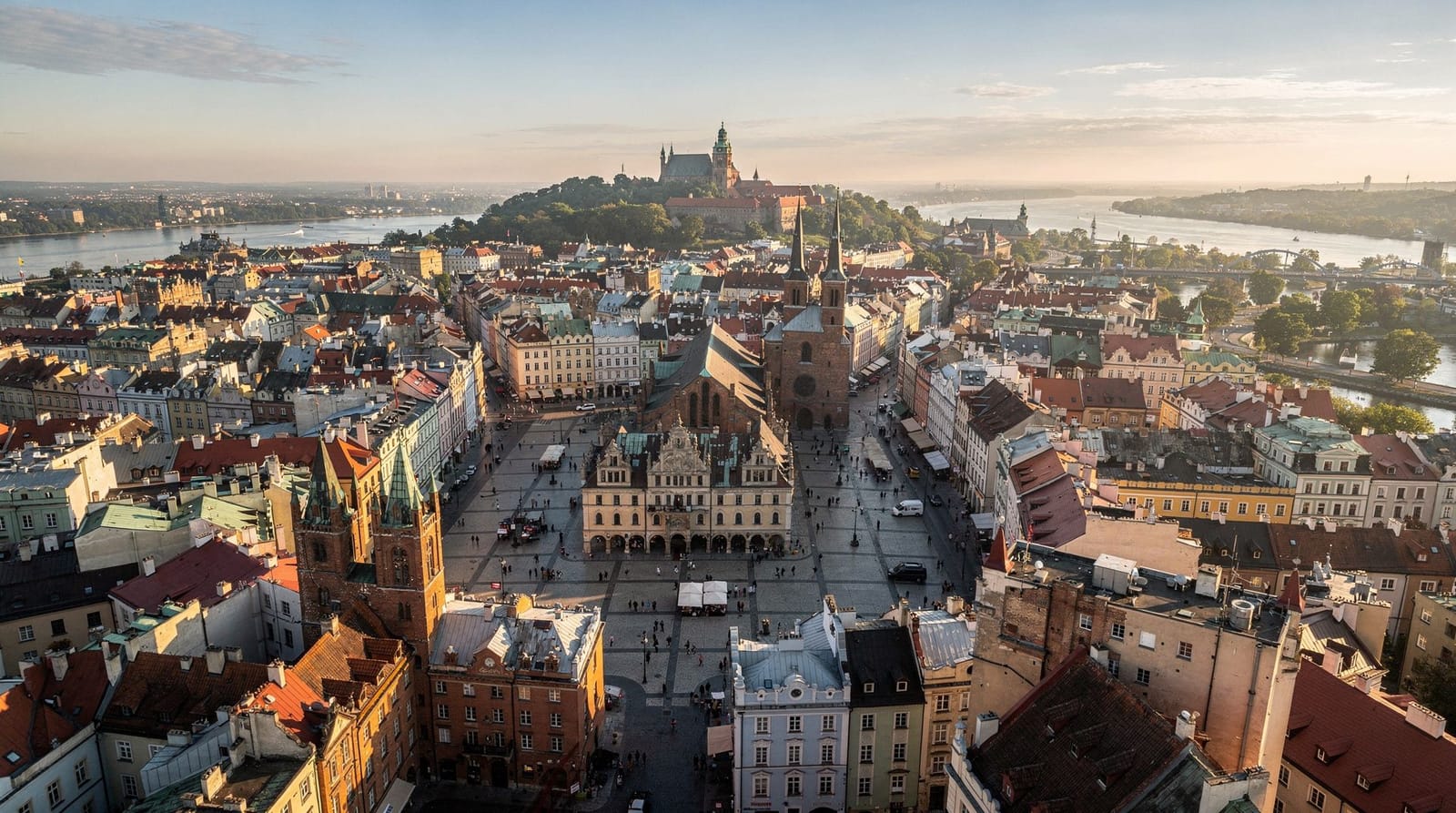
Podgórze sits directly across the Vistula from Kazimierz, connected by the Piłsudski and Powstańców Śląskich bridges. For most of its history it was a separate town (incorporated into Kraków only in 1915), and for decades after the war it remained the least visited part of the city. The opening of Schindler’s Factory as a museum in 2010 changed that. Today Podgórze is an essential part of any visit to Kraków that takes the city’s WWII history seriously.
| Where | Across the Vistula from Kazimierz, south bank |
| Cost | Schindler’s Factory 60 PLN; MOCAK 30 PLN |
| Time needed | Half day, 3–5 hours for the key sites |
| Getting there | 15-min walk or tram from Kazimierz; see the getting around Kraków guide |
| Best time | Mondays for free entry at Schindler’s Factory (expect queues), otherwise any weekday morning |
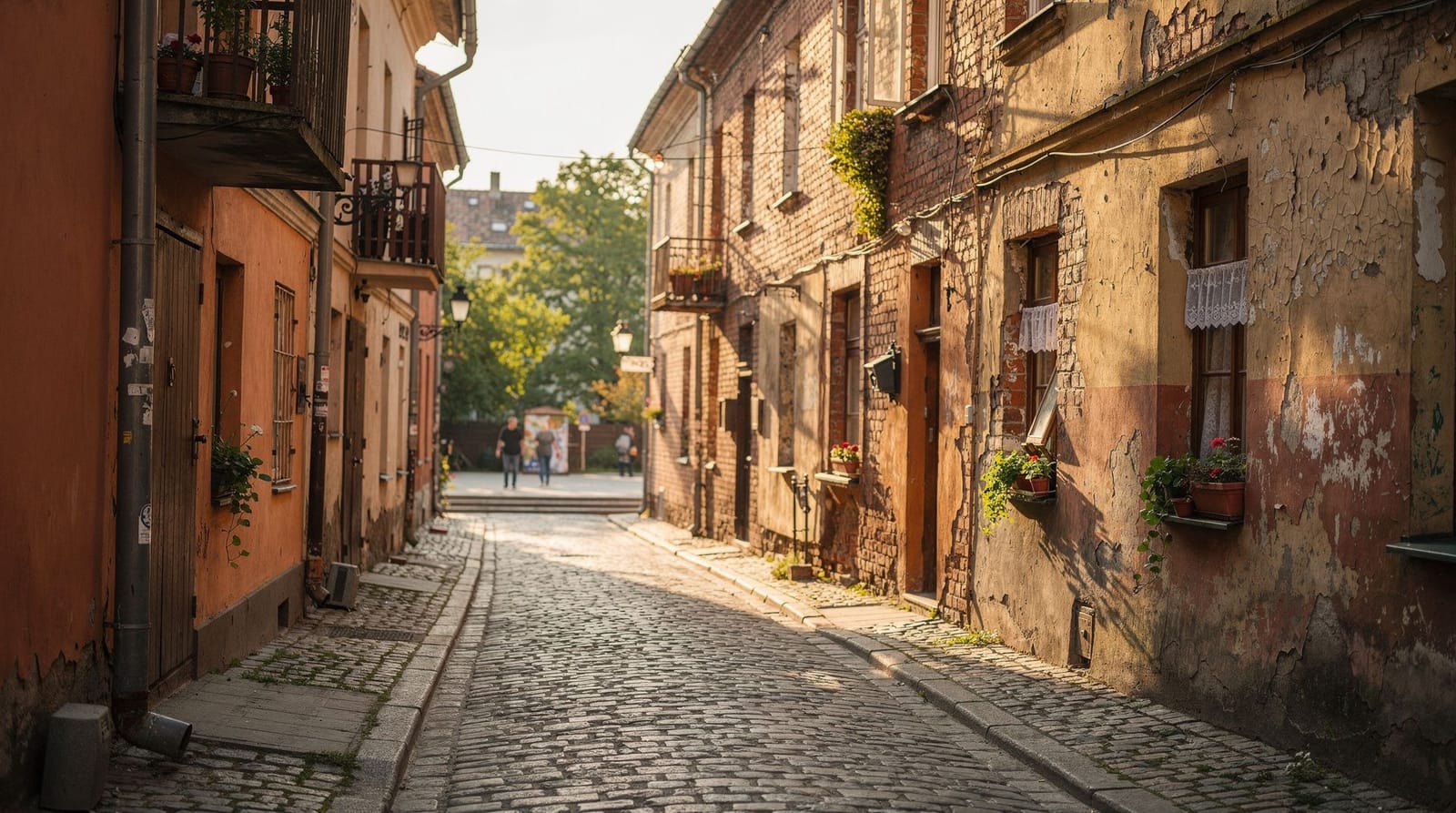
The neighbourhood is not grim. There are good restaurants, a thriving arts scene anchored by MOCAK, and the emerging galleries of the Zabłocie district nearby. But its primary significance is historical: this is where the Kraków Ghetto operated from 1941 to 1943, and where Oskar Schindler’s factory became a sanctuary for over 1,200 Jewish workers. For the fuller historical context before you go, the Kraków ghetto and Podgórze guide is worth reading in advance.
Schindler’s Factory Museum (Fabryka Schindlera)
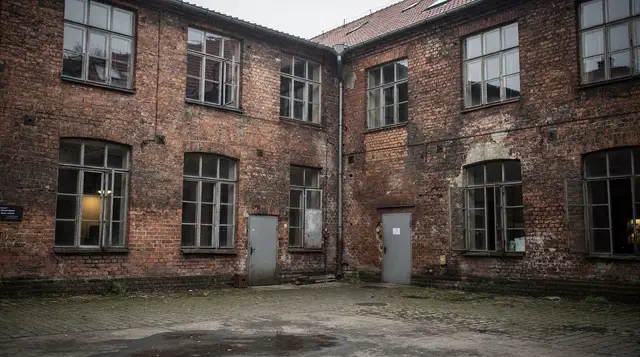
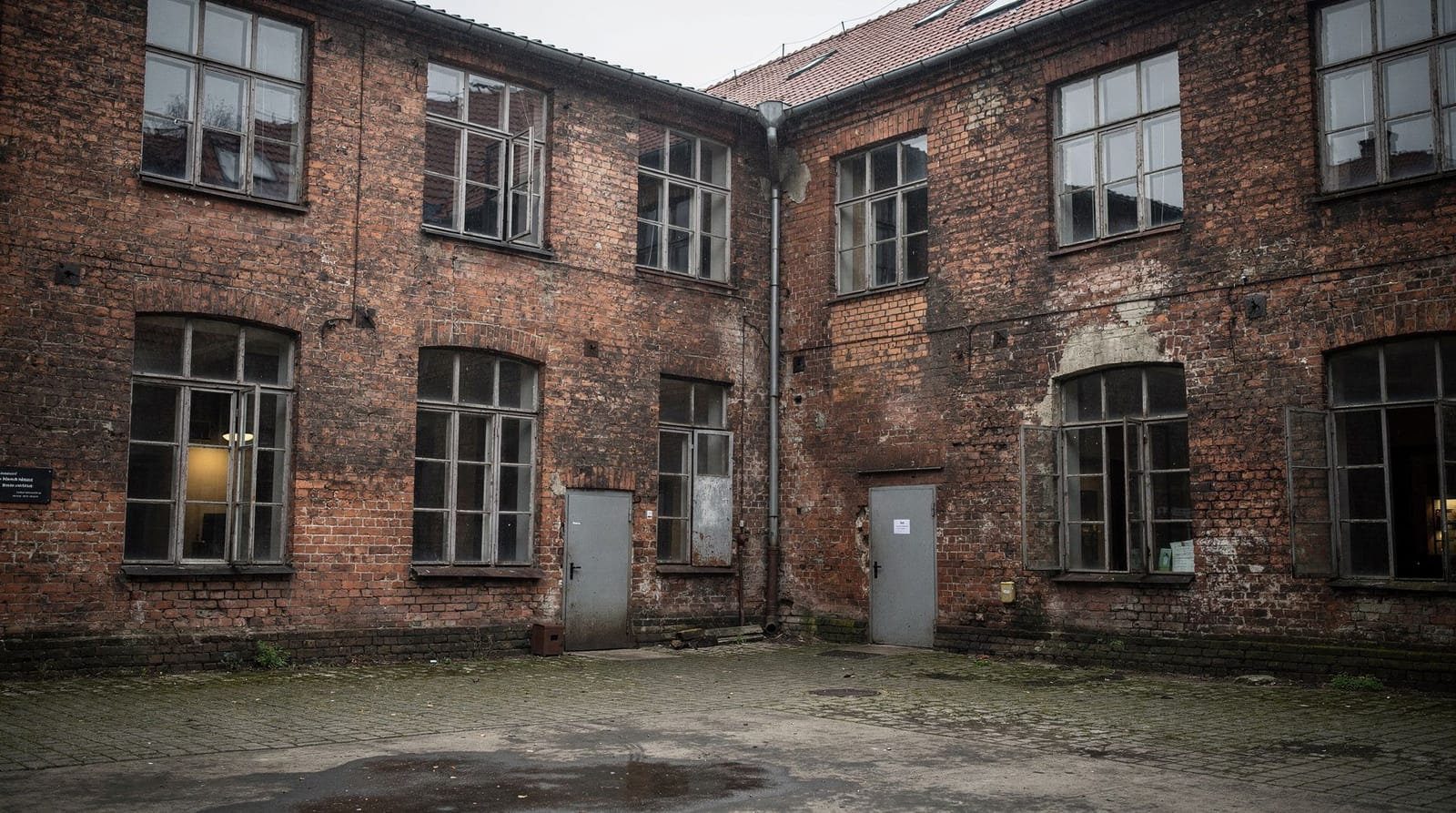
The Oskar Schindler Enamelware Factory at ul. Lipowa 4 is now a branch of the Historical Museum of Kraków. The permanent exhibition, “Kraków Under Nazi Occupation 1939–1945,” uses the factory’s original spaces to tell the story of the occupation — not only Schindler’s workers but the broader experience of Kraków’s Jewish and non-Jewish population under German rule.
The exhibition is exceptionally well produced. It uses original artefacts, reconstructed interiors, personal testimonies and multimedia presentations. The rooms include a recreation of a prewar Kraków street, an air-raid shelter, and the administrative offices where Schindler worked. It is not a feel-good story — the museum does not simplify the occupation or the choices people made under it.
Practicalities: Entry costs 60 PLN (≈ €14.30) for adults (reduced 45 PLN); free on Mondays (no booking that day, which means queues — plan accordingly). Timed-entry tickets are required and sell out, especially at weekends and in summer. Book online at least one week in advance. The museum is closed on the first Tuesday of each month. Allow 2.5–3 hours. The Schindler’s Factory Museum guide has a room-by-room breakdown if you want to plan your time inside.
The Schindler Factory Museum guided tour includes skip-the-line entry and a guide who can contextualise what the exhibition shows — worth considering if you want more than the museum labels provide.
Note on the film: The factory was used in Schindler’s List (1993). Spielberg filmed parts of the movie in Kazimierz and on location around Kraków; the factory itself was a working location. Several locations from the film are nearby (the Plaszów camp site is a 20-minute walk south).
Ghetto Heroes Square (Plac Bohaterów Getta)
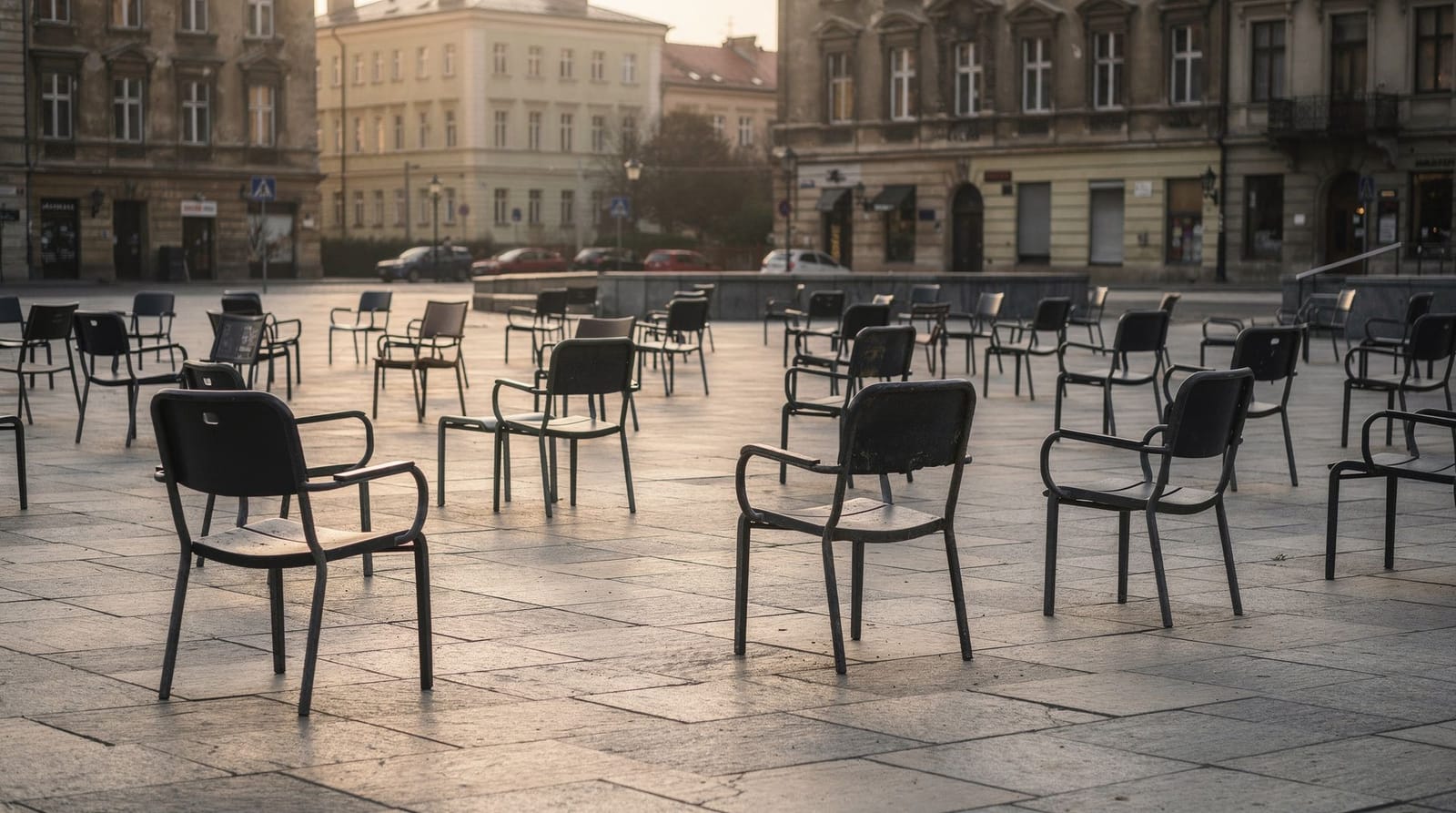
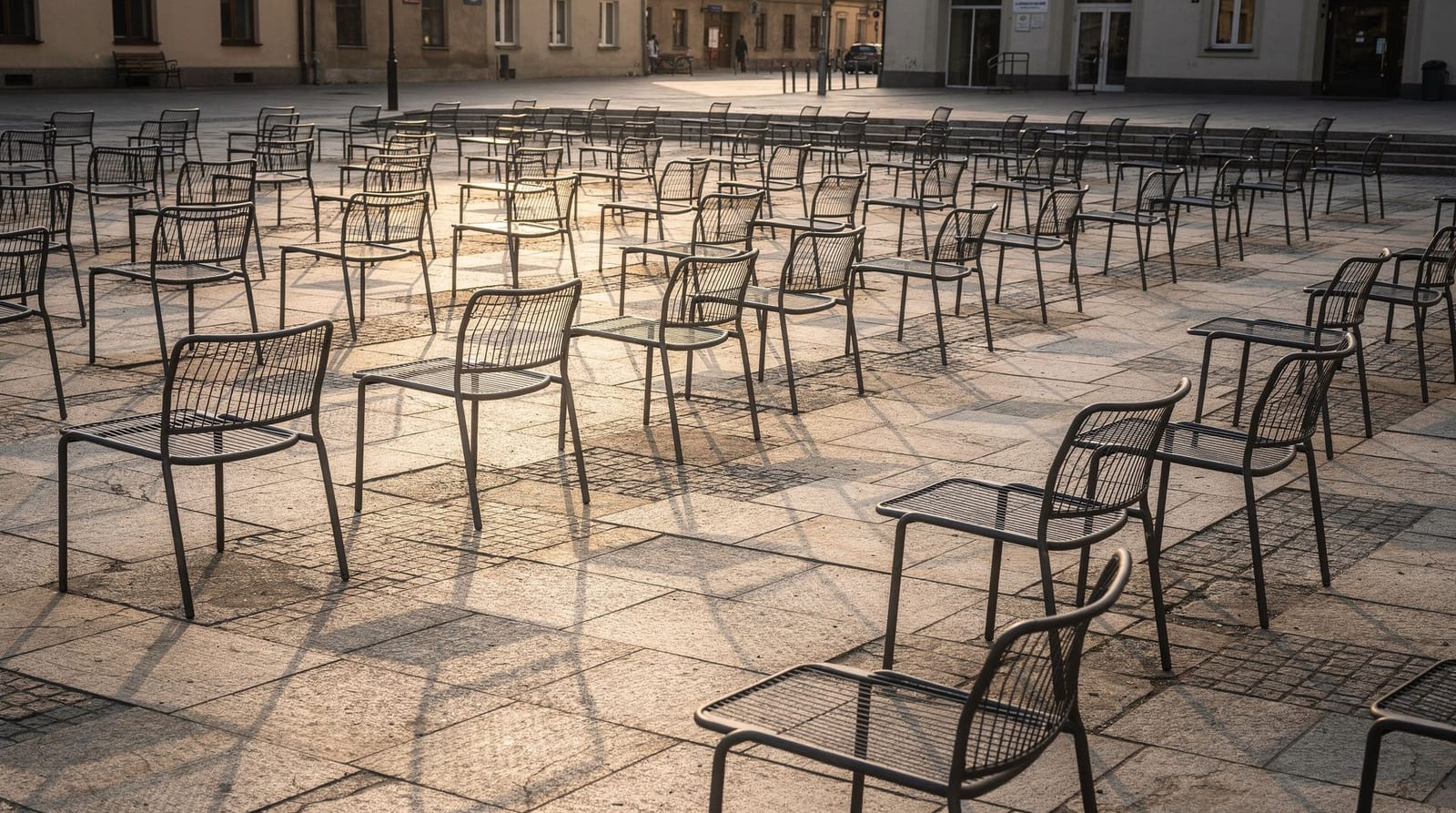
Ghetto Heroes Square was the central deportation point for the Kraków Ghetto. In 1942–1943, thousands of Jewish residents were assembled here before being transported to the Bełżec and Auschwitz-Birkenau extermination camps.
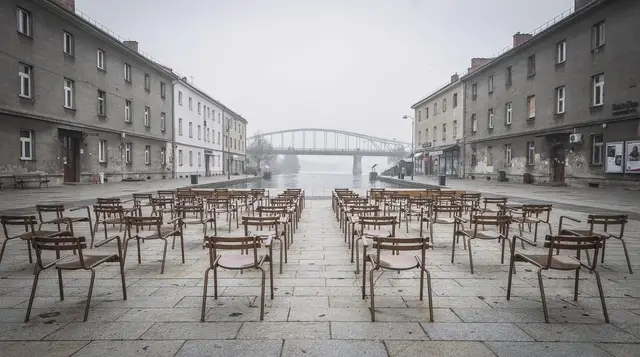
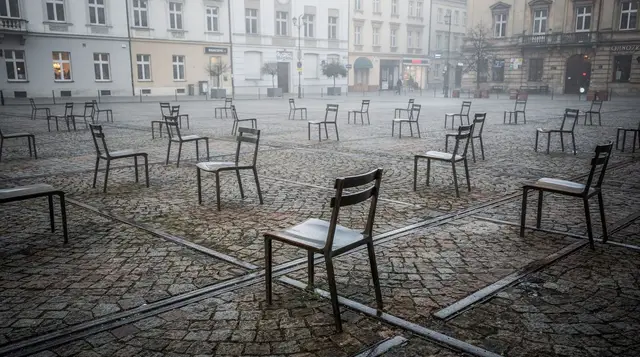
The memorial consists of 33 oversized metal chairs — a reference to the Jewish furniture dumped in the square during deportations, and a symbol of the absence of those who were killed. The chairs are scattered across the square rather than arranged in neat rows, which gives the memorial a quality of disorder and loss that is quietly effective.
The memorial is free to visit at all hours. It is 10 minutes’ walk from Schindler’s Factory along ul. Kącik. The Ghetto Heroes Square and Eagle Pharmacy guide goes into more depth on the deportations that took place here.
Eagle Pharmacy (Apteka pod Orłem)
At the corner of Plac Bohaterów Getta stands the Eagle Pharmacy, which remained in operation throughout the ghetto period under its Polish owner Tadeusz Pankiewicz — the only non-Jewish person to live inside the Kraków Ghetto. Pankiewicz used the pharmacy as a meeting place for the ghetto’s cultural and resistance activities, and provided medication and intelligence to residents.
The pharmacy is now a museum (entry 22 PLN / ≈ €5.20, free on Wednesdays) with an exhibition focused on Pankiewicz’s role and the daily life of the ghetto. Small but moving, and a useful complement to the more expansive Schindler’s Factory exhibition. Open Wednesday–Sunday only.
MOCAK — Museum of Contemporary Art in Kraków
MOCAK (ul. Lipowa 4, directly adjacent to Schindler’s Factory) opened in 2011 and is one of Poland’s most significant contemporary art institutions. The permanent collection focuses on post-1989 Polish and international contemporary art; changing exhibitions rotate regularly.
Entry is 30 PLN (≈ €7.10); free on Thursdays for the permanent collection. Open Tuesday–Sunday, 11:00–19:00. The building itself — designed by Italian architect Claudio Nardi — is architecturally significant. Allow 60–90 minutes.
The combination of MOCAK and Schindler’s Factory in the same complex (they share a courtyard) is unusual: contemporary art and historical documentation occupying the same building site. The juxtaposition is not accidental.
Cricoteka — Tadeusz Kantor Centre
Cricoteka (ul. Nadwiślańska 2–4, directly on the Vistula riverbank) is the archive and exhibition centre dedicated to Tadeusz Kantor, one of the most important theatre directors of the 20th century and founder of the Cricot 2 Theatre. The building is a striking piece of contemporary architecture (INGARDEN & EWÝ Architects, 2014), hovering on stilts over a 19th-century powerhouse. Entry to the permanent exhibition is 25 PLN (≈ €6); check current prices on the official Cricoteka website.
Kantor is not widely known outside Poland, but his theatrical work (particularly “The Dead Class” from 1975) influenced directors and designers across Europe. If you have any interest in experimental theatre or 20th-century Polish culture, Cricoteka is worth an hour.
The Płaszów camp site
The Kraków-Płaszów Concentration Camp, established in 1942, operated on the site of two Jewish cemeteries to the south of Podgórze. Today the site is an open-air memorial — a field with a few remaining camp structures and several memorial plaques. The large cross-shaped Soviet-era monument is the most visible landmark. Entry is free; the site is accessible by tram (lines 9, 11, 13 to Cmentarz Podgórski) or a 20-minute walk south from Schindler’s Factory.
The site features prominently in Schindler’s List (the scenes of the camp’s brutal commandant Amon Göth). It is an important historical site but lacks the interpretive infrastructure of Schindler’s Factory; visiting after the museum makes more sense than visiting independently without prior context.
How to combine Podgórze with Kazimierz
The natural combination for a half-day: morning in Kazimierz (Galicia Jewish Museum, Old Synagogue, Plac Nowy for lunch), then cross the river to Podgórze in the afternoon (Schindler’s Factory, Ghetto Heroes Square, Eagle Pharmacy). The walk between Plac Nowy and Schindler’s Factory takes about 20 minutes via the Piłsudski Bridge.
For a guided walk that covers both districts, the former Jewish Ghetto guided walking tour is the most focused option. The 2-hour WWII Ghetto walking tour is a more compact alternative if time is tight.
Podgórze and Kazimierz together tell the complete story of Jewish Kraków — the prewar community in Kazimierz, the wartime ghetto in Podgórze. The Auschwitz-Birkenau memorial adds the final chapter for those who want the full historical picture.
Getting to Podgórze
On foot: From Kazimierz, the Piłsudski Bridge (15-min walk) or Powstańców Śląskich Bridge connect directly to the Ghetto Heroes Square area. From the Old Town, allow 25–30 minutes.
Tram: Lines 3, 9, 11, 13, 24 from Kazimierz or the Old Town cross the river into Podgórze. Get off at Plac Bohaterów Getta or Korona for the main sites.
By bike: Kazimierz to Schindler’s Factory is a very pleasant 15-minute riverside cycle ride. Wavelo city bikes are available across the district.
Eating and drinking in Podgórze
Podgórze is not a restaurant neighbourhood by tradition, but that is changing. The area around ul. Lipowa and Zabłocie has an increasing number of independent cafés and lunch spots catering to the MOCAK crowd.
Camelot (ul. Lipowa) — casual café near the factory. Simple lunches, good coffee.
Na Zdrowie (ul. Kalwaryjska) — traditional Polish restaurant with a focus on local ingredients. Main courses 35–55 PLN (≈ €8–13). One of the more honest options in the neighbourhood.
For a better meal, return to Kazimierz — 15 minutes away and with a far larger selection.
Zabłocie — Podgórze’s emerging arts district
South of Schindler’s Factory, the Zabłocie neighbourhood (part of the broader Podgórze district) has been the site of Kraków’s quiet creative migration over the past decade. Former industrial buildings now house design studios, architecture offices, co-working spaces, and a small cluster of restaurants and bars that feel nothing like the tourist establishments of the Old Town.
The Zabłocie district connects seamlessly with MOCAK and Cricoteka — the area around ul. Lipowa and ul. Romanowicza is Kraków’s equivalent of Berlin’s Friedrichshain or Warsaw’s Praga. Not yet fully gentrified, not derelict. The walking infrastructure is good, and the Vistula cycle path runs along the riverbank.
Worthy of note: the cycle path from Wawel Castle south along the Vistula to Zabłocie is one of the best urban cycling routes in Kraków — 3 km of flat riverbank, with good views of the castle and the Dębniki bridge. Wavelo city bikes are available throughout.
Walking routes in Podgórze
The Memorial Walk (1.5–2 hours, approximately 3 km): Starting at the Piłsudski Bridge from Kazimierz, following ul. Limanowskiego to Ghetto Heroes Square, Eagle Pharmacy, Schindler’s Factory, and ending at MOCAK. This route traces the geography of the Kraków Ghetto in its main extent. Walking rather than taking transport matters here — the distance between sites is part of understanding the area’s compressed, confined character.
The Arts Walk (1 hour, approximately 2 km): Starting at MOCAK, following ul. Lipowa to Cricoteka, then along the Vistula to the Dębniki bridge. Best in the afternoon when the gallery and centre are open.
What changed after Schindler’s List
Before the early 1990s, Podgórze was largely unknown to international visitors and frequently overlooked by Kraków residents. Spielberg’s film (1993) and the subsequent international interest in the history of the Kraków Ghetto began a slow transformation. The opening of Schindler’s Factory Museum in 2010 accelerated it significantly.
The transformation is incomplete — most of Podgórze remains a residential neighbourhood with no particular tourism infrastructure — which is part of what makes it interesting. The contrast between the landmark museum and the surrounding ordinary streets is itself worth noticing.
Podgórze compared with Kazimierz
Visitors sometimes assume Kazimierz and Podgórze are interchangeable because both relate to Jewish Kraków, but they tell different chapters. Kazimierz is the centuries-old prewar Jewish quarter — synagogues, cemeteries, a lived-in neighbourhood that predates the war by hundreds of years and today has a busy café and nightlife scene layered on top. Podgórze is specifically the WWII ghetto district, quieter, more residential, and almost entirely about the 1941–1943 period. If you only have time for one, Kazimierz gives the broader picture of Jewish life in Kraków across centuries; Podgórze gives the harder, more concentrated story of the war years. Most visitors who care about the history do both, in the order described below.
Visiting with older children or teenagers
Schindler’s Factory and Ghetto Heroes Square are appropriate for teenagers and are frequently visited by school groups, but the content is heavy — deportation, persecution, the mechanics of the ghetto’s liquidation. It is not designed for younger children, and the museum itself recommends the exhibition for ages 14 and up. If you are travelling with a mixed-age family, consider splitting the group: adults and older teens visit Podgórze while younger children spend the time in Kazimierz’s Plac Nowy or across the river in the Old Town.
Frequently asked questions about Podgórze
Do I need to book Schindler’s Factory Museum in advance?
Yes, strongly recommended. The museum has timed-entry tickets that sell out regularly, especially at weekends and throughout summer. Book online at the museum’s official site or through a tour provider. Without pre-booking, you may arrive to find no slots available that day. Monday entry is free, which means it is the most crowded day, and no booking is possible that day.
How long should I allow for Schindler’s Factory?
At least 2.5 hours; 3 hours is more comfortable. The exhibition is dense and rewards slow reading. Rushing through in 90 minutes is possible but you will miss the depth that makes it one of the best WWII museums in Poland.
Is Podgórze safe?
Yes, completely. It is a quiet residential neighbourhood in transition — not glamorous, not threatening. Standard city awareness applies as anywhere.
Can I visit Podgórze without a car?
Easily. The entire area is walkable once you cross the river (on foot via the bridge or by tram). Schindler’s Factory, MOCAK, Ghetto Heroes Square and the Eagle Pharmacy are all within a 10-minute walk of each other.
How does a Podgórze visit fit around Auschwitz-Birkenau?
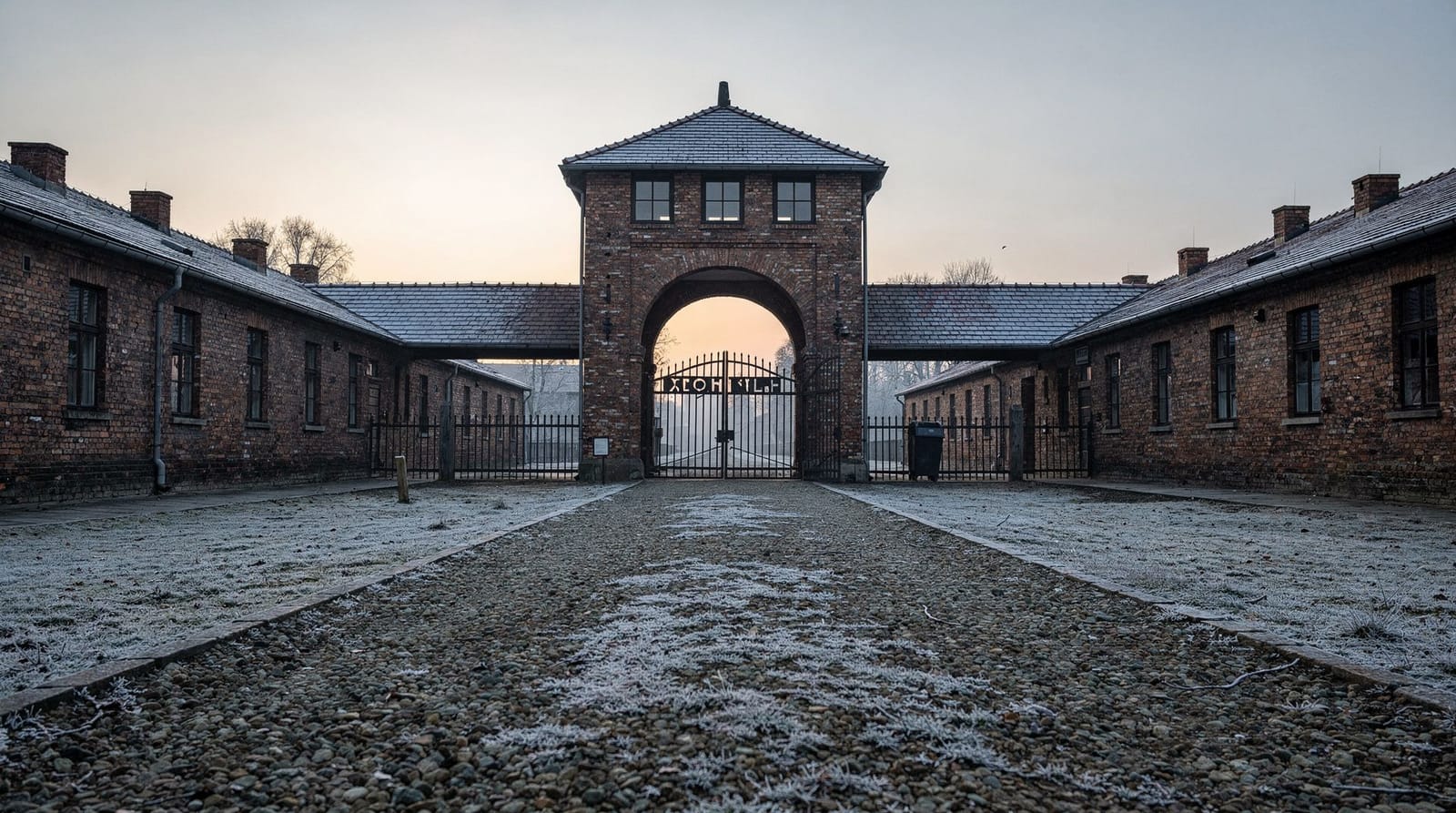
Many visitors treat Podgórze and Auschwitz-Birkenau as two parts of the same historical thread — the ghetto and factory in the city, the camp an hour and a half away. They are usually visited on separate days given the emotional weight and travel time involved; trying to combine them in one day is possible but intense. Doing Podgórze first, in the city, gives useful context before the longer trip out to Auschwitz.
Is there a guided tour that covers both Kazimierz and Podgórze?
Yes. The former Jewish Ghetto guided walking tour and the 2-hour WWII Ghetto walking tour both link the two districts, following the historical route from the prewar Jewish quarter to the wartime ghetto. This is the most efficient way to understand the geography if you are short on time.
Top experiences
Bookable activities with verified prices and instant confirmation on GetYourGuide.