Czartoryski Museum and Lady with an Ermine: visitor guide
Krakow: Czartoryski Museum entry ticket (Lady with an Ermine)
Can you see Lady with an Ermine without booking in advance?
In theory yes, but in practice the Czartoryski Museum sells out on summer mornings within an hour of opening. Book online at least 48 hours ahead from April through October. Winter visits are much easier to walk into. The painting is on permanent display and closed only during occasional conservation work.
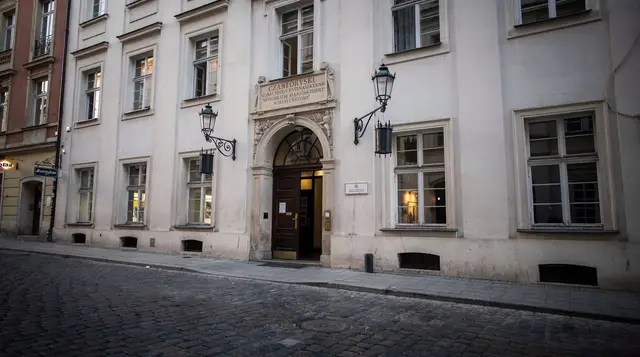
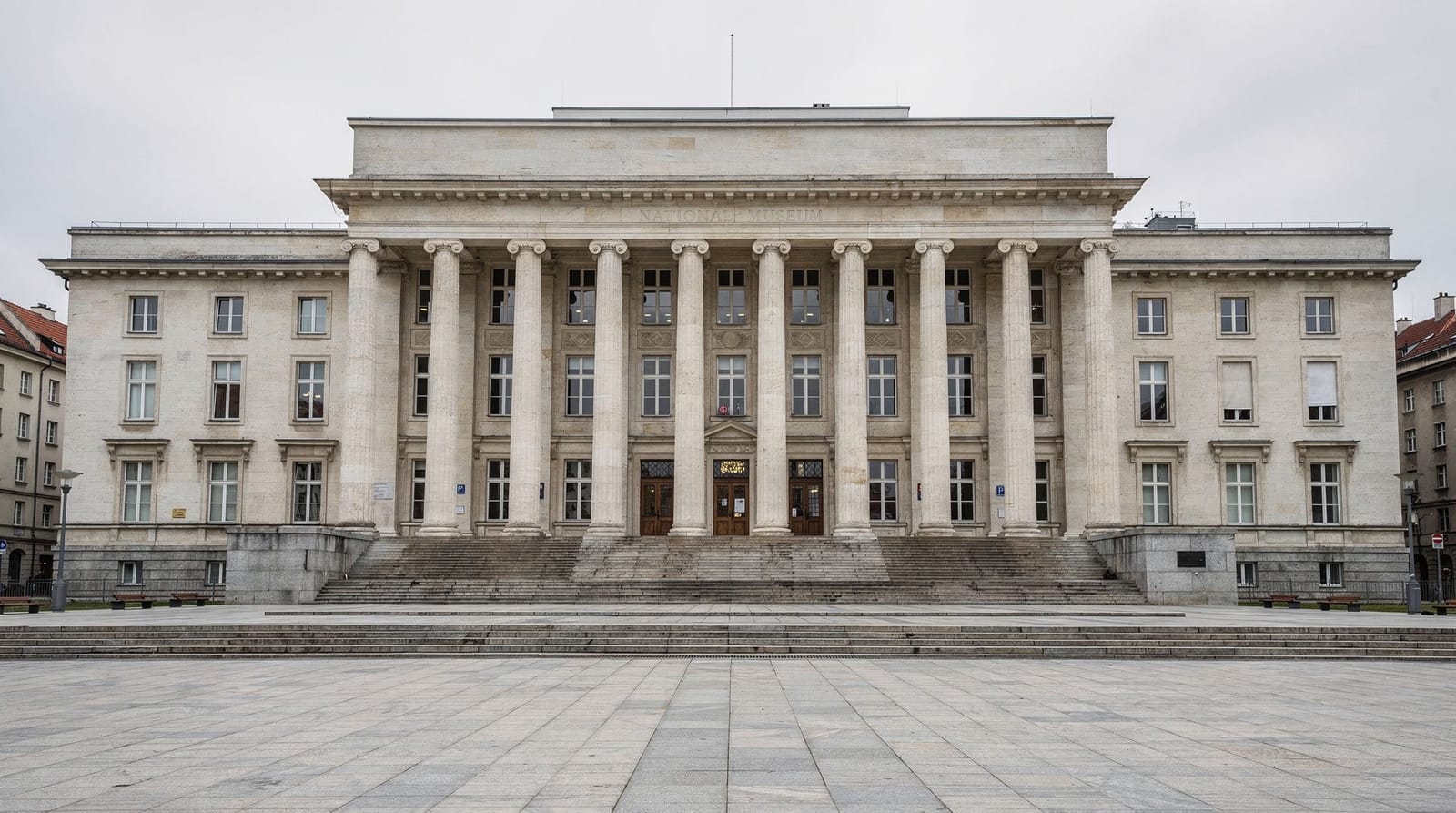
| Where | Ul. Świętego Jana 19, 5 min north of the Rynek |
| Cost | 65 PLN adult, 50 PLN reduced, free on Tuesdays |
| Time needed | 90 min highlights; 2–2.5 hrs full visit |
| Getting there | Short walk from Rynek Główny or 12 min from Kraków Główny |
| Best time | Book 48+ hrs ahead April–October; winter is easy walk-in |
Why this matters: one of the world’s greatest paintings in a small Kraków museum
In the gallery of the Princes Czartoryski Museum in Kraków hangs Dama z gronostajem — Lady with an Ermine — painted by Leonardo da Vinci around 1489–1490. It is one of only four surviving paintings by Leonardo in the world, and arguably the most accessible of the four. The Mona Lisa is half-obscured behind bulletproof glass in a crowd of hundreds. The Lady with an Ermine hangs at eye level, on a wall in a room you can walk into with no more than a modest queue.
That sentence, when you think about it, is extraordinary. A Leonardo. In Kraków.
The painting arrived in Poland in 1800, acquired by Prince Adam Jerzy Czartoryski as part of his family’s policy of building a Polish national collection. It survived two world wars, Nazi theft (it spent much of the occupation in Hans Frank’s residence at Wawel Castle), Soviet occupation, and communist expropriation before being restituted to the Czartoryski Foundation in 2016 and returned to the museum, which reopened after extensive renovation in 2019.
About the painting
The subject is Cecilia Gallerani, a young woman from Milan who was the mistress of Ludovico Sforza, Duke of Milan — the same Ludovico who employed Leonardo. She is shown with a white ermine (or possibly a stoat in winter coat) held against her arm.
What makes the painting so remarkable is its modernity. Leonardo abandons the profile convention that dominated Italian portraiture before him and shows Cecilia in three-quarter view, turning towards an unseen presence. Her eyes look slightly to her left, giving the impression that someone has just entered the room. The ermine echoes her turn. The psychological presence — the sense of a mind at work behind the eyes — anticipates portraiture that would not become standard for another century.
Leonardo painted it in tempera on walnut panel. The dimensions are modest: 54 by 39 centimetres. Standing in front of it, the scale surprises; it is intimate rather than monumental.
The rest of the Czartoryski collection
The museum at ul. Świętego Jana 19 contains far more than the Leonardo. The Czartoryski family assembled one of Poland’s most significant private collections across the 18th and 19th centuries, and while political upheavals scattered parts of it, what remains is impressive.
Rembrandt’s Landscape with the Good Samaritan (1638): this large-format oil is a masterpiece of the Dutch Golden Age. It hangs in the same permanent collection as the Leonardo and receives a fraction of the attention, which means you can spend as long as you like in front of it.
Ancient artefacts: the ground floor houses an extensive collection of Greek, Etruscan and Roman objects — ceramics, sculpture, armour — assembled when such collecting was fashionable among European aristocracy. The quality is high.
Decorative arts and armaments: the upper floors contain medieval and Renaissance armour, weapons, tapestries and furniture. The collection reflects both the family’s military history and its role as patrons of Polish culture.
Polish historical memorabilia: items connected to Polish national history, including objects from the Battle of Vienna (1683), where the Polish king Jan III Sobieski led the relief force.
A typical visit — Leonardo plus the Rembrandt, a sweep through the ancient collection, and one floor of armaments — takes 90 minutes to 2 hours.
Tickets and booking
Standard adult entry is 65 PLN (≈ €15.50), reduced 50 PLN (≈ €12), family ticket 130 PLN. Children under 7 enter free. Entry is free on Tuesdays (a timed ticket must be collected on the day).
Timed-entry tickets are purchased at czartoryski.mnk.pl (the National Museum in Kraków system — the Czartoryski is a branch). You can also buy at the museum’s ticket desk on the day, but expect waits of 30–60 minutes in peak season.
The most stress-free option is a skip-the-line entry ticket for the Czartoryski Museum, which lets you bypass the queue and go straight to the Leonardo. For those who want to understand the art in depth, a guided art tour of the Da Vinci and Czartoryski collection provides expert context that the wall panels alone cannot supply.
Opening hours and seasonal considerations
The museum is open Tuesday to Sunday, 10:00–18:00. Closed Mondays. Check last-entry times on the official website of the National Museum in Kraków (mnk.pl).
Key closure: the museum closes for one week each year in January for maintenance. Check czartoryski.mnk.pl before visiting in mid-January.
Leonardo conservation loans: the painting has left Kraków on two occasions for conservation or exhibition elsewhere. These absences are announced well in advance. At time of writing (May 2026) it is on permanent display. If you are travelling specifically to see the painting, check the museum’s news section within a week of your visit.
Getting there
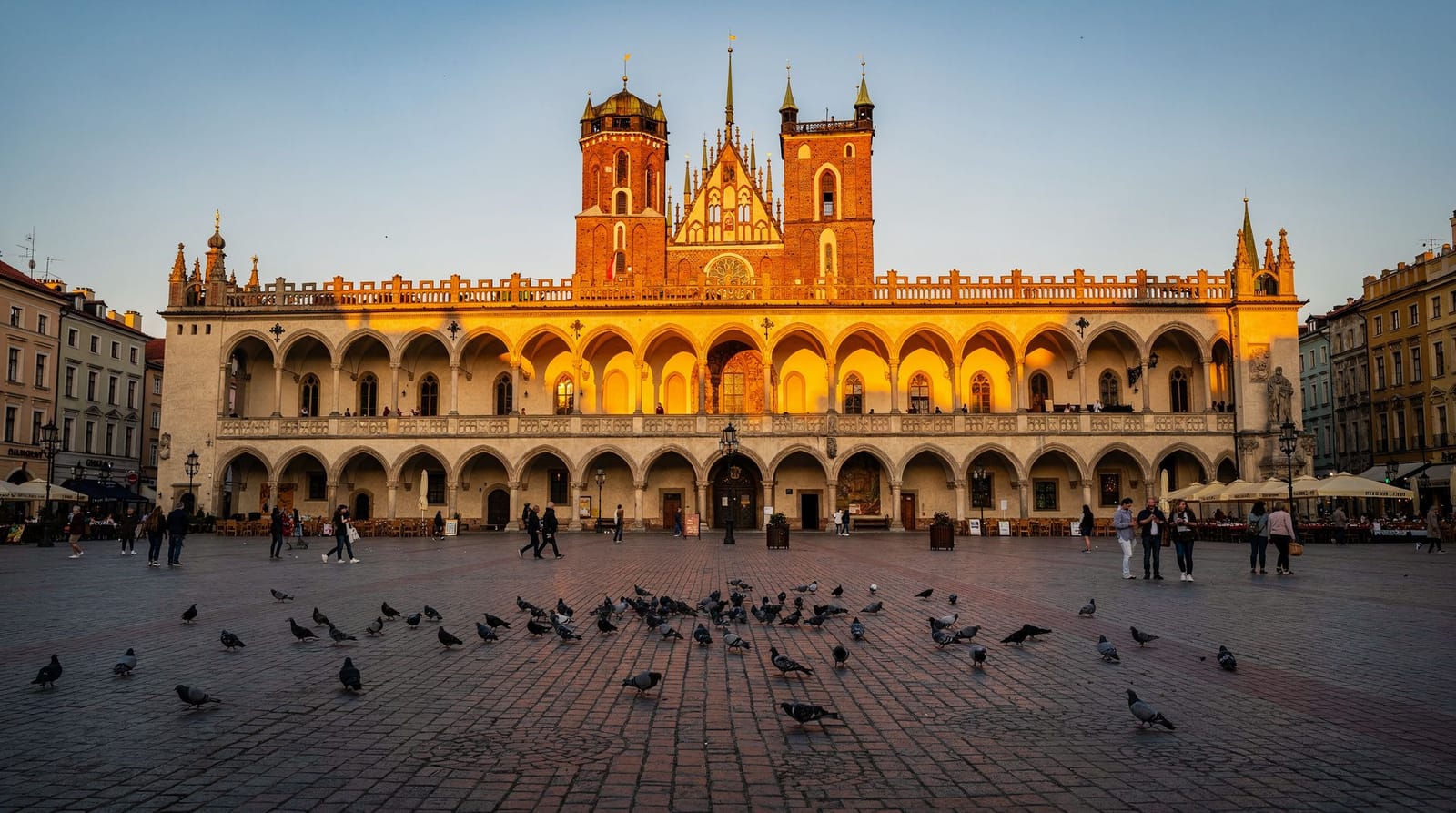
The museum is at ul. Świętego Jana 19, a 5-minute walk north of the Rynek Główny. From the main square, walk past the front of St. Mary’s Basilica (the two-towered brick Gothic church at the northeast corner of the square) and continue north up ul. Floriańska, then turn left on ul. Świętego Jana. The museum entrance is on the right.
From the main train station (Kraków Główny), the walk through the Planty (the ring of parkland surrounding the Old Town) takes about 12 minutes.
Visiting with children
The Leonardo is engaging for older children (8+) who can appreciate the explanation of why a five-century-old painting is still considered remarkable. Younger children tend to find the ancient artefacts — particularly the armour and weaponry — more immediately gripping. The Rembrandt and the decorative arts collections hold reasonable child interest.
A family visit of 90 minutes is realistic. There is no dedicated children’s programme, but the museum is not prohibitively text-heavy.
Combining with other Old Town museums
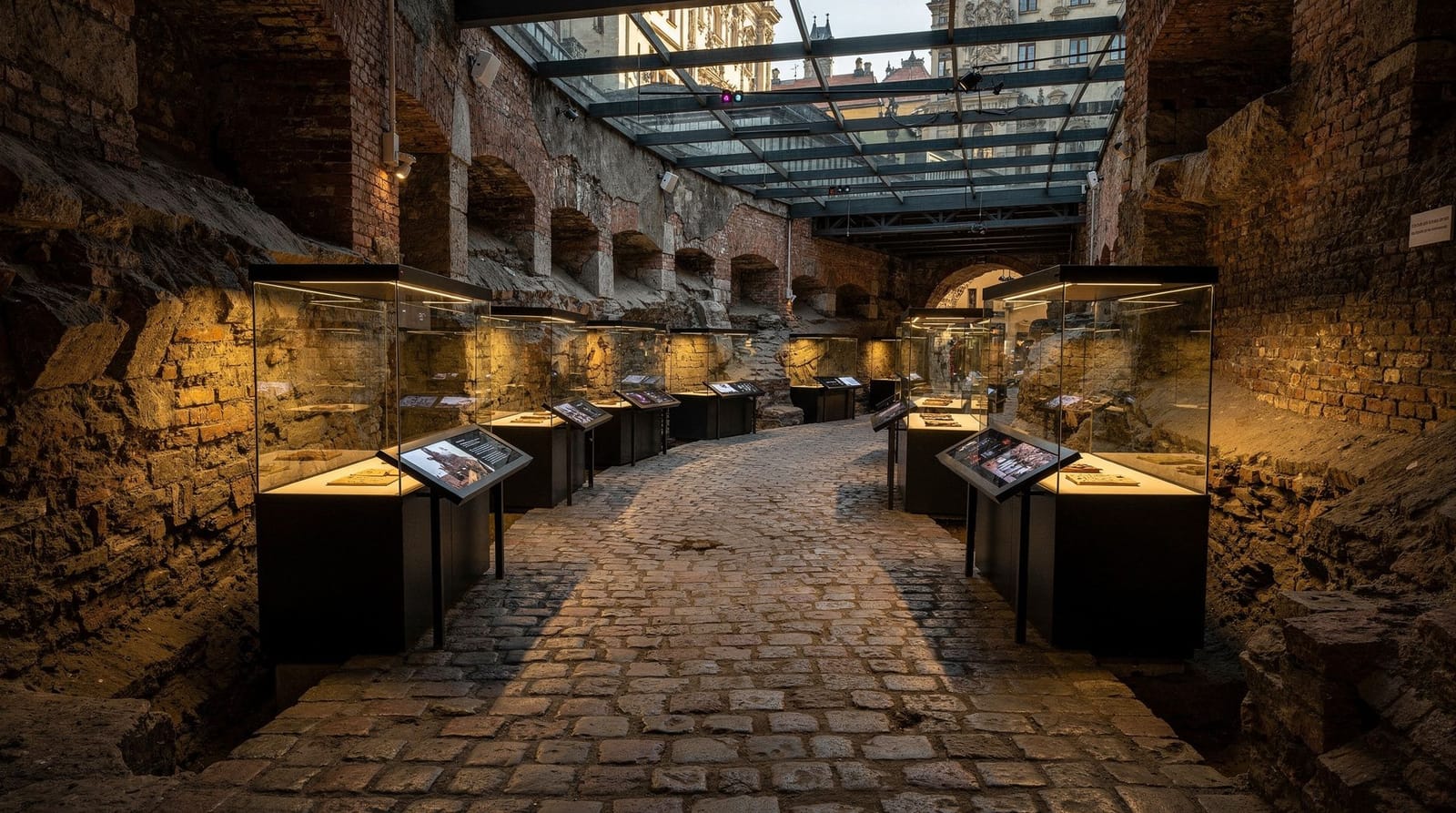
The Czartoryski is a natural companion to the Rynek Underground Museum — the two together, starting underground at 10:00 and moving to the Czartoryski from 12:00, fill a very satisfying morning. Both are within the pedestrianised Old Town.
For a full day of Kraków museums, add the Sukiennice Gallery (part of the National Museum in Kraków, directly on the Rynek) in the afternoon. The Archdiocesan Museum on ul. Kanonicza near Wawel is another compact but excellent stop.
Museum enthusiasts planning multiple visits should compare whether the Kraków Museum Pass offers value — the Czartoryski is one of the National Museum branches included.
Best time of day to go
Even with a timed ticket, the first hour after opening (10:00–11:00) draws the heaviest concentration of visitors specifically for the Leonardo — tour groups often schedule it as their first stop of the day. If your ticket window allows flexibility, a slot from 15:00 onward tends to be calmer, and the last hour or two before closing is often the quietest time to actually stand in front of the painting without a crowd forming behind you. If you’re not on a guided tour, there’s no rule requiring you to move quickly — spend the extra minutes you’ve earned by timing your visit well.
What to see if you only have 30 minutes
If your schedule is genuinely tight, prioritise in this order: the Leonardo, the Rembrandt landscape (in the same gallery, chronically under-visited), and a quick pass through the ground-floor ancient collection on your way out. Skip the upper-floor armaments and decorative arts entirely — they’re excellent but not essential on a rushed visit, and are the section most easily added back on a return trip. The Kraków Museum Pass guide is worth checking before you commit to a single rushed visit, in case a broader multi-museum day makes more sense for your itinerary.
Looking at the painting properly
Most visitors spend a few seconds on the Leonardo before taking a photograph and moving on. It repays a slower approach. Start from a few steps back and take in the whole composition: the turn of the body, the dark background, the way the ermine seems to carry the same tension as the sitter. Then step closer and follow the hands, the fur and the eyes. The details are what separate a famous painting from one you actually remember.
It also helps to know why the ermine is there at all. Animals in Renaissance portraits are rarely accidental, and the ermine carried associations of purity and of courtly prestige, which suited a sitter attached to the Milanese court. Reading the picture as a piece of court communication, and not only as a portrait, makes the room more interesting.
The painting and Poland’s wartime story
The Leonardo is inseparable from the history of the country that kept it. Its years in Nazi hands are part of the wider story told in Kraków under Nazi occupation and in the WWII Kraków guide. The Czartoryski family’s collecting, and the way it was scattered and rebuilt, belongs to the longer arc covered in Polish history for visitors. Reading either before you go gives the painting a context that no wall label can match.
Because the painting passed through the hands of the occupying authorities at Wawel, a visit pairs naturally with the Wawel Castle guide and the Wawel royal history overview, which explain the hill where it was once held.
Building a day around the museum
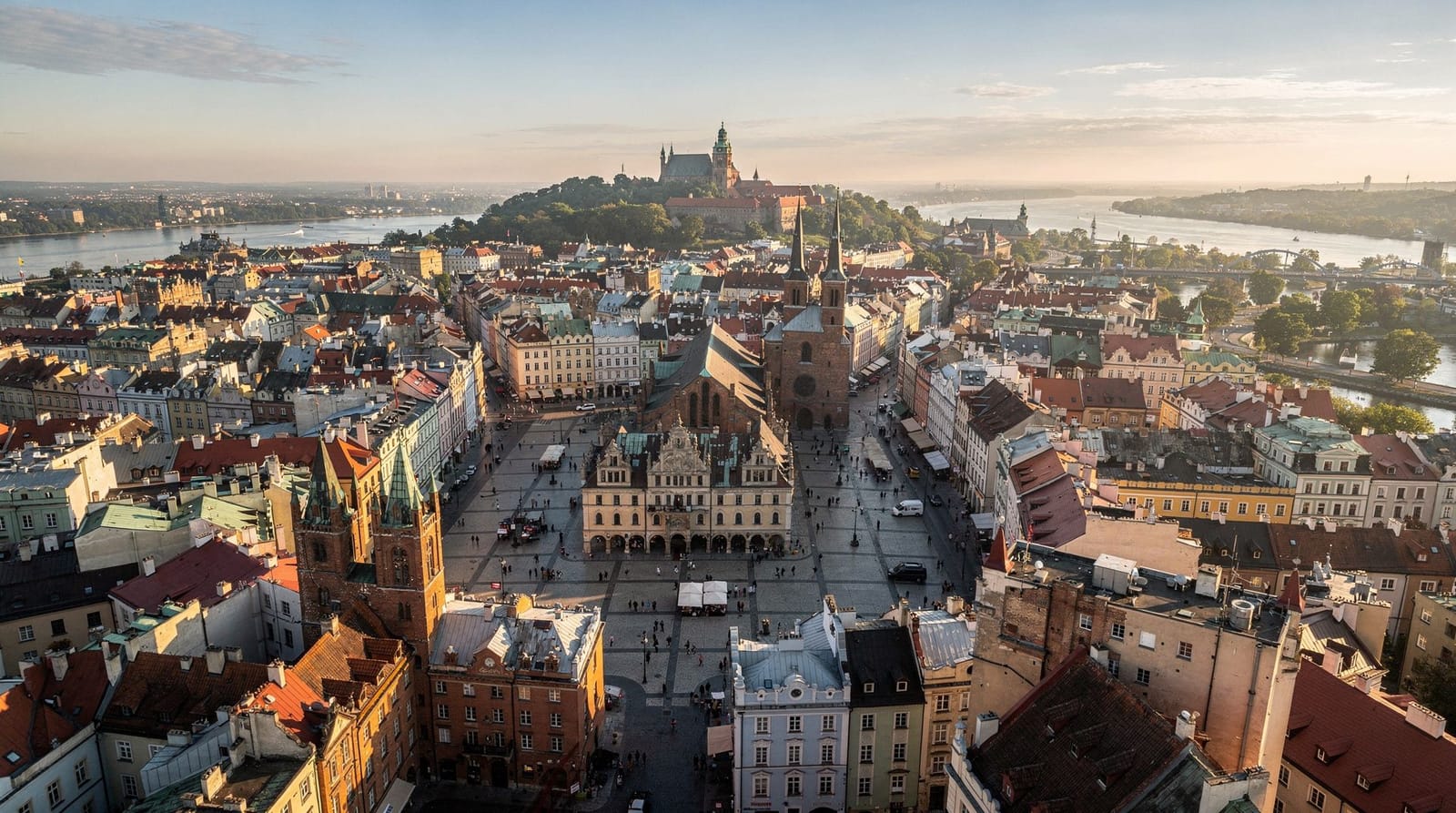
The museum sits comfortably inside a classic Old Town loop. Walk in from the Rynek Główny, pass St. Mary’s Basilica, and finish with a stroll along the Royal Route toward Wawel. If you prefer a guided overview first, the Old Town walking tour guide helps you place the museum on the map before you go inside.
On a first trip, the museum is a strong anchor for a single day: see the Kraków 1-day itinerary for how it can fit alongside the main square and Wawel. Travellers unsure how much time to allow overall can consult how many days in Kraków, and anyone arriving for the first time will find Kraków for first-timers a useful companion. For a wider comparison of what else is worth your hours, see the best museums in Kraków.
A calm break after the galleries
After the museum, the easiest reset is a slow walk through the Planty park, which wraps around the Old Town and gives you time to digest what you have just seen. If you are travelling as a family, the Kraków with kids guide suggests how to balance a gallery morning with something more active in the afternoon.
Frequently asked questions about visiting the Czartoryski Museum
Is Lady with an Ermine worth a dedicated trip to Kraków?
Honestly, yes — if you have any interest in Renaissance painting. The combination of the painting’s importance, its intimate scale, and the relative accessibility compared to the Louvre or the Uffizi makes this one of European culture tourism’s genuinely underrated experiences. The museum surrounding it is also excellent, making the visit worthwhile even beyond the single painting.
Can you take photographs of Lady with an Ermine?
Photography without flash is permitted throughout the museum, including in front of the Leonardo. You are allowed to take your time; there is no rule requiring you to move on after a set period.
How long should I plan for the whole museum?
90 minutes is comfortable for the highlights (Leonardo, Rembrandt, ancient collection, one floor of armaments). Allow 2–2.5 hours if you want to read the panels and explore the decorative arts floors more carefully.
Is there a café or restaurant in the museum?
Yes — the ground floor has a café. It is functional rather than destination-worthy, but useful for a coffee break between floors.
What is the difference between the Czartoryski Museum and the National Museum in Kraków?
The Czartoryski Museum is technically a branch of the National Museum in Kraków (Muzeum Narodowe w Krakowie — MNK), which manages five buildings across the city. The main building of the National Museum is on Al. 3 Maja; the Czartoryski is the branch containing the greatest internationally recognised masterpieces.
Has the painting ever been outside Poland?
It left Poland twice in the 20th century under exceptional circumstances — most notably during WWII occupation — and twice in the 21st century for conservation. It has otherwise been on continuous display in Kraków since its acquisition in 1800. The Polish state is understandably cautious about future loans.
Top experiences
Bookable activities with verified prices and instant confirmation on GetYourGuide.