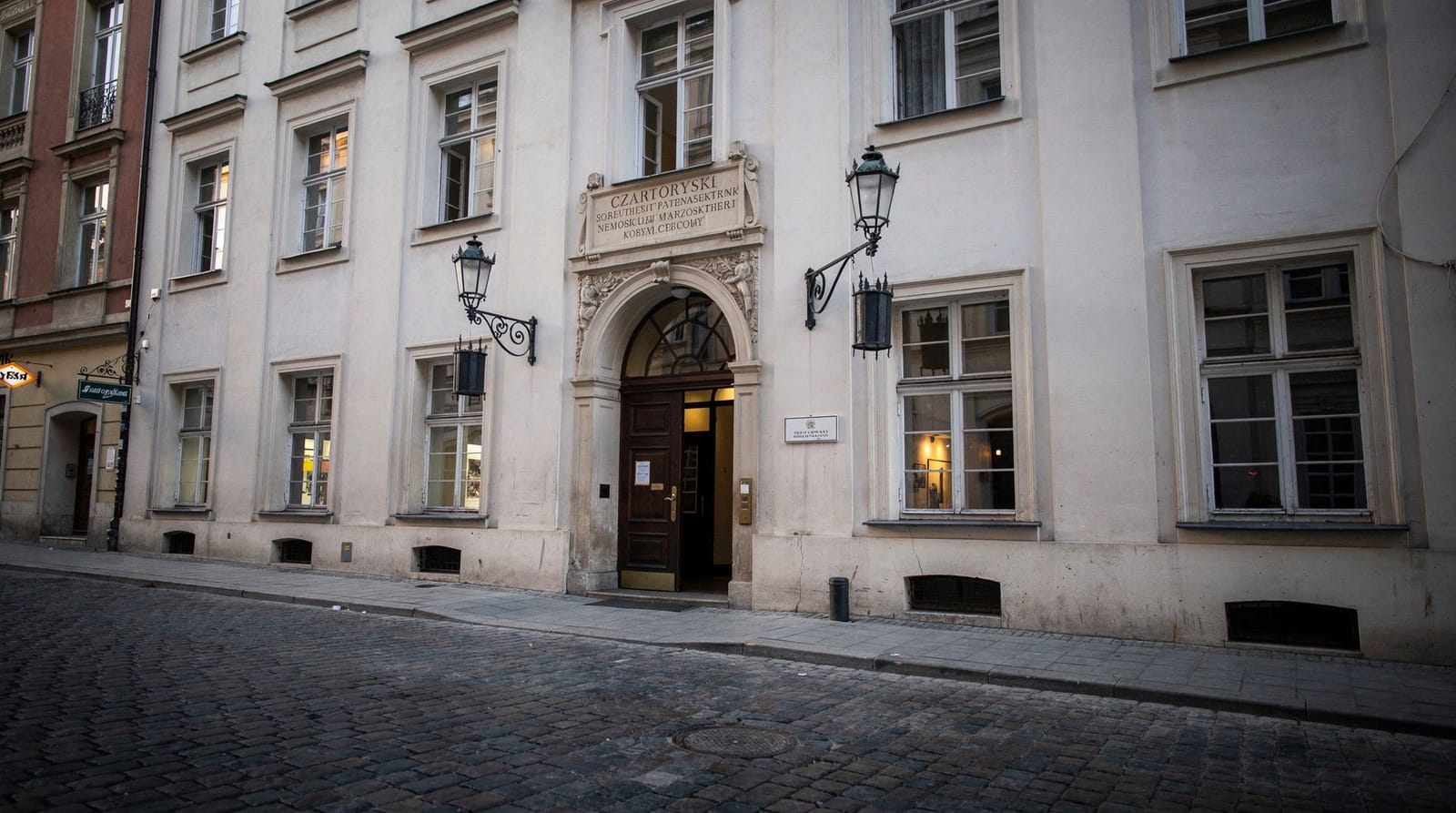
Archdiocesan Museum Kraków: sacred art and John Paul II connection
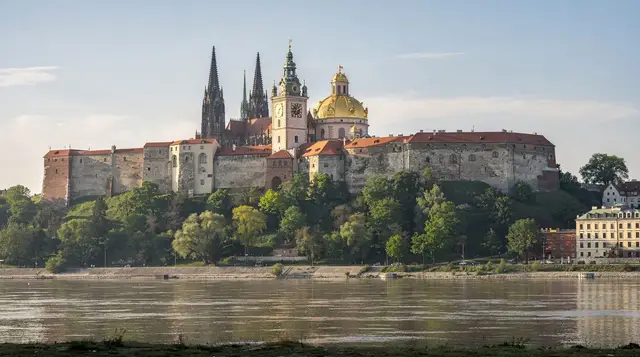
Krakow: Wawel Castle skip-the-line guided tour
Duration: 2h
What is the Archdiocesan Museum in Kraków known for?
It houses one of the finest collections of medieval sacred art in Poland, including Gothic polychrome sculptures and altar panels, plus the preserved rooms where Karol Wojtyła (later Pope John Paul II) lived as a young priest and bishop in the 1950s and 60s. Entry is inexpensive and the building itself — a 14th-century Kanonicza townhouse — is outstanding.
An underrated gem on the most beautiful street in Kraków
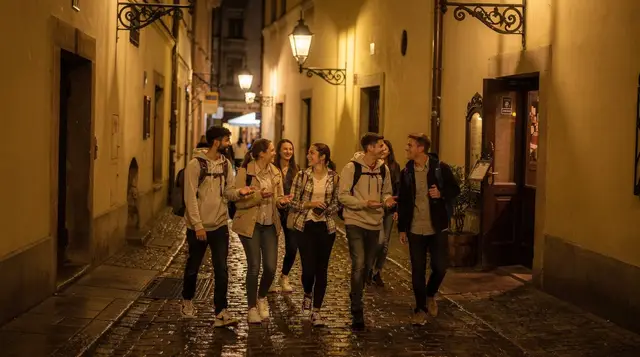
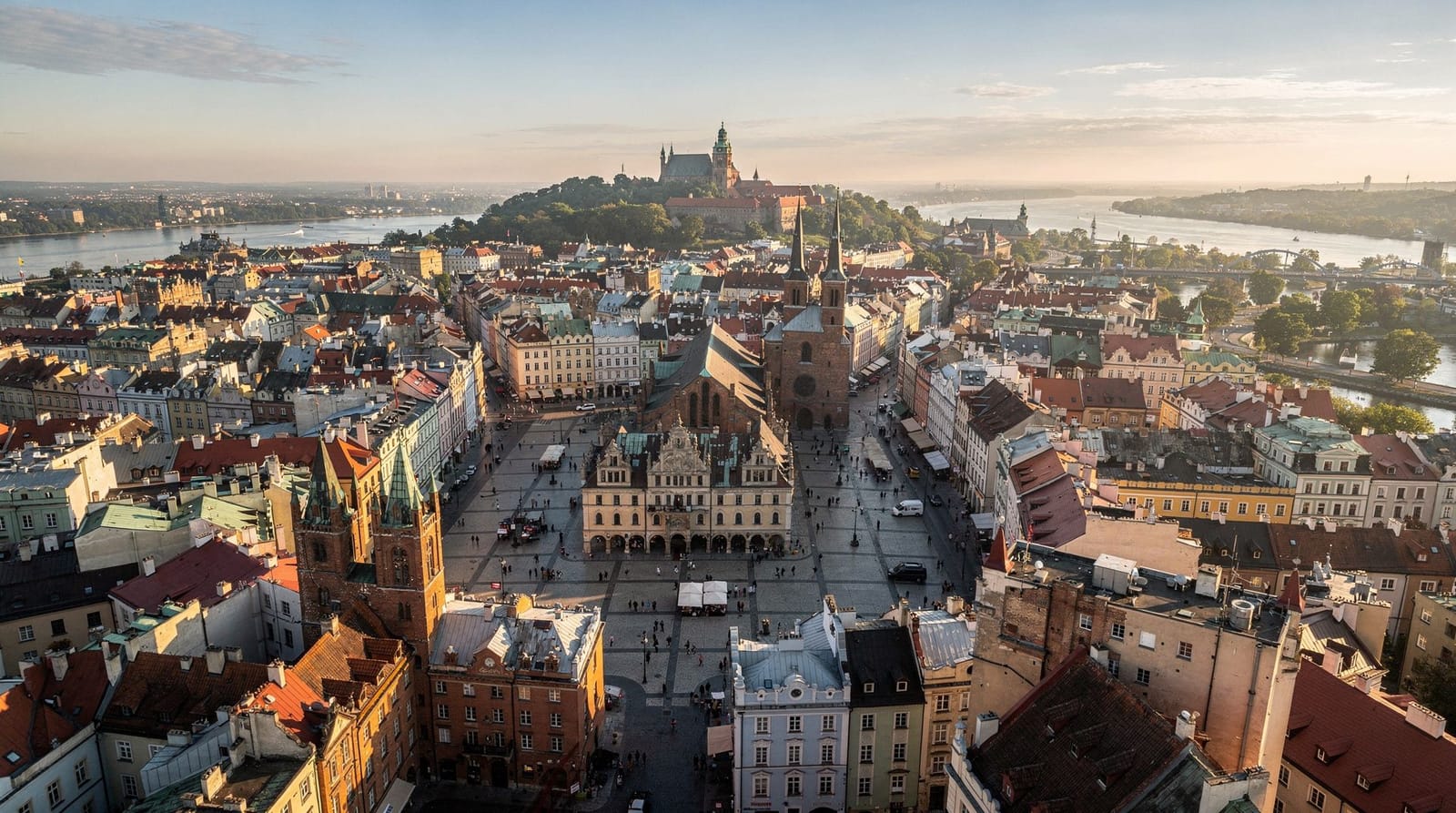
Ulica Kanonicza — the street connecting Wawel Hill to the Old Town — is sometimes called the most beautiful street in Kraków, and it is a persuasive claim. The entire street is a continuity of medieval and Renaissance townhouses, largely intact despite the upheavals of the 20th century. The houses were originally the residences of cathedral canons — the clergymen who served Wawel Cathedral — which explains the street’s name (kanonik = canon) and its architectural coherence.
Number 19 is the Archdiocesan Museum (Muzeum Archidiecezjalne). Even among the excellent museums of Kraków’s Old Town, it is undervisited — partly because it is privately managed by the Kraków Archdiocese, partly because it does not feature in the main museum pass portfolios. This is a shame. The collection is exceptional and the building extraordinary.
| Where | ul. Kanonicza 19, between Rynek Główny and Wawel |
| Cost | modest; check current prices on archimuzeum.pl |
| Time needed | 45–60 minutes |
| Getting there | 5-min walk south of the main square on ul. Grodzka |
| Best time | any weekday morning — it is rarely crowded |
The medieval sacred art collection
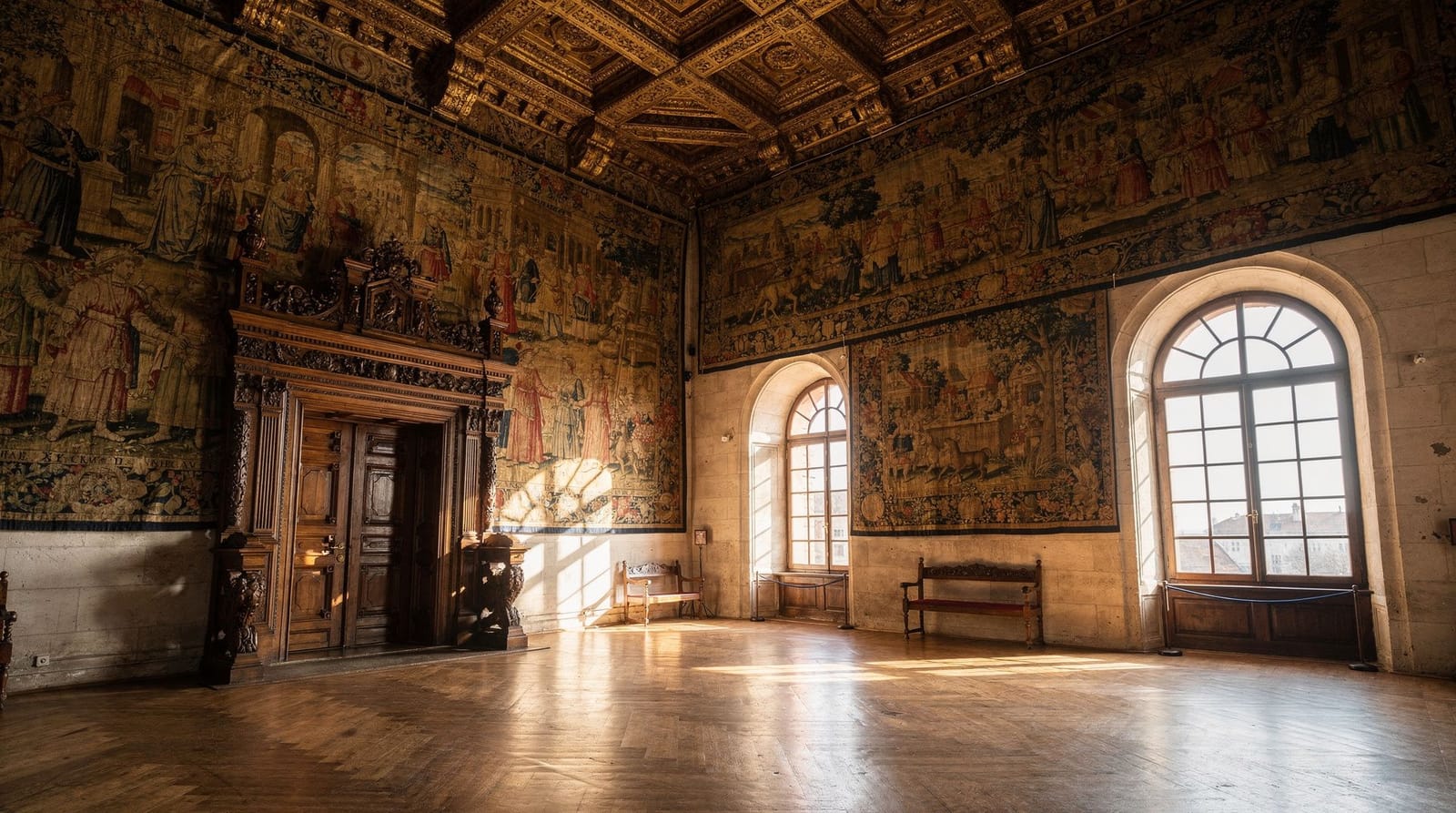
The ground and upper floors contain one of the most significant collections of medieval sacred art in Poland. The core of the collection spans the 13th–16th centuries, with works assembled from churches across the Kraków diocese — many removed for conservation from churches that could no longer protect them adequately.
Gothic polychrome wooden sculpture: the centrepiece of the collection. The carved and painted figures from the 14th and 15th centuries — the period of Polish Gothic at its most technically refined — include altarpiece figures, Pietà groups, and individual saints of extraordinary quality. The polychromy (painted surface) survives with remarkable fidelity on several pieces.
The tradition of polychrome wooden sculpture in this region has particular characteristics: the pigments used — azurite blues, vermilion reds, lead whites — were applied over gesso grounds in layers that give the surfaces a depth unavailable in modern reproduction. Standing in front of an original, you understand something about Gothic art that no photograph conveys.
Gothic panel painting: altar panels from the 14th and 15th centuries, including several attributable to the Kraków workshops that supplied the city’s numerous churches during its medieval peak. These painters were working contemporaneously with the great Flemish and Italian panels that command international auction prices; the quality difference is one of geography and subsequent collecting history, not of craft.
Textile collection: liturgical vestments, embroidered altar cloths and reliquary cases from the medieval period. Polish medieval embroidery is among the finest in Europe; a small number of exceptional pieces are preserved here in better condition than in most church collections.
14th–15th-century metalwork: chalices, ciboriums, reliquaries and processional crosses. The goldsmithing tradition in Kraków was well developed by the mid-14th century; the pieces in this collection demonstrate the technical range.
The John Paul II rooms
The museum is also the location of the apartment where Karol Wojtyła lived as a young priest, then as auxiliary bishop and archbishop, between approximately 1951 and his election to the papacy in 1978. The rooms are preserved much as they were during his residence.
This section of the museum has a different character from the medieval collection — more personal, more recent, and appealing to a different kind of visitor. For pilgrims and those with a connection to Polish Catholicism, these rooms carry obvious significance. For others, the apartment is a window into the life of a 20th-century priest-intellectual who happened to become globally significant: the bookshelves, the modest furniture, the desk where he wrote philosophy and theology alongside his episcopal duties.
Wojtyła was deeply connected to Kraków — he was born in nearby Wadowice, studied theology underground during the Nazi occupation, was ordained, and rose through the church hierarchy here before Rome. The city’s identity is partly shaped by this connection, and the apartment contextualises it more intimately than the Cathedral’s official commemorations.
To follow the Wojtyła story further, the John Paul II in Kraków guide maps the other places in the city tied to his life, and a day trip to Wadowice shows the town where it began. The Wawel Cathedral guide covers the cathedral that sits just up the hill from this street.
Tickets, hours and practical information
Entry is inexpensive; check current adult and reduced prices on the official website of the museum (archimuzeum.pl).
Opening hours: Tuesday–Sunday 10:00–17:00. Closed Mondays and on major religious holidays; check archimuzeum.pl for exceptions.
Check on the official website of the museum whether the Kraków City Card covers it. The entry fee is low, making it one of the least expensive museum visits in Kraków relative to its quality.
Audio guide availability and price: check on archimuzeum.pl. Recommended for the medieval collection if you are not already familiar with Gothic sacred art.
Getting there
The museum is at ul. Kanonicza 19, a 5-minute walk south of Rynek Główny and 2 minutes north of Wawel Castle. From the main square, walk south on ul. Grodzka until you see ul. Kanonicza branching off to the left (east). The museum is about halfway down the street.
The natural visit pattern is: Rynek Główny → ul. Grodzka → Archdiocesan Museum (ul. Kanonicza 19) → continue to Wawel. Or: Wawel → ul. Kanonicza → Archdiocesan Museum → continue to the Rynek. Either works well as a connecting thread.
If you are building a longer route through the area, the Royal Route walking guide follows the historic path from the Old Town up to the hill, and ul. Kanonicza fits naturally into it. The Wawel Castle guide and the Old Town walking tour guide are useful companions for planning the surrounding hours.
Combining with nearby sites
Wawel Castle: 2 minutes’ walk south. A guided tour of Wawel Castle with skip-the-line access pairs perfectly with the Archdiocesan Museum — the castle’s royal history and the cathedral chapter’s ecclesiastical history are deeply intertwined. Combined, they give a full picture of medieval Kraków’s dual power structure.
Wawel Cathedral: A combined Wawel Castle and Cathedral guided tour covers the Cathedral that the canons of ul. Kanonicza served. The medieval sacred art in the Archdiocesan Museum makes more sense after visiting the Cathedral — you see where the liturgical objects were used.
Collegium Iuridicum: directly opposite the Archdiocesan Museum at ul. Grodzka 53, a 14th-century building of the Jagiellonian University open for occasional exhibitions.
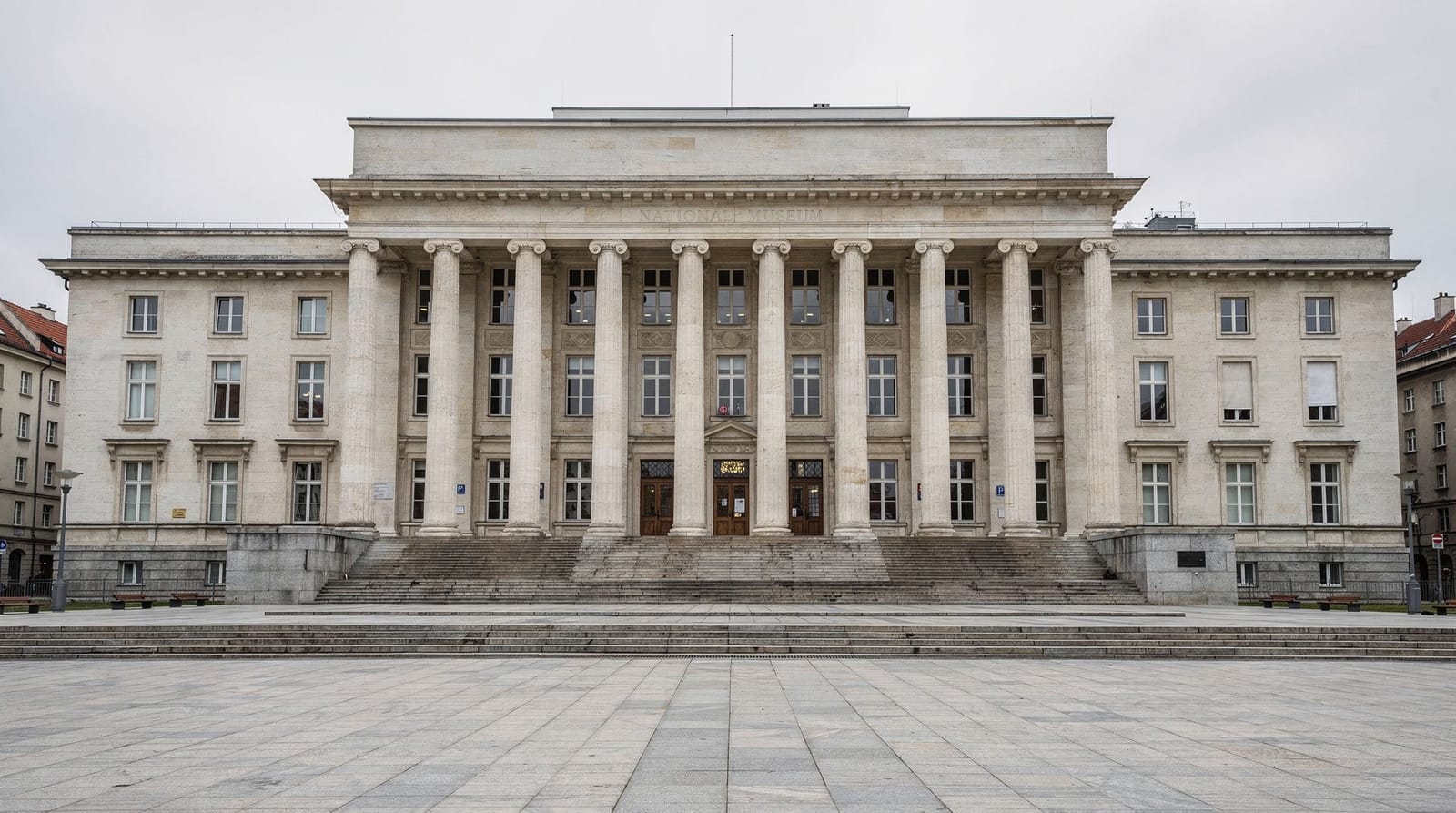
The Czartoryski Museum is 10 minutes north; a full day combining Archdiocesan Museum, Wawel, and Czartoryski covers the sweep of Kraków’s sacred, royal and secular art from the Gothic period through the Renaissance.
If you want the royal apartments themselves rather than the ecclesiastical side, the Wawel State Rooms guide covers the interiors two minutes up the hill — a natural next stop after the Archdiocesan Museum’s chapter-house history.
Comparing Kraków’s small museums
The Archdiocesan Museum is one of several compact, easy-to-add museums clustered in and around the Old Town. Here is how it stacks up against the others if you are deciding where to spend a spare hour:
| Museum | Focus | Time needed | Cost |
|---|---|---|---|
| Archdiocesan Museum | Medieval sacred art, John Paul II rooms | 45–60 min | low entry fee |
| Collegium Maius | Jagiellonian University history, Copernicus | 45–60 min | from 17 PLN |
| Rynek Underground | Medieval market square excavations | 60–90 min | 45 PLN |
| National Museum branches | Polish painting and decorative arts | varies by branch | varies |
For a broader ranking of what to prioritise if your time is limited, see the best museums in Kraków guide.
Short on days overall? The Kraków 1-day itinerary and the 2-day itinerary show where a quiet stop like this one can slot in, and the Old Town destination page gives the wider neighbourhood context.
Who should visit
Medieval art lovers: this museum punches well above its weight and its entry fee. The Gothic sculpture and panel painting are exceptional. Do not skip this because it is not on the standard tourist circuit.
History of Christianity in Poland: the combination of the medieval collection and the John Paul II rooms makes this an unusually complete picture of Polish Catholic culture across seven centuries.
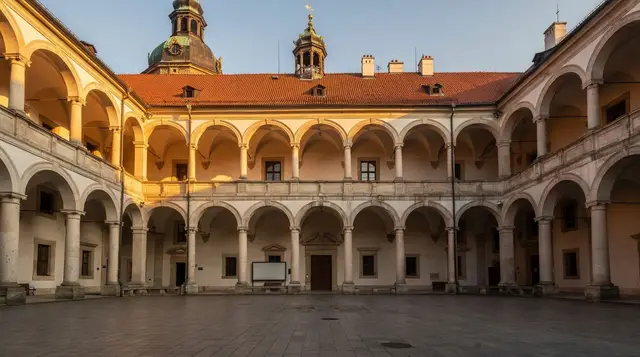
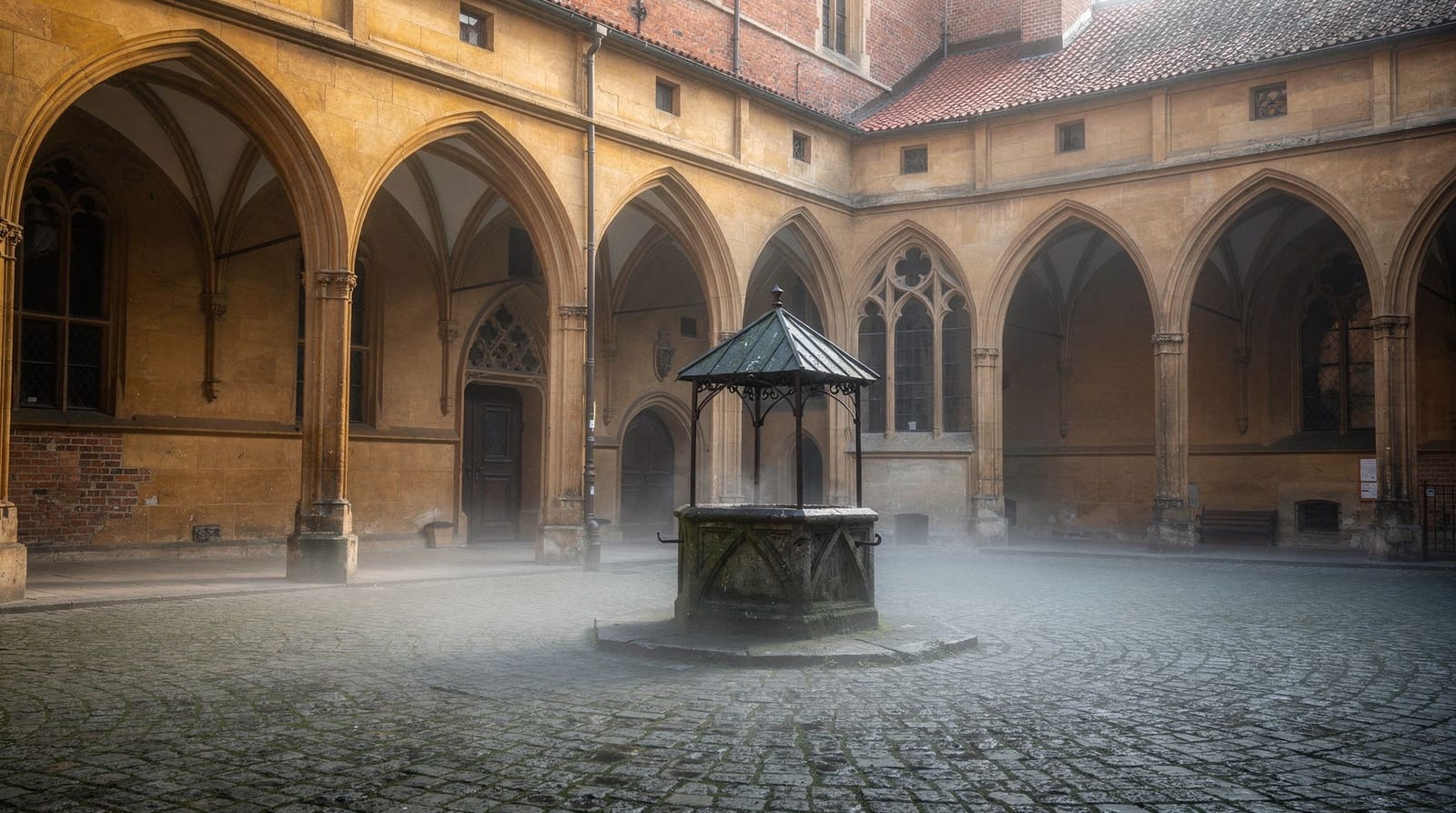
Architecture enthusiasts: the building itself is worth the visit. The 14th-century stone courtyard and the layering of centuries of modification to the townhouse fabric can be read in the walls.
Visitors doing Wawel: anyone visiting Wawel Hill should add 45 minutes for the Archdiocesan Museum. The combination is obvious and the proximity makes it easy.
First-time visitors overwhelmed by Kraków’s density: with a low entry fee and 45–60 minutes, this is a low-commitment, high-reward museum that adds depth to any itinerary without the planning complexity of the major sites.
Honest note on crowds
The Archdiocesan Museum rarely has queues. Even on busy summer weekends when the Rynek Underground and Czartoryski are packed, you can walk into this museum without waiting. This makes it a good fallback if your first-choice museum is sold out on a given day.
The trade-off is that the museum relies on visitors to find it independently — it does not benefit from the central ticketing systems and marketing budgets of the National Museum branches. Help it stay open by visiting.
Frequently asked questions about the Archdiocesan Museum
Do I need to be Catholic or religious to appreciate the museum?
No. The medieval collection is of purely art-historical and craft interest, and the John Paul II apartment is interesting to anyone curious about 20th-century Polish history. That said, some appreciation of the liturgical function of the objects helps — knowing that a particular chalice was used in the Mass of a specific community adds a layer of meaning to the craftsmanship.
How does the museum compare to the National Museum’s medieval collection?
The National Museum’s Szołayski House branch has the larger and more systematically curated medieval collection. The Archdiocesan Museum is smaller but in some ways more concentrated: the pieces were selected for ecclesiastical significance as well as art-historical value, and the Gothic polychrome sculpture here is arguably superior to what the Szołayski House holds.
Is photography permitted?
Photography without flash is permitted in most areas. Some specific objects (particularly on loan from parish churches) may have restrictions — check the notices at the entrance to each room.
Is the museum accessible for wheelchair users?
The historic building has some limitations — narrow doorways and stone floors in some areas. The ground floor is generally accessible; upper floor access requires stairs. Contact the museum directly (kontakt@archimuzeum.pl) to check current accessibility arrangements.
Can I visit Kanonicza Street without the museum?
Absolutely — the street itself is free to walk and one of the most beautiful in Kraków. Several other historic buildings on the street host occasional exhibitions or are open as part of events. The Museum of Contemporary Art in Kraków (MOCAK) holds street events on some cultural Fridays. But the Archdiocesan Museum is the primary visitor destination on the street.
How much time should I set aside if I’m also visiting Wawel the same morning?
Budget around two hours total: 45–60 minutes for the Archdiocesan Museum and roughly an hour for the Wawel Castle grounds and cathedral, plus the short walk between them. Doing the museum first works well, since the medieval liturgical objects make more sense once you have seen the Cathedral they were made for.
Is the Archdiocesan Museum worth it if I only have one day in the Old Town?
If your day is already full with the Rynek, Wawel and one major museum, this is the first thing to cut — it is a strong add-on, not an essential. But if you have even 45 spare minutes near Wawel, it rewards the detour far more than its low profile suggests.
Top experiences
Bookable activities with verified prices and instant confirmation on GetYourGuide.