How many days do you need in Kraków?
Krakow: Old Town guided walking tour
Duration: 3h
How many days should I spend in Kraków?
Three days covers the essentials: Old Town, Wawel, Kazimierz, one day trip (Wieliczka or Auschwitz). Four days lets you add a second day trip and explore Podgórze or Nowa Huta. Five or more days suits slow travellers or anyone doing both Auschwitz and Zakopane. Two days is workable but rushed.
Starting with the honest answer
| Minimum | 2 days (rushed, no day trip) |
| Recommended | 3 days (Old Town + Wawel, Kazimierz + Podgórze, one day trip) |
| Comfortable | 4–5 days (adds Nowa Huta, a second day trip, real evenings in Kazimierz) |
| Book first | Auschwitz timed entry — 6–8 weeks ahead in summer |
| Base yourself | Old Town for 2 days, Kazimierz for 3+ |
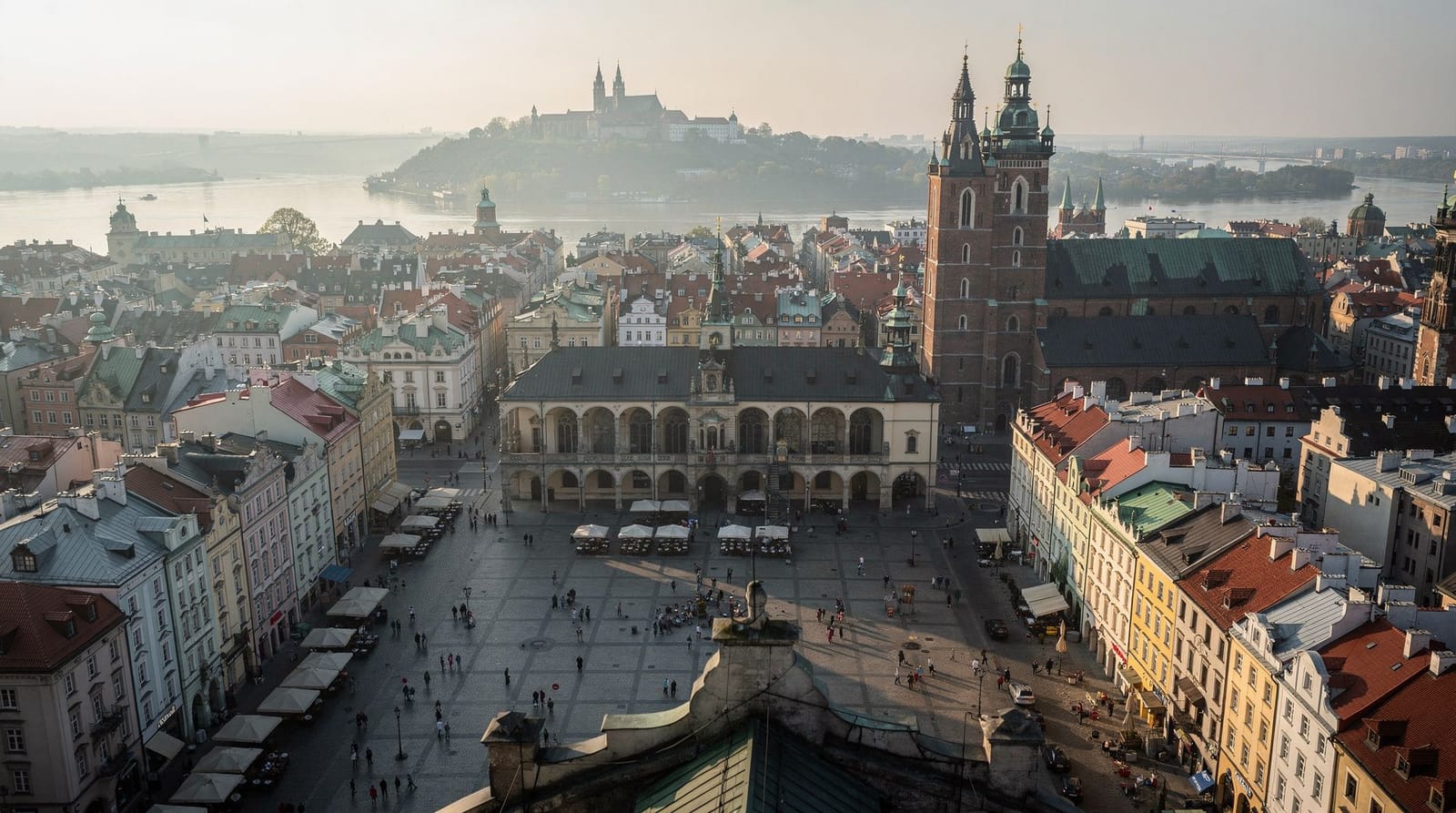
Kraków is deceptively rich. It’s a compact city you can walk end-to-end in under an hour, but there’s a UNESCO World Heritage Old Town, six distinct historic neighbourhoods, a dozen major museums, and three world-class day trips within 90 minutes. Most visitors underestimate how much there is to do and leave wishing they’d booked one more night.
The question “how many days?” really means: “How do I match my time to what I actually want to see?” This guide answers that per-day, without the filler. For a pre-built itinerary, see the Kraków 3-day itinerary. For timing considerations across seasons, the best time to visit Kraków guide covers seasonal trade-offs.
Two days in Kraków: the minimum
Two days is doable if you’re disciplined and pre-book everything. You won’t fit a day trip unless you sacrifice one major in-city site. This schedule suits transit visitors or weekend breaks from nearby cities.
Day 1 — Old Town and Wawel
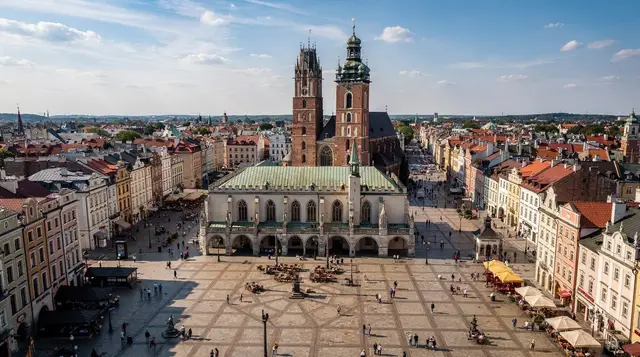
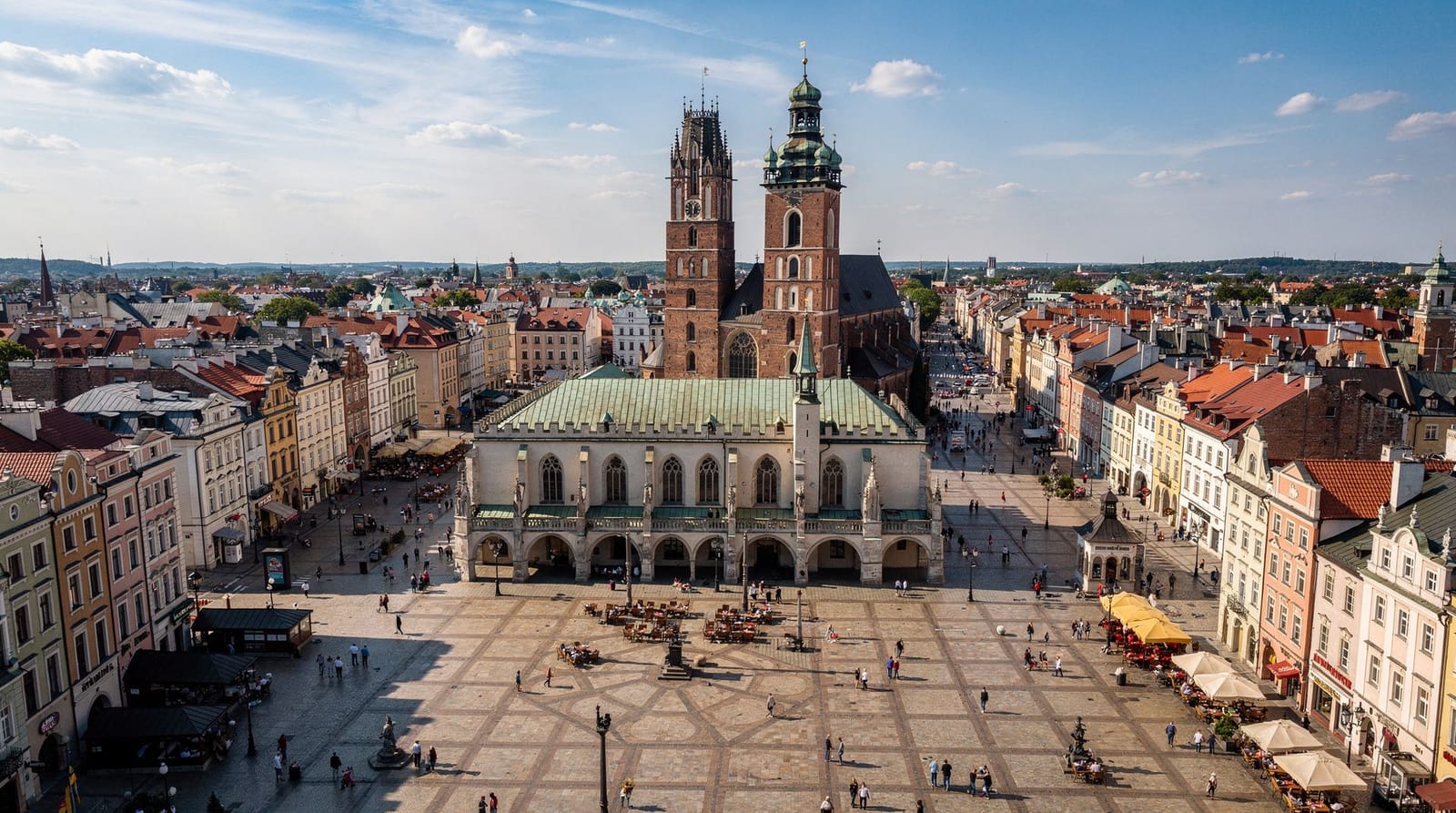
Start early at Rynek Główny. The Sukiennice (Cloth Hall) opens at 10:00; arrive by 9:30 to beat tour groups. Climb the Town Hall Tower for views. Walk through the Barbican and Floriańska Gate, then south down the Royal Road to Wawel Hill. Allow 2.5–3 hours for Wawel: the Cathedral, State Rooms, and Dragon’s Den. The State Rooms have daily visitor caps — buy tickets online.
Lunch: anywhere other than the main square. Try Noworolski café inside the Sukiennice for coffee, or walk 5 minutes to ul. Szewska for proper food at lower prices. Milk bar Pod Temidą (ul. Grodzka 43) does filling pierogi for under 25 PLN (≈€6).
Afternoon: Rynek Underground Museum (book ahead, 45 PLN/≈€11), then an evening walk through Kazimierz — ul. Szeroka, the synagogues, Plac Nowy for zapiekanki (open-faced baguettes, 12–18 PLN). Dinner at Ariel restaurant or Marchewka z Groszkiem for mid-range Polish food.
Day 2 — Kazimierz or one day trip
Option A (city focus): Morning in Kazimierz — Old Synagogue Museum, Remuh Synagogue and cemetery, Galicia Jewish Museum. Afternoon in Podgórze: Pharmacy Under the Eagle, Ghetto Heroes Square, and Schindler Factory Museum. Full day in-city; fulfilling and emotionally significant.
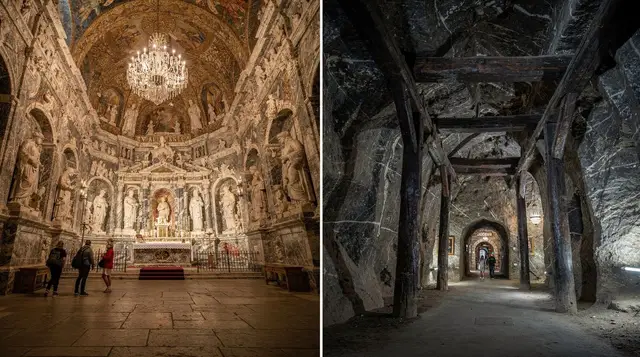
Option B (day trip): Wieliczka Salt Mine (~14 km, 40 min by tram/bus, or book a tour with transport). Budget 4 hours on site. The mine is entirely underground at 135 m depth — cool, dark, and spectacular. This leaves little time for Kazimierz, so choose based on priorities.
What you won’t get to in two days: Nowa Huta, Czartoryski Museum, Auschwitz, Zakopane, MOCAK contemporary art museum. If these matter to you, extend your stay.
Three days in Kraków: the recommendation
Three days is the most common and satisfying itinerary. You cover the essentials without rushing, and fit in one substantial day trip. See the complete Kraków 3-day itinerary for a fully structured version.
Day 1 — Old Town immersion
Follow the two-day Day 1 plan above. In the evening, consider an Old Town guided walking tour — the evening light on the Sukiennice is excellent, and a guide makes the medieval layers coherent in a way wandering alone doesn’t.
Day 2 — Kazimierz, Podgórze, and Schindler
Morning in Kazimierz (allow 2–3 hours). Cross the Vistula to Podgórze mid-morning: Ghetto Heroes Square and the Pharmacy Under the Eagle tell the WWII story of Kraków’s Jewish community at ground level. The Schindler Factory Museum (MOCAK-adjacent, ul. Lipowa 4) needs a full 2–3 hours — book tickets; it sells out. Afternoon: Vistula riverbank walk back toward the city.
Evening: Plac Nowy zapiekanki for a quick dinner, then one of Kazimierz’s atmospheric bars — Singer café (ul. Estery 20) or Mleczarnia (ul. Meiselsa 20) both have old-Kraków character.
Day 3 — One major day trip
Wieliczka Salt Mine: Easiest logistics, suitable for any fitness level, ~4 hours on site. Book a fast-track Wieliczka tour to skip queues.
OR
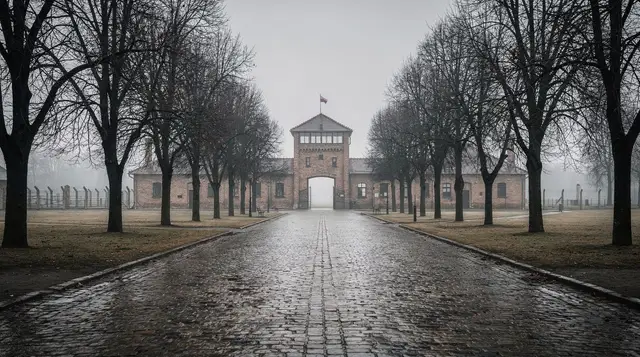
Auschwitz-Birkenau: An emotionally demanding but historically important visit. Allow 5–6 hours at the Memorial. Book well in advance — summer slots fill 6–8 weeks out. The guided Auschwitz tour with hotel pickup handles logistics so you can focus on the visit itself.
Both Wieliczka and Auschwitz on the same day is physically possible but mentally exhausting. Most thoughtful visitors prefer to do each separately.
Four days in Kraków: the relaxed version
A fourth day transforms the trip. You can slow down, visit a second day trip site, and explore Nowa Huta — which most visitors miss entirely.
Day 4 options:
Nowa Huta (half day): Take tram 4 or 22 from the city centre to Plac Centralny. This socialist-realist district was built from scratch in the 1950s as the antithesis of bourgeois Kraków. Wide boulevards, monumental architecture, and a steelworks that employed 40,000 workers. The neighbourhood has genuine character; a walking tour makes the context click.
Czartoryski Museum: Houses Leonardo da Vinci’s Lady with an Ermine — one of only four Leonardo portraits in the world. Smaller collection than the name suggests, but the Leonardo alone is worth 2 hours. Generally manageable without advance booking.
MOCAK — Museum of Contemporary Art: Shares the Schindler Factory complex in Podgórze. Internationally significant contemporary collection; free on Tuesdays. About 2–3 hours.
Ojców National Park: 25 km north of Kraków, a limestone gorge with Pieskowa Skała Castle, caves, and easy hiking. Good for a half-day escape from the city without the distance of Zakopane.
With four days and good pre-booking, you can do Wieliczka AND Auschwitz as separate day trips while still covering Kazimierz, Podgórze, Nowa Huta, and the Old Town properly.
Five or more days: who benefits
A five-day visit suits:
- Anyone doing both Auschwitz and Zakopane as separate full-day trips
- Families with children (more rest time, slower pace, theme park option at Energylandia)
- Food and drink focused visitors (cooking classes, food tours, cellar dinners in Kazimierz)
- History specialists who want depth at Auschwitz rather than a rushed visit
- Travellers using Kraków as a base for the Tatras (Morskie Oko hike is a full day from Kraków)
Five-plus days starts to feel like living in the city rather than visiting. The morning Hala Targowa market (ul. Grzegórzecka, open daily), evening concerts at the Philharmonic, and the neighbourhood coffee shops off Rynek Główny become part of your routine.
How day trips affect your day count
Every major day trip consumes a full day when done properly:
| Day trip | Distance | Time on site | Total day |
|---|---|---|---|
| Wieliczka Salt Mine | 14 km | 3–4 hours | Half to full day |
| Auschwitz-Birkenau | 70 km | 4–6 hours | Full day |
| Zakopane + Tatras | 100 km | 5–7 hours | Full day |
| Morskie Oko hike | 110 km + 16 km walk | 5–6 hours on foot | Full, demanding day |
| Częstochowa | 115 km | 3–4 hours | Full day |
| Bochnia Salt Mine | 35 km | 3–4 hours | Half to full day |
A three-day Kraków visit with two day trips leaves only one day for the city itself. Plan carefully. The Kraków itinerary planning guide covers how to structure day trips alongside city sightseeing.
Practical planning: what to book ahead
Regardless of how long you stay, pre-book:
- Auschwitz timed entry (via visit.auschwitz.org or a guided tour) — mandatory, sells out weeks ahead in summer
- Wawel State Rooms — daily visitor caps, book 2–7 days ahead in peak season
- Wieliczka — queues without booking; fast-track entry saves 45+ minutes
- Schindler Factory Museum — sells out most days
- Rynek Underground — usually bookable same week, but online is easier
The Kraków City Card covers public transport plus entries to 22+ museums — run the numbers if you plan museum-heavy days.
For accommodation guidance matched to your day count, see where to stay in Kraków. Transport between sites is covered in the getting around Kraków guide.
Frequently asked questions about days in Kraków
Can you see Kraków in one day?
You can see the Old Town and Kazimierz on foot in one long day, but it’s genuinely rushed and leaves no time for day trips or the depths of any single site. If you only have one day, prioritise the Wawel and Rynek in the morning, Kazimierz in the afternoon, and accept you’re getting the highlights rather than the experience.
Is three days enough for Kraków and Auschwitz?
Yes, if you allocate a full day to Auschwitz, another full day to Old Town and Wawel, and a third to Kazimierz and Podgórze. You’ll miss Wieliczka, Nowa Huta, and the Tatras — but three focused days covers the essential Kraków story.
Should I visit Wieliczka or Auschwitz first?
There’s no rule, but many visitors find it makes emotional sense to visit Auschwitz on its own day without preceding or following it with something lighthearted. Wieliczka is visually spectacular and easier to slot around other plans. Logistically, Wieliczka is much closer (14 km vs 70 km) and needs less advance planning.
Is Kraków worth more than three days?
Strongly yes, for most visitors. Four or five days reveals a city that rewards slow walking: Nowa Huta’s surreal socialist urbanism, the MOCAK collection, the Planty park ring at dusk, real conversations with residents over dinner at Kazimierz’s back-street restaurants. Three days is satisfying; four or five is when Kraków starts to feel understood.
How should I split my time between the city and day trips?
A useful ratio is 60% city, 40% day trips. For a three-day visit, that means two city days and one day trip. For five days: three city days and two day trips. The Kraków for first-timers guide gives more guidance on prioritising if you’re making this decision for the first time.
Is it worth adding Zakopane to a short Kraków trip?
Only if you have at least four days. A Zakopane and Tatras day trip takes 10–12 hours door to door and, added to a three-day city visit, leaves the Old Town, Kazimierz, and any other day trip badly squeezed. With four or five days, it slots in comfortably as one of the two day trips. If mountains matter more to you than a second day trip closer to the city, Zakopane is worth prioritising over a second museum-heavy day in Kraków itself.
Making the most of each Kraków day
Whatever your total day count, the quality of each day depends on a few structural choices:
Morning advantage: Wawel, the Rynek Underground Museum, and the Czartoryski Museum are significantly more enjoyable before 10:30am when the first tour groups arrive. For Wawel State Rooms specifically, the daily visitor cap means earlier entry guarantees the experience you want — crowded afternoons mean rushed visits through narrow Renaissance rooms.
Afternoon pacing: Kraków’s afternoon light from 3pm onward is excellent for photography and cafe-sitting on Rynek Główny. Resist filling every afternoon with another museum and leave time to simply walk — ul. Kanonicza from Wawel north toward Rynek, the Bernatek Footbridge between Kazimierz and Podgórze, the Vistula embankment at dusk.
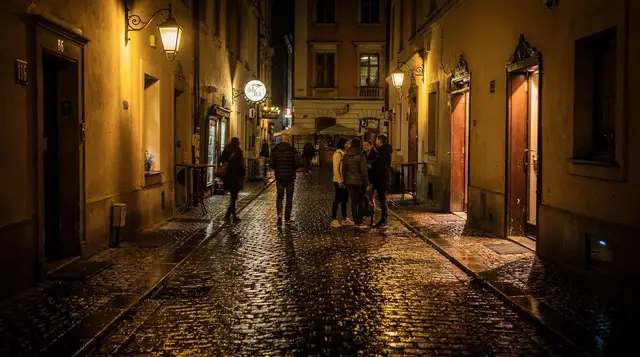
Evening in Kazimierz: However many days you have, at least one full evening in Kazimierz is non-negotiable. The neighbourhood changes character at 7pm — the day-tripper coaches leave, the restaurants fill with a mix of Kraków residents and independent travellers, and Plac Nowy becomes the best casual outdoor dining in the city. Budget 3–4 hours minimum.
Budget implications of a longer stay
Extra days cost less than most people assume, because accommodation and flights are the fixed costs and Kraków’s daily running costs are modest. As a rough guide (mid-range travel, excluding flights):
| Day count | Accommodation (mid-range) | Day-to-day spend | Day trips | Rough total |
|---|---|---|---|---|
| 2 days / 1 night | 250–400 PLN | 150–250 PLN | None | 400–650 PLN |
| 3 days / 2 nights | 500–800 PLN | 300–500 PLN | 1 (150–250 PLN) | 950–1,550 PLN |
| 4 days / 3 nights | 750–1,200 PLN | 450–750 PLN | 1–2 (150–450 PLN) | 1,350–2,400 PLN |
| 5 days / 4 nights | 1,000–1,600 PLN | 600–1,000 PLN | 2 (300–600 PLN) | 1,900–3,200 PLN |
Full figures by accommodation tier and spending style are in the Kraków budget travel guide. The marginal cost of each extra day is mostly the room rate — food, transport, and museum entries in Kraków are inexpensive enough that a fourth or fifth day rarely breaks a budget that coped with the first three.
What changes with more days: depth vs coverage
The shift between a 2-day and a 4-day visit is not just adding more sites — it’s a qualitative change in what Kraków becomes:
2 days: You see Kraków through the lens of its most famous things. Rynek Główny, Wawel, the main Kazimierz streets. You leave with an accurate but partial picture.
3 days: The full essential story clicks. Podgórze connects the prewar Jewish community of Kazimierz to its wartime destruction. The Schindler Factory Museum doesn’t just tell the Schindler story but the story of Kraków under occupation. Wieliczka or Auschwitz adds the day-trip dimension that puts the city in its regional context.
4–5 days: Nowa Huta adds a layer of postwar Polish history that most visitors never encounter. The MOCAK contemporary art collection shows a different dimension of the city’s cultural life. Longer evenings in Kazimierz reveal neighbourhood depth — the Galicia Jewish Museum’s permanent exhibition requires 2 hours of real attention, which you simply don’t have on a two-day visit.
The argument for an extra day is almost always about what becomes possible in depth rather than what new sights you tick off.
Practical schedule: by departure time
For visitors with specific constraints (weekend trips, early flights), a timing-aware framework:
Arriving Friday evening / leaving Sunday afternoon (38 hours):
- Friday evening: Kazimierz — dinner and first impressions
- Saturday: Old Town and Wawel (full day), evening return to Kazimierz
- Sunday morning: Rynek Underground Museum + last coffee before departure
- This is workable but rushed; no day trip possible
Thursday–Sunday (3.5 days):
- Thursday evening: Arrival, first Kazimierz walk
- Friday: Old Town + Wawel
- Saturday: Full day trip (Wieliczka or Auschwitz — book well in advance)
- Sunday: Kazimierz + Podgórze, afternoon departure
- Satisfying and balanced
5 days midweek:
- Day 1: Old Town including Rynek Underground and Wawel
- Day 2: Kazimierz morning, Podgórze afternoon
- Day 3: Auschwitz full day
- Day 4: Wieliczka Salt Mine + Czartoryski Museum
- Day 5: Nowa Huta morning, departure afternoon
For the full structured 3-day version, the Kraków 3-day itinerary provides a tested day-by-day plan with timing. For trip planning across all durations, see Kraków itinerary planning.
Days needed by traveller type
Different priorities change the honest answer. Use this as a quick cross-check against the day-by-day plans above:
| Traveller type | Recommended days | Why |
|---|---|---|
| Weekend city-break (no day trips) | 2–3 | Old Town, Wawel, Kazimierz fit; day trips get sacrificed |
| First-time culture/history visitor | 3–4 | Room for Auschwitz or Wieliczka plus Podgórze’s Jewish heritage sites |
| Families with young children | 4–5 | Slower pace, rest afternoons, room for Energylandia or Ojców National Park |
| Mountain and outdoor focus | 4–5 | A Zakopane or Morskie Oko day trip needs 10–12 hours on its own |
| Food, drink and slow-travel visitors | 4–6 | Kazimierz rewards repeated evenings more than a checklist approach |
| History specialists (WWII/Jewish heritage focus) | 5+ | Auschwitz, Schindler Factory, Podgórze Ghetto, and Kazimierz’s synagogues each deserve unhurried time |
What you need to know before booking your days
Several things should be decided before you fix your day count — they affect what becomes possible:
Auschwitz booking lead time: If you want to visit Auschwitz-Birkenau and are travelling in summer (June–August), you need 6–8 weeks advance booking. This means your Auschwitz day is the first thing to fix when planning, not an afterthought. If your total time in Kraków is constrained (e.g., you can only get 4 days off work), knowing Auschwitz requires a specific date in advance changes the planning sequence. See Kraków itinerary planning for the full booking sequence.
Wawel visitor caps: The Wawel State Rooms have a daily visitor cap and specific timed entry slots. If you want the State Rooms (which you should — the Renaissance interiors are remarkable), book these at the same time as your accommodation. This is not a separate problem; it’s a sequence-of-actions issue.
Your flight times: Most visitors underestimate how airport logistics affect the effective day count. A 9pm departure flight means your last day ends at 5pm (security buffer + travel from city). A 6am departure means your last evening is effectively over at midnight. Account for this in your day count — a Friday-to-Monday visit is 3 nights but the effective sightseeing is closer to 2.5 days.
The case for a minimum of three nights
Two nights / three days in Kraków has a specific failure mode: you spend the whole trip transitioning. Day 1 you’re orienting. Day 3 you’re thinking about the flight. Day 2 is the only day you’re actually present.
Three nights / four days breaks this. You get one transition day in, two full sightseeing days, and a half-day at the end that can be a quiet Kazimierz morning rather than a rush.
Four nights / five days is the point at which most visitors say they “got Kraków.” Nowa Huta is the experience that consistently surprises — visitors who take the 35-minute tram out come back with a completely different sense of the city’s scale and complexity. Visitors who don’t often feel they saw a beautiful medieval city. Both are true, but the one who went to Nowa Huta saw more of what Kraków actually is.
Five nights is the point at which the trip becomes about the specific person’s interests rather than about covering Kraków. At five nights you’re picking your third or fourth visit to Kazimierz, going back to Wawel without tickets because you just want to sit on the hill, finding the coffee shop you liked on Day 2. That’s a different kind of trip. Both are valid.
Combining days with accommodation strategy
Your day count and accommodation choice interact:
Two days: Staying in the Old Town makes sense — maximum walking convenience for a short visit. See where to stay in Kraków for Old Town hotel options.
Three to four days: Kazimierz becomes the better choice. The convenience loss (15 minutes walking to Old Town) is outweighed by the neighbourhood quality — you’ll spend meaningful time in Kazimierz regardless, and basing yourself there means your evenings are already in the right place.
Five or more days: Consider Podgórze for at least part of the stay, or a longer Kazimierz apartment. At five days, you’re spending significant time south of the Old Town anyway (Schindler Factory, MOCAK, Kazimierz depth) and Podgórze puts you in the heart of that.
For pricing across all accommodation tiers, the Kraków budget travel guide provides complete figures. For the transport implications of each neighbourhood, getting around Kraków covers walk times and tram connections from each base area.
Top experiences
Bookable activities with verified prices and instant confirmation on GetYourGuide.