Kraków itinerary planning: how to build your trip
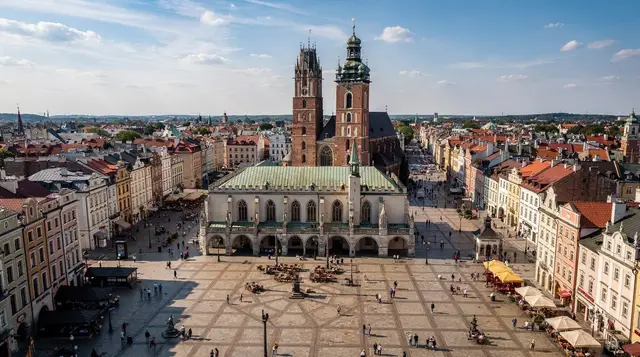
Krakow: Old Town guided walking tour
Duration: 3h
How do I plan a Kraków itinerary?
Start by fixing your key dates (Auschwitz requires 2-month advance booking in summer), then build city sightseeing around day trips. Old Town + Wawel takes one full day. Kazimierz + Podgórze takes another. Each major day trip (Wieliczka, Auschwitz, Zakopane) needs its own day. Three days covers the essentials; four or five allows depth and two day trips.
| Minimum days | 2 (rushed) — 3 (comfortable essentials) |
| Book earliest | Auschwitz timed entry, 6–8 weeks ahead in summer |
| City core | Old Town + Wawel + Kazimierz, all walkable |
| Day trips | Wieliczka (half day), Auschwitz (full day), Zakopane (full day) |
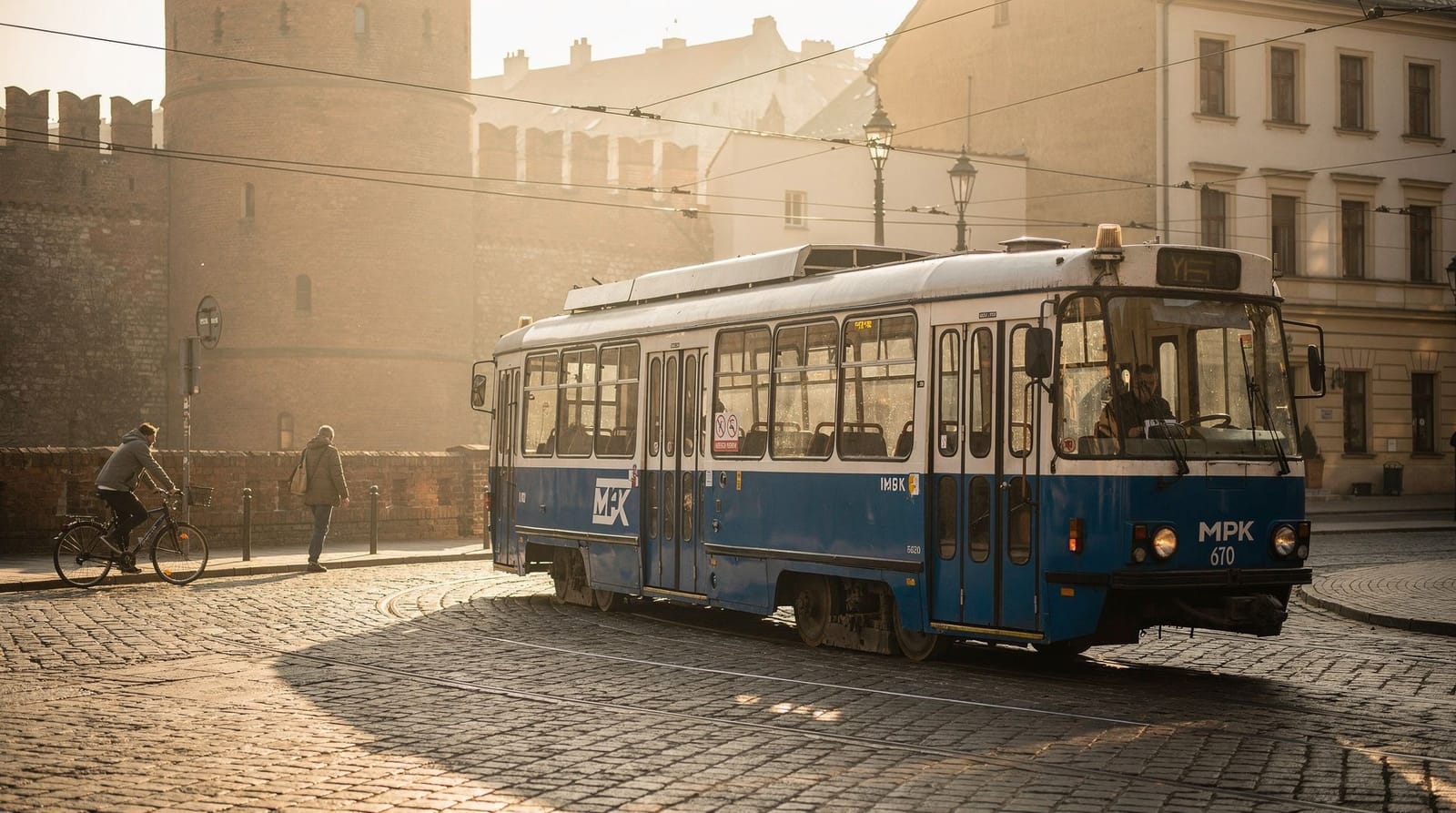
| Getting between sites | Walk in the centre; tram for Nowa Huta and stations |
The planning framework
The most common itinerary mistake in Kraków is underestimating depth. Visitors who read “compact city, one of Europe’s most walkable” assume they can fit everything into two days. They can’t — not if “everything” includes the Schindler Factory, Auschwitz, Wieliczka, Kazimierz Jewish heritage, Wawel, Rynek Underground, and Nowa Huta.
The solution is triage: decide what’s non-negotiable, book those first, and fill around them. For a pre-built 3-day structure, the Kraków 3-day itinerary provides a tested framework. For deciding how many days you actually need, see how many days in Kraków.
Step 1: decide your must-sees
Every visitor is different. Some categories:
History-focused visitors tend to prioritise: Wawel (royal history), Rynek Underground, Kazimierz (Jewish heritage), Schindler Factory, Auschwitz.
Culture and art visitors: Czartoryski Museum (Lady with an Ermine), National Museum, MOCAK, Cloth Hall Gallery, Jewish Culture Festival (if timing allows).
Day-trip visitors: Wieliczka Salt Mine, Zakopane and Tatras, Auschwitz, Ojców National Park.
Architecture and urban history visitors: Nowa Huta (socialist realism), Old Town medieval fabric, the contrast between prewar Kazimierz and postwar Podgórze.
Food and drink visitors: Kazimierz restaurant scene, food tours, Plac Nowy street food, milk bars, vodka cellars.
Be honest about which category you’re in. An itinerary trying to be all five leaves each category underserved.
Step 2: book what sells out first
Certain Kraków experiences have genuine booking constraints. If you miss the window, you miss the experience:
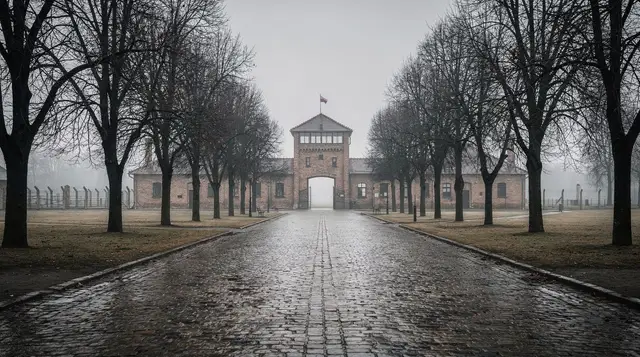
Auschwitz-Birkenau Memorial:
- June–August: book timed entry 6–8 weeks ahead at visit.auschwitz.org. Guided tours book nearly as fast.
- April–May / September–October: 2–4 weeks is usually sufficient.
- November–March: 1–2 weeks usually fine.
The guided Auschwitz tour with hotel pickup bundles transport, licensed guide, and pre-booked timed entry — the least logistically stressful option. Book it the moment you fix your Kraków dates.
Wawel Castle State Rooms:
- Daily visitor caps apply. In July–August, online booking 1–2 weeks ahead is wise.
- Shoulder season: book a few days ahead, or arrive at the ticket desk by 9:30am.
Schindler Factory Museum:
- Books out most days in summer. Buy online as soon as possible; walk-in availability is unreliable.
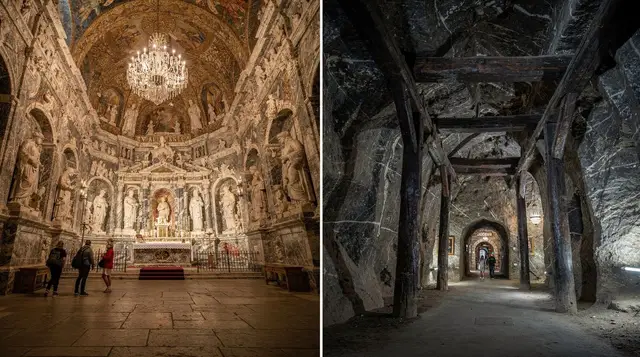
Wieliczka Salt Mine:
- No pre-booking strictly required, but walk-in queues reach 60–90 minutes in peak season. A fast-track Wieliczka tour skips this.
Rynek Underground Museum:
- Usually available same-week; book 2–3 days ahead in summer to be safe.
Zakopane day trips:
- Tour availability is generally better — book 1–2 weeks ahead in peak season.
Step 3: structure your days logically
Geographic logic: Kraków’s main areas cluster in a logical south-to-north order — Wawel/Planty (south of Old Town), Rynek (Old Town centre), Kazimierz (south of Old Town), Podgórze (across the river). Combine areas that are geographically adjacent in the same day.
Energy logic: Auschwitz is emotionally demanding. Don’t pair it with another intense historical site on the same day. Putting Wieliczka before or after Auschwitz in a single day is physically possible but mentally exhausting for many visitors.
Day-trip logic: Day trips consume the whole day and leave you in the city in the evening. Plan city sightseeing for non-day-trip days, or keep evening plans light after a long day trip.
Sample 2-day framework
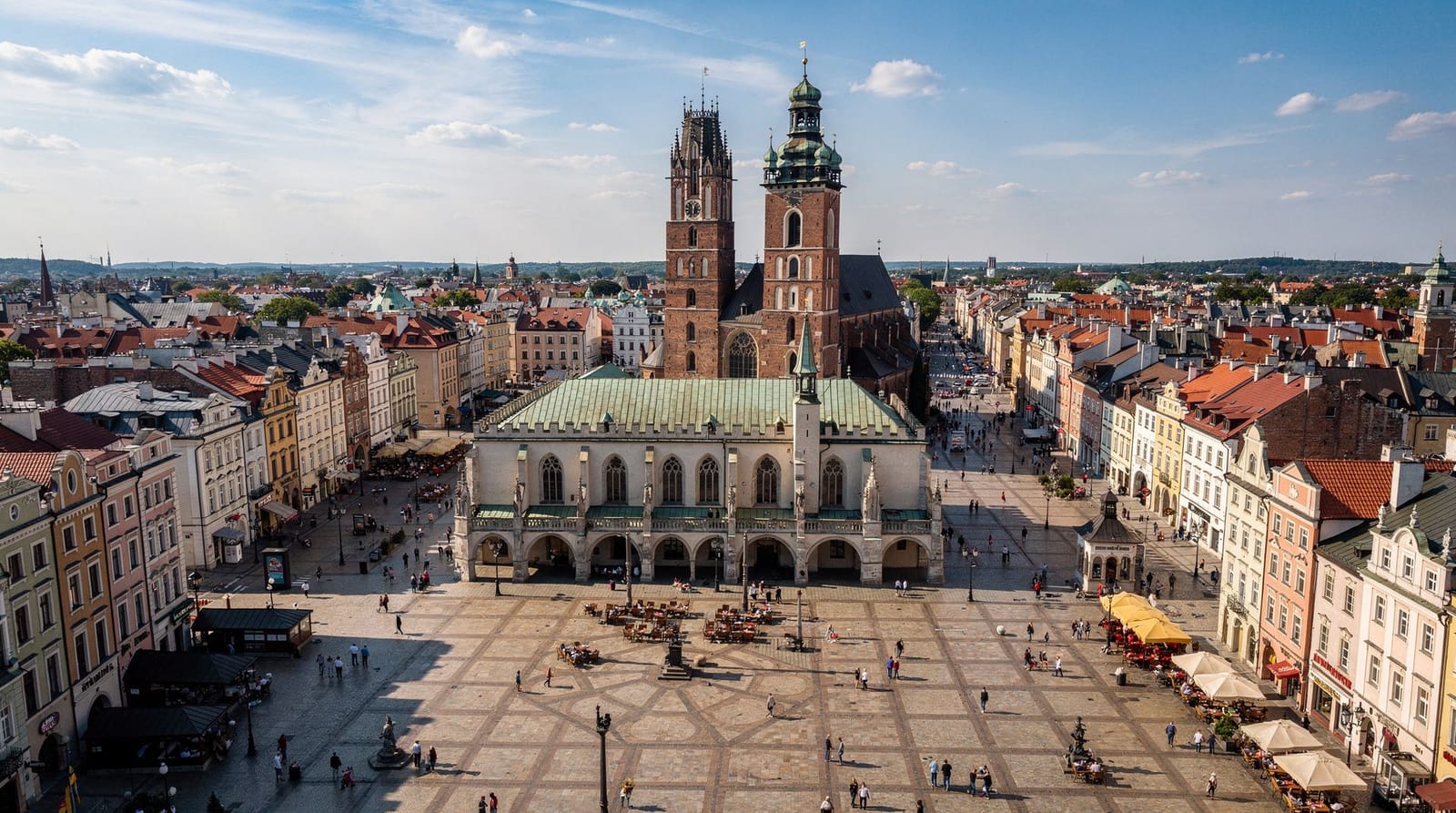
Day 1 (morning): Old Town orientation walk — Rynek Główny, Barbican, Floriańska Gate. For an informed start, the Old Town guided walking tour takes 2–3 hours and covers the medieval layers that make the square coherent.
Day 1 (afternoon): Wawel Hill — Cathedral exterior, State Rooms (pre-booked), Dragon’s Den. Walk back along ul. Kanonicza (beautiful Renaissance street).
Day 1 (evening): Walk south to Kazimierz. Plac Nowy for zapiekanki (12–18 PLN, cash). Explore ul. Szeroka and the synagogue facades. Dinner at Marchewka z Groszkiem or Pierogarnia Starka.
Day 2: Full day on one major day trip — Wieliczka or Auschwitz. Return to Kazimierz for dinner.
Sample 3-day framework
Day 1: Old Town deep dive (Rynek, Barbican, Wawel, Rynek Underground Museum). Evening stroll through Kazimierz.
Day 2: Jewish Kraków — Kazimierz heritage sites in the morning (Old Synagogue, Remuh Cemetery, Galicia Jewish Museum), Podgórze in the afternoon (Ghetto Heroes Square, Pharmacy Under the Eagle, Schindler Factory Museum). Full and emotionally rich day.
Day 3: Day trip to Wieliczka or Auschwitz. For Wieliczka: depart 9am, 4 hours on site, back in the city by 2–3pm. For Auschwitz: depart 8am, 5–6 hours at the Memorial, back by 4–5pm.
For the complete day-by-day version of this, see the Kraków 3-day itinerary.
Sample 5-day framework
Day 1: Old Town orientation — Rynek, walking tour, Barbican. Afternoon: Wawel (State Rooms + Cathedral). Evening: Kazimierz first look.
Day 2: Kazimierz and Podgórze. Jewish heritage morning; Schindler Factory and MOCAK afternoon.
Day 3: Auschwitz-Birkenau (full day). Rest in the evening.
Day 4: Wieliczka Salt Mine (half to full day). Afternoon free: Czartoryski Museum or Rynek Underground.
Day 5: Nowa Huta morning (tram 4, 35 min). Plac Centralny, communist architecture walk. Afternoon: Planty park walk, final Rynek visit, souvenir shopping in the Cloth Hall. Evening farewell dinner in Kazimierz.
Day-trip logistics built into your planning
Each day trip has different logistical needs:
Wieliczka (14 km):
- Depart 8:30–9:30am to beat crowds
- 3–4 hours on site
- Tram 304 from Rynek or booked tour transport
Auschwitz-Birkenau (70 km):
- Must depart by 8:00–8:30am for a full visit
- Spend 4–6 hours at the Memorial
- Pre-booked entry is mandatory; book it before all other Kraków planning
Zakopane / Tatras (100 km):
- Depart 8:00am; arrive 10:00am
- Full day in the mountains (funicular, Gubałówka views, market walk, or hiking)
- Return 6–8pm depending on your pace
- If hiking Morskie Oko: depart very early (7am), the 16 km round-trip trail takes 4–5 hours walking
Ojców National Park (25 km):
- Closer and easier: 45-minute drive or tour bus
- 3–4 hours on site; works as a half-day combined with Kraków afternoon
- Good option for Day 4 or 5 when you want fresh air but less intensity
Building around seasonal realities
Spring (April–May): Easiest planning window. Book Auschwitz 2 weeks ahead; most other sites have good walk-in availability. See the best time to visit Kraków for seasonal details.
Summer (June–August): Book Auschwitz 6–8 weeks ahead. Wawel and Schindler also require advance booking. Plan outdoor activities for morning to avoid afternoon heat.
Autumn (September–October): Like spring but with shorter daylight. October means rain; pack waterproofs. Tatras hiking possible through September, limited in October.
Winter (December–March): Christmas market, from late November to 1 January (check krakow.travel for current dates), is special. Wieliczka and Auschwitz open year-round. Pack serious cold-weather gear.
Itinerary planning tools
- visit.auschwitz.org: Official Auschwitz booking (free timed entry)
- wawel.krakow.pl: Official Wawel ticket booking
- bilet.mhk.pl: Museum of Kraków tickets (Schindler Factory, Rynek Underground)
- pkp.pl or koleo.pl: Train schedules
- jakdojade.pl / app: Kraków public transport planner
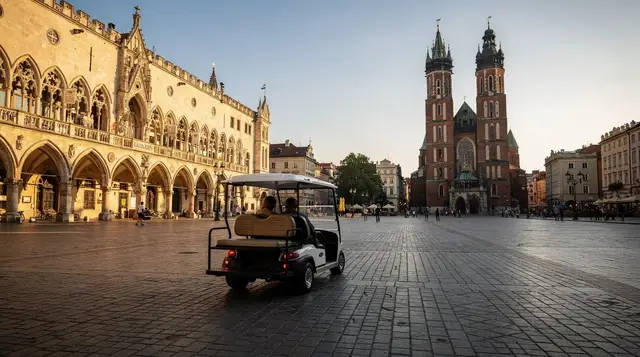
For transport between sites, the getting around Kraków guide and public transport guide cover all options. For a first-day orientation without planning every leg yourself, the 4 districts guided golf cart tour with audioguide gives a solid overview of the city.
The booking sequence: step by step
For a Kraków trip starting from nothing, here’s the exact order in which to book:
Immediately on confirming travel dates:
- Auschwitz timed entry (visit.auschwitz.org) or a guided tour from GetYourGuide — the booking window is the tightest of anything in Kraków
- Accommodation — particularly for summer peak (July–August) or festival dates (Jewish Culture Festival, late June/early July; Unsound, early October)
2–4 weeks before: 3. Wawel State Rooms tickets (wawel.krakow.pl) — daily caps make advance booking wise 4. Schindler Factory Museum tickets (bilet.mhk.pl) — sells out most summer days 5. Wieliczka fast-track tour if that’s your preferred option; otherwise plan to arrive early if self-guided
1 week before: 6. Rynek Underground Museum tickets if you want a specific time slot 7. Any restaurant reservations for special meals (nicer Kazimierz restaurants fill on weekends) 8. Confirm all booked tours; check meeting point details
On arrival: 9. Get PLN from an ATM 10. Download Jakdojade and MPK app 11. Get a Polish SIM if needed
This sequence ensures no “arrived and discovered it’s sold out” moments. The best time to visit Kraków guide provides season-specific adjustments to this timeline.
Realistic timing for each major site
First-time visitors consistently underestimate how long sites take when done properly:
Wawel Hill:
- Just the exterior, Cathedral facade, and hill walk: 45 minutes
- Cathedral with Royal Crypts and Dragon’s Den: 1.5–2 hours
- State Rooms added: 2.5–3 hours
- Full Wawel experience (all ticketed elements): 4 hours
Rynek Underground Museum:
- The self-guided multimedia experience: 1.5–2 hours
- With guided tour: 2.5 hours
Schindler Factory Museum:
- The “Emalia” permanent exhibition alone: 2–2.5 hours
- Done properly, reading exhibits: 3 hours
- Many visitors rush it in 1 hour and leave having understood little
Kazimierz heritage sites (combined):
- Old Synagogue Museum: 45–60 minutes
- Remuh Synagogue and Cemetery: 30–45 minutes
- Galicia Jewish Museum: 1.5–2 hours
- Combined: 3–4 hours minimum for all three
Auschwitz-Birkenau Memorial:
- Auschwitz I only: 2.5–3 hours
- Auschwitz II-Birkenau only: 1.5–2 hours
- Both sites together: 5–6 hours
- With transport from Kraków and back: 8–9 hours total
Wieliczka Salt Mine Tourist Route:
- On site: 2.5–3 hours (the guided tour is set-pace)
- With transport from Kraków: 4–5 hours total
Understanding these real times is the essential step in itinerary planning. Trying to fit Wawel, Schindler Factory, and Kazimierz all into one day means doing none of them properly.
Evening and nighttime activities: planning for them
Many visitors overplan daytime activities and leave evenings vague. The evening dimension of Kraków is where the city reveals itself:
Kazimierz evenings (essential): At least one long evening (arrive 6pm, stay until midnight) at the Kazimierz bars and restaurants. Singer café (ul. Estery 20) operates until at least 2am, serves coffee and vodka, has old sewing machines as tables, and is full of locals, expats, and long-term travellers. Mleczarnia (ul. Meiselsa 20) is similar — amber lighting, crowded, late hours.
Vistula evening walk: The riverbank from Wawel south along Bulwar Czerwieński, then across the Bernatek Footbridge to Podgórze and back — 45–60 minutes. The view of Wawel floodlit at night from across the river is one of Kraków’s finest moments. Free, no planning required.
Folk dinner: A traditional Polish folk show with all-you-can-eat dinner is a tourist experience, but it’s one that works if you engage with it rather than sneer. Worth doing once; look for shows in Kazimierz venues rather than generic tourist restaurants.
Rynek Główny after 9pm: The square has a different character after the souvenir stalls close and tour groups have gone back to their hotels. Musicians play for free; local families walk their dogs; a few cafés remain open. Worth staying out rather than retreating early.
For accommodation in each neighbourhood and how it affects your evening logistics, see where to stay in Kraków.
Budget-conscious itineraries
A tighter budget doesn’t mean a worse itinerary — it means substituting a few line items rather than cutting sights. Museum entry across Kraków is genuinely affordable by Western European standards, and the biggest cost swings come from transport and dining choices rather than admission fees. Swap taxis for trams and walking wherever the distance allows; the getting around Kraków guide covers the full network and it’s cheap enough (6–7 PLN a ride) that even frequent use barely dents a daily budget.
Eat at least one meal a day at a milk bar (bar mleczny) — a full lunch runs 25–35 PLN, a fraction of Rynek-area restaurant prices, and it’s a genuinely good meal, not a compromise. For day trips, self-guided options (train to Wieliczka’s own station, or public transport plus a booked museum-only Auschwitz slot) cost noticeably less than fully guided tours, at the cost of some convenience and context. The Kraków on a shoestring piece walks through a full low-budget day if you want a lived example rather than a framework.
Days at a glance: how the frameworks compare
| Length | Day trips fit | Best for | See also |
|---|---|---|---|
| 2 days | None (or a half-day Wieliczka) | A stopover or add-on to another Polish city | Kraków 2-day itinerary |
| 3 days | One full day trip | Most first-time visitors | Kraków 3-day itinerary |
| 4 days | One or two day trips | Families, deeper Jewish heritage focus | Kraków 4-day itinerary |
| 5 days | Two to three day trips | History-focused or slower-paced travellers | Kraków 5-day itinerary |
| 7 days | Wieliczka, Auschwitz, Zakopane, plus Małopolska extras | Regional exploration beyond the city | 7 days in Małopolska |
Frequently asked questions about Kraków trip planning
What should I book first for a Kraków trip?
Auschwitz timed entry, then Wawel State Rooms, then Schindler Factory. These three have the tightest booking windows. Everything else — Wieliczka, Rynek Underground, restaurants — can follow.
Can I combine Auschwitz and Wieliczka in one day?
Physically yes; combo tours offer this. Most visitors who do it find the combination exhausting. If you have 3+ days, keep them separate. If you only have one day-trip day, the combo is better than missing one entirely.
How do I avoid crowds at Wawel?
Book the first entry slot of the day online (Wawel opens at 9:00am). Arrive before tour groups who typically start arriving around 10am.
Should I hire a guide for the whole trip or just specific sites?
Specific sites (Auschwitz, Kazimierz, Wawel) benefit enormously from context that guides provide. A full-trip private guide is a luxury worth having if budget allows. For self-guided visitors, good reading before arrival combined with site-specific guided tours at key sights gives most of the same context.
Is it worth staying an extra night for one more day in Kraków?
Almost always yes. Nowa Huta, MOCAK, the National Museum’s permanent collection, and unhurried time in Kazimierz’s bars are all things people miss on rushed first visits. One extra day is nearly always worth the cost. See where to stay in Kraków for accommodation options.
Kraków itinerary principles
Beyond the day-count frameworks, a few structural principles make any Kraków itinerary better:
Prioritise depth over coverage. The Schindler Factory Museum deserves 2.5–3 hours of genuine attention. So does the Galicia Jewish Museum. So does the Rynek Underground. If you sprint through these to tick more sites, you’ve covered ground but not had the experience. A visitor who does the Schindler Factory Museum properly and then sits in a Kazimierz café with that context settling comes away with something real. A visitor who does five museums in one day has done five audits.
Morning is for crowds, evening is for atmosphere. The popular sights — Wawel, Rynek Underground, Czartoryski — are significantly better before 10:30am when tour groups arrive. Kazimierz is significantly better after 7pm when the day-tripper buses have gone. Structure your day around this.
Leave one afternoon unplanned. The best Kraków experiences often happen by accident in unscheduled time: a spontaneous conversation at a milk bar, a courtyard that appears behind an unmarked door on ul. Kanonicza, a puppet theatre performance in the basement of the Town Hall Tower. A tightly scheduled itinerary leaves no room for these.
Build in transition logistics. Walking from Wawel to the Schindler Factory (crossing Podgórze via the Bernatek Footbridge) takes 35–40 minutes — beautiful along the Vistula, but it needs to be in the plan. Walking from Schindler Factory to MOCAK is 5 minutes. Walking from MOCAK back to Kazimierz is 15 minutes. These add up.
Building around family or group dynamics
Different travel companions need different itinerary structures:
Families with young children:
- Prioritise the Dragon’s Den (Smocza Jama, 15 PLN, the fire-breathing dragon outside — universally loved)
- Energylandia (Poland’s largest theme park, 45 km from Kraków) works as a day trip if children are old enough
- Wieliczka Salt Mine is suitable from age 8+ if children can walk 3.5 km; the underground chapel is genuinely awe-inspiring for all ages
- Avoid Auschwitz for children under 14; the Memorial itself recommends 14+ as a minimum age
Mixed-interest groups:
- Split days allow different sub-groups to pursue different interests: history-focused members to Schindler Factory while others visit a food market or do a cooking class
- Kazimierz serves all interests simultaneously — heritage sites, restaurants, bars, street art, design shops all in the same walkable area
- Evening activities are where mixed groups reconvene: traditional Polish dinner, vodka tasting, Vistula river cruise
Solo travellers:
- Free walking tours are an excellent way to meet people; they depart from Rynek Główny daily
- Kazimierz’s bar culture is genuinely solo-friendly — Singer café and Alchemia both have a culture of strangers talking to each other
- Guided day trips to Auschwitz or Zakopane put solo travellers in small groups with people in similar situations
For accommodation choices that complement different group types, see where to stay in Kraków. For transport across the itinerary, the getting around Kraków guide covers every option.
How many day trips should I realistically plan?
One per 2–3 days of your trip is a reasonable rule. On a 3-day trip, one day trip (Wieliczka or Auschwitz) plus two city days works well. On a 5-day trip, two day trips leave three full days for the city itself — enough for the framework above without feeling rushed.
What’s the biggest itinerary mistake first-timers make?
Treating Auschwitz as something to slot in “if there’s time” rather than booking it first. It has the tightest reservation window of anything in Kraków, and missing it because the timed-entry slots sold out is the single most common planning regret visitors report.
Top experiences
Bookable activities with verified prices and instant confirmation on GetYourGuide.