History & WWII in Kraków
Kraków’s history and WWII sites: Auschwitz-Birkenau, the Nazi occupation, Schindler’s Factory and communist-era Nowa Huta.
Top experiences to book
Bookable activities with verified prices and instant confirmation on GetYourGuide.
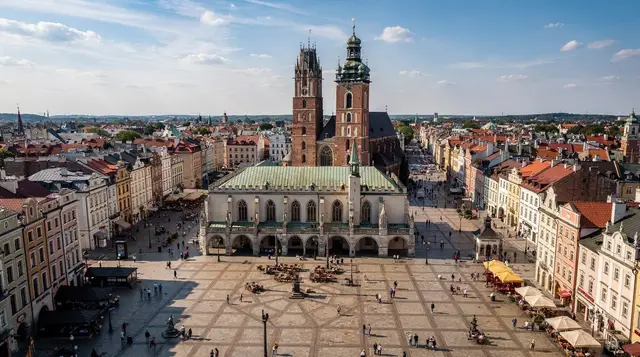
Krakow: legends and tales of Old Town walking tour
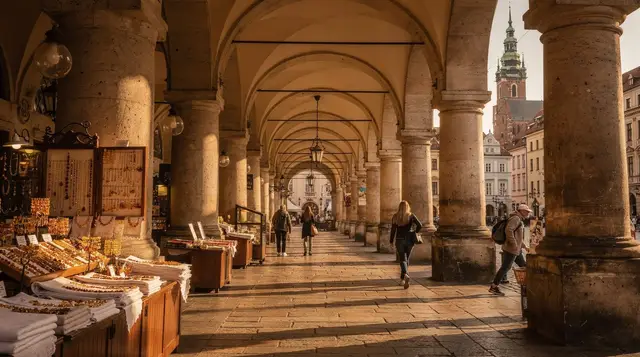
Krakow: Old Town and Barbican Museum private guided tour
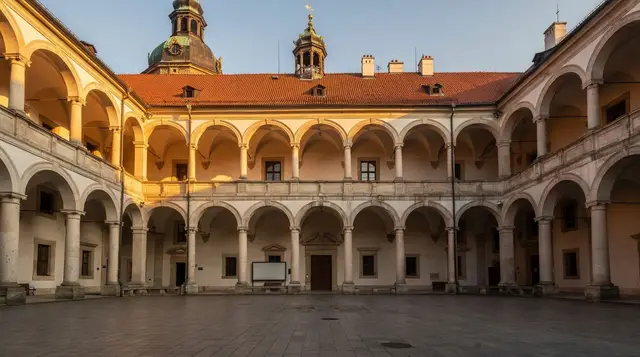
Krakow: private Royal Route & Wawel Hill tour
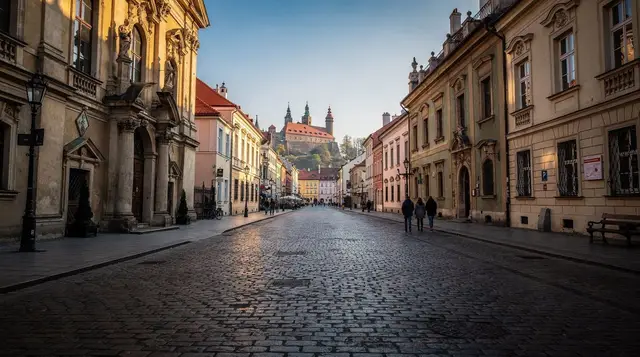
Krakow: medieval history city walking tour
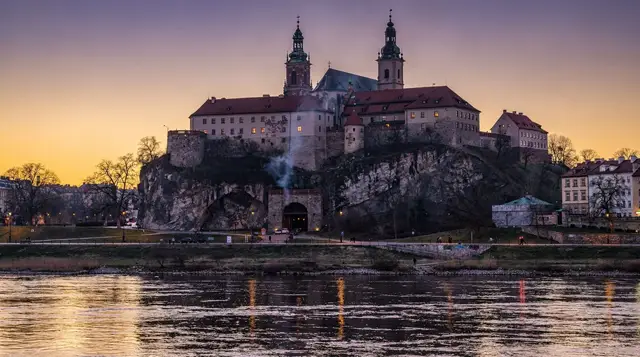
Krakow: evening walking tour with spooky stories
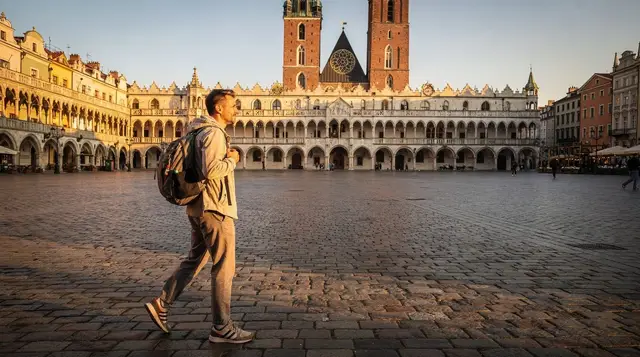
Creepy Krakow: 2-hour city walking tour

Evening ghost tour in Krakow
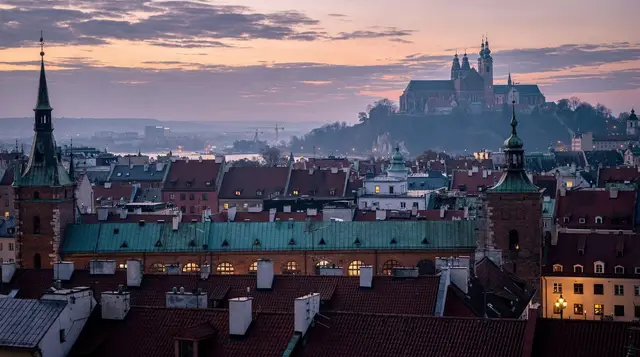
Macabre Krakow walking tour in English
More tours on Viator
Top-rated experiences with verified reviews, bookable on Viator (a Tripadvisor company).
 Viator
Auschwitz Birkenau Guided Tour Small Group with Hotel Pick up
FromEUR 65Check availability → Viator
Warsaw for WWII Buffs - private tour with hotel pickup
FromEUR 140Check availability → Viator
Auschwitz Birkenau Guided Tour Meeting Point from Cracow
FromEUR 52Check availability → Viator
Auschwitz-Birkenau Guided Tour with Private Transport from Krakow
FromEUR 89Check availability → Viator
Communist Warsaw: private tour by retro minibus with hotel pickup
FromEUR 140Check availability → Viator
Auschwitz Birkenau guided tour from Krakow/Tickets/Private car
FromEUR 175Check availability →Read our in-depth guides
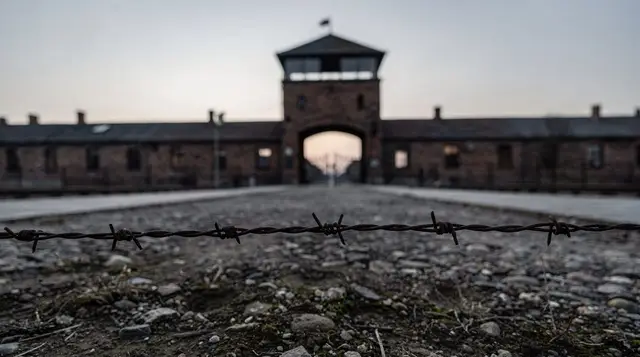
Auschwitz-Birkenau history: understanding what happened and why it matters
A clear, respectful history of Auschwitz-Birkenau — from the camp's establishment in 1940 to liberation in 1945. Essential reading before you visit.
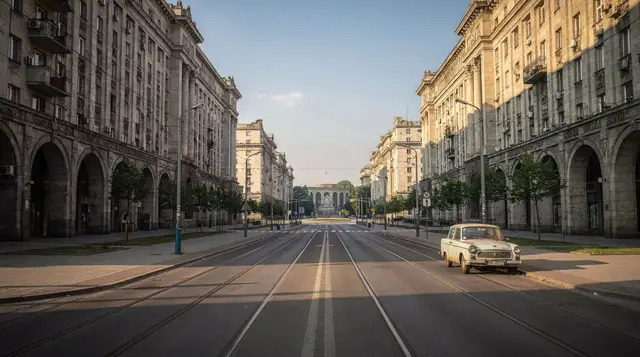
Communist Kraków tours: Nowa Huta, Trabants, and what to actually book
Honest guide to Kraków's communist-era tours: Nowa Huta walking tours, Trabant rides, bike tours, and museum visits — who should book which.
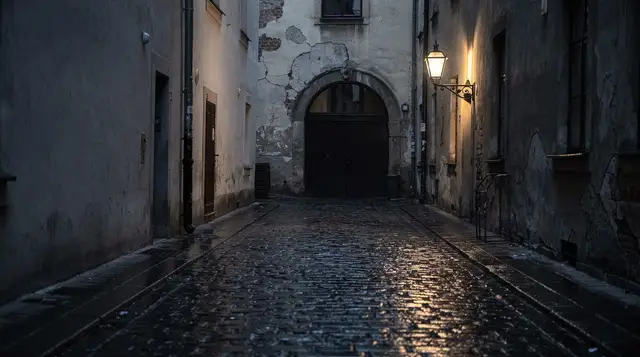
The Home Army and Polish resistance in Kraków: underground war 1939–1945
Poland's wartime underground: the Home Army, the clandestine university, sabotage operations, and the intelligence networks that operated from occupied
Kraków legends and myths: dragons, curses, and the stories behind the stones
The legends of Kraków: the Wawel Dragon, Princess Wanda, the Basilisk of the cellars, Lajkonik, and the myths woven into the city's streets.
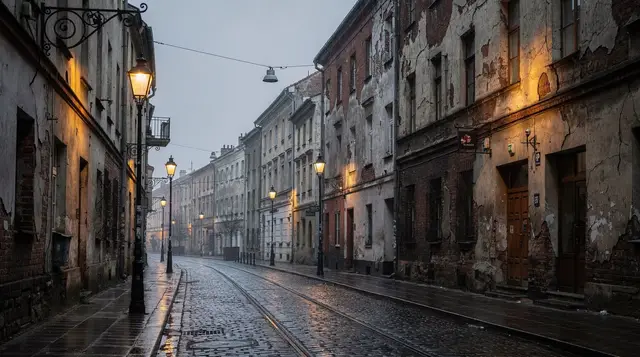
Kraków under Nazi occupation: daily life, terror, and survival 1939–1945
Kraków as Nazi-occupied capital 1939–1945: German administration, terror against Poles and Jews, the Podgórze ghetto, and life under the General
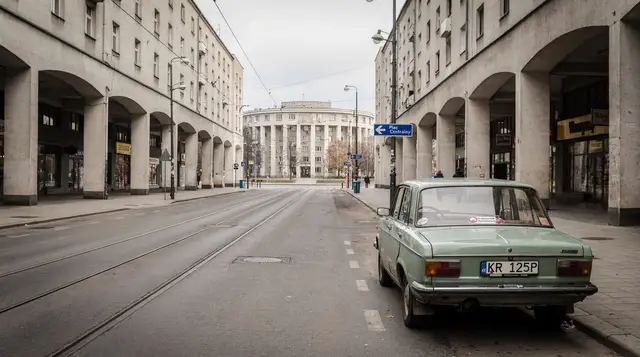
Nowa Huta: Kraków's socialist city and what it tells you about communism
Nowa Huta: the world's best-preserved socialist-realist city, built from scratch in 1949 as a model communist district 8 km east of Kraków's medieval
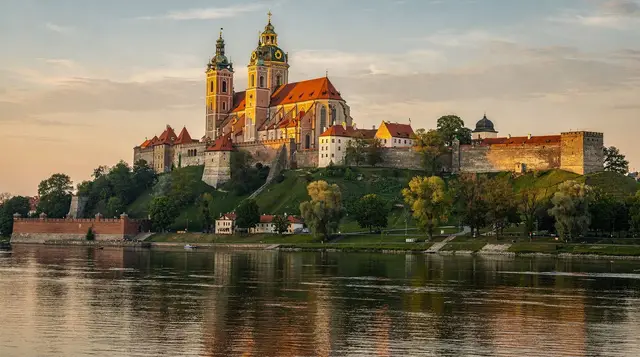
Polish history for visitors: a practical timeline from Piast to Solidarity
A practical Polish history timeline for Kraków visitors — from medieval kingdom through partition, Nazi occupation, communism, and the 1989 transformation.
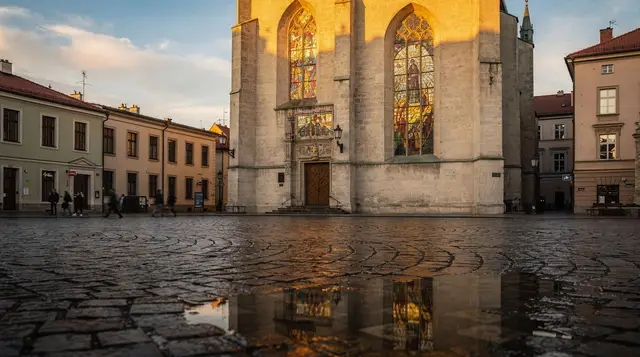
Pope John Paul II in Kraków: the sites, the story, and why he still matters
Karol Wojtyła was Archbishop of Kraków before becoming Pope. Key sites linked to his life, his role in ending communism, and how to visit them.
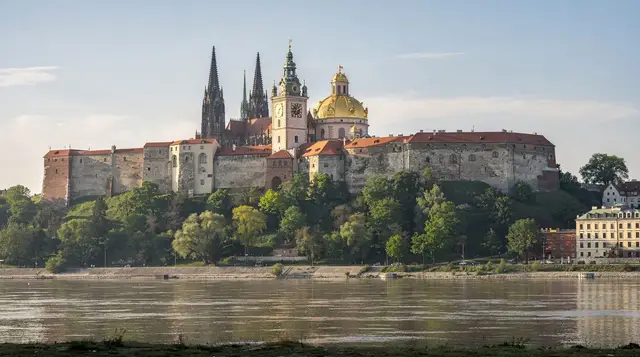
Wawel Castle and Cathedral: the full royal history of Poland's sacred hill
Wawel Hill: Poland's royal seat for five centuries — Piast kings, Jagiellonian Renaissance, Nazi occupation, and Poland's enduring national symbol.
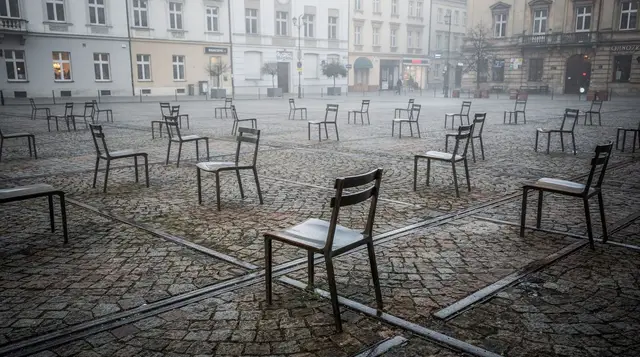
World War II Kraków: a neighbourhood guide to the occupation and resistance
Trace the Nazi occupation of Kraków through its surviving streets: the Ghetto in Podgórze, Schindler's Factory and Jewish Kazimierz.