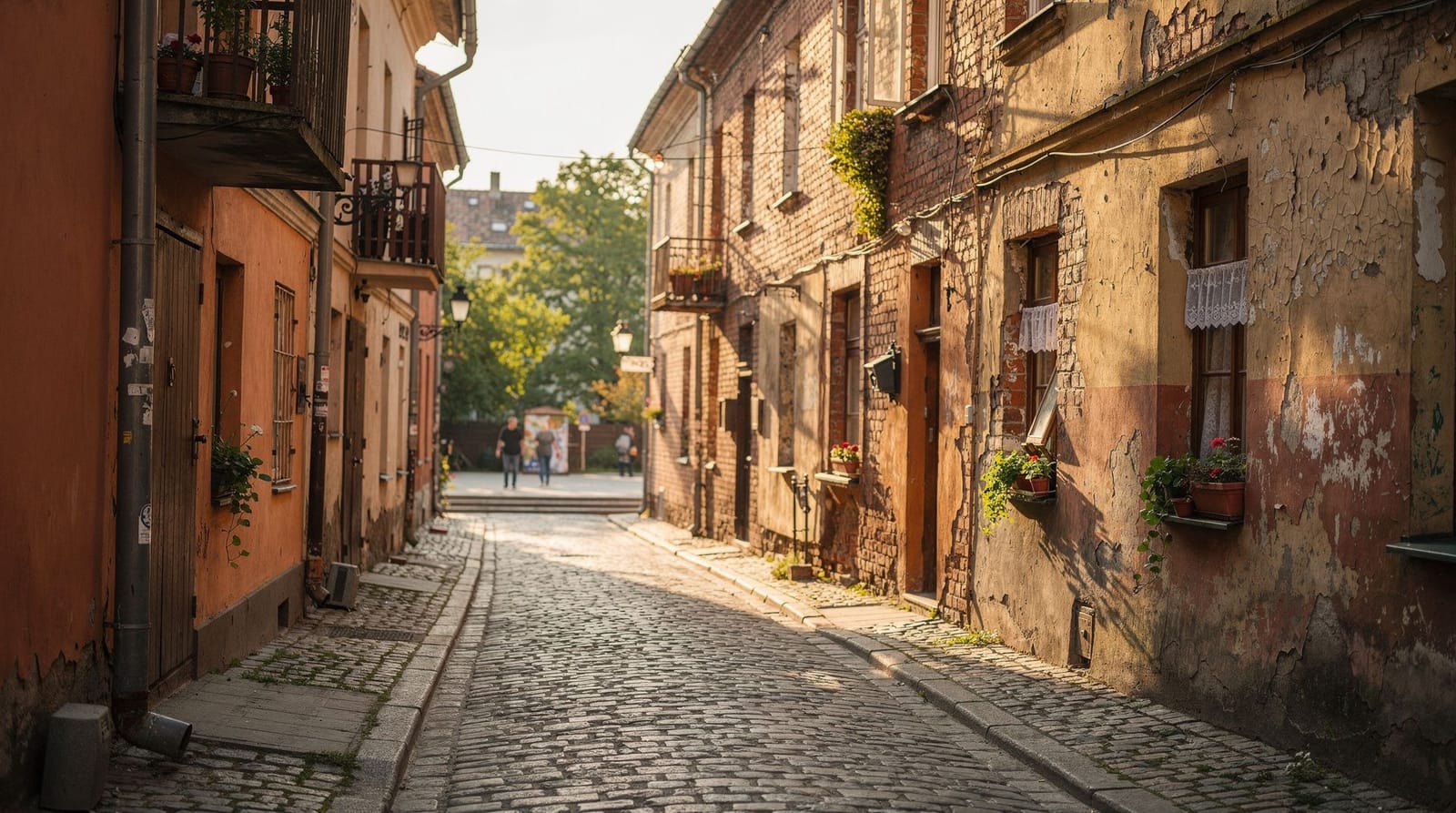
World War II Kraków: a neighbourhood guide to the occupation and resistance
Krakow: Schindler Factory Museum guided tour
Duration: 2h
What happened to Kraków during World War II?
Kraków became the capital of Nazi-occupied Poland's General Government in 1939. Its Jewish community — around 68,000 people — was confined to a ghetto in Podgórze, then systematically deported to extermination camps. The city itself largely survived the war intact, and the Schindler's Factory Museum in Podgórze now provides the most comprehensive account of that occupation.
Kraków in September 1939
The war reached Kraków quickly. German forces entered the city on 6 September 1939, five days after crossing the Polish border. Unlike Warsaw, which suffered sustained bombardment, Kraków was largely spared physical destruction — not from any mercy, but because the German occupiers intended to make it the administrative heart of conquered Poland. The city’s medieval core, its university, its churches and royal castle would serve the new order.
Within days, Kraków became the capital of the “General Government,” the occupied Polish territory not directly annexed into Germany. Governor-General Hans Frank established his court at Wawel Castle — in the same royal chambers where Polish kings had ruled — and the machinery of occupation was installed with terrifying efficiency.
This guide traces the physical geography of that occupation through the neighbourhoods that still bear its marks.
| Where | Podgórze (ghetto, Schindler’s Factory), Kazimierz, Wawel |
| Cost | Schindler’s Factory 60 PLN (free on Mondays); Pharmacy Under the Eagle 22 PLN (free on Wednesdays); square free |
| Time needed | A full day for the complete Podgórze/WWII circuit |
| Getting there | Walkable within Podgórze; tram from Old Town to Kazimierz |
| Best time | Book Schindler’s Factory ahead — it sells out in summer |
Wawel Castle under the Swastika
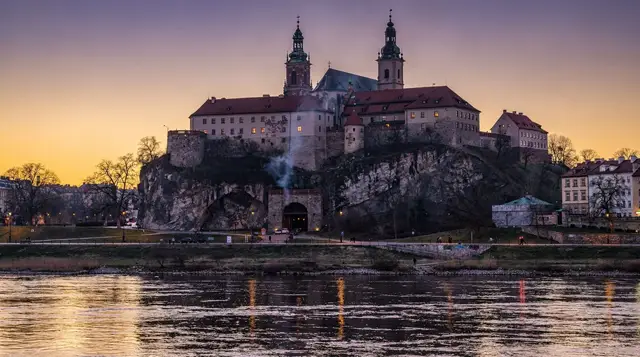
Wawel Castle itself is the place to begin any engagement with Kraków’s wartime history. The castle had been the seat of Polish royalty since the 11th century and remained Poland’s most potent national symbol. Hans Frank’s choice of it as his residence was precisely calculated: to humiliate Poland by occupying its most sacred space.
Frank ordered extensive renovations and lived in the castle throughout the occupation, hosting Nazi dignitaries and using the royal apartments as personal quarters. Polish staff were expelled; the castle’s art treasures — including Leonardo da Vinci’s “Lady with an Ermine,” Poland’s most valuable single painting — were looted and sent to Germany.
Today, the Leonardo hangs in the Czartoryski Museum on Pijarów Street in the Old Town, returned after the war. A visit to Wawel now carries the weight of knowing who last occupied these rooms. You can explore the full history on a Wawel Castle and Cathedral guided tour.
The expulsion of Kraków’s Jews from the city centre
Before the war, around 68,000 Jews lived in Kraków, concentrated primarily in the historic quarter of Kazimierz — the neighbourhood established for Kraków’s Jewish community in 1495 by King Jan I Olbracht. The community had deep roots, a rich cultural life, and some of Poland’s finest synagogues.
Within months of occupation, the situation deteriorated catastrophically. Jews were required to register, to wear armbands with the Star of David, to surrender businesses, to perform forced labour. In May 1940 the German authorities ordered the expulsion of Jews from Kraków itself, requiring all but 15,000 “economically useful” Jews to leave the city entirely. This mass displacement preceded the ghetto.
Kazimierz today retains its synagogues, its cemeteries, its low-rise streetscape. Walking through it requires holding the pre-war and post-war realities simultaneously: the buildings survived, the community did not. The Remuh Synagogue and cemetery on Szeroka Street, the Old Synagogue Museum on Szeroka Street, and the Galicia Jewish Museum on Dajwór Street all provide context — as does the simple experience of walking the streets.
The Podgórze Ghetto: 1941–1943
In March 1941, the remaining Jews of Kraków — approximately 16,000 people — were confined to a purpose-built ghetto in Podgórze, the working-class district south of the Vistula that had historically been separate from the old Jewish quarter of Kazimierz. The choice of Podgórze was deliberate: it separated the Jewish population from the main city by a river, making surveillance easier and escape harder.
The ghetto walls enclosed roughly 320 buildings in about 15 streets. At various points, the population reached 20,000 as Jews from surrounding villages were forced in. Average living space fell to a fraction of pre-war levels; food was deliberately restricted; disease was rampant. The ghetto wall — constructed from arched elements that deliberately mimicked Jewish gravestones, a specific humiliation — ran through what are now Lwowska Street and Limanowskiego Street.
Several original fragments of the ghetto wall survive today on Lwowska Street, marked with commemorative plaques. The wall sections are one of the most quietly devastating things to see in Kraków — the stones are shaped into tombstone arches, a dehumanising detail ordered by SS authorities.
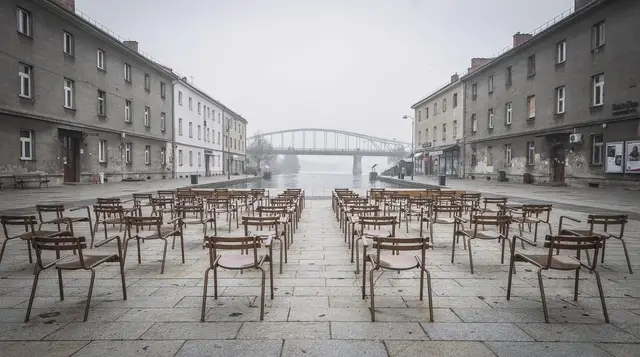
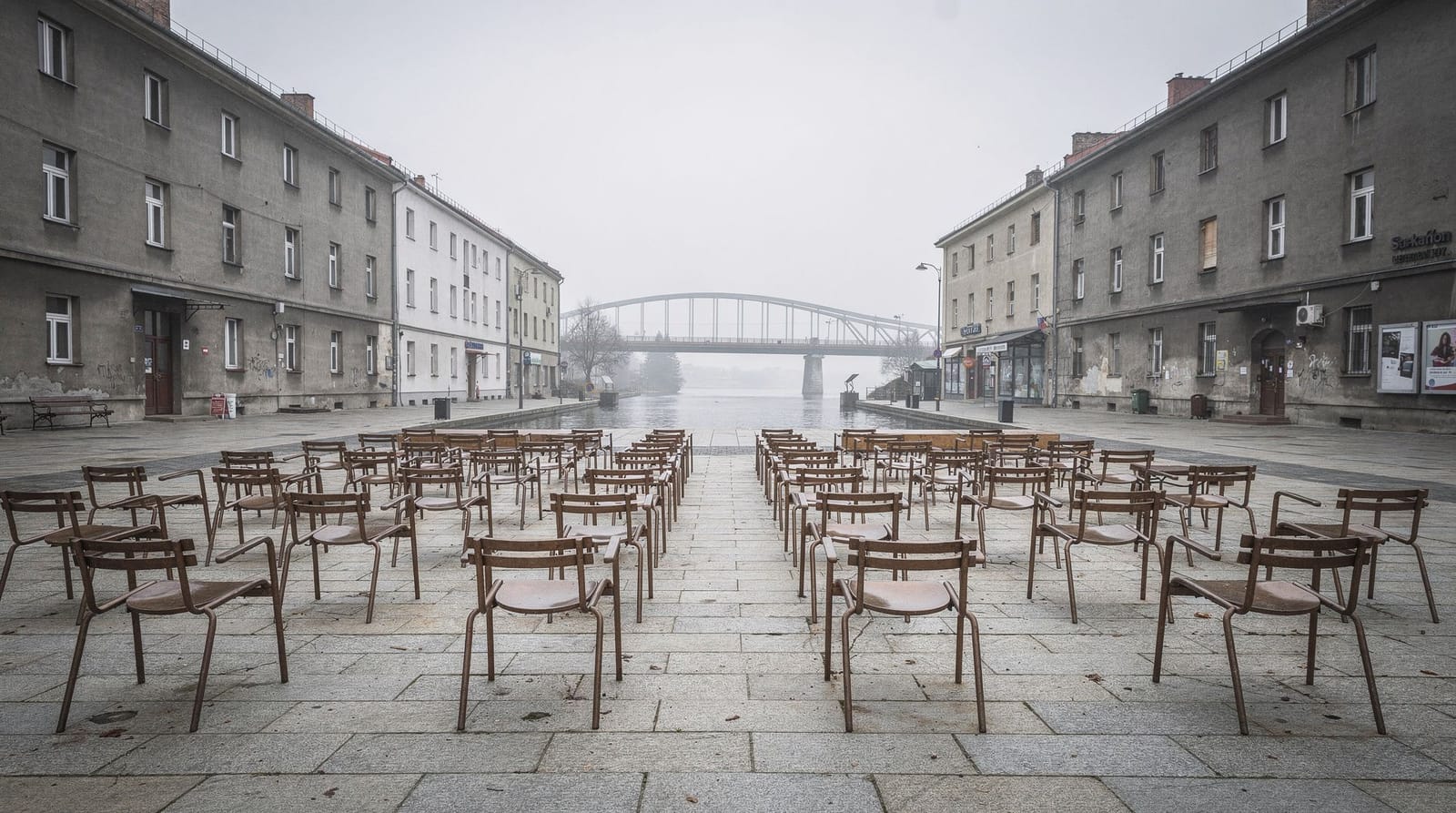
Ghetto Heroes Square (Plac Bohaterów Getta), at the heart of the former ghetto, was the site of deportation assemblies. Today the square contains 33 oversized empty chairs, a memorial designed by Piotr Lewiński and Renata Połeć, unveiled in 2005. Each chair represents 1,000 of the 33,000 Jewish people from Kraków and surrounding areas who were deported to or murdered at Auschwitz-Birkenau. The square is small, quiet, and deeply affecting.
The “Apteka pod Orłem” (Pharmacy Under the Eagle) on the square’s north side was run by Tadeusz Pankiewicz, the only ethnic Pole permitted to operate a business inside the ghetto. Pankiewicz and his staff assisted ghetto residents, passed messages, and provided medications through the years of the ghetto’s existence. His memoir, published in English as “The Pharmacy in the Cracow Ghetto,” is the most immediate eyewitness account of daily life in the ghetto. The pharmacy is now a museum — small, sober, and worth an hour.
Oskar Schindler’s Factory
The most internationally famous site of Kraków’s wartime history is the enamel factory at Lipowa 4 in Zabłocie, a neighbourhood of Podgórze just east of the ghetto. Oskar Schindler, a German businessman and Nazi party member, arrived in Kraków after the invasion seeking profit from Jewish forced labour. He leased and then purchased the former Jewish-owned Rekord enamel factory, renamed it Deutsche Emailwarenfabrik, and employed Jewish workers — initially because they were cheaper than Polish workers, eventually because employing them offered them minimal protection.
The Schindler story, dramatised in Steven Spielberg’s 1993 film and Thomas Keneally’s novel, is complex and contested by historians. Schindler did save approximately 1,200 Jews from deportation and death, primarily by insisting they were essential skilled workers and, in the final phase, moving his operation to Brünnlitz in the Sudetenland where he spent his fortune bribing SS officials. He was not a simple hero — he was a war profiteer who also happened, at considerable personal risk, to save lives.
The museum that now occupies the factory, operated by the Historical Museum of Kraków, opened in 2010 and is one of the finest historically curated museums in Europe. Its permanent exhibition “Kraków under Nazi Occupation 1939–1945” is not principally about Schindler — it is about the experience of all Kraków’s residents under occupation, using immersive design, archive materials, and personal testimonies to recreate the atmosphere and reality of those years. The Schindler story is one thread in a much larger exhibition.
A guided tour of Schindler’s Factory Museum is strongly recommended over a self-guided visit; the exhibition’s density rewards the explanatory context that a guide provides. Book in advance — the museum is one of the most popular in Poland and frequently sells out.
The liquidation of the ghetto
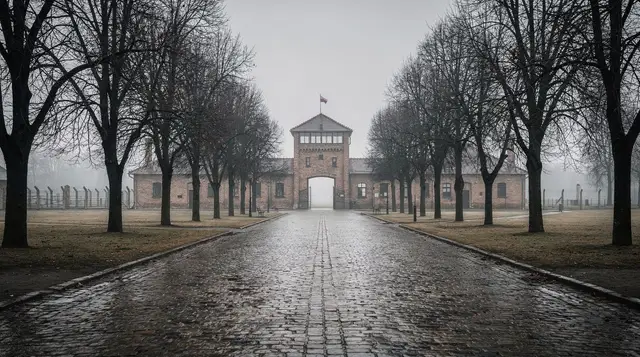
The Kraków Ghetto was liquidated in two phases. The first, in June 1942, saw approximately 7,000 people deported to the Belzec extermination camp. The second liquidation came on 13–14 March 1943, known in Yiddish testimony as “Schwarze Donnerstag” (Black Thursday). SS forces moved through the ghetto, shooting those who resisted or who were too ill to move, and rounding up some 8,000 people on Ghetto Heroes Square for deportation to Auschwitz-Birkenau. The remainder — around 8,000 people — were marched to the nearby Płaszów forced labour camp.
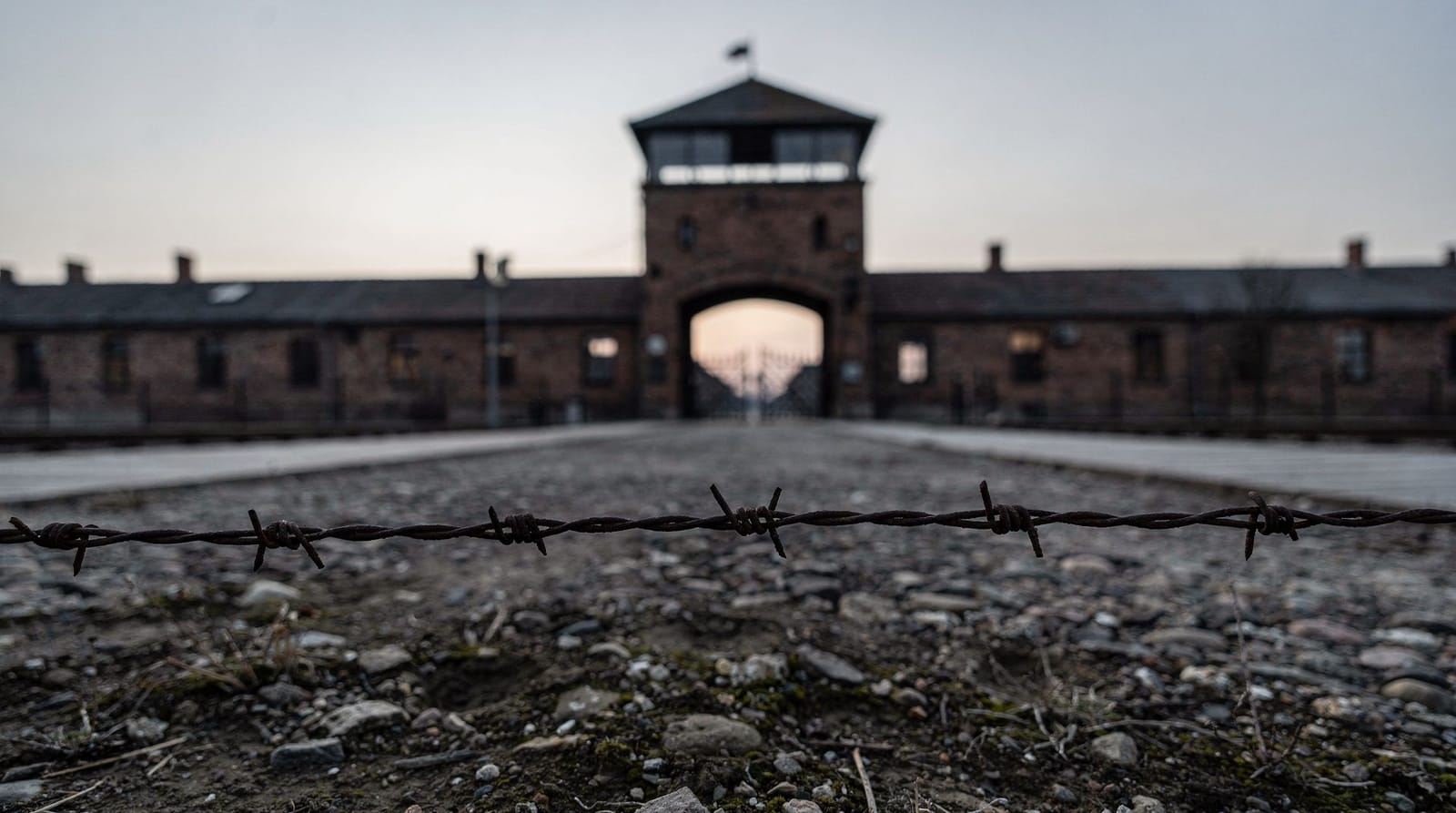
The Płaszów camp, commanded by the notoriously sadistic Amon Göth (depicted in Schindler’s List), operated from 1942 to 1944 on the site of two Jewish cemeteries in southern Kraków. The camp held as many as 25,000 prisoners at its peak. After the war the site was cleared; the camp’s barracks are gone, but the ground itself — and its history — remains. The site is now a memorial park accessible on foot from Podgórze. A large granite monument marks the former camp’s centre.
Kraków’s Polish resistance
Polish resistance in Kraków was substantial and varied — from intelligence networks feeding information to the British, to sabotage operations against German infrastructure, to the underground press that operated throughout the occupation. The guide to Home Army resistance in Kraków covers this in detail.
The overall context of the occupation — how it felt to live in a city under Nazi rule, how Polish civilians navigated daily survival alongside collaboration, resistance, and witnessing — is covered in the guide to Kraków under Nazi occupation.
The Rynek Główny under occupation
The main market square — Rynek Główny — was renamed Adolf Hitler Platz by the occupiers and became the administrative and social centre of German Kraków. German cafés, shops, and administrative offices occupied the ground floors of buildings that had previously served Polish and Jewish merchants. The Sukiennice (Cloth Hall) was used as a German commercial centre.
The Jewish community had already been expelled from the Old Town by this point; Polish residents navigated a square that was simultaneously their historical centre and the most visible symbol of occupation. German soldiers, administrators, and SS officers mixed with Polish residents required by circumstance to use the same public space.
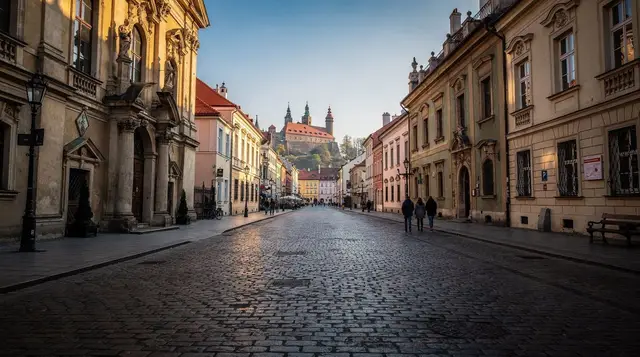
After liberation, the square reverted to its Polish name almost immediately. The Rynek Główny today shows virtually no physical trace of the occupation; its Renaissance and Baroque buildings survived intact, and the pre-war social pattern — outdoor cafés, flower sellers, tourists from across Europe — resumed. The absence of physical damage to the square makes the occupation harder to visualise than, say, the ghetto wall fragments in Podgórze. This is worth noting: survival can occlude history.
The most immediate way to connect the Rynek Główny to the wartime period is via the Rynek Underground Museum (beneath the square, entered at the northern edge near St. Mary’s Basilica). While its primary focus is medieval archaeology, its upper levels include material from the 19th and early 20th century, and the museum’s design — walking through the actual foundations of the buildings above — has an atmospheric quality that hints at the buried layers of the city’s history.
Where to stay for wartime history focus
For visitors specifically focused on WWII history, staying in Podgórze places you within walking distance of the ghetto sites, Schindler’s Factory, and the Płaszów memorial. The Stacja Kazimierz boutique hotel, Apartamenty Podgórze, and Hotel Korona are all well-positioned. Alternatively, Kazimierz offers excellent smaller hotels and apartments within 15 minutes’ walk of Podgórze.
Avoid staying on Rynek Główny itself for this kind of visit — you will simply spend more time and money on transport that could be spent at the sites themselves. The where to stay in Kraków guide has a full neighbourhood breakdown if you’re weighing this against other priorities for your trip.
The city during occupation: a neighbourhood account
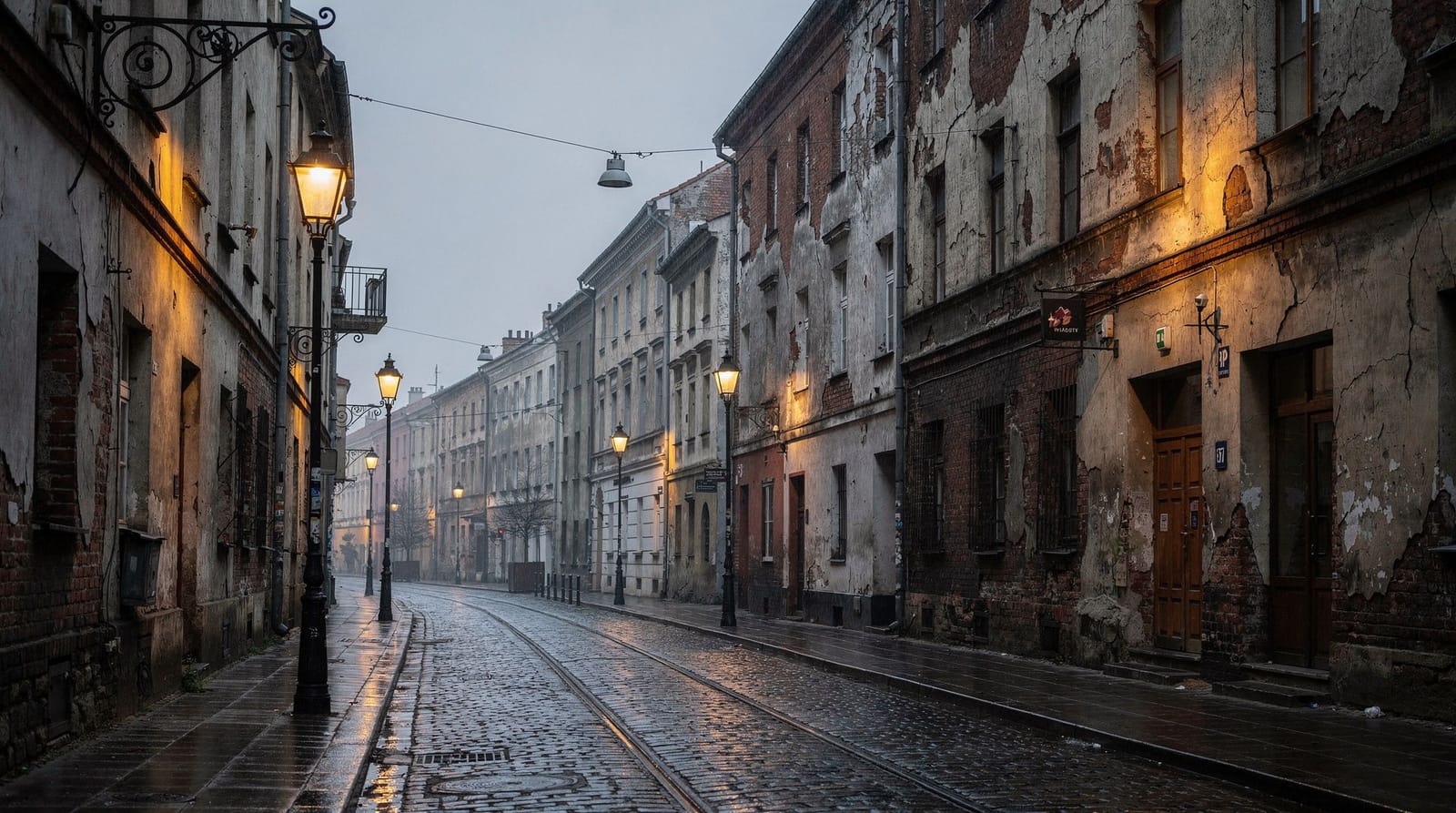
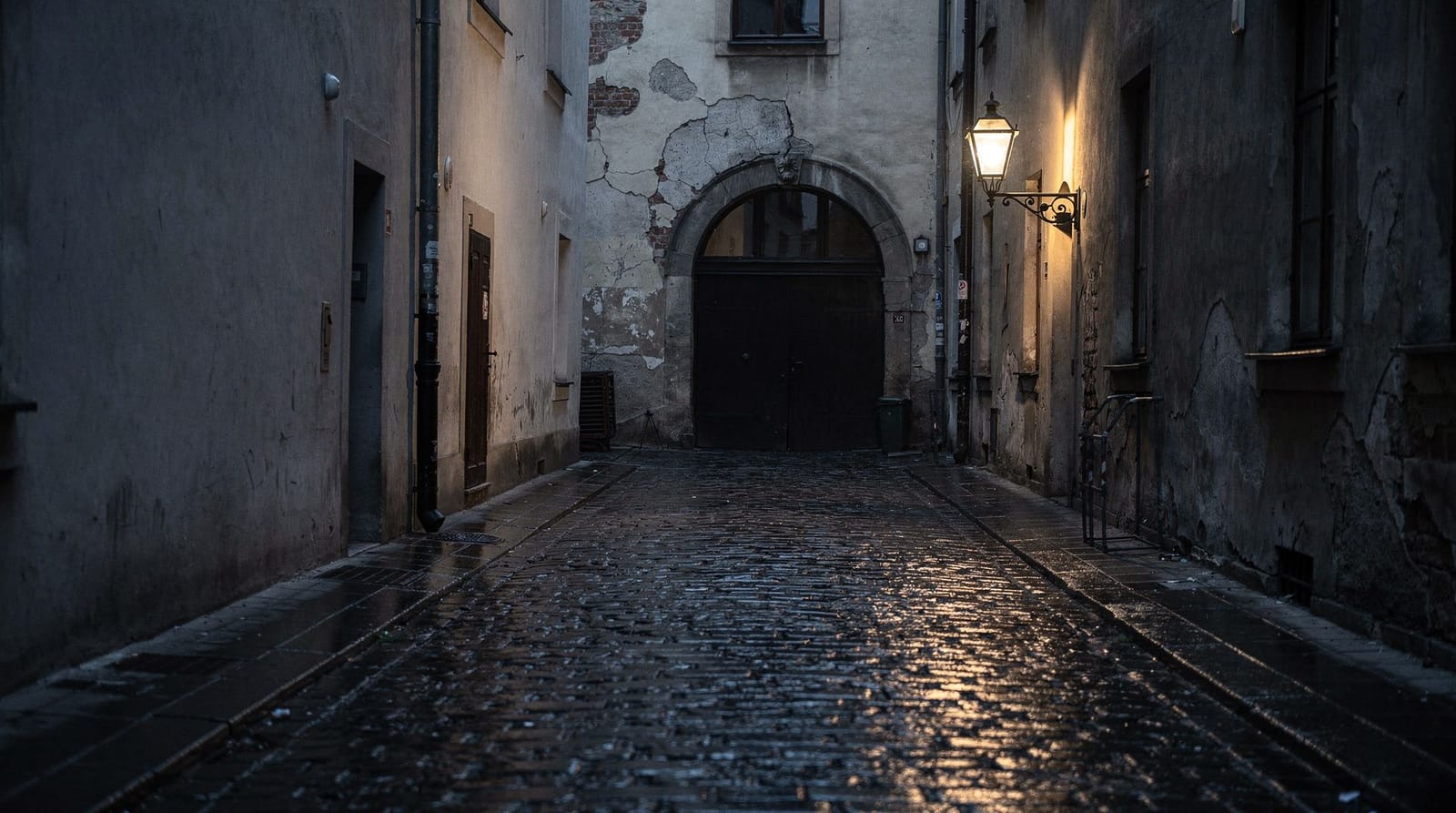
Walking through Kraków today with the occupation in mind requires knowing what has changed and what has not. Much of the physical fabric of the city survived the war, making it possible to walk streets that witnessed the events described here.
The Old Town (Stare Miasto): The main German civilian and military administration operated from buildings around Rynek Główny and along the main east-west axis. The Gestapo headquarters moved several times; one of the most feared addresses was Pomorska Street 2, where interrogations and torture took place. The building now houses the Historical Museum of Kraków’s exhibition on occupation and resistance.
Kazimierz: The historic Jewish quarter was not used as the ghetto — the Germans chose Podgórze instead, across the river, specifically to separate the Jewish population from the main city. Kazimierz’s synagogues and cemeteries survived the war largely intact; its community did not. Walking through Kazimierz today requires holding both realities: the buildings are pre-war; the people who inhabited them are gone.
Nowa Huta did not exist during the war — it was built from 1949 onwards on fields east of the city. But the communist-era construction of Nowa Huta is directly related to the post-war political situation: the city’s depleted and traumatised population was reshaped by the new communist regime through industrial migration.
The Kraków cultural scene under occupation
Nazi occupation policy toward Polish culture was systematic destruction. The Jagiellonian University was closed (see the Home Army resistance guide for the story of its underground continuation). Polish-language publishing was prohibited or severely restricted. Theatre, cinema, and public music were subjected to German censorship. The famous Stary Teatr (Old Theatre) on Jagiellońska Street was commandeered for German performances.
The underground cultural life that continued in response was extraordinary in its scope: clandestine literary readings in private apartments, underground art exhibitions, illegal concerts. The poet Czesław Miłosz (later Nobel laureate) spent part of the war in Warsaw’s underground cultural scene; Kraków had comparable, if less-documented, activity.
Cafés around Rynek Główny continued to operate under German oversight, serving primarily German administrators and officers. For Polish residents, access to such public spaces was constrained by both economics (occupation-level wages, restricted rations) and the constant surveillance of public spaces by German patrols and informers.
Collaboration, complicity, and rescue
The historical record of Kraków under occupation includes Polish collaboration, Polish indifference, and Polish rescue — often in the same families, sometimes in the same individuals at different moments. The question of how ordinary people navigated the moral catastrophe of occupation is one of the central concerns of the Schindler Factory Museum’s exhibition.
Tadeusz Pankiewicz, the Polish pharmacist who operated the Pharmacy Under the Eagle inside the Kraków Ghetto, represents one extreme: active assistance to Jewish residents at personal risk, continued throughout the ghetto’s existence. Pankiewicz received the title of Righteous Among the Nations from Yad Vashem in 1983.
At the other extreme, some Poles denounced Jewish neighbours to the Gestapo for the reward (typically a small amount of food or valuables). Historical research has documented cases in Kraków as across occupied Poland; the numbers are debated and politically sensitive.
The majority occupied the vast middle ground: people who prioritised their own family’s survival, who witnessed atrocities they could not stop, who sometimes helped and sometimes looked away. Judging these choices from the distance of 80 years, without having faced the same circumstances, is not a historical task that warrants simple verdicts.
Key wartime sites at a glance
| Site | Location | Cost | Time needed |
|---|---|---|---|
| Ghetto Heroes Square | Podgórze | Free | 20–30 min |
| Pharmacy Under the Eagle | Podgórze | 22 PLN (free on Wednesdays) | 45–60 min |
| Schindler’s Factory Museum | Zabłocie, Podgórze | 60 PLN (free on Mondays) | 2–3 hrs |
| Ghetto wall fragments | Lwowska Street, Podgórze | Free | 15 min |
| Płaszów memorial site | Southern Podgórze | Free | 40 min each way on foot |
For a ready-made sequence through these sites plus Auschwitz, the WWII Kraków history itinerary lays out a practical day-by-day structure rather than leaving you to plan the geography from scratch.
Practical notes for wartime history visitors
Schindler’s Factory Museum opens Tuesday–Sunday, 9:00–20:00, and Monday 10:00–15:00 (free entry on Mondays, no reservation). It is closed on the first Tuesday of each month. Last entry is 1.5 hours before closing. Tickets: 60 PLN adults (≈ €14.30), 45 PLN reduced. Tickets can be booked online up to 90 days ahead, and an original ID is required for named tickets; advance booking is advisable in summer.
The Pharmacy Under the Eagle museum (open Wednesday–Sunday, 9:00–17:00) costs 22 PLN (16 PLN reduced) and is free on Wednesdays; Ghetto Heroes Square has no entry fee and is always accessible. The Płaszów memorial is freely accessible on foot.
A full Podgórze/WWII day might run: Ghetto Heroes Square and Pharmacy (1 hour) → Schindler’s Factory Museum (2–3 hours) → Ghetto wall fragments on Lwowska → optional walk to Płaszów site (40 minutes each way from Schindler’s). Combined with Kazimierz, this is a full and emotionally demanding day.
For context on Auschwitz itself — the endpoint for most deportees from Kraków — see the Auschwitz-Birkenau history guide and consider booking a guided Auschwitz-Birkenau tour from Kraków.
After the war: from occupation to communism
The occupation’s end in January 1945 did not bring a return to pre-war normality. Kraków emerged from Nazi rule directly into decades of communist government, and the city’s postwar trajectory is inseparable from what came before it — a depleted, traumatised population reshaped by a new regime that built Nowa Huta as a deliberate ideological counterweight to the historic, church-dense Old Town. Visitors building a fuller picture of 20th-century Kraków often extend a WWII-focused day with a half-day in Nowa Huta, tracing the line from occupation through to the Cold War city that followed.
Frequently asked questions about WWII Kraków
Why did Kraków survive World War II with its architecture intact?
Unlike Warsaw, which was systematically destroyed by the Germans after the 1944 Uprising, Kraków was largely spared bombing and deliberate demolition. The German occupiers intended to use it as an administrative centre and invested in its infrastructure. The retreating German army in January 1945 initially planned to blow up key bridges and buildings but were prevented from doing so by the speed of the Soviet advance and, according to some accounts, by sabotage of the detonation wiring by Polish engineers.
How many Kraków Jews survived the Holocaust?
Of the approximately 68,000 Jews who lived in Kraków before the war, roughly 6,000 survived — around 9%. Many of those who survived did so by fleeing east before 1941 (where many later died under Soviet rule), by hiding with Polish families, or by surviving the camps. The community that had existed in Kazimierz for 500 years essentially ceased to exist.
What happened to Wawel Castle’s art after the war?
Most of the looted art was recovered. “Lady with an Ermine” by Leonardo da Vinci was found in Germany and returned to Poland in 1946. The tapestry collection was evacuated to Canada at the start of the war and returned in 1961. Some works remain missing; Polish institutions continue efforts to trace them.
Can you combine Schindler’s Factory and Auschwitz in one day?
Technically possible, but not recommended. Both sites demand emotional and intellectual engagement; rushing either does disservice to both. A better approach is to dedicate a full day to Schindler’s Factory and the Podgórze ghetto sites, and a separate full day to Auschwitz-Birkenau.
Is the WWII Kraków circuit appropriate for children?
It can be, for older children and teenagers with some historical grounding, but the content is heavy — deportation, ghetto conditions, and the Holocaust are presented directly rather than softened. Most families find it more appropriate for ages 12 and up, and it’s worth discussing what your child will see beforehand rather than treating it as a standard sightseeing day.
How does the Kraków Ghetto compare to the Warsaw Ghetto?
Both were sites of forced confinement, deportation, and mass murder, but Kraków’s ghetto was considerably smaller — around 15,000–20,000 people at its peak, versus several hundred thousand in Warsaw — and its physical traces are more fragmentary today since much of Warsaw’s ghetto area was destroyed in the 1943 uprising and subsequent demolition. Kraków’s surviving wall fragments, Ghetto Heroes Square, and the intact Schindler’s Factory building give it a more physically legible history than Warsaw’s, where far less of the built ghetto survives.
Top experiences
Bookable activities with verified prices and instant confirmation on GetYourGuide.