Krakow winter and Christmas itinerary: 3 days in the festive season
Krakow: highlights of Old & New Town private walking tour
Kraków at Christmas: one of Europe’s best winter cities
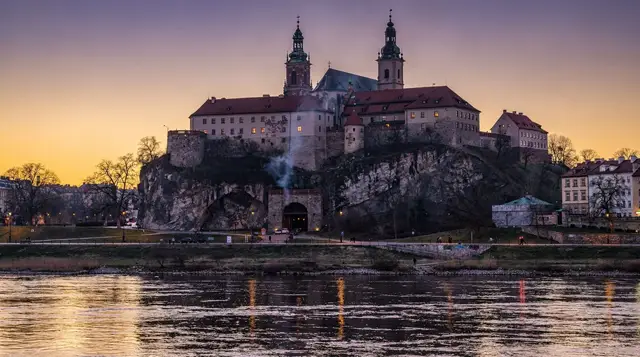
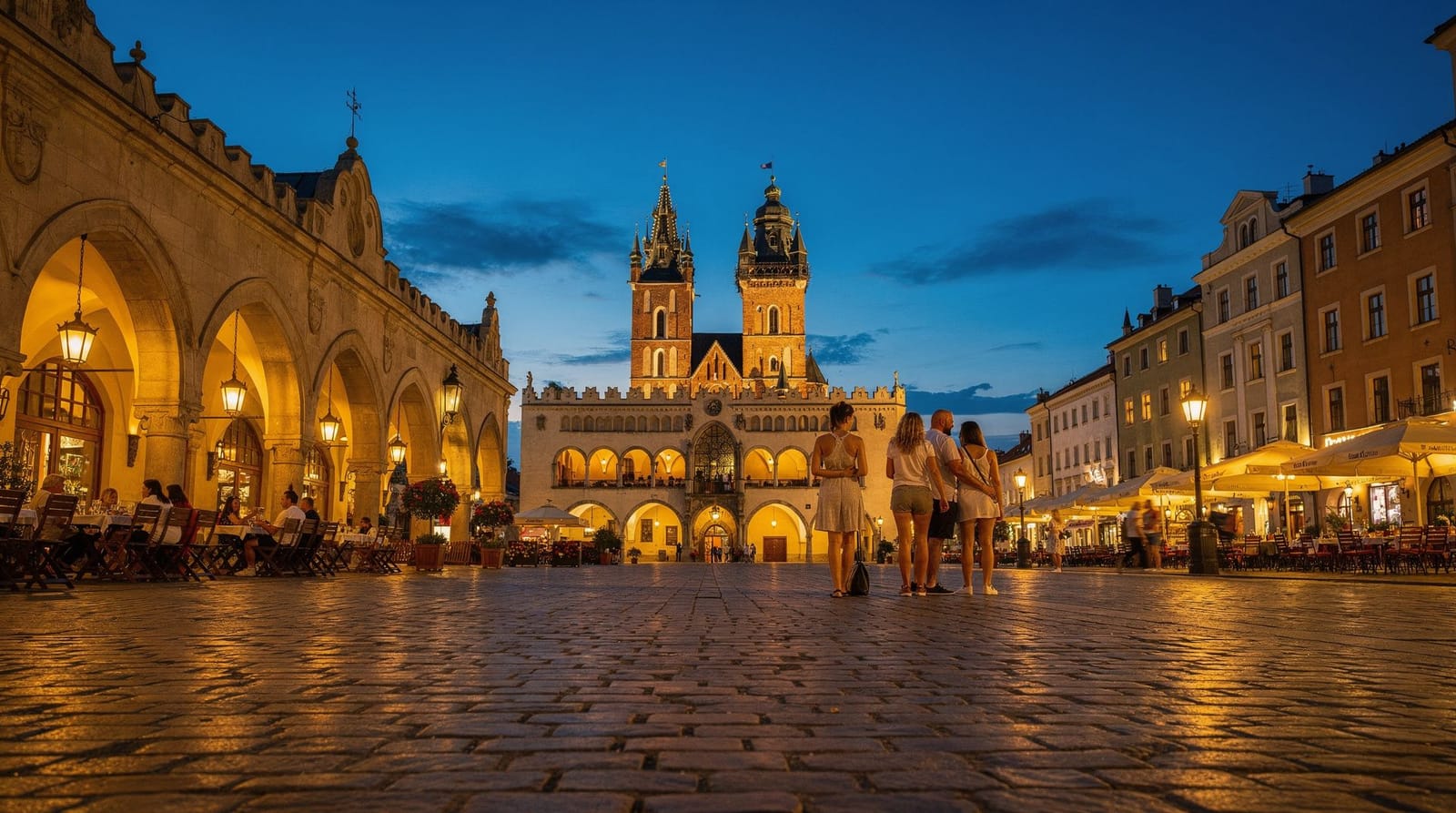
Kraków in winter is the city at its most atmospheric. Snow turns the cobblestones of the Rynek Główny into something from a different century. The Christmas markets (27 November 2026–6 January 2027) wrap the Sukiennice in lights. The gingerbread sellers, the mulled wine (grzaniec, 12–18 PLN), the carved wooden nativity scenes: Kraków’s Christmas market is consistently voted one of Europe’s best, and it earns the reputation.
The temperature in December–January hovers between −4 and +5 °C. Snow is common but not guaranteed — the most reliable snow is in the Tatra Mountains at Zakopane (860 m), where this itinerary spends one day. Layer properly: thermal base, wool mid-layer, windproof outer. Good walking boots or waterproof shoes are essential for the cobblestones.
Market dates: Christmas market 27 November 2026–6 January 2027. The Szopka Competition (nativity scene/Christmas crib competition) — a Kraków tradition since 1937, UNESCO Intangible Cultural Heritage — takes place on the first Thursday of December, when the intricate szopki (elaborate miniature architectural models in the form of nativity scenes) are displayed in the Rynek.
| Where | Old Town, Kazimierz, Zakopane (day trip) |
| Cost | around 200–350 PLN/night hotel + market spending |
| Time needed | 3 days |
| Getting around | on foot in the city; PKS bus or transfer for Zakopane |
| Best time | 27 November–6 January for the market |
For the wider seasonal picture beyond the market dates, see Kraków in winter; for New Year specifically, see the Kraków New Year celebration blog account.
Day 1: Christmas markets and the Old Town at night
11:00 — Arrive and orient
Arrive by late morning — Kraków is significantly colder in winter than in summer, and the days are short (sunset by 15:30 in December). Take the train from Kraków Balice Airport to Kraków Główny (about 20 minutes, 20 PLN), then walk 15 minutes west to the Old Town.
Check in to your hotel before exploring — you’ll want to drop heavy coats before the market. Hotels in the Old Town are excellent in winter: lower prices than summer (mid-range hotels 200–350 PLN/night vs. 350–500 PLN in peak season), warmer interiors, and quieter corridors.
12:30 — The Christmas Market
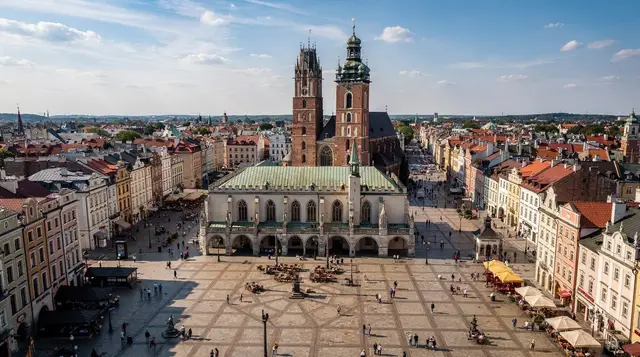
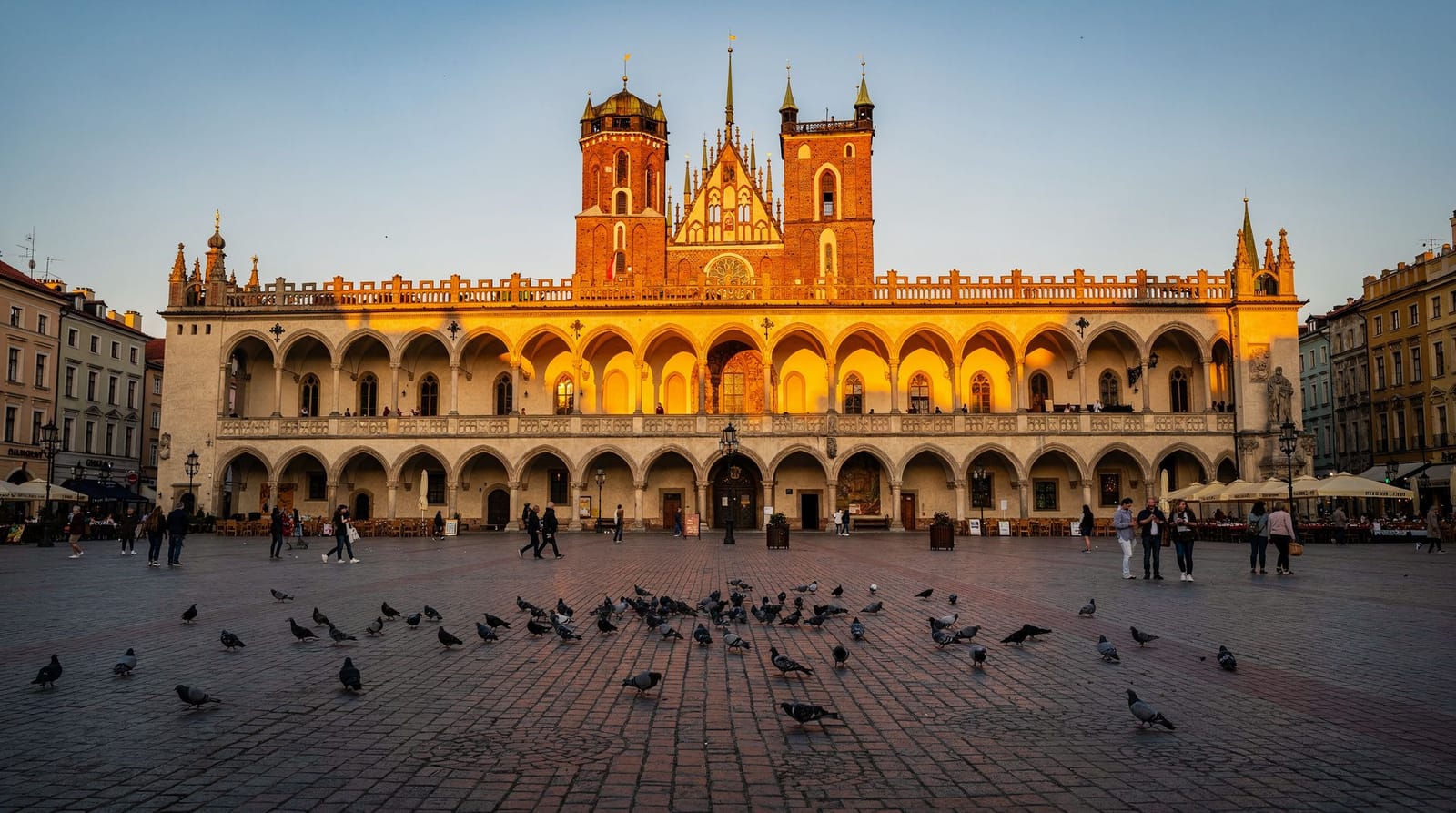
The Kraków Christmas market surrounds the Sukiennice on all sides and extends to the eastern edge of the Rynek. It’s smaller than Vienna or Strasbourg but genuinely Polish in character — the focus is on craftsmanship rather than imported Glühwein infrastructure.
What to look for:
- Szopki (Christmas cribs): elaborate architectural constructions in the form of Kraków’s own towers (Barbican, Wawel towers, St. Mary’s twin towers) made from coloured foil, tinsel, and wood — intricate and specific to Kraków. Available from 50 PLN for a small one, 300–1,000 PLN for the elaborate versions. Authentic Kraków souvenir.
- Obwarzanki (pretzel rings): the same cart vendors operate in winter, with gloves now. 3 PLN.
- Pierniki (gingerbread): Kraków gingerbread comes in shaped versions (dragons, Wawel towers) dusted with powdered sugar. 5–15 PLN each.
- Oscypek grillowany (grilled sheep’s cheese): the same highland cheese from the Tatras, served warm from a grill with cranberry jam. 10–15 PLN — the best single thing to eat at the market.
- Grzaniec (mulled wine or mulled beer): 12–18 PLN per large cup.
For the background on each stall type, see the Christmas markets guide. If you would also like a guided overview of the city around the market, a close alternative is the Krakow: highlights of Old & New Town private walking tour.
14:00 — St. Mary’s Basilica and Szopka display
Enter St. Mary’s Basilica (20 PLN; open Monday–Saturday 11:30–18:00, Sunday 14:00–18:00) for the winter interior — the Veit Stoss altarpiece with the blue-and-gold ceiling takes on a different quality in winter light through the jewelled Gothic windows. In December, the basilica displays its own szopka nativity scene.
If visiting on the first Thursday of December: the Szopka Competition displays take place at the base of the Adam Mickiewicz statue in the Rynek at noon — hundreds of elaborate miniature Kraków architectural constructions, judged for craftsmanship, intricacy, and adherence to Kraków’s traditional towers-and-tinsel style. The display is then moved to the Historical Museum of Kraków (Krzysztofory Palace, Rynek Główny 35) where it remains through February (entry 34 PLN, free on Tuesdays). This is one of Poland’s most beautiful and specific cultural events.
16:00 — Rynek Underground Museum (winter advantage)
The Rynek Underground Museum (45 PLN, free on Tuesdays) is particularly good in winter — fewer crowds, and the contrast between the cold cobblestones above and the medieval warmth of the excavation below is striking. The holograms of medieval traders look better in lower ambient light.
Rynek Underground Museum guided tour — book a late afternoon slot (15:00 or 16:00) when the market outside is already lit up for the evening.
17:00 — The Rynek at dusk
This is the best time at the Christmas market. By 16:30 in December it’s completely dark; by 17:00 the market lights are at full intensity. The lights strung between the Sukiennice and the stalls, the glow of the mulled wine heating drums, the lit-up basilica towers: this is the image of Kraków at Christmas that appears on every December travel list. Buy a grzaniec and walk the market perimeter slowly.
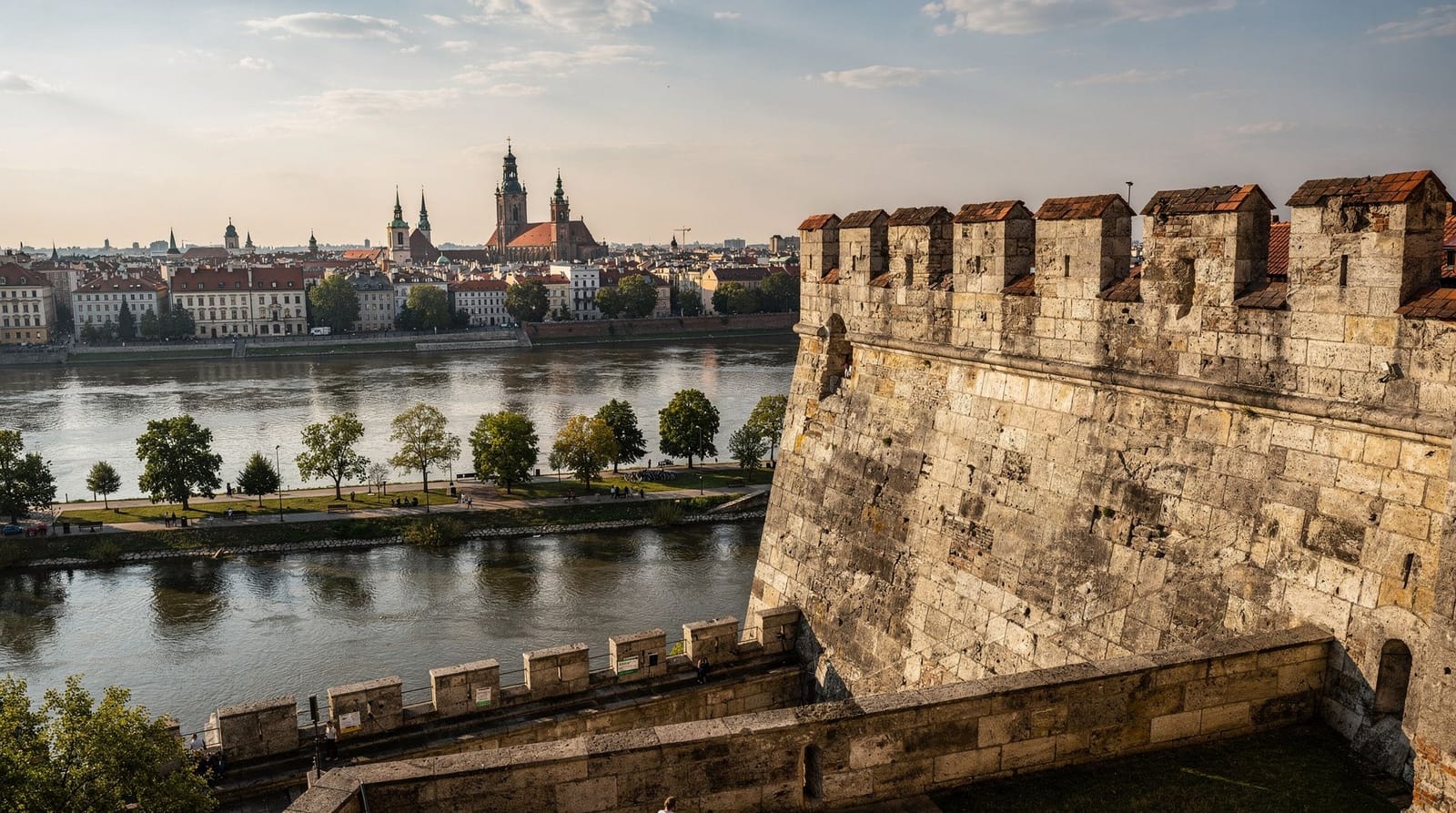
The Barbican and Florian Gate are illuminated until 22:00 in winter. Walk north along the illuminated wall section for the view back to the lit-up Rynek.
19:00 — Winter dinner
Miód Malina (ul. Grodzka 40, mains 55–80 PLN): the vaulted cellar is particularly atmospheric in winter. Polish barszcz (beetroot soup, 25 PLN) is the defining winter dish; it’s darker and richer in cold weather. The wild boar and venison dishes on the winter menu are seasonal highlights.
Or: Restauracja Wentzl (Rynek Główny 19) for a more formal dinner on the square — the windows look directly onto the Christmas market lights. 70–110 PLN per main, but appropriate for a special occasion.
21:00 — Evening at the market
The market stays open until 20:00–21:00. Return for the quieter final hours — fewer crowds, the vendors closing up their stalls, the atmosphere more intimate. The Piwnica Pod Baranami (Rynek Główny 27, basement cabaret venue) has evening shows in winter — programme on piwnicapodaranami.pl.
Day 2: Zakopane and thermal baths
7:30 — Depart for Zakopane
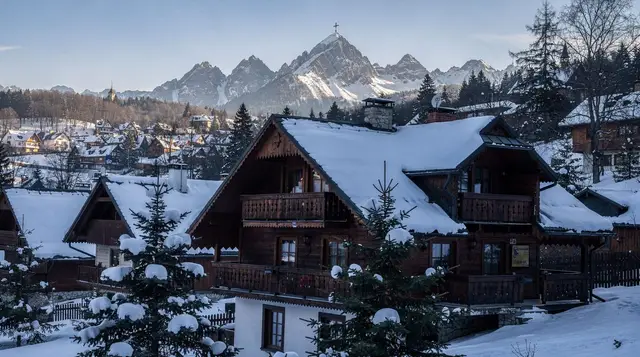
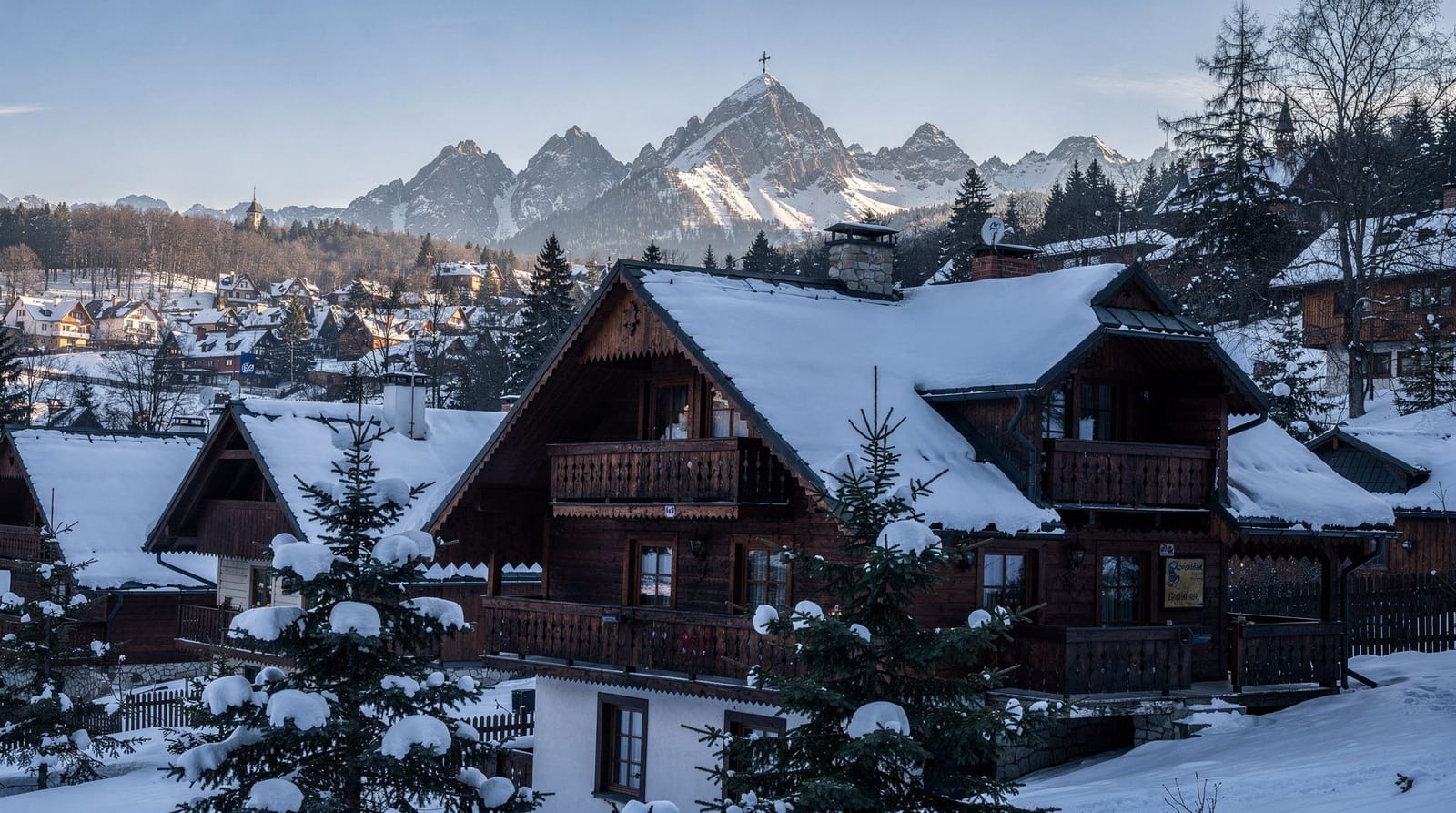
The most magical version of this day trip requires snow — and in December–January, Zakopane at 860 m almost always has it when Kraków does not. The mountains are white, the wooden chalets are frosted, and the Tatra peaks are visible in the clear winter air.
PKS bus from Kraków main bus station: departures every 30–60 minutes, journey 1h 45–2h, 22–30 PLN. Book at e-podroznik.pl. Or take the thermal bath day trip with transport:
From Kraków: Zakopane and thermal baths with optional lunch. This includes return transport, time in Zakopane town, and access to the thermal baths complex — the complete winter day trip.
10:00 — Winter Zakopane
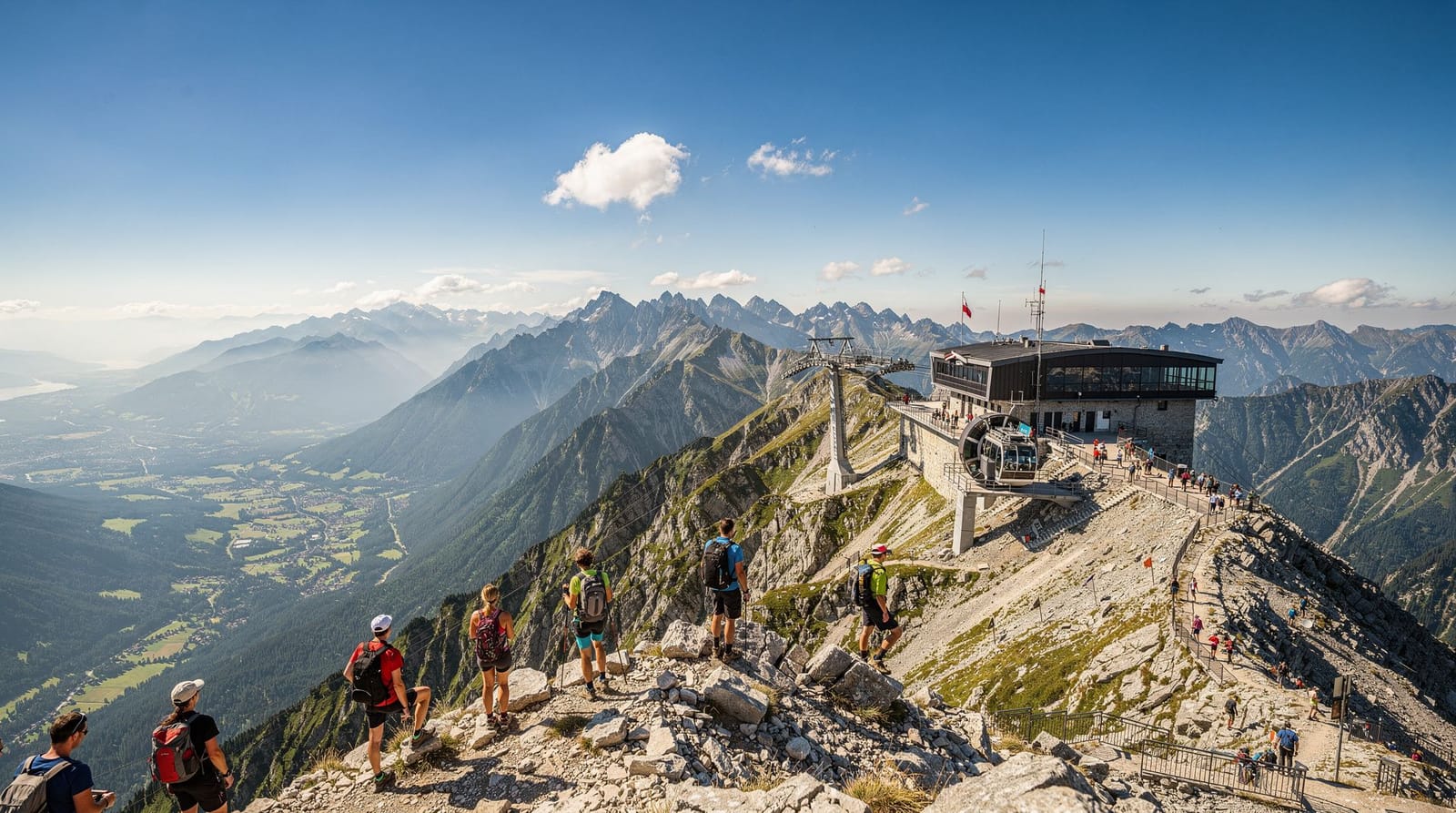
Zakopane in winter is a different city from summer. Skiing on Kasprowy Wierch (cable car from Kuźnice, about 20 minutes with one change; check pkl.pl for lift prices) and Gubałówka (ski runs from the top of the funicular) operates from December when snow conditions allow. Check the snow report at zakopane.pl.
For non-skiers: walk ul. Krupówki in the snow — the wooden architecture of the highland chalets looks extraordinary under a fresh snowfall. The oscypek stalls are still open, the vendors rugged up, the cheese even better grilled in cold weather.
The Tatra Museum (ul. Krupówki 10, around 26–34 PLN) has a winter wildlife exhibit — the Tatras in winter ecology, bear tracks, wolf territories — which adds interest to the season.
11:30 — Gubałówka in winter
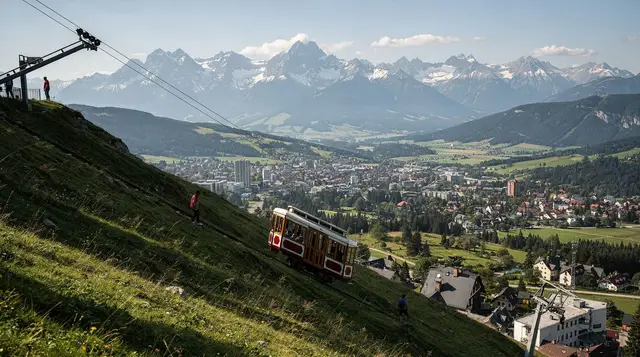
The funicular (37–49 PLN return) still operates in winter and the snow-covered panorama of the Tatras from the top is spectacular. The ski runs descend from the top; non-skiers can walk the cleared plateau path east for 20 minutes for the full panorama without ski traffic.
13:00 — Thermal baths
The combination of snow outside and geothermal hot water: the essential Zakopane winter experience.
Kraków: Zakopane and Chochołowskie thermal bath full-day trip — the Chochołowskie complex (ul. Chochołowska 40, 10 km west of Zakopane) is fed by natural volcanic springs at 36–40°C, with outdoor pools that steam in the winter air. Check current prices and opening hours on the official Chochołowskie Termy website. The image of sitting in a thermal pool with snow on the ground and the Tatra peaks visible above is quintessential Polish mountain winter.
Alternative: Terma Bania (Białka Tatrzańska, 20 minutes east of Zakopane): larger complex, more pools, slightly more commercial. Both are valid choices.
16:30 — Highland lunch/early dinner in Zakopane
Before the return bus: Karczma Sabała (ul. Krupówki 11, mains 45–75 PLN) for highland warming food — bigos (hunter’s stew, the definitive winter Polish dish), żurek (sour rye soup served in a bread bowl in winter versions), roast lamb. In winter, the wooden interior with its lanterns and highland textile decoration is ideal.
18:30 — Return bus to Kraków
Arrive back in Kraków ≈ 20:30–21:00.
Day 3: Kazimierz, Wawel, and Old Town farewell
10:00 — Slow Kazimierz morning
Winter Kazimierz has a quiet, reflective quality that summer crowds prevent. The neighbourhood’s Jewish heritage is particularly present in the winter light — the dark doorways of the synagogues, the snow on the Remuh Cemetery gravestones, the café windows steamed up from within.
Start at Plac Nowy: quieter in winter, the zapiekanki kiosk still open. Walk ul. Józefa and ul. Szeroka slowly. The Old Synagogue (22 PLN, free on Mondays) and Remuh Synagogue (10 PLN) are the essential stops.
Galicia Jewish Museum (ul. Dajwór 18, 35 PLN): the photographic exhibition is excellent in any season; winter adds a particular resonance to the images of abandoned cemeteries and half-demolished synagogues under winter skies.
12:30 — Lunch: a proper winter meal
Zalewajka (ul. Józefa 26, Kazimierz): bigos and żurek are at their winter best. Or try Café Mleczarnia (ul. Meiselsa 20) for a quieter, more literary atmosphere — the café attracts winter visitors who linger.
14:00 — Wawel Castle in winter light
Walk to Wawel via the Rynek (pick up last minute szopka gifts at the market stalls, still running until 6 January). Wawel in winter: the limestone hill is sometimes dusted with snow, and the Cathedral’s gilded dome catches the low-angle afternoon light in a way it doesn’t manage in summer. The State Rooms (57 PLN) are warmer inside in winter — the tapestries seem even richer in the lower winter light.
Cathedral (26 PLN): the royal crypts underground are a naturally constant temperature — in winter, going underground to the same warmth as summer is a different kind of pleasure.
Winter opening hours: check wawel.krakow.pl before visiting — some exhibitions close earlier (15:00–16:00) in winter months.
16:00 — Final market visit
Return to the Rynek for the final hour of the Christmas market in the gathering dark. The market closes at 20:00–21:00 from 27 November to 6 January. The final evening is the most atmospheric — lights reflected in the snow (when it’s fallen), fewer tourists than the weekend peak, and the whole medieval square lit against a dark winter sky.
Buy a jar of śliwowica (plum brandy, 40–80 PLN per bottle at the market) or a tin of pierniki (gingerbread, 20–40 PLN) to take home. Or the szopka you’ve been considering for two days.
18:00 — Final dinner: Christmas Eve option
If visiting on Christmas Eve (24 December): Polish tradition is Wigilia (Christmas Eve supper) — a 12-dish meatless feast including barszcz z uszkami (beetroot soup with small mushroom dumplings), carp (traditionally served fried or in aspic), kutia (wheat berries with honey and poppy seeds), and pierogi z kapustą i grzybami (cabbage and mushroom dumplings). Most Kraków restaurants serve a special Wigilia menu on 24 December. Restauracja Wesele (Rynek Główny 10) does a good traditional version; reserve well in advance.
For other December evenings: Miód Malina (ul. Grodzka 40) or Szara Gęś (Rynek Główny 17) for a good final dinner. 60–100 PLN per main at both.
December week by week
| Period | Market status | Notes |
|---|---|---|
| 27 Nov–early Dec | full market, quieter | Szopka Competition first Thursday of December |
| Mid-December | full market, busier | best balance of atmosphere and crowds |
| 24 Dec (afternoon)–25 Dec | closed | Christmas Day is a public holiday, most sites shut |
| 26–30 Dec | reopened, busy | reduced hours at some smaller museums |
| 31 Dec–6 Jan | full market + NYE events | hotel prices peak, book months ahead |
3-day summary at a glance
| Day | Focus | Weather dependency |
|---|---|---|
| Day 1 | Christmas market, St. Mary’s, Rynek Underground | low — mostly covered or brief exposure |
| Day 2 | Zakopane day trip, thermal baths | high — journey and outdoor time depend on roads/snow |
| Day 3 | Kazimierz, Wawel, final market visit | low |
Winter logistics in Kraków
Weather: December–January average temperatures: −4 to +5 °C. January is the coldest month (average high: +1 °C). Snow falls 15–20 days per winter on average; not guaranteed but common. February can be colder than December; March warms rapidly.
Clothing: Thermal base layer, wool sweater, down or heavy synthetic jacket, waterproof outer (the cold Kraków days are often accompanied by light rain or drizzle rather than snow), warm hat and gloves. Waterproof walking shoes or boots — the cobblestones can be icy. Hand warmers are worth packing for outdoor market time.
Opening hours: Winter (November–March) brings reduced hours at Wawel (check wawel.krakow.pl), some smaller museums, and Zakopane attractions. Most Old Town restaurants and cafés operate year-round with no reduction in hours. The Auschwitz Memorial is open year-round but closes on Christmas Day (25 December), New Year’s Day, and Easter Sunday.
New Year’s Eve in Kraków: The city hosts a large public celebration in the Rynek Główny — free, with a concert, fireworks at midnight, and several thousand Krakovians and visitors in the square. Temperatures can be −5 to −10 °C at midnight; dress very warmly. Hotels raise prices significantly (often 2–3× standard rate) for New Year’s Eve — book months ahead.
If snow doesn’t arrive in Kraków: The city itself is not guaranteed snow even in a cold December — Kraków’s winters are more often grey and damp than a postcard scene. This is precisely why the Zakopane day trip matters in this itinerary: at 860 m, the Tatra foothills reliably hold snow when the city 100 km north does not. If you specifically want snow photographs, prioritise Day 2 and check the Zakopane winter guide for current conditions before committing to the trip.
Autumn as an alternative: For visitors who want Kraków’s cooler-season atmosphere without the Christmas crowds or the cold, autumn in Małopolska covers the region in October–November — fewer tourists than December, mild enough for comfortable walking, and the Planty park at its most colourful.
Frequently asked questions about Kraków at Christmas and in winter
When exactly do the Kraków Christmas markets run?
The official Christmas market runs from 27 November 2026 to 6 January 2027, daily 10:00–21:00. The Szopka Competition display on the first Thursday of December is worth specifically timing a visit around. The market closes on Christmas Eve afternoon (24 December) and reopens 26 December. Some stalls are closed 24–26 December; the market is at full capacity from 27 December to 1 January.
Is Zakopane accessible in winter?
Yes — and winter is actually Zakopane’s primary season. The PKS buses from Kraków run year-round (though less frequently in November–December). Skiing on Kasprowy Wierch and Gubałówka operates December–April (snow conditions dependent). The thermal baths at Chochołowskie and Terma Bania are open year-round. Morskie Oko requires crampons and experience in winter — the trail is snow-covered from October. See the Zakopane winter guide.
What is the Szopka and why is it famous?
A szopka is a Polish Christmas crib or nativity scene in the form of an elaborate architectural model. Kraków’s szopki are specifically modelled on the towers and facades of Kraków’s own buildings — the Barbican, St. Mary’s twin towers, Wawel Cathedral — constructed from coloured tinfoil, cellophane, and wood. The tradition began in the 19th century and has been a competitive event since 1937. In 2018, UNESCO inscribed the Kraków Szopka Tradition on the Intangible Cultural Heritage list — one of only three elements from Poland on the list. The best place to see them is the display at Krzysztofory Palace (Rynek Główny 35) after the first-Thursday competition.
How cold is Kraków at Christmas?
Average daily high in December: +3 °C. Average daily low: −3 °C. Feels colder with wind chill. January is slightly colder on average: daily high 0 °C, daily low −5 °C. Snow falls on roughly 12–15 days in December and 15–20 days in January. The cold is manageable with proper layering — Krakovians walk their city all winter without difficulty. See the Kraków in winter guide for the full seasonal picture.
Are there any Christmas closures I should know about?
Yes. Christmas Day (25 December) is a major public holiday in Poland — essentially everything is closed: museums, restaurants (most), shops, transport operates on Sunday schedules. Boxing Day (26 December) is also a public holiday with partial closures. Most Old Town cafés and some restaurants open from 26 December. Wawel Castle is closed 25 December, 1 January, and several other public holidays. Always check opening hours 2–3 days before. The public transport runs a reduced schedule on Christmas Day but does operate.
Is it worth combining this itinerary with the Zakopane and Tatras 5-day trip?
If winter mountains are a priority, yes — the 5-day Zakopane and Tatras itinerary gives the mountains far more time than this itinerary’s single day trip. This 3-day version is better suited to visitors whose main draw is the Christmas market itself, with Zakopane as a bonus rather than the focus.
Can I see the Christmas market and still do a full Old Town sightseeing day?
Yes, comfortably — the market surrounds the Rynek rather than displacing it, so sites like St. Mary’s Basilica, the Rynek Underground Museum, and Wawel Castle remain fully open and operate on normal (sometimes slightly reduced) winter hours throughout December.
What if I can only visit for a long weekend instead of 3 full days?
Compress by dropping the Zakopane day trip and treating this as a 2-day city break with an extended Christmas market focus — the weekend city break itinerary has the pacing template, adapted for winter opening hours. The market itself, St. Mary’s, and Wawel are all manageable in two focused days; Zakopane is the piece that needs a dedicated third day to do properly.
Do I need to book Christmas market food stalls or activities in advance?
No — the market itself operates on a walk-up basis with no reservations needed for food or drink stalls. What does need advance booking in December: Rynek Underground timed slots, the Zakopane transport package, and dinner reservations at popular restaurants on weekend evenings, especially in the run-up to Christmas and New Year.
Top experiences
Bookable activities with verified prices and instant confirmation on GetYourGuide.