Zakopane winter skiing guide: slopes, ski passes and what to expect
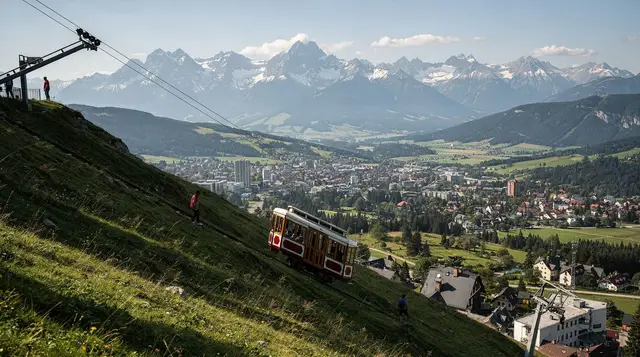
From Krakow: Zakopane & Tatra Mountains with cable car
Is Zakopane worth visiting for skiing from Kraków?
Yes for a day trip or short break, with realistic expectations. Zakopane's ski areas (Kasprowy Wierch, Nosal, Harenda, Gubałówka) suit beginners to intermediate skiers. The terrain and snowfall can't match the Alps, but for accessible Polish mountain skiing with great atmosphere and value, it's excellent. Best snow December–March; February ski week is very crowded.
Skiing in the Polish Tatras: setting expectations correctly
Zakopane is Poland’s ski capital. It is not Zermatt, Chamonix, or Verbier — and presenting it as such would be dishonest. The vertical drops are modest by Alpine standards (Kasprowy Wierch’s longest piste: approximately 5 km from summit to Kuźnice, 900 m vertical), the ski areas are separate rather than interconnected, and heavy snowfall is not guaranteed every year. What Zakopane offers is something different: affordable Polish mountain skiing, excellent apres-ski culture, good beginner and intermediate terrain, and an atmosphere rooted in genuine highland (górale) tradition rather than international luxury.
For visitors from Kraków, a winter ski day in Zakopane is achievable as a day trip (early start recommended) and makes for a distinctive winter day in the Polish mountains.
| Where | Kasprowy Wierch, Nosal, Harenda, Gubałówka — Zakopane, ~100 km south of Kraków |
| Cost | around 330–565 PLN per person for a self-organised full ski day |
| Time needed | full day, early start recommended (leave Kraków by 6–6:30 am) |
| Getting there | self-drive, PKS express bus, or guided tour for sightseeing only |
| Best time | January–February for the most reliable natural snow |
The Zakopane ski areas
Kasprowy Wierch
Altitude: 1,987 m summit, 1,013 m base (Kuźnice) | Vertical drop: 974 m | Longest run: approximately 5 km | Level: intermediate to advanced
The most serious skiing in Zakopane. Access is via the cable car from Kuźnice (see Kasprowy Wierch cable car guide). The north-facing runs back to Kuźnice are graded red/blue; the south-facing Slovak side (Hrebienok) offers additional terrain. The high altitude means Kasprowy often has good snow when lower Zakopane is just wet.
Ski pass (2026 season): Approximately 130–150 PLN for a day ski pass including cable car. Individual cable car return: 82 PLN.
Conditions: The best skiing in Poland in a good snow year. Icy or closed during low-snow periods. Check snow reports on the PKL website before going.
Nosal
Altitude: 1,210 m | Vertical drop: 190 m | Level: beginner to intermediate
Closest ski area to central Zakopane. Serviced by chairlift and drag lifts. Shorter runs but very accessible — can walk from the Kuźnice/Dolina Jaworzynki area. Good for learning and for families. Snow may be patchy below Kasprowy’s more reliable snowline. Facilities include a ski school with English-speaking instructors.
Ski pass (2026): Approximately 95–120 PLN/day.
Harenda
Altitude: 1,100 m | Vertical drop: 200 m | Level: beginner to intermediate
Across the Zakopane valley from the Tatras side, with views toward the peaks. Pleasant beginner terrain; quieter than Nosal and Kasprowy. Drag lifts and one chairlift. A good option when Nosal is overcrowded.
Ski pass (2026): Approximately 80–100 PLN/day.
Gubałówka
Altitude: 1,123 m | Vertical drop: 120 m | Level: beginner
The gentle north-facing slopes of Gubałówka are primarily for beginners and children. The funicular provides uplift (see Gubałówka funicular guide). Very limited terrain for experienced skiers, but an excellent first-day experience.
Ski pass (2026): 60–80 PLN/day including funicular.
Snow conditions and best timing
Best snow window
Natural snowfall in Zakopane: the town sits at 838 m, so snow in town is not guaranteed, though Kasprowy Wierch usually has reliable cover December through March. The best natural snow conditions are typically January and February. Snowmaking at Nosal and Harenda extends the season.
Realistic assessment of a typical season: December — variable, lower areas may lack snow; January–February — best period, Kasprowy usually well-covered; March — snow softens, pleasant spring skiing possible at Kasprowy, lower areas fade.
Avoiding the February ski week
Polish school winter holiday (ferie zimowe) typically falls in the first two weeks of February, staggered by region. This is the busiest period at all Zakopane ski areas — queues for lifts, accommodation prices double or triple, and the Krupówki street becomes very crowded. Avoid if possible; if unavoidable, arrive at Kasprowy by 8:00 AM to beat the worst queues.
Weekday vs weekend
Weekend queues at Kasprowy and Nosal can be significant — 45–90 minutes for the cable car on peak Saturdays. Midweek is dramatically quieter. If your Kraków schedule allows a Tuesday–Thursday ski day, the experience is measurably better.
Ski rental in Zakopane
Multiple ski rental shops operate in Zakopane town, along Krupówki and in the ski resort bases. Prices (2026 season):
- Full ski set (skis, boots, poles): 80–120 PLN/day
- Snowboard set: 90–130 PLN/day
- Helmet rental: 20–30 PLN/day
- Ski school (group lesson, 2 hours): 120–180 PLN/person
Recommended rental areas: Shops near the Kuźnice cable car station for Kasprowy Wierch skiing; Nosal base station for Nosal/Harenda. Rent in the evening before your ski day to avoid morning queues at the shop.
Quality of rental equipment: Generally good at established shops in Zakopane. Mid-range boots and skis from the 2022–2025 model years. Ask specifically for carving skis rather than old slalom ski types for the best beginner experience.
Getting to Zakopane for skiing from Kraków
By car (recommended for early starts): Drive south on E77/DK7, approximately 100 km. Allow 1h45–2h. Aim to leave Kraków by 6:00–6:30 AM on weekends to reach Kasprowy by 8:30 AM. Parking at Kuźnice fills quickly on ski weekends — consider parking in Zakopane and taking the minibus.
By PKS express bus: Kraków Główny bus station to Zakopane, approximately 2 hours. First departures around 5:30–6:00 AM; check PKS schedule. Return last buses around 20:00–21:00.
By guided tour: The Zakopane and Tatra Mountains trip from Kraków visits the town in good weather; most Zakopane day tours do not specifically combine ski lift access. For dedicated ski days, self-driving or bus is more practical. Winter mountain experience tours (private Zakopane and Gubałówka cable car tour from Kraków) can include winter activities.
After skiing: thermal baths
The most satisfying way to end a Zakopane ski day is with a session at the thermal baths. Muscles relieved from ski boots and soaked in 36°C mineral water with Tatra peaks visible on the horizon — this combination is exactly what Podhale winter tourism does best.
Aqua Park Zakopane is the quickest option (10 minutes from Nosal base by car).
Chochołowskie Termy is 20 km west — see the Chochołowskie thermal baths guide for full details. A 2-hour session at Chochołowskie Termy is a worthwhile addition to any ski day, and the spa is open until 21:00 (last admission 19:30).
The Zakopane and Chochołowskie thermal bath day trip from Kraków combines the mountain town visit with a thermal bath session — useful in winter if you don’t want to ski but want the mountain winter atmosphere.
Zakopane winter culture and food
The winter town has a different atmosphere from summer: fewer of the mass-tourism crowds, more authentic highland character. Krupówki is still busy with ski visitors but less overwhelming.
Karczma Sabała (ul. Krupówki 11): Classic górale restaurant, open since 1894. Hearty highland food — żurek, bigos, kwaśnica (sauerkraut soup), roast meat. Prices 35–65 PLN for a main dish. Very popular; reservations on ski weekends.
Bacówka U Stachury (ul. Krupówki 27): More casual, excellent oscypek served grilled, good barszcz (beetroot soup) in winter. 20–40 PLN mains.
Strudel café on Krupówki: Any of the café-konditorei on the main strip for coffee and apple strudel (szarlotka) — 12–18 PLN. Warming and excellent quality.
Frequently asked questions about skiing in Zakopane
Is Zakopane skiing suitable for beginners?
Yes, especially at Nosal, Harenda, and Gubałówka. These areas have gentle slopes, ski schools with English-speaking instructors, and good rental facilities. Kasprowy Wierch is too demanding for first-time skiers. A beginner spending 2 days at Nosal with a ski school lesson will progress quickly and enjoyably.
What is the snow reliability in Zakopane like?
More variable than the Alps. At Kasprowy Wierch (1,987 m), snow is reliable from December through March in most years. At Nosal and Harenda (1,100–1,200 m), natural snow can be thin; snowmaking supplements on the main runs. Climate trends since 2020 have shortened reliable low-altitude snow seasons. Always check current reports before planning a skiing-specific day trip.
Can I visit Zakopane in winter without skiing?
Absolutely. Many visitors come for the atmosphere, food, winter markets, and thermal baths without ever putting on ski boots. Zakopane’s Krupówki in winter has a pleasant festive character. The Gubałówka funicular operates year-round. The thermal baths are arguably at their best in winter. Winter hiking in the valley floors (Dolina Kościeliska, Dolina Chochołowska) is possible with microspikes.
How much does a ski day in Zakopane cost?
Budget for: transport from Kraków (25–90 PLN), ski rental (90–130 PLN/set), ski pass (80–150 PLN depending on area), food and drinks (60–100 PLN), and optionally thermal baths (75–95 PLN). Total: approximately 330–565 PLN (€79–134) for a self-organised full ski day. Group travel and weekend timing push this toward the higher end.
Should I book a guided tour for a ski day, or go independently?
For skiing specifically, independent travel is almost always the better choice — standard sightseeing tours from Kraków rarely include lift access or dedicated ski time, and chasing good snow conditions across Kasprowy Wierch, Nosal and Harenda needs flexibility a fixed tour itinerary can’t give you. The Zakopane tour vs DIY guide covers the trade-offs for non-ski visits in more detail, where a guided tour is often the stronger option.
Is Zakopane skiing worth it compared with just visiting for sightseeing?
That depends on whether you ski. A non-skiing visitor gets more from the standard Zakopane day trip from Kraków — funicular, Krupówki, highland culture — without needing rental gear or lift passes. A skier gets a genuinely different, more active day here, best understood against the best day trips from Kraków guide for how it compares with Wieliczka, Auschwitz and the other classic options on a short Kraków visit.
Skiing vs sightseeing: choosing your winter Zakopane day
| Visitor type | Best day structure | Notes |
|---|---|---|
| Skier, intermediate+ | DIY to Kasprowy Wierch | Best snow and terrain; needs early start |
| Beginner skier or family | DIY to Nosal or Harenda | Gentler slopes, ski school available |
| No interest in skiing | Guided sightseeing tour | Funicular, Krupówki, highland culture handled for you |
| Want relaxation after cold air | Combine with thermal baths | Aqua Park is closest to the ski bases |
| Undecided, first winter visit | Tour vs DIY guide | Compares cost and logistics for both routes |
Top experiences
Bookable activities with verified prices and instant confirmation on GetYourGuide.