Kasprowy Wierch cable car guide: tickets, queues and what's at the top
From Krakow: Zakopane & Tatra Mountains with cable car
How do I take the Kasprowy Wierch cable car and avoid the queues?
The cable car (kolejka linowa) runs from Kuźnice, 3 km south of Zakopane centre, to the summit at 1,987 m. Book tickets online via the PKL (Polskie Koleje Linowe) website at least 1–2 days in advance in summer — walk-up tickets frequently sell out by mid-morning. Aim for the first departure (7:30 AM in summer) to get clear views before afternoon cloud builds.
The most accessible high point in the Polish Tatras
| Where | Kuźnice, 3 km south of Zakopane centre |
| Cost | 82 PLN return (adults), 55 PLN one-way |
| Time needed | 30–45 min for the ride alone; half a day with a summit hike |
| Getting there | Walk (35–45 min), minibus from Krupówki, or taxi from Zakopane |
| Best time | First departure (7:30 AM summer) before afternoon cloud builds |
At 1,987 metres, Kasprowy Wierch sits on the main ridge dividing Poland from Slovakia. From the summit station, you stand above the treeline looking across the entire Polish High Tatras — and down into the Slovak side. On clear days the view extends across both national park systems: Tatrzański Park Narodowy (PL) and Tatranský národný park (SK).
Getting there requires no mountaineering skill. The kolejka linowa na Kasprowy Wierch — the cable car from Kuźnice — is one of the most famous engineering feats in the Polish mountains. Opened in 1936 after three years of construction, it makes the 2 km journey from 1,013 m to 1,987 m in about 20 minutes, passing through dense forest, then above the treeline, to the distinctive summit building straddling the ridge.
This guide covers everything: the cable car logistics, what to see and do at the top, the best hiking routes from the summit, ski season information, and how to make the cable car part of a day trip from Kraków.
Cable car logistics: tickets and getting there
The two-stage system
The cable car operates in two stages with a mid-station at Myślenickie Turnie (1,354 m):
- Stage 1: Kuźnice → Myślenickie Turnie (approximately 8 minutes)
- Stage 2: Myślenickie Turnie → Kasprowy Wierch (approximately 12 minutes)
Tickets cover both stages. The mid-station has a small restaurant and basic viewpoint. Most visitors continue directly to the top.
Ticket prices (2026)
- Return cable car: Adults 82 PLN (≈€19), Children under 12: 55 PLN
- One-way (up or down): Adults 55 PLN
- Tickets online: PKL website (pkl.pl) — strongly recommended
Booking in advance
In July and August, cable car capacity sells out early. Online tickets for specific departure times are available via PKL’s website up to 30 days in advance. If you’re visiting on a summer weekend without advance booking, you may face 2–4 hour queues or find the day fully sold out by 9 AM. Book at least 2–3 days ahead in high season.
Shoulder season (May–June and September–October): walk-up tickets are usually available, but morning departures still sell faster. Online booking is still advisable.
Getting to Kuźnice from Zakopane
On foot: Kuźnice is approximately 3 km south of Zakopane’s main square (Plac Niepodległości). A well-marked pedestrian path runs through Zakopane’s southern residential streets — allow 35–45 minutes walking.
By minibus: Minibuses run from Krupówki street to Kuźnice frequently in season (approximately 5 PLN, 10 minutes). Ask at the Zakopane tourist information office for current schedules.
By taxi/Bolt: 8–12 PLN from central Zakopane.
Parking at Kuźnice: Limited and often full by 8 AM in July/August. Park in Zakopane and take the minibus.
Operating hours and season
Summer season (mid-June to late September): first cable car at 7:30 AM, last descent approximately 5:00–6:00 PM. Exact times vary with season and weather — check pkl.pl before visiting.
Closed for maintenance: The cable car closes for an annual technical inspection, typically in May (exact dates announced on the PKL website). Check before planning a May visit.
Weather closures: Strong winds cause temporary cable car suspension. This happens frequently in autumn and winter. Check the PKL website or call ahead on the day.
At the top: what to see and do at Kasprowy Wierch
The summit ridge and views
The cable car station building straddles the ridge exactly on the Polish-Slovak border. Walk through the building to the south terrace and you are looking into Slovakia — the distinctive pointed spires of the Solisko ridge and Lomnický štít (2,634 m) visible on clear days. The north terrace looks down across the Zakopane valley, with Giewont’s profile (the “sleeping knight”) visible to the northwest.
On exceptionally clear days (most common in autumn after cold fronts) you can see as far as the Bieszczady range to the east. The atmospheric quality at this elevation is noticeably different from the valley: crisper, bluer, with dramatic shadows on the mountain faces.
The weather station
The summit hosts a working meteorological station — one of the most important in the Carpathians. It has operated since 1938. The station’s data is publicly available and powers weather forecasts for the entire region. The building is visible from the cable car arrival point; it is not open to visitors but the context adds interest.
Skiing
Kasprowy Wierch is the best skiing terrain in Poland in a normal snow year. The ski season runs approximately November to April, depending on snowfall. The summit offers piste skiing back to Kuźnice on the north face, and more challenging runs on the Slovak side. Ski passes are purchased at the cable car base.
For detailed information on skiing in the Zakopane area, see the Zakopane winter skiing guide.
Hiking from Kasprowy Wierch
The summit is a launching point for several excellent hiking routes. Allow adequate time — do not get so absorbed in exploring that you miss the last cable car.
Hala Gąsienicowa loop (the standard day hike)
Distance: Approximately 8 km loop | Time: 3–4 hours | Difficulty: moderate
The most popular hiking route from the summit. Descend east from Kasprowy Wierch toward Zielony Staw Gąsienicowy lake (1,672 m), continue through the Hala Gąsienicowa alpine meadow, past the Murowaniec schronisko, and return to Kuźnice on the valley path. This route combines genuine alpine scenery (rocky ridges, cirque lakes) with the convenience of arriving by cable car. The descent from the ridge to the lake is steep but on well-maintained trails.
Murowaniec schronisko is a good lunch stop: żurek, bigos, and hot drinks for 22–40 PLN per person. No booking needed for lunch; book well ahead for overnight stays.
Świnica summit
Distance: 4.5 km from Kasprowy Wierch one-way | Elevation gain: 313 m | Time: 1h30–2h | Difficulty: difficult, with some exposed scrambling
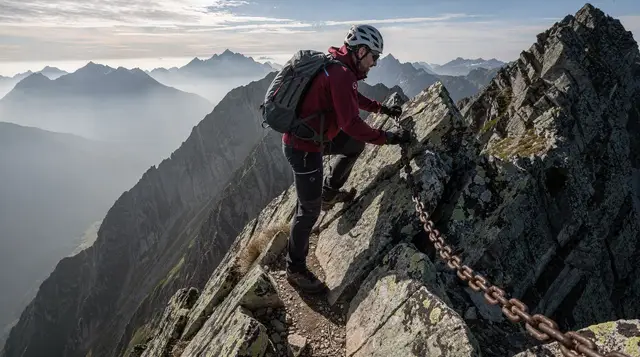
Świnica (2,301 m) is the second highest accessible peak in the Polish Tatras. The ridge path from Kasprowy Wierch is spectacular — exposed in places and requiring some scrambling — but manageable for confident hikers with proper footwear. Views from Świnica are arguably the finest in the entire Polish Tatras. From here you can see Orla Perć ridge to the east and the full western panorama.
Kościeliska Valley descent (via Myślenickie Turnie)
An alternative return route for fit hikers: descend from Kasprowy Wierch to Małołącka Valley and on to Dolina Kościeliska entrance, then arrange transport back to Zakopane. This is a 5–6 hour descent for experienced hikers, requiring navigation. Not recommended without a map or guide.
Combining Kasprowy Wierch with a Kraków day trip
Most Zakopane day trips from Kraków pass through Kuźnice and can incorporate the cable car. The Zakopane and Tatra Mountains day trip from Kraków with cable car specifically includes the Kasprowy Wierch cable car in the itinerary — this is the most efficient option for combining the cable car with the Zakopane town visit.
For a hiking-focused day, the Tatra Mountains full-day hiking tour from Kraków can include Kasprowy Wierch in the routing. The cable car provides an efficient way to gain 1,000 m of elevation quickly, leaving more time for ridge hiking.
If you want the cheese, funicular and highland culture experience alongside the cable car, the Zakopane, funicular, cheese and highland day trip from Kraków combines Gubałówka with the Tatra highland atmosphere — a good option if the cable car queues are prohibitive on the day.
Practical tips
Temperature at the summit: Even in summer, expect temperatures 10–15°C lower than Zakopane valley. At 1,987 m, cold winds are frequent. Bring a fleece or windproof jacket regardless of the date.
Cloud and visibility: The ridge sits in cloud frequently, especially in July and August. Check the PKL webcam (on the pkl.pl website) before going — it updates every 10–15 minutes. A clear morning often closes over by 13:00–14:00.
Café at the top: The summit building has a basic café serving hot drinks, soup, and snacks. Prices are inflated relative to Zakopane (hot chocolate 16–20 PLN, soup 22–28 PLN) but perfectly reasonable given the setting.
Bears: Kasprowy Wierch summit and the surrounding valleys have occasional bear sightings. The usual bear safety advice applies: make noise on quieter trails, don’t leave food unattended, don’t approach wildlife.
Frequently asked questions about Kasprowy Wierch
Can I hike up to Kasprowy Wierch instead of taking the cable car?
Yes. The most common route is from Kuźnice via the Boczań ridge — approximately 3 hours, gaining 974 m. The trail through Hala Gąsienicowa is longer but gentler. Hiking up and cable car down is a satisfying combination if tickets are available. Check the Tatra Mountains hiking guide for route details.
Is Kasprowy Wierch open in winter?
Yes, primarily as a ski facility. The cable car runs through the ski season (typically November–April). Non-skiers can ride up for the views; the summit terrace is open. Snow conditions on the summit in December–February are full alpine winter: crampons necessary if you plan to walk anywhere off the cable car platform.
How long should I spend at the top?
For a casual visit: 30–45 minutes to take in the views and warm up with a coffee before the return journey. For a hiking day from the summit, add 3–5 hours depending on your chosen route. Don’t underestimate the cable car queue time — in peak season, allow 45–60 minutes each way for queuing.
Is there altitude sickness risk at Kasprowy Wierch?
At 1,987 m, altitude sickness is unlikely for healthy adults, though you may notice shortness of breath on any exertion immediately after arriving. The main risks are cold and wind. Visitors with heart conditions should consult a doctor before visiting high-altitude terrain.
Kasprowy Wierch versus the Tatras’ other big draws
Kasprowy Wierch is not the only way to spend a mountain day from Zakopane, and it’s worth knowing how it compares before committing to it over the alternatives.
Morskie Oko is the Tatras’ most famous lake — no cable car, a flat 9 km approach road on foot (or by horse cart/bike), and the single most crowded spot in the range in summer. Kasprowy Wierch gets you higher with far less effort and far fewer people at the top itself, though Morskie Oko’s turquoise cirque lake has no real substitute.
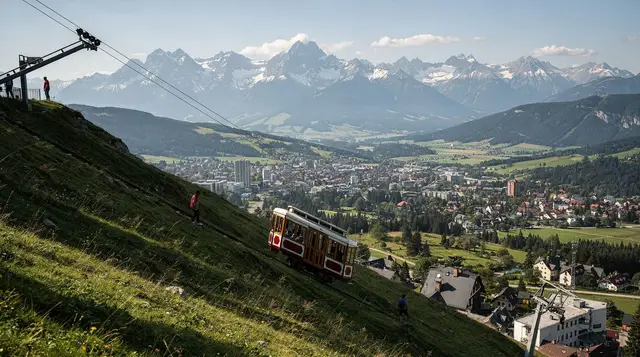
Gubałówka funicular is the easy, family-friendly alternative — a short funicular from central Zakopane to a lower, gentler summit with restaurants, toboggan runs, and panoramic views but none of the alpine drama or genuine hiking access that Kasprowy Wierch offers.
Kościeliska Valley is the pick for travellers who want a proper Tatra day without cable car queues at all — a flat, scenic valley walk reachable independently, better suited to those who prefer walking in rather than riding up.
For an overview of easier trail options across the range, the Tatra best easy hikes guide rounds up routes suitable for non-alpinists, and Kasprowy Wierch features as the best combination of minimal effort and maximum altitude gained.
If a cable car day at altitude has left you cold rather than energised, the Zakopane thermal baths make the obvious warming-up pairing for the rest of the day.
Top experiences
Bookable activities with verified prices and instant confirmation on GetYourGuide.