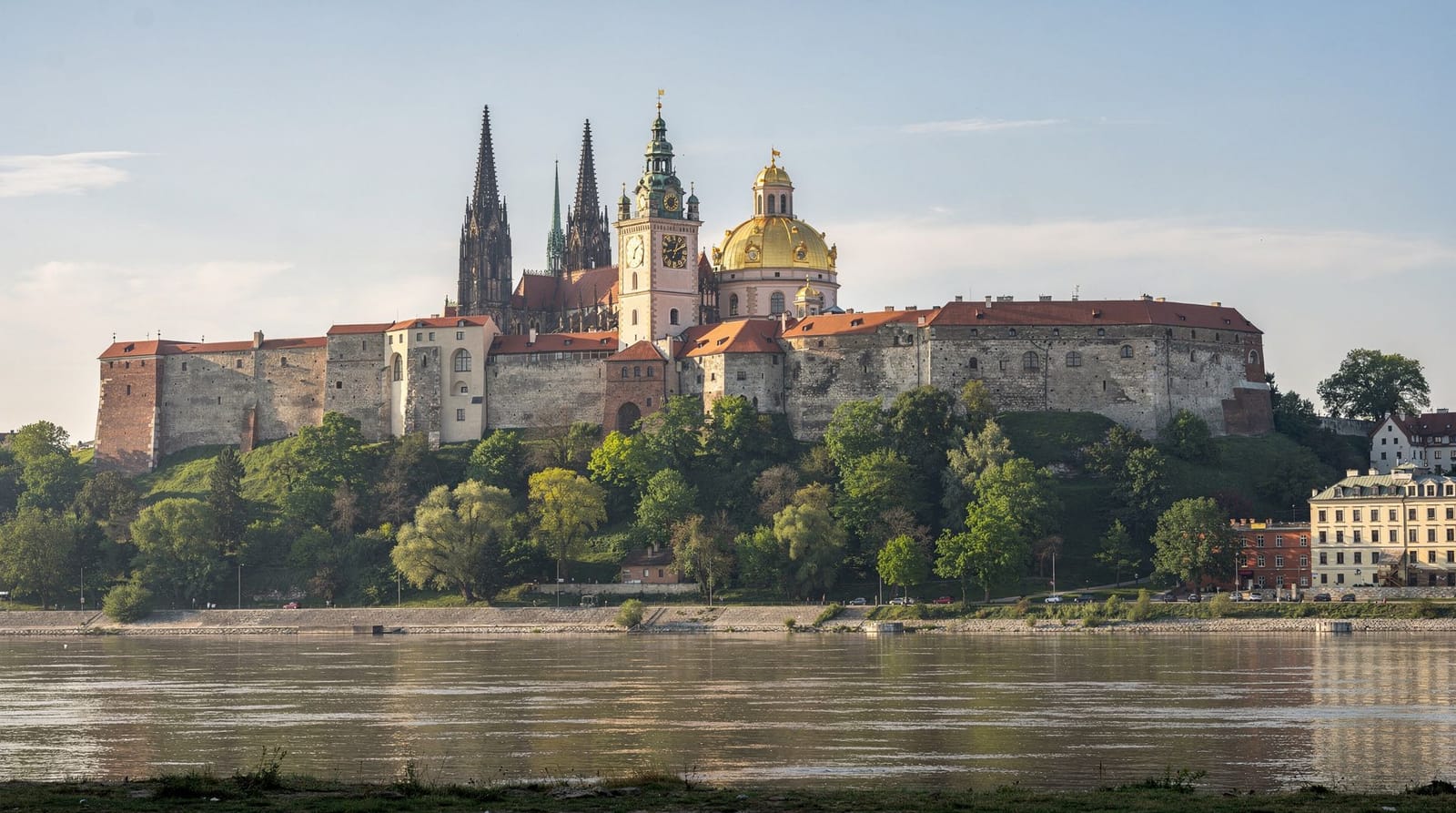
Wawel Castle tour review: skip-the-line, cathedral, or full hill experience?
Krakow: Wawel Castle skip-the-line guided tour
Duration: 2h
Kraków’s royal hill and why it matters
Wawel Hill rises 25 metres above the Vistula River and has been the seat of Polish monarchs, the home of Poland’s coronation church, and the symbolic heart of the nation for nearly a thousand years. The complex includes a Gothic/Renaissance castle, the Wawel Royal Cathedral (where Polish kings are crowned and buried), and the remains of several Romanesque and Gothic churches. Beneath the hill: the famous Dragon’s Den.
Wawel is not just Kraków’s most popular attraction — it is the site of genuine historical importance in European history. The Wawel Dragon legend dates to the 8th century. The State Rooms contain the world’s largest surviving collection of Polish Renaissance tapestries (the Arrases — 137 of them, commissioned by Sigismund II Augustus). The Cathedral crypts hold the remains of Piast and Jagiellonian kings, as well as the national heroes Tadeusz Kościuszko, Józef Piłsudski, and — controversially — Lech Kaczyński.
Visiting Wawel well requires understanding which circuits matter to you and how to avoid the summer crowds that can make ticketing a genuine frustration.
| Where | Wawel Hill, 10–15 min south of the Main Market Square |
| Cost | around 90–220 PLN depending on option and circuits |
| Time needed | 2–4 hours depending on option |
| Getting there | On foot via ul. Grodzka, or tram to the Wawel stop |
| Best time | Weekday mornings before 10 am; avoid Sat–Sun in July/August |
The featured pick: Wawel Castle skip-the-line guided tour
The Wawel Castle skip-the-line guided tour combines priority access to the most popular circuits with a licensed guide who covers the castle’s history, art, and royal significance.
What’s included:
- Pre-booked timed entry bypassing the walk-up queue
- Licensed English-speaking guide
- State Rooms circuit: throne room, audience chambers, and the Arrases tapestry collection
- Royal Private Apartments: the monarchs’ living quarters with original 16th–17th century furniture and artefacts
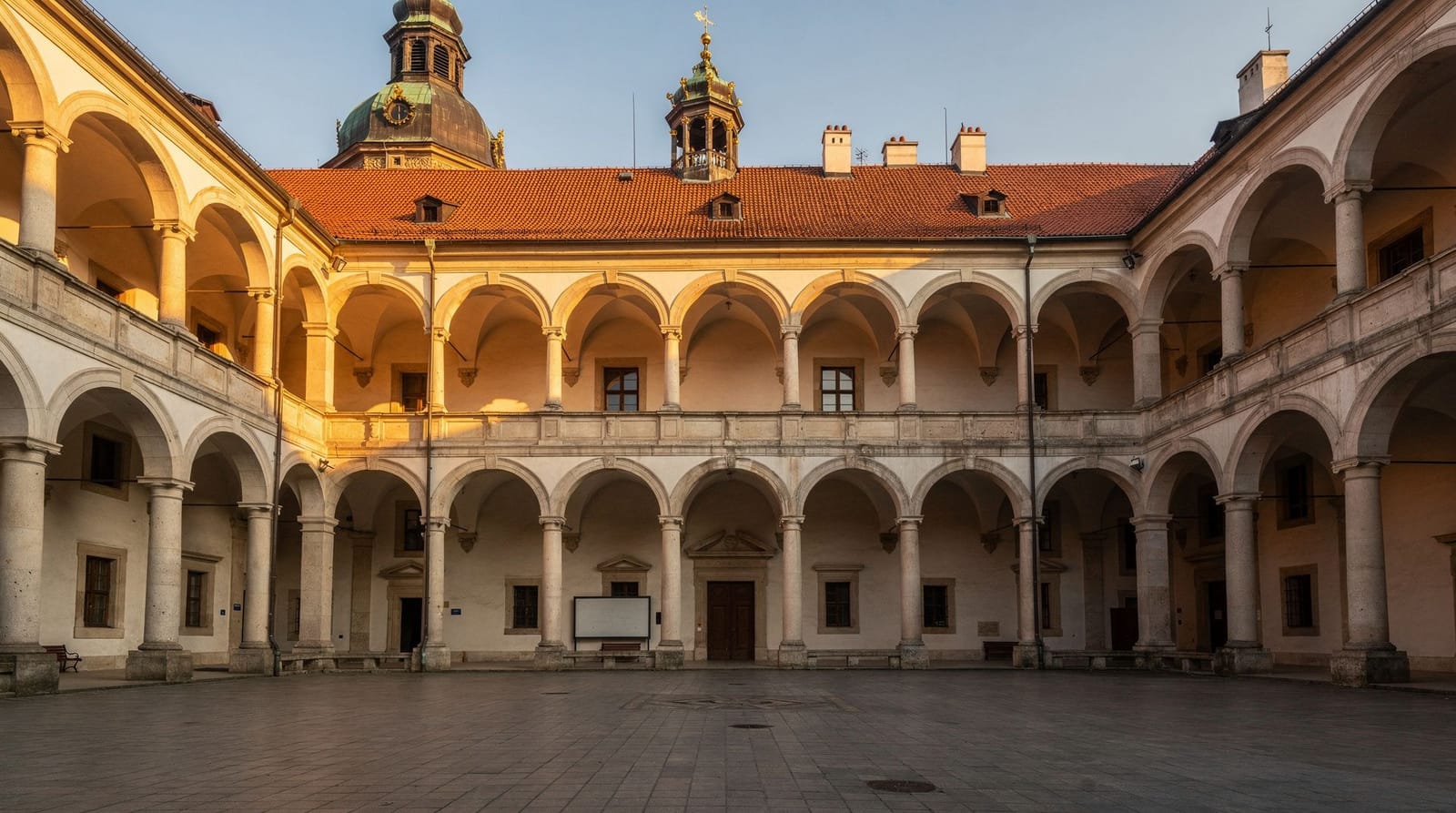
- Courtyard and exterior: the Renaissance arcaded inner courtyard (one of the finest in Northern Europe)
Duration: 2–2.5 hours.
Price band: 130–170 PLN per person (approximately €31–40).
Group size: 10–20 people.
Best for: First-time visitors who want both the major interior circuits efficiently. History enthusiasts. Visitors who have limited time (one day in Kraków) and want Wawel covered well without spending all day.
Honest note: The daily visitor cap on Wawel circuits is strict. In July and August, State Rooms slots can sell out within hours of being released online. Book at least a week ahead in peak season. The skip-the-line advantage is real: walk-up queues at 10 am in summer can be 2+ hours.
Comparing the alternatives
Option 2: Wawel Castle and Cathedral guided tour
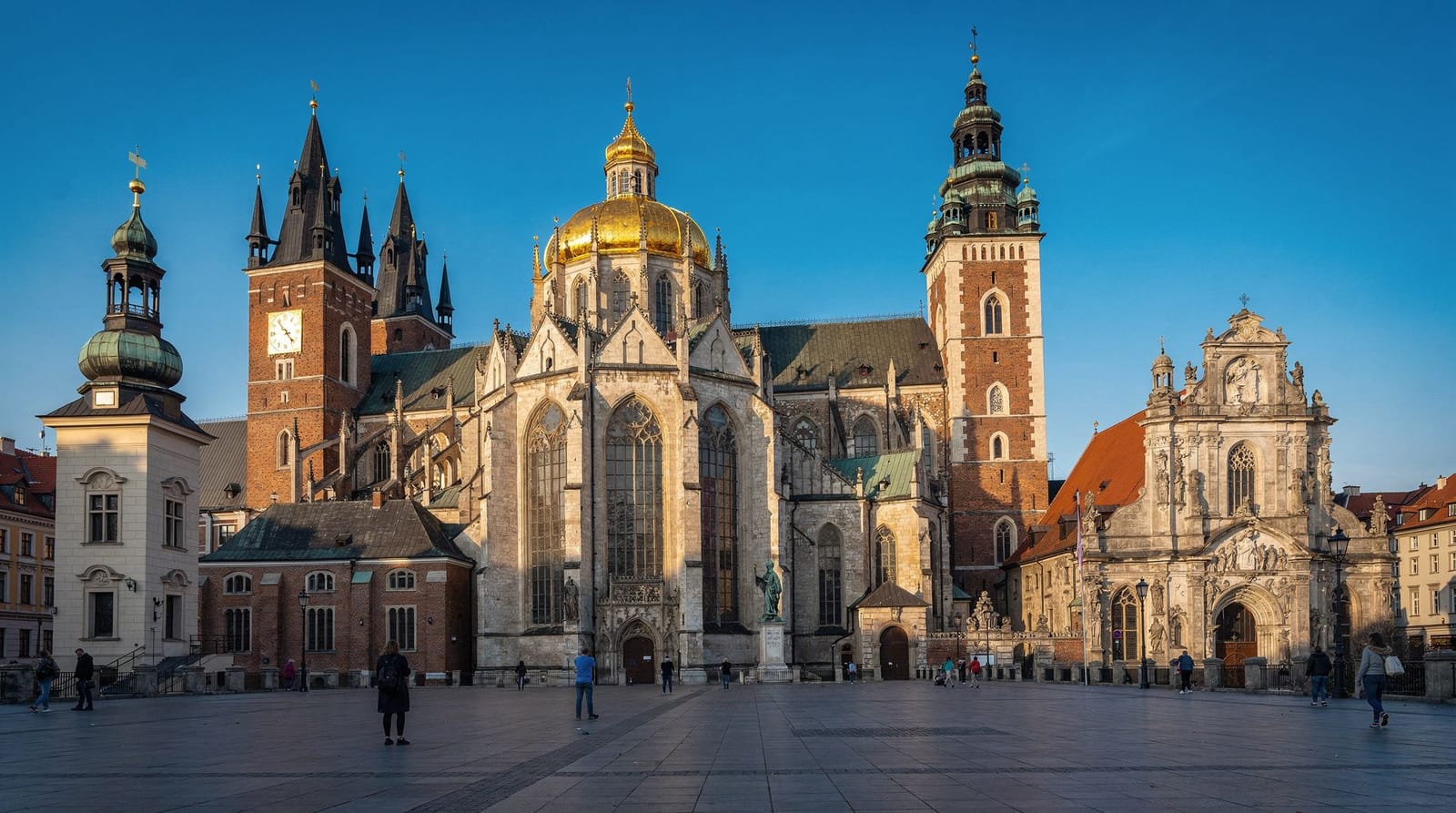
This option combines the castle’s State Rooms with the Wawel Royal Cathedral — the coronation and burial church of Polish kings. The Cathedral addition is significant: it contains the Sigismund Bell (1520, rung only for national celebrations), and the crypts where dozens of Polish monarchs and national heroes are buried.
What it adds over the castle-only tour:
- Cathedral nave tour with guide explaining royal tombs
- Sigismund Chapel (1519–1533, the greatest Renaissance building in Poland north of the Alps)
- Royal crypts access (included in the Cathedral ticket)
- Sigismund Bell tower access (included in the Cathedral ticket)
Price band: 160–220 PLN (€38–52).
Best for: Visitors with a strong interest in Polish royal history, architecture, or religion. Those with 3+ hours to spend on the hill. Any visitor who will regret not seeing the Cathedral if they skip it.
Wawel Castle and Cathedral guided tourOption 3: Wawel Royal Hill (flexible circuits)
The “Wawel Royal Hill” option offers a guided introduction to the hill complex with flexibility — the guide covers the exterior, courtyards, and Cathedral, with optional add-ons to specific interior circuits. This is particularly useful for visitors who want to choose on-site which interior to enter based on queue length and personal interest.
Best for: Visitors who prefer flexibility over a fixed itinerary. Budget-conscious travellers who may prioritise one interior over others. Repeat visitors who have already seen the castle but want a Cathedral-focused visit.
Price band: 90–140 PLN (€21–33) for the guided hill tour, with interior circuit tickets purchased separately.
Option 4: Wawel Cathedral with admission
A Cathedral-only guided tour is the right choice for visitors whose primary interest is the religious and national heritage rather than the Renaissance State Rooms. The Cathedral is the more historically charged of the two — a functioning place of worship where Poland’s continuity as a nation was expressed even through occupation and partition.
Price band: 80–120 PLN (€19–29) for Cathedral entry with guide.
Wawel Cathedral guided admissionAt a glance: which option fits you
| Option | Price band | Duration | Best for |
|---|---|---|---|
| Featured: skip-the-line castle tour | 130–170 PLN | 2–2.5h | Efficient first-time visitors |
| Castle and Cathedral tour | 160–220 PLN | 3h+ | Royal history and architecture fans |
| Wawel Royal Hill (flexible) | 90–140 PLN | flexible | Choosing circuits on the day |
| Cathedral only | 80–120 PLN | ~1h | Religious and national heritage focus |
Understanding Wawel’s circuit system
Wawel operates a tiered circuit system with separate tickets for each area:
| Circuit | What you see | Adult ticket |
|---|---|---|
| State Rooms (Castle 2nd floor) | Throne rooms, tapestries, paintings | 57 PLN |
| Royal Private Apartments | Furnished royal quarters | 57 PLN |
| Crown Treasury and Armoury | Royal regalia, armour, weapons | 47 PLN each |
| Wawel Lost | Romanesque remains beneath the hill | 47 PLN |
| Dragon’s Den (seasonal) | Natural cave, dragon sculpture | 15 PLN |
| Cathedral | Nave, chapels, Sigismund Bell, royal tombs | 26 PLN |
| Cathedral crypts | Royal tombs | included in the Cathedral ticket |
Guided tours typically bundle the two or three most popular circuits (State Rooms + Royal Private Apartments + Cathedral). If you want the Treasury or Armoury, check whether it’s included or available as an add-on.
The Dragon’s Den
The Dragon’s Den (Smocza Jama) is the cave beneath Wawel Hill associated with the Wawel Dragon legend — Poland’s founding myth. It is accessible via a 135-step spiral staircase to a 270-metre cave system, emerging at river level where a fire-breathing mechanical dragon sculpture stands. Entry: 15 PLN (open seasonally, closed 1 November–31 December), no booking required (walk-up). Allow 20–30 minutes. A fun addition for families and completely optional for adults focused on the history.
Getting to Wawel
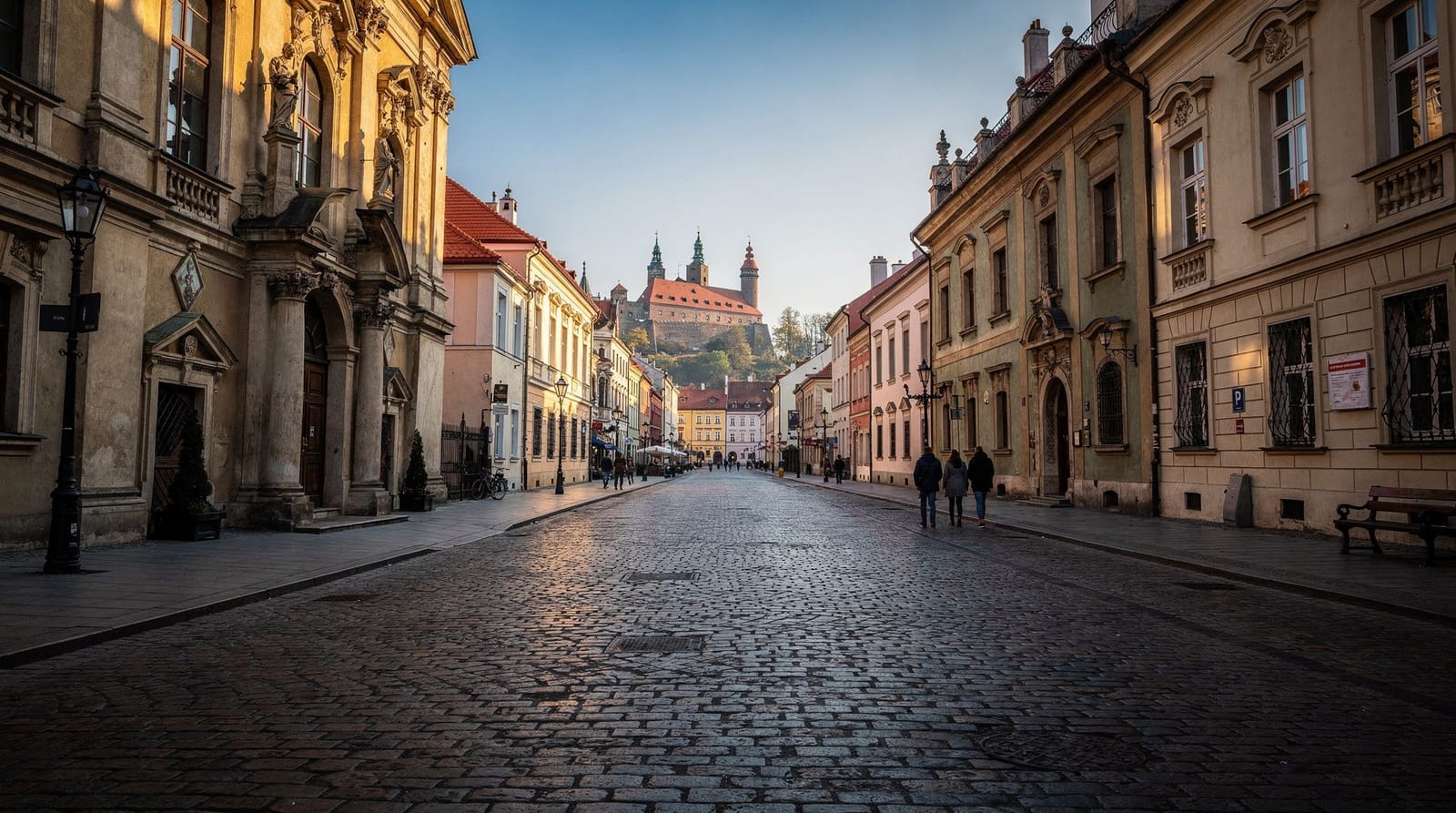
Wawel Hill is 10–15 minutes on foot from the Main Market Square, south along the Royal Route (ul. Grodzka). The castle entrance is at the top of the hill (the main gate, accessible by ramp for wheelchair users). Trams stop near the hill base (Wawel stop on ul. Podzamcze).
Peak season tip: Arrive at the castle ticket office at opening (9:00 am) or pre-book. By 11 am on a summer day, all popular circuits can be sold out for the rest of the day.
The Arrases tapestries: why they matter
The 137 surviving Flemish tapestries in the Wawel collection (the “Arrases,” from Arras, the principal centre of Flemish tapestry production) represent one of the greatest intact Renaissance decorative collections anywhere in Europe. Commissioned by Sigismund II Augustus in the mid-16th century, they were woven in Brussels and Antwerp between 1550 and 1560 to cover the walls of the State Rooms.
They were hidden during the Swedish invasion, evacuated to Canada in 1939 ahead of the German occupation, and returned to Poland in 1961 after years of diplomatic negotiation. The story of their survival — hidden, evacuated, disputed, repatriated — is as dramatic as the tapestries themselves.
In the State Rooms, they hang in their original positions. The largest (depicting hunting scenes and biblical narratives) are over 4 metres high. A guide who can identify the allegorical programmes behind specific tapestries, and explain why Sigismund chose those particular narratives, transforms the rooms from impressive into extraordinary.
When to visit Wawel to avoid the crowds
Lowest crowds: Weekday mornings before 10 am, particularly Tuesday–Thursday; also late afternoon (from 3 pm, once the coach tour groups have typically departed).
Highest crowds: Saturday and Sunday 10 am–2 pm in July and August. The inner courtyard can feel genuinely congested at peak times.
Best months: April, May, September, and October offer manageable crowd levels and good weather for the exterior and courtyard portions of the visit.
A practical note: If you are planning a peak-season visit and your preferred circuits show as sold out, check again closer to your date — cancellations appear from time to time, and the official site (wawel.krakow.pl) shows current availability.
Beyond the castle: extending your Wawel Hill day
Wawel sits at the southern end of the Royal Route, so it pairs naturally with the rest of the Old Town on foot. Walk back north along Rynek Główny, Kraków’s main square, or loop via Planty Park, the green ring of gardens that replaced the medieval city walls — a pleasant, shaded way to return without retracing the same street. If you’re building a full Old Town walking route around the castle visit, Wawel works well as either the first stop of the morning or the finale before dinner.
The Wawel Dragon legend is worth reading before your visit, even if you skip the Dragon’s Den itself — it explains why a fire-breathing dragon sculpture guards the riverbank below one of Poland’s most solemn national monuments, and it makes the cave far more entertaining for children. If you’re holding a Kraków city card, check our museum pass guide for which Wawel circuits, if any, it actually covers before relying on it instead of a separate ticket.
Planning links
- Wawel Castle full guide
- Wawel Cathedral guide
- Royal Route walking guide
- Wawel Royal History guide
- Old Town destination guide
- Rynek Underground Museum review
- Kraków 2-day itinerary (includes Wawel)
- Kraków 1-day itinerary
- Wawel State Rooms guide