Zakopane from Kraków: day trip guide to Poland's mountain capital
Krakow: Zakopane, funicular, cheese & highland day trip
Duration: 9h
How do I get to Zakopane from Kraków?
Zakopane is about 100 km south of Kraków, taking roughly 2 hours by road. PKS buses run several times daily from Kraków's main bus station (MDA) for about 20–30 PLN each way. Guided tours from Kraków handle transport and often include the funicular, oscypek cheese tasting, and a highland village. The drive through Podhale landscapes is part of the experience.
Zakopane: Poland’s mountain capital
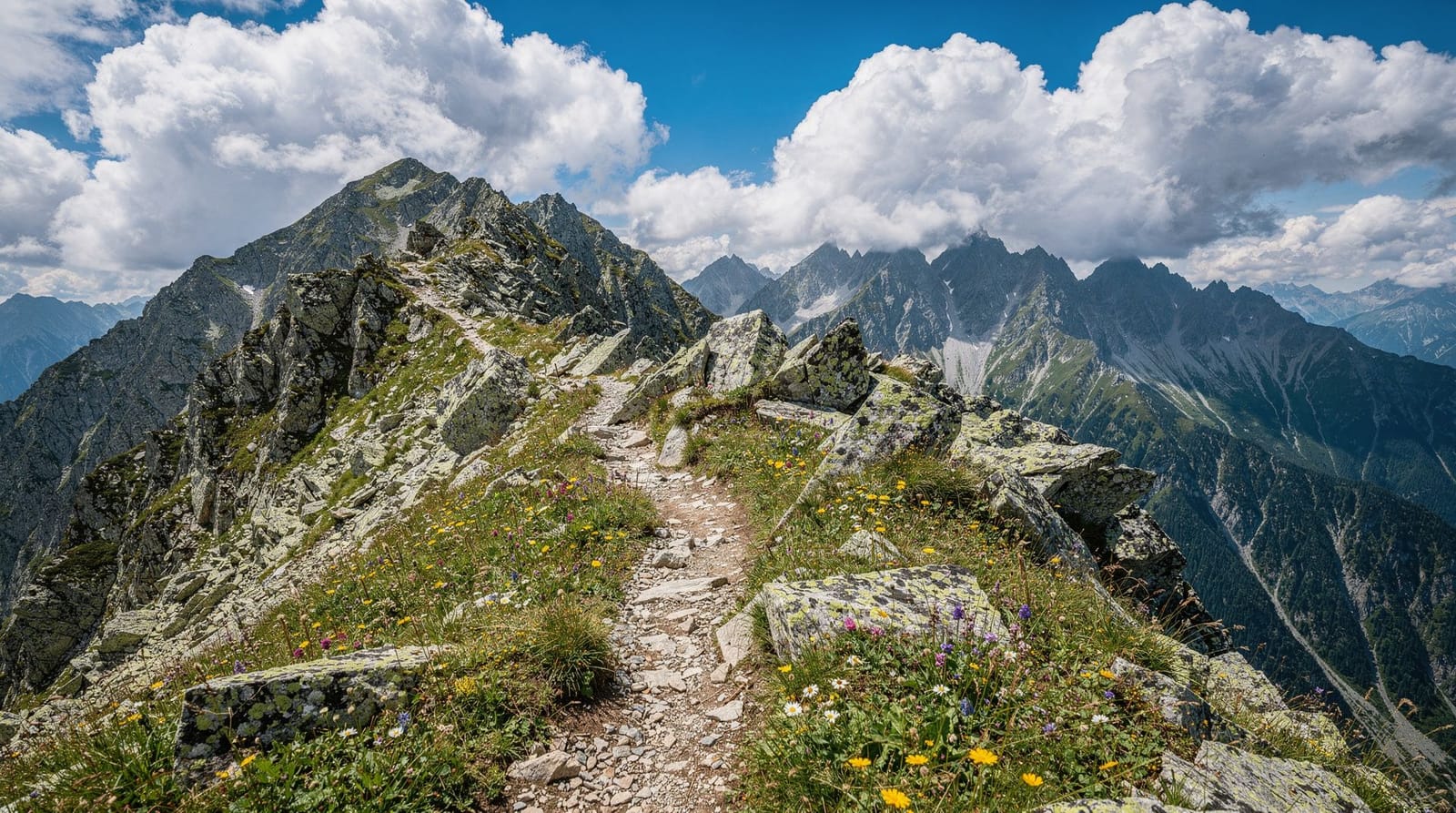
Zakopane sits at the foot of the Tatra Mountains, Poland’s highest mountain range, at an elevation of about 850 metres above sea level. It is simultaneously the country’s most famous mountain resort, the cultural capital of the Podhale highland region, and the gateway to one of Central Europe’s most dramatic landscapes.
A day trip from Kraków gives you a taste of Zakopane’s pedestrian promenade (Krupówki), the Gubałówka funicular with its panoramic Tatra views, genuine highland culture, obscure wooden architecture, and the flavours of the Podhale — oscypek (smoked sheep’s cheese), Żywiec beer, and highland spirits. For those wanting more, the surrounding mountains offer serious hiking, but they deserve more than a day.
| Where | Podhale region, foot of the Tatra Mountains, ~100 km south of Kraków |
| Cost | around 100–300 PLN per person, depending on transport and activities |
| Time needed | full day, around 10–12 hours door-to-door |
| Getting there | PKS bus, private car, or a guided minibus tour |
| Best time | September–October for clear air and thinner crowds |
Distance and transport from Kraków
Zakopane is approximately 100 km south of Kraków. Realistic journey times:
- By guided tour minibus: approximately 1h45 to 2h15 depending on the route and traffic
- By PKS bus (Kraków MDA to Zakopane): regular departures throughout the day, journey 2–2h30, cost approximately 20–30 PLN (€5–7) each way. The bus station is on ul. Bosacka in Zakopane.
- By private car: 1h45–2h via the Nowy Targ road (DK7). There is paid parking in Zakopane town centre.
- By train: Kraków Główny to Zakopane runs a few times daily, journey 2.5–3h, check current fares with the operator. Slower than bus; scenic through the Beskids.
Honest note: The road from Nowy Targ to Zakopane can be heavily congested on weekend mornings and in the ski season. Allow extra time, or go mid-week.
Guided tours from Kraków: your options
Funicular, cheese, and highland day trip
The Zakopane day trip with funicular ride and oscypek cheese tasting is the most popular introduction. It combines a guided morning in Zakopane town with the Gubałówka funicular (mountain panorama views), a visit to a highland village, and a cheese-tasting session where you try freshly made smoked oscypek. Excellent for first-time visitors.
Typical price: 130–160 PLN (€31–38) per person, including transport and funicular. Duration: 10–11 hours (departs ~07:00–08:00, returns ~18:00–19:00).
Private full-day tour
The private full-day Zakopane and Tatra Mountains tour gives your group exclusive transport and a personal guide for the day. You set the pace, extend time where you wish, and can incorporate a moderate hike in the Tatras if conditions permit.
Typical price: 700–1000 PLN total for 2 people (€167–238), lower per person for larger groups.
Standard day trip
The standard Zakopane and Polish Tatra Mountains day trip covers the main highlights — Krupówki, Gubałówka or Kasprowy Wierch cable car, and a highland culture introduction — at a more modest price point.
Typical price: 100–130 PLN (€24–31) per person.
What to do in Zakopane
Krupówki — the main promenade
Zakopane’s pedestrian main street stretches about 1.5 km and is always lively. Stalls sell oscypek cheese (grilled at the roadside and served with cranberry jam), handmade leather goods, wool items, and carved wooden crafts. Avoid buying generic souvenirs here — the quality varies wildly. Good authentic purchases: hand-carved wooden spoons and boards, genuine oscypek directly from highland sellers in the market, and embroidered textiles.
Honest note: Krupówki has become increasingly touristy and some restaurants along it are overpriced. The best eating in Zakopane is slightly off the main drag — see the dining section below.
Gubałówka Hill and funicular
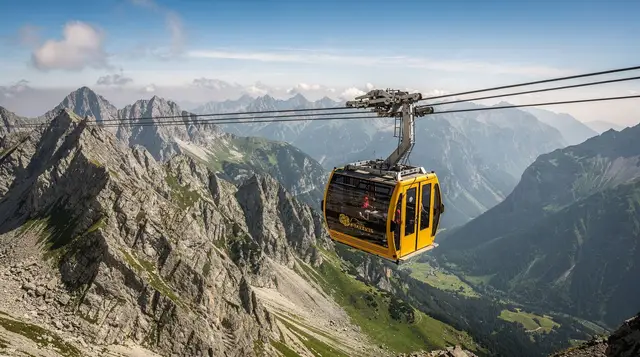
The Gubałówka funicular from the northern end of Krupówki runs to 1120 metres above sea level in about 4 minutes. From the top, the panorama of the Tatra Mountains spread across the southern horizon is genuinely spectacular on a clear day — the peaks of Rysy (2499 m, the highest point in Poland) and the distinctive Giewont are visible. There is a small amusement area, toboggan run, and several cafés at the top.
Funicular ticket: from 37 PLN (≈ €8.80) return in low season; seasonal prices on pkl.pl. Best timing: morning for clearest views before afternoon cloud builds over the peaks.
Kasprowy Wierch cable car
The more dramatic ascent is the Kasprowy Wierch cable car, departing from Kuźnice (accessible by minibus from Zakopane). This takes you to 1987 metres, the Polish-Slovak border, and one of the most popular starting points for Tatra ridge hiking. Queues in peak season are substantial — arrive before 09:00 or book in advance.
Cable car ticket: 129 PLN (≈ €30.70) return in low season (1 October–18 December 2026), 99–165 PLN in high season depending on the time. The cable car is closed for maintenance from 19 October to 6 November 2026; check pkl.pl.
Tatra National Park and day hikes
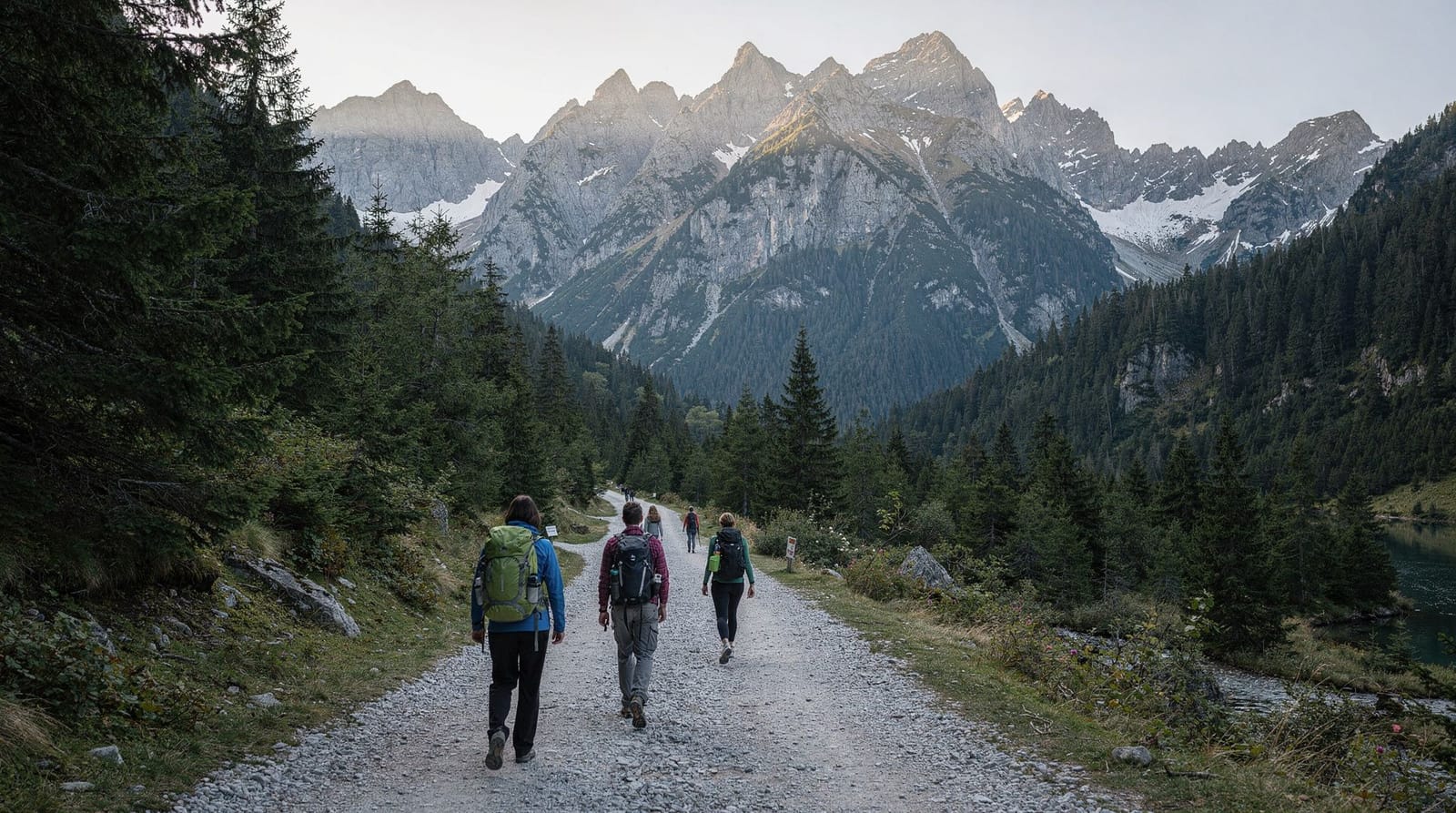
Zakopane is the gateway to Tatra National Park, with dozens of marked trails. Day hikes accessible from Zakopane without a guide:
- Dolina Kościeliska (Kościeliska Valley): A gentle valley walk, 2–3 hours return. Limestone gorge, cave entrance, great for families.
- Dolina Chochołowska (Chochołów Valley): Long but flat valley, famous for crocuses in April–May. 3–4 hours return from the car park.
- Giewont summit (1895 m): Strenuous, 4–5 hours return from Zakopane. The giant metal cross at the summit is a Polish national symbol. Strong footwear required.
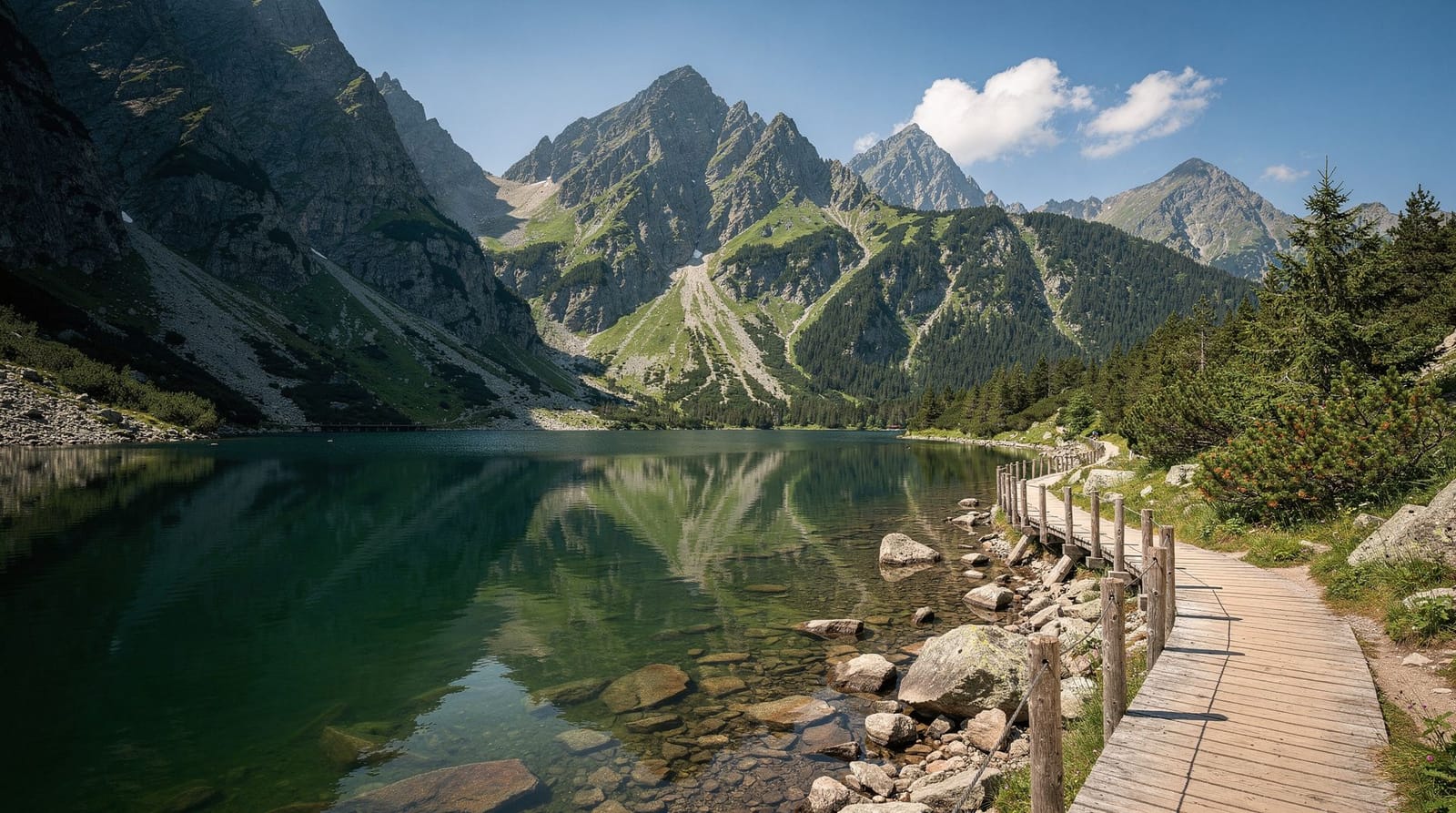
- Morskie Oko: The most famous Tatra lake, technically accessed from Palenica Białczańska (not Zakopane proper — see the Morskie Oko guide).
Tatra National Park entry fee: 11 PLN (≈ €2.60) per person, 5.50 PLN reduced.
Zakopane wooden architecture
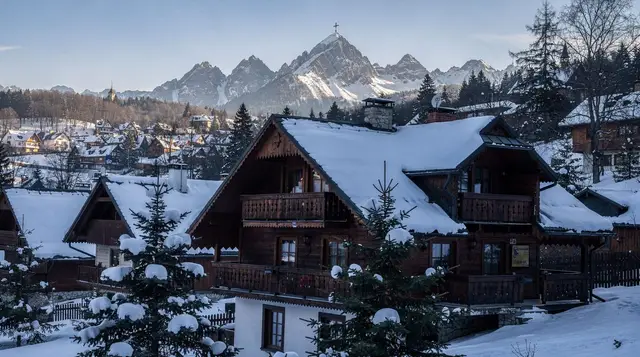
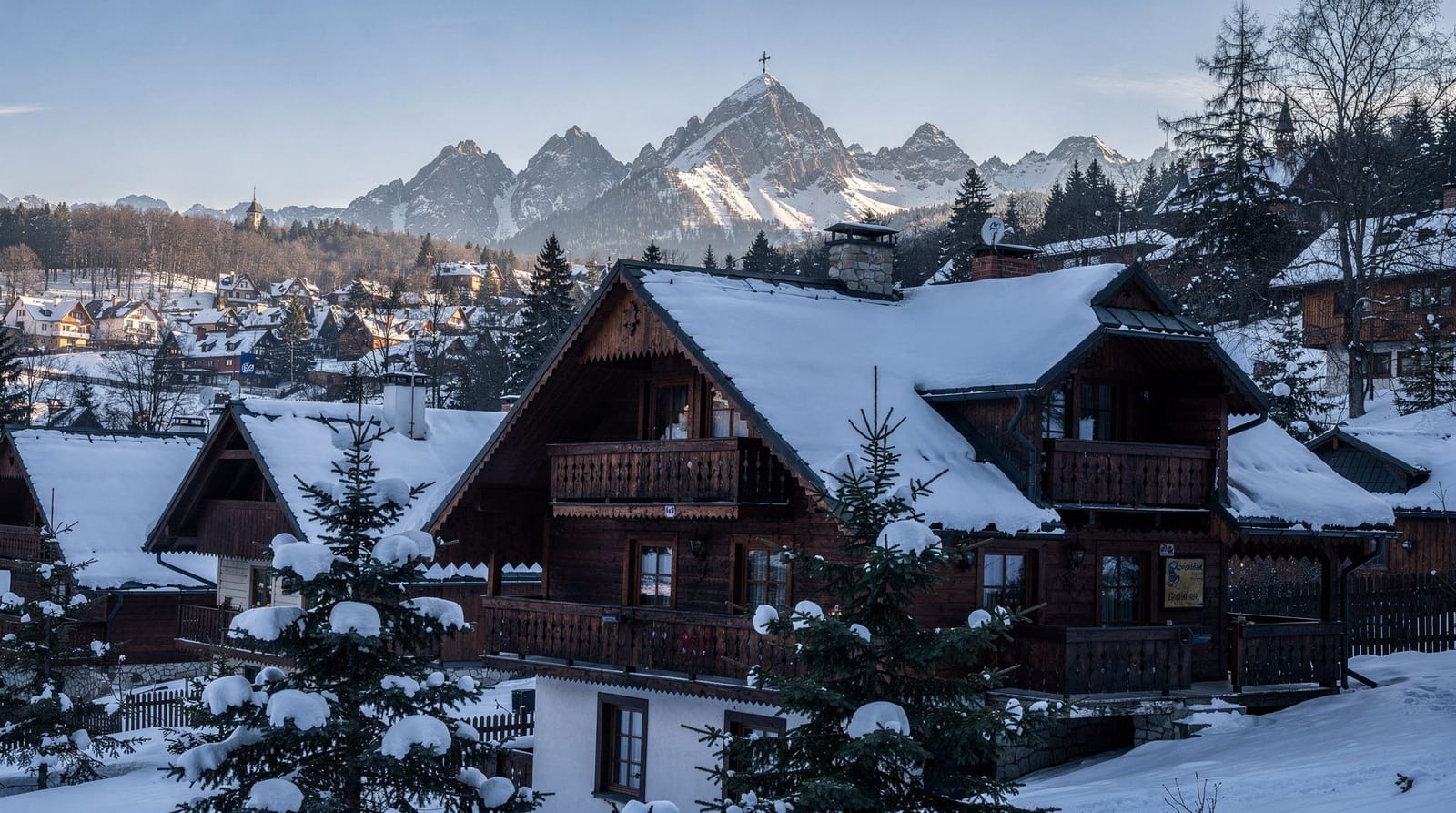
The Podhale highland style (styl zakopiański) developed in the late 19th century, blending local carpentry traditions with Art Nouveau influence. The most authentic examples:
- Villa Koliba (ul. Kościuszki 18) — now a museum of highland style, first building designed by architect Stanisław Witkiewicz (1892), admission 15 PLN
- Stary Cmentarz (Old Cemetery) — carved wooden grave markers, deeply moving, and an example of highland artistry at its purest
- Kościół Matki Boskiej Częstochowskiej — wooden highland church at the edge of town
What to eat in Zakopane
Zakopane food is hearty mountain fare. Prices are higher than Kraków milk bars but still reasonable.
Oscypek: The defining Podhale product — a smoked, hard sheep’s milk cheese with a distinctive spindle shape and branded pattern. Legally, only oscypek from the Podhale region using traditional methods can carry the name (it has EU Protected Designation of Origin status). Buy from roadside sellers in Krupówki or market stalls; the grilled version served with cranberry jam is the classic preparation. Cost: 8–15 PLN (€2–4) per piece.
Bryndza: A soft, spreadable sheep’s cheese, sharper and saltier than oscypek. Excellent with bread.
Żurek góralski: A heartier version of the sour rye soup, often served with smoked meats.
Kwaśnica: Sauerkraut soup with smoked pork ribs — the Podhale version. Filling and warming.
Highland spirits (gorzałka): The local mountain spirit, often served with honey. Not quite vodka, not quite whisky — its own thing entirely. Taste before you buy a bottle.
Recommended restaurants:
- Chata Zbójnicka (ul. Krupówki, off the main drag) — traditional highland cooking, wood-panelled interior, generous portions, 35–65 PLN per main
- Karczma Sabałowa — known for regional dishes and live highland music in the evenings
- Café Europejska — excellent pastries, coffee, and the famous kremówka cream cake (a papal association — John Paul II famously loved them from the bakery in nearby Wadowice)
Seasonal guide
Summer (June–August): Peak hiking season. Trails busy, accommodation expensive, but the mountains are at their best. Book guided tours well in advance.
Autumn (September–October): Often the most beautiful time — clear air, autumn colours in the valleys, fewer crowds. September is particularly recommended.
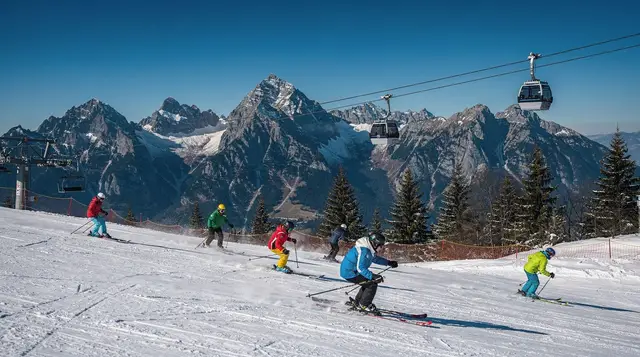
Winter (December–March): Zakopane becomes a ski resort. Kasprowy Wierch and Gubałówka both operate ski lifts. Cross-country skiing in Dolina Chochołowska. The atmosphere is festive and the town is lively, but snow on the access road means journey times can be longer.
Spring (April–May): Variable weather. The Chochołów Valley crocus season (late April) is spectacular. Some high-altitude trails remain closed due to snow — check with Tatra National Park before attempting summits.
Costs in PLN
| Item | Approx. cost |
|---|---|
| Guided day trip from Kraków (funicular + cheese) | 130–160 PLN (€31–38) |
| Standard guided day trip | 100–130 PLN (€24–31) |
| PKS bus from Kraków (each way) | 20–30 PLN (€5–7) |
| Gubałówka funicular (return) | From 37 PLN (≈ €8.80) |
| Kasprowy Wierch cable car (return) | 99–165 PLN high season; 129 PLN low season |
| Tatra National Park entry | 11 PLN (≈ €2.60) |
| Meal in a mountain restaurant | 35–65 PLN (€8–15) per main |
| Oscypek cheese | 8–15 PLN (€2–4) per piece |
Frequently asked questions about visiting Zakopane from Kraków
Is Zakopane worth a day trip from Kraków?
Yes — particularly if you have not seen mountain scenery before or want to experience Podhale culture. A full day is sufficient for Krupówki, the funicular, and a short walk; if you want to hike seriously, staying overnight makes much more sense. The scenery (on a clear day) is genuinely dramatic.
What is the best month to visit Zakopane?
September is ideal for hiking (warm, clear, fewer summer crowds) and October for autumn colours. The Christmas and New Year period is atmospheric but expensive and crowded. Avoid public holidays and weekends in July–August if you dislike crowds.
Can I hike to Morskie Oko on a day trip from Kraków?
Yes, but it is a long day — see the dedicated Morskie Oko guide. The access point (Palenica Białczańska) is about 25 km from Zakopane town. Many tours combine Zakopane with Morskie Oko in one day — it is manageable but leaves little time for Zakopane itself.
Is Zakopane crowded?
In July and August, yes — significantly. Krupówki can feel overwhelming at peak times. The trails above Zakopane are also busy. If you are sensitive to crowds, go in May, September, or October, or start very early in summer.
What should I wear for a Zakopane day trip?
Layers. Even in summer, temperatures in Zakopane are 5–8°C cooler than Kraków, and the mountains can produce sudden weather changes. Comfortable walking shoes are minimum — if you plan any trail walking, proper hiking boots are advisable. In winter, proper winter boots and warm layers are essential.
Should I book a guided tour or go independently?
Both work well. A guided tour handles transport, timing and usually includes the funicular and a cheese tasting, which suits first-time visitors who want the day organised for them. Going independently by PKS bus is cheaper and gives more freedom over timing, but you plan every leg yourself. The Zakopane tour vs DIY guide compares the costs and trade-offs in full.
Can I combine Zakopane with thermal baths in one day?
Yes — several tours and DIY routes pair a Zakopane morning with an afternoon at Aqua Park Zakopane or Chochołowskie Termy. It makes for a long but relaxing day, especially in winter when a hot soak after the cold mountain air is genuinely restorative. See the Zakopane thermal baths guide for the two main options and how to combine them with sightseeing.
Zakopane: a brief cultural history
Zakopane’s story as a cultural capital began in the 1880s, when the Warsaw artist colony — writers, painters, composers escaping the constraints of partitioned Poland — discovered the Podhale highlands. Stanisław Witkiewicz, the architect and critic, arrived in the 1880s and became obsessed with the highland vernacular building style. He developed what became the Zakopane Style (styl zakopiański) — a synthesis of traditional highlander (górale) carpentry, folk motifs, and Art Nouveau formalism. The wooden villas and cottages he designed across the town became the most architecturally coherent expression of Polish national identity outside the major cities.
The composer Karol Szymanowski spent years in Zakopane and was deeply influenced by the górale music — the distinctive violin-led folk dance (góralski) with its irregular rhythms and modal scales — incorporating it into the ballets and songs of his mature period. The painter Stanisław Witkacy (Witkiewicz’s son, known as Witkacy) ran his Portrait Firm here in the 1920s and 1930s, painting customers in exchange for fees graded by the sitter’s sobriety and Witkacy’s mood, producing thousands of expressive portraits that are now museum treasures.
This cultural legacy gives Zakopane a depth that pure mountain towns usually lack. The Highland Museum (Muzeum Tatrzańskie) at ul. Krupówki 10 tells this story with collections of folk art, regional costumes, and paintings. It is underrated by most day-trippers who stick to the cable car and cheese stalls.
Highland culture: the górale
The Podhale highlanders (górale, singular góral) are a distinct ethnolinguistic group within Polish culture, with their own dialect (gwara podhalańska), distinctive folk costumes (the white felt trousers with embroidery, embroidered waistcoat, and felt hat for men; the colourful skirts and headscarves for women), music, dance, and culinary traditions. They were pastoral people, raising sheep on the mountain pastures (hale), and their culture reflects the rhythms of altitude and seasonal transhumance.
Today, the commercial Zakopane tourism industry has commodified górale culture — the Krupówki stalls sell mass-produced versions of folk costume items, and some “górale” performers in restaurants are hired workers from Kraków. Authentic górale culture is still very much alive, but you find it in the villages outside the tourist centre, in the mountain huts above the treeline, and in the music sessions at specific venues (ask a local guide for current recommendations).
Oscypek authentication: The EU Protected Designation of Origin for oscypek specifies sheep’s milk from Tatra sheep (owca górska) raised on Podhale pastures between May and October, produced in the traditional form by certified highland producers. The cheese sold in supermarkets in Kraków is sometimes imitation. The roadside sellers in Krupówki, and especially in the highland villages around Zakopane (Chochołów, Bukowina Tatrzańska), are more likely to sell the genuine article.
Planning your visit: day trip vs overnight
A day trip from Kraków to Zakopane gives you enough time for Krupówki, the Gubałówka funicular, lunch, and a short walk in the lower valleys. It does not give you time for serious hiking, an overnight hut stay, a Kasprowy Wierch ascent that does not feel rushed, or the evening atmosphere of Zakopane when the day-trippers leave and the town becomes quieter and more itself.
If you are genuinely interested in the Tatras, consider staying overnight in Zakopane and returning to Kraków the following day. Accommodation in Zakopane ranges from budget hostels (80–120 PLN per bed) to comfortable pensions (150–250 PLN per room), with a few upmarket options like the Villa Marilor (300+ PLN per room). The Giewont Hotel and Radisson Blu Zakopane serve those who want four-star facilities with mountain views.
Kraków to Zakopane as a day trip is worth doing once, particularly if your Kraków stay is short. But the mountains are worth more than a day if you have the time.
Day trip vs combining with Morskie Oko
Many operators offer combined Zakopane and Morskie Oko day trips. The combination is possible — the access point for Morskie Oko (Palenica Białczańska) is about 25 km from Zakopane — but creates a rushed day for both. Zakopane gets 1–2 hours of walking time rather than the more comfortable 3–4. The Morskie Oko hike (8 km each way) alone takes 3.5–4 hours if done properly. Combined, something has to give.
For visitors with only one day available, the combination tour gets you a taste of both. For those with two days, dedicating one to Zakopane and one to Morskie Oko separately is strongly preferred.
Related guides
- Zakopane destination guide
- Tatra Mountains guide
- Morskie Oko hike from Kraków
- Dunajec River rafting day trip
- Day trips from Kraków
- Mountains and nature in Małopolska
- Active things to do in the Kraków region
Tour, DIY, thermal baths, or skiing: which Zakopane day fits you
A single “Zakopane day trip” covers several genuinely different experiences depending on the season and what you want out of it. If you are still deciding how to organise the day, our Zakopane tour vs DIY comparison breaks down the cost and time trade-offs of going independently versus booking a guided minibus in far more depth than fits here. If relaxation matters more than sightseeing, pair the mountain views with a soak — see the Zakopane thermal baths guide for Aqua Park Zakopane versus Chochołowskie Termy. Visiting between December and March opens up an entirely different Zakopane, covered in the Zakopane winter skiing guide, which includes ski pass prices and rental costs.
For visitors with more than one day, the 5-day Kraków, Zakopane and Tatras itinerary shows how a proper mountain stay changes the experience compared with a rushed day trip, and the best day trips from Kraków guide puts Zakopane in context against Wieliczka, Auschwitz, and the Dunajec Gorge for travellers weighing up limited time. Families deciding between destinations should also check the family-friendly day trips from Kraków guide, which rates Zakopane’s funicular and gentle valley walks against other options for younger children.
An alternative day trip: the Dunajec Gorge
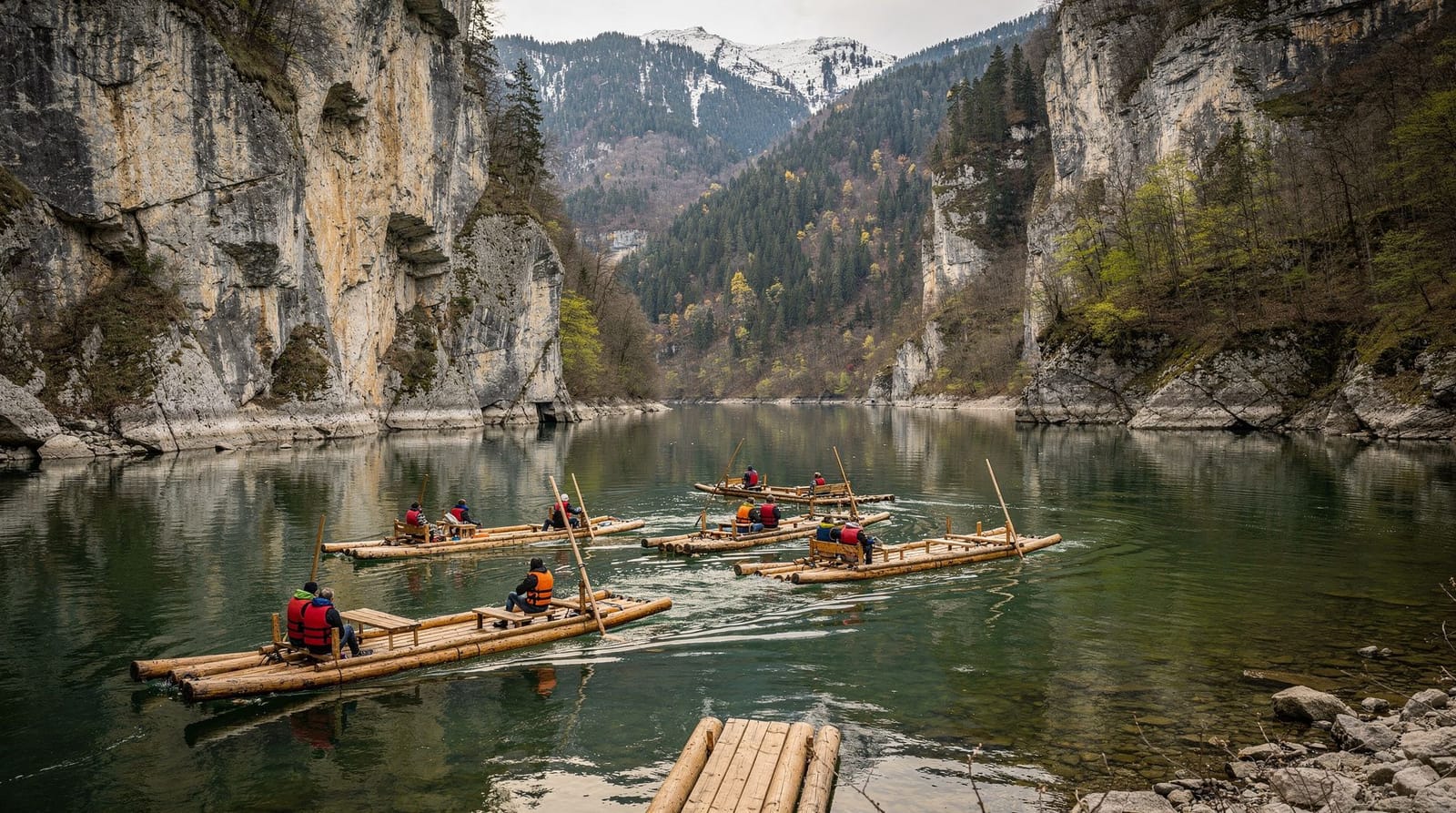
If the appeal of Zakopane is really “a different landscape and a change of pace from Kraków” rather than the mountains specifically, the Dunajec Gorge is worth weighing as an alternative or a second day-trip choice. The traditional wooden raft trip through the limestone gorge on the Slovak border is a gentler, family-friendlier day than a Tatra hike, and several operators combine it with a short highland stop. Full logistics are in the Dunajec River rafting day trip guide; read the reviews on the Dunajec rafting tour review page before booking if you want a sense of what previous visitors actually experienced.
Top experiences
Bookable activities with verified prices and instant confirmation on GetYourGuide.