Oskar Schindler's Factory Museum: tickets, tips and what to expect
Krakow: Schindler Factory Museum guided tour
Duration: 2h
How far in advance should you book Schindler Factory Museum tickets?
Book at least 1 week ahead in summer (May–September), and 3–5 days ahead in shoulder season. The museum sells out almost every day from June through August. Online booking at muzeumkrakowa.pl or via GetYourGuide is strongly recommended. Walk-in is sometimes possible in winter but not guaranteed.
What Schindler’s Factory Museum is — and what it is not
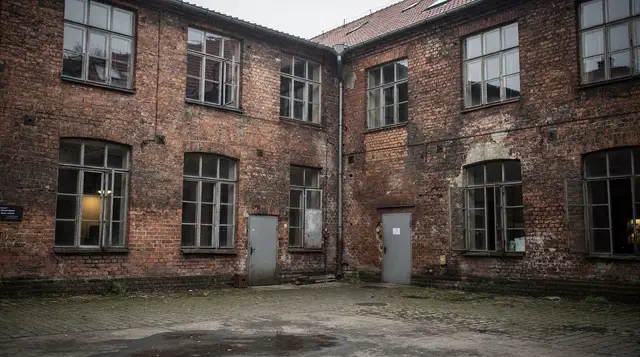
The Oskar Schindler Factory Museum (Fabryka Schindlera) in Podgórze is one of Kraków’s most visited and most intellectually serious museums. It is important to understand what it covers before you visit: this is not primarily a museum about Oskar Schindler. It is a museum about the Nazi German occupation of Kraków between September 1939 and January 1945 — what that occupation meant for the city’s residents, its Jewish population in particular, and how an entire urban community was systematically terrorised, dispossessed and murdered.
Schindler’s factory is the frame — the building in which about 1,200 Jewish workers were protected from deportation and death — but the exhibition extends far beyond Schindler’s story to cover:
- The German invasion and the establishment of German civil administration in Kraków
- The progressive legal stripping of rights from Jewish residents
- The creation, sealing and liquidation of the Kraków Ghetto in Podgórze (1941–1943)
- The deportations to the Bełżec extermination camp and later to the Płaszów concentration camp
- The experience of Poles under occupation (curfews, executions, forced labour, destruction of Polish cultural institutions)
- The role of collaboration, resistance and survival in the occupied city
The Schindler narrative — the Catholic Sudeten German factory manager who used his factory as a de facto shelter — is presented clearly and honestly, including the complexity of his motivations, which were initially commercial before becoming what appears to have been genuine protective intent.
| Where | ul. Lipowa 4, Zabłocie (Podgórze), ~3km from Rynek Główny |
| Cost | Adult 60 PLN, reduced 45 PLN, free Mondays |
| Time needed | 2–3.5hrs |
| Booking | Online at muzeumkrakowa.pl at least 1 week ahead in summer |
| Age guidance | 14+ recommended; graphic documentary content |
For the full picture of Kraków’s WWII history beyond this one museum, see the WWII Kraków guide and the Kraków ghetto and Podgórze guide.
The exhibition: room by room
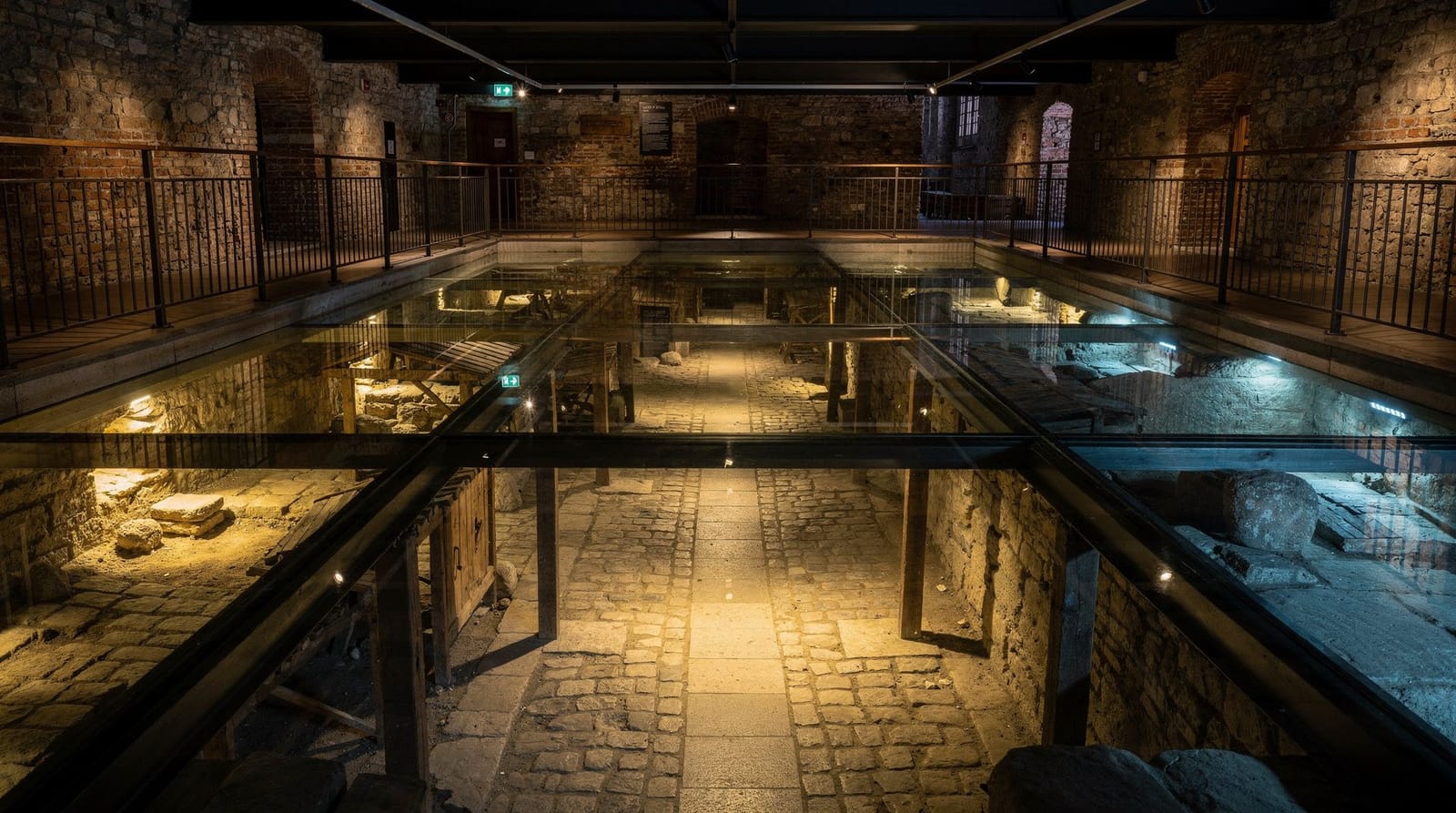
The permanent exhibition was created by the Historical Museum of the City of Kraków (MHK) and occupies multiple floors and dozens of rooms in the original factory building. The approach combines documentary evidence (photographs, documents, testimonies) with reconstructed environments — a pre-war Kraków apartment, a cramped Ghetto room, a factory floor. The reconstructions are immersive without being sensational.
Kraków 1939: the first section establishes Kraków before the occupation — a city of 259,000 people, of whom approximately 60,000 were Jewish. This context matters. Kraków’s Jewish community had been present since the 13th century; the Kazimierz district was one of the cultural and intellectual centres of Central European Jewish life.
September 1939 and German administration: the rapid imposition of German civil control, the establishment of the General Government under Hans Frank (headquartered at Wawel Castle), and the beginning of legal persecution.
The creation of the Ghetto: in 1941, Kraków’s Jewish population was forced into a sealed ghetto in the Podgórze district — ironically, into the neighbourhood where this museum now stands. The ghetto was small, overcrowded, and designed for the extraction of labour and the progressive reduction of its population.
The Ghetto liquidations (1942–1943): a harrowing section detailing the two phases of liquidation — deportation to Bełżec in October 1942 and the final liquidation of the ghetto on 13 March 1943. The Plac Bohaterów Getta (Heroes of the Ghetto Square), five minutes from this museum, was the deportation point.
Płaszów concentration camp: the camp built on two Jewish cemeteries in Podgórze in 1942, under the command of Amon Göth. Schindler’s list was drawn up in 1944 as Göth’s camp was being liquidated.
The factory and Schindler’s workers: the final section addresses the factory itself, Schindler’s workers, and what happened to them after liberation in May 1945.
Emotional preparation
The exhibition at Schindler’s Factory is not for the unprepared. The documentary evidence — photographs of executions, personal testimonies, the sheer volume of individual names and stories — creates emotional demands that some visitors find overwhelming. This is not a criticism; it is appropriate to the subject.
Allow extra time in the café afterwards (there is one in the building). Do not schedule demanding activities immediately after — the mental and emotional processing needs space.
If you are visiting with children under 12, consider carefully whether this exhibition is appropriate. The museum’s guidance recommends 14+ for the full exhibition. There are sections that are explicitly graphic.
Tickets and booking
Adult tickets: 60 PLN (≈ €14.30). Reduced: 45 PLN (≈ €10.70). Mondays are free for all (no reservation that day, first come, first served), but lines form early.
Online booking at muzeumkrakowa.pl (Museum of Kraków) is strongly recommended; tickets can be bought up to 90 days ahead, and named tickets require the original ID document. The timed-entry slots book out weeks ahead in summer.
For the most convenient visit with expert historical context, a guided tour of Schindler’s Factory Museum provides interpretation that the exhibition panels alone cannot replicate, particularly for the sequences where individual testimony intersects with broader historical forces. Alternatively, this option includes entrance ticket and a guide — straightforward and well-reviewed.
If you want to be certain of entry on a specific day and bypass the ticket queue, the skip-the-line ticket with guided tour is the most reliable option for summer visits.
How long to allow
Minimum: 2 hours, reading approximately half the panels. Comfortable: 2.5–3 hours, reading most of the exhibition. Full engagement: 3–3.5 hours.
The museum is dense with content. A rushed 90-minute visit is technically possible but does not do justice to the material. If your schedule genuinely limits you to 90 minutes, prioritise the Ghetto liquidation section and the factory floor reconstruction.
Getting there
The museum is at ul. Lipowa 4, in the Zabłocie area of Podgórze, approximately 3 km from Rynek Główny.
Tram: Lines 3 and 24 from the city centre; alight at Zabłocie. The museum is a 2-minute walk.
On foot from Kazimierz: cross the Bernatek footbridge (a suspension footbridge with padlocks, popular with visitors — not the historic Kazimierz, but dramatic) and walk east along ul. Lipowa. Approximately 12 minutes.
Bolt/Uber: 10–15 minutes from the Old Town, typically 12–18 PLN (≈ €2.85–4.30).
The neighbourhood: Podgórze and the Ghetto area
The Schindler Factory Museum is at the heart of the area of Kraków with the densest WWII history. Before or after the museum:
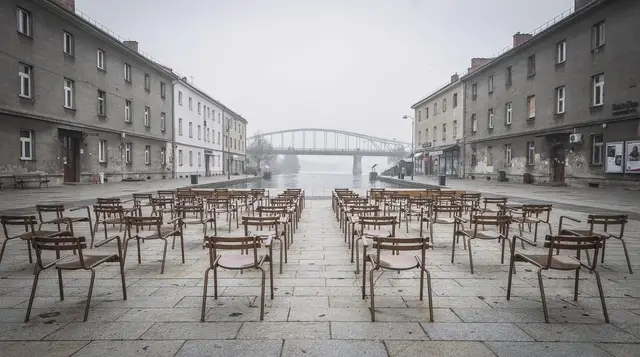
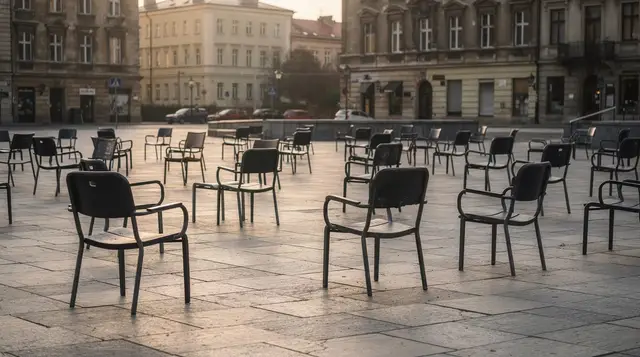
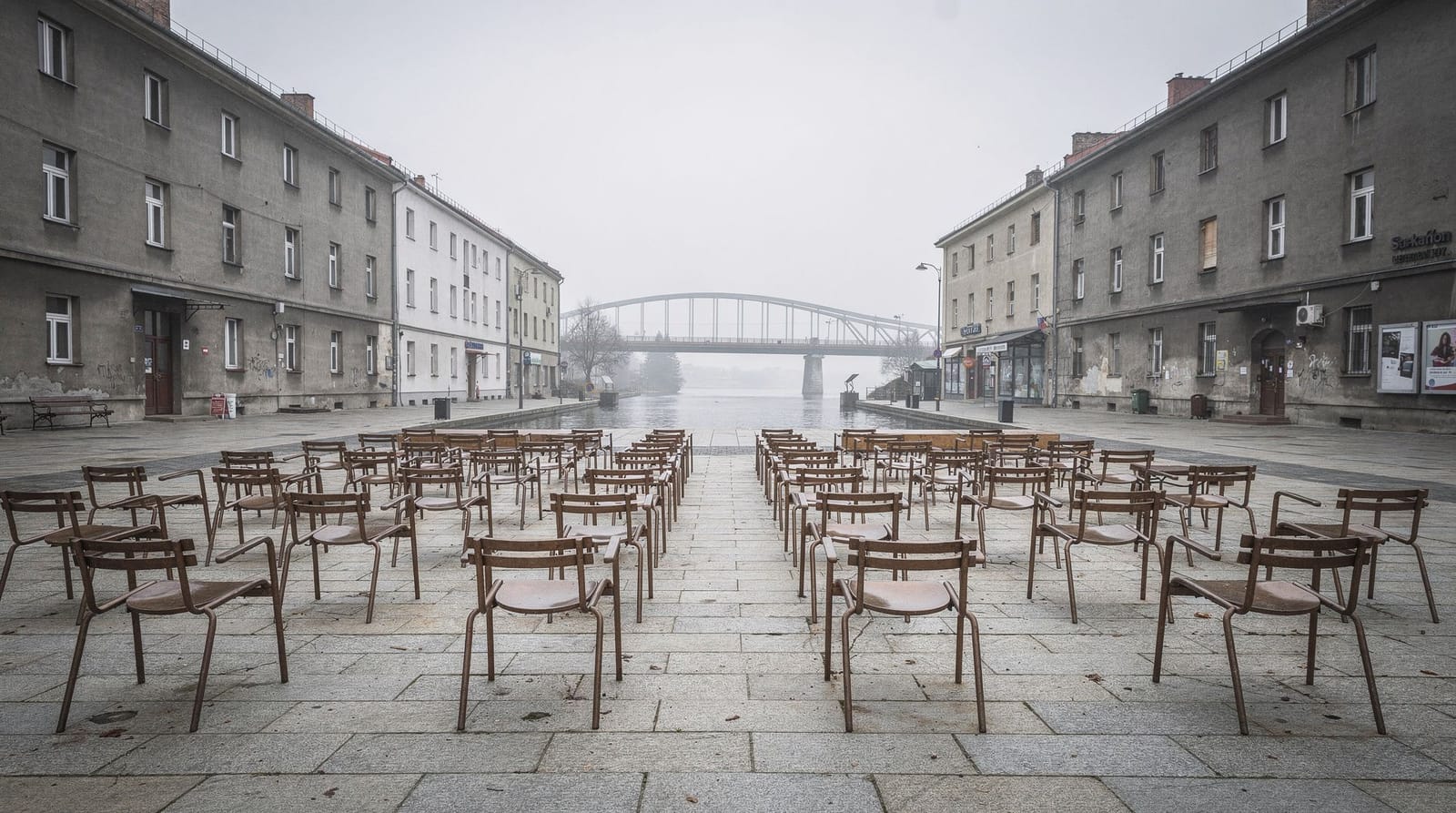
Plac Bohaterów Getta (Heroes of the Ghetto Square): 5 minutes’ walk. The square where the ghetto deportations took place, now marked by 33 empty metal chairs — one for each 1,000 Ghetto residents. A powerful memorial.
The “Apteka pod Orłem” (Eagle Pharmacy): on Plac Bohaterów Getta — covered in full in the Ghetto Heroes Square and Eagle Pharmacy guide. The pharmacy run by Tadeusz Pankiewicz, a Polish gentile who chose to remain inside the Ghetto after its sealing and helped residents through the occupation. A small museum inside.
Ghetto Wall fragments: original sections of the ghetto wall survive on ul. Lwowska and ul. Limanowskiego, about 10 minutes’ walk south of the square.
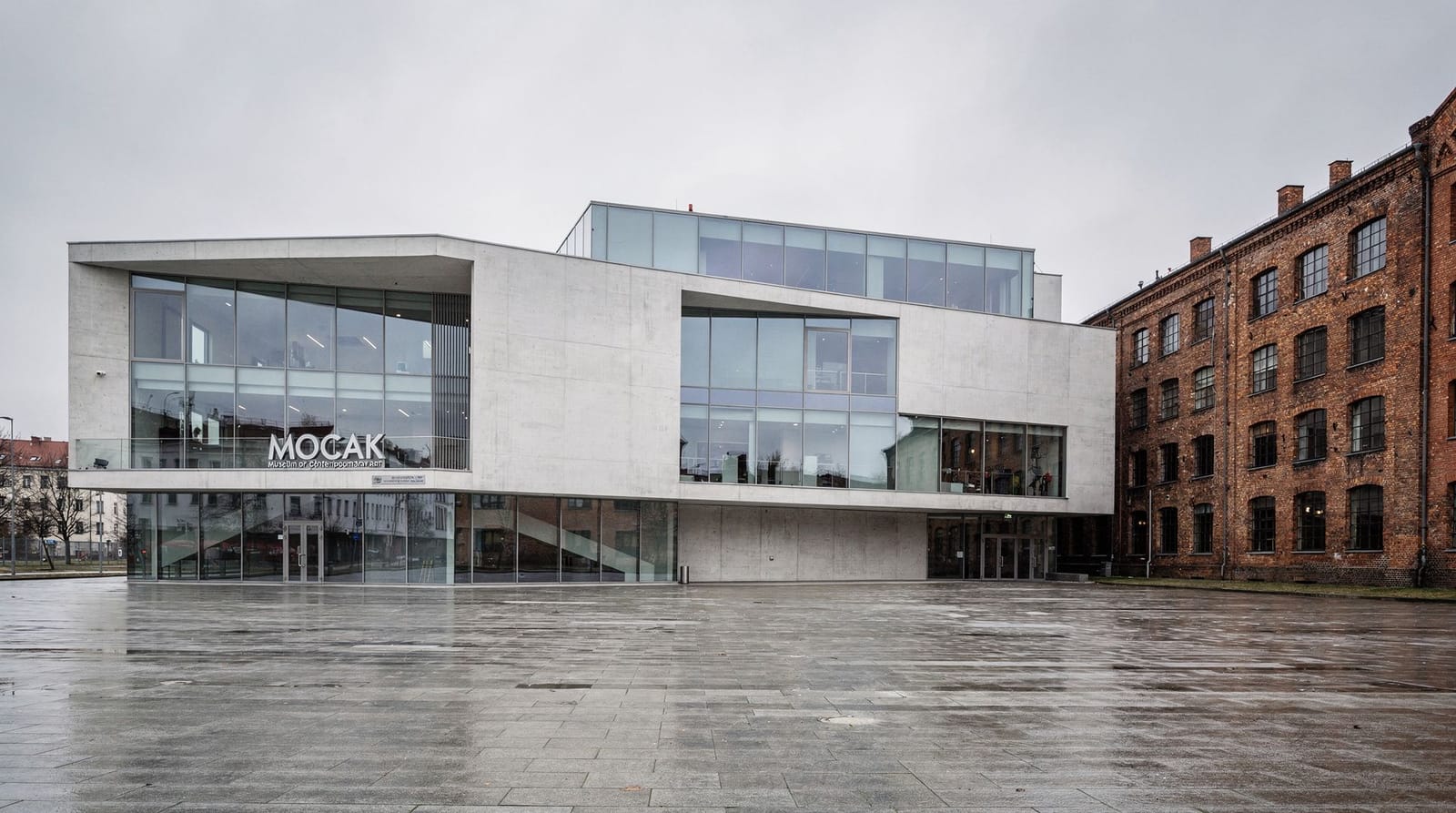
MOCAK — the Museum of Contemporary Art — is directly adjacent to the Schindler Factory Museum, in the same converted factory complex.
For the specific film locations used in Spielberg’s Schindler’s List, see the Schindler’s List Kraków locations guide, and for a deeper look at the district’s Jewish history before the war, the Jewish Kraków history overview provides essential context.
Planning the rest of your day
Because the exhibition is heavy going, it helps to build the day around it rather than squeeze it between other sights. Many visitors go early, when the rooms feel calmer and the mind is fresh, and leave the afternoon open for something gentle: a walk along the river, a long lunch, or simply sitting for a while. If you are building a wider programme on this theme, the WWII history itinerary shows how this museum fits with the other key sites, and the Kraków museum pass guide is worth a look if you plan several museum visits and want to compare the options.
Getting between sites is straightforward; the guide to getting around Kraków covers trams, taxis and walking so you can decide how to reach Zabłocie from wherever you are staying. If you have not yet chosen a base, the neighbourhood guide to where to stay explains how the different districts compare for sightseeing.
Reading the exhibition with the right context
The museum works best when you arrive with a rough sense of the wider story. The guide to Kraków under Nazi occupation sets out the sequence of events that the exhibition unfolds room by room, and reading it beforehand means the panels read as a confirmation of a narrative rather than a flood of unfamiliar names and dates.
It also helps to remember that the exhibition is not only about victims and perpetrators. It touches on the many ways in which people responded to the occupation, including organised underground activity. For that thread, the Home Army and resistance guide gives more background than a single museum can.
A few habits make the visit more rewarding:
- Pace yourself. Stop at the testimonies and listen or read them in full rather than moving quickly through every case.
- Take a break when you need one. The route is long, and nobody is timing you.
- Keep conversation low in the quieter rooms; other visitors are often visibly moved.
- Photography rules can change from room to room, so follow the signs and any staff instructions.
- Leave yourself a buffer at the end so you are not rushing to the next appointment.
Connecting this visit to the Jewish history of the city
The museum tells the story of a community that had shaped Kraków for centuries, and the best way to give that story its full weight is to see where that community lived. The Kazimierz Jewish Quarter guide takes you through the streets, synagogues and squares of the old Jewish district, and the experience of walking them after the museum is often quietly powerful.
Visitors who plan to continue to the camp memorial outside the city should also read the guide to visiting Auschwitz with respect, which covers conduct and expectations at a very different kind of site. Both pieces of preparation make it easier to treat the subject with the seriousness it deserves.
Is guided or self-guided better?
Both work, but for different visitors. A guide provides the historical context and personal stories that explain why individual rooms and artefacts matter; the exhibition panels are thorough but dense. If you are not already familiar with Polish WWII history, a guide shortens the emotional processing time by giving you a framework before you encounter the evidence.
For a solo or repeat visit, self-guided with the audio guide (available in multiple languages) is perfectly adequate.
Frequently asked questions about Schindler’s Factory Museum
Is the Schindler Factory the building from the film Schindler’s List?
The museum is housed in the actual Emalia factory (Deutsche Emailwarenfabrik) where Oskar Schindler operated, on ul. Lipowa 4. Spielberg filmed Schindler’s List (1993) largely in Kraków but not primarily in this building — many factory scenes were filmed in a different Kraków location. The museum occupies the original factory office building and adjacent spaces.
Is the museum appropriate for children?
The museum recommends 14+ for the full exhibition due to graphic documentary evidence. Some families with mature 12–13-year-olds have visited successfully. Children under 10 are not appropriate for this exhibition.
How is this different from visiting Auschwitz?
The Schindler Factory covers the occupation and persecution of Kraków specifically — the city-level experience of Nazi rule, the Ghetto, the individual human stories. Auschwitz-Birkenau covers the extermination camp system itself. They are complementary, not substitutes. Many visitors find the Schindler Factory more personally immediate because it is embedded in the city you are walking through; Auschwitz is more structurally confronting because of its scale and directness.
Does the museum address Oskar Schindler critically?
Yes. The exhibition does not present Schindler as a simple hero. His initial motivations were clearly commercial (he sought Jewish workers as cheaper labour), his personal ethics were those of an opportunist, and his later protective actions were shaped by a complex mix of self-interest, relationship with his Jewish accountant Itzhak Stern, and apparently genuine human response to what he witnessed. The exhibition presents this complexity honestly.
Can you visit the factory floor?
Yes — the factory production floor is part of the exhibition route, partially reconstructed to show what the wartime production environment looked like. The physical scale of the space is part of the experience.
Should I visit Schindler’s Factory before or after Auschwitz?
If you’re doing both, most visitors find the city-level context here — the Ghetto, the occupation of daily life, the individual stories — makes more sense to see first, before the scale of Auschwitz. That said, either order works; the two sites are complementary and each stands on its own. See the Auschwitz from Kraków guide for planning that half of the trip.
Top experiences
Bookable activities with verified prices and instant confirmation on GetYourGuide.