Krakow scams guide: what to watch for and how to avoid them
Krakow: Old Town guided walking tour
Duration: 3h
What scams do tourists encounter in Kraków?
The most common are the drink scam (friendly strangers lead you to a bar where drinks arrive without prices and the bill is 300–600 PLN), unofficial taxis at the station and airport (5–10× metered rate), and street touts selling fake Auschwitz tours or club entry with hidden charges. All are avoidable with basic knowledge.
| Biggest risk | The drink scam (300–600 PLN inflated bills) |
| Where | Rynek Główny area, ul. Szewska, station, airport arrivals |
| When | 20:00–02:00, worst in summer (Jun–Aug) |
| Easy fix | Choose your own venue; check menus have visible prices |
| If it happens | Pay by card, get a receipt, report to police (112) if pressured |
Kraków is safe — but not scam-free
Kraków is one of the safer European city-break destinations in terms of violent crime. Pickpocketing is limited by Central European standards, the police are present in tourist areas, and the general population is not oriented toward defrauding visitors. What the city does have — like any high-volume tourist destination — is a tier of operators who extract money from visitors via confusion, misdirection, or a simple failure to disclose prices.
This guide covers the specific scams that appear repeatedly in traveller accounts. These are not hypothetical or rare: each one here has been reported across multiple recent years by independent sources. The pattern is consistent.
The drink scam (the most costly one)
This is the single most complained-about scam in Kraków for independent travellers. The mechanism:
- You are approached in the Old Town (usually between 20:00 and midnight, often near Rynek Główny or ul. Szewska) by one or two young, friendly people — often presented as locals, sometimes as tourists themselves.
- They suggest having a drink somewhere nearby. The venue they choose has a connection to them, though this is not disclosed.
- Inside the bar, drinks are ordered on your behalf or a menu without prices is handed over. Drinks arrive.
- The bill arrives: 300–600 PLN (≈ €71–143) for two or three drinks. This may be framed as a set minimum for the table.
- If you refuse to pay or dispute the amount, staff — sometimes large, sometimes threatening — reinforce the demand.
The drinks named in complaints are typically top-shelf imported spirits: Johnnie Walker Blue Label, Remy Martin XO, Hennessy VS, or premium vodka. These are genuinely expensive spirits, but the scam is that you did not choose them or agree to their price. Some bars use fake menus that change after ordering.
Specific areas where this occurs: The streets immediately around Rynek Główny late at night, particularly the northern end toward Floriańska Gate, ul. Szewska, and the area near Plac Nowy in Kazimierz on busier evenings.
How to avoid it: Do not enter any bar recommended or led to by a stranger you have just met on the street. Choose your own venue. When you arrive, look at the drinks menu and confirm prices before ordering. If no menu is available or prices are not listed, leave. Legitimate bars in Kraków — and there are many excellent ones — always have priced menus.
Nightclub touts and entry scams
The nightclub district around Rynek Główny and ul. Szewska generates a category of tout who operates on commission from clubs and occasionally strip clubs. The offer: free entry, cheap drinks, “the best club in Kraków.” The execution:
- Free entry may be genuine; revenue is made back on overpriced drinks or a table minimum (often 200–400 PLN) that was not disclosed.
- Strip clubs operate a more aggressive version: free entry leads to a “hostess” who orders expensive drinks, and the final bill — which may be 1,000–2,000 PLN (≈ €238–476) — is presented as your obligation.
- Some venues charge an entry fee at the door that was not mentioned when the tout approached you.
How to avoid it: Identify your venue before going out. Legitimate clubs in Kraków have listed entry policies online and do not use street touts. Clubs around ul. Dietla in Kazimierz, and a number of venues in the Old Town, operate honestly. The stag-party circuit has created a separate infrastructure of commission-heavy venues; if you are not part of a stag party but are in a mixed group of men, you are still a target for the same approaches.
Unofficial taxi overcharging
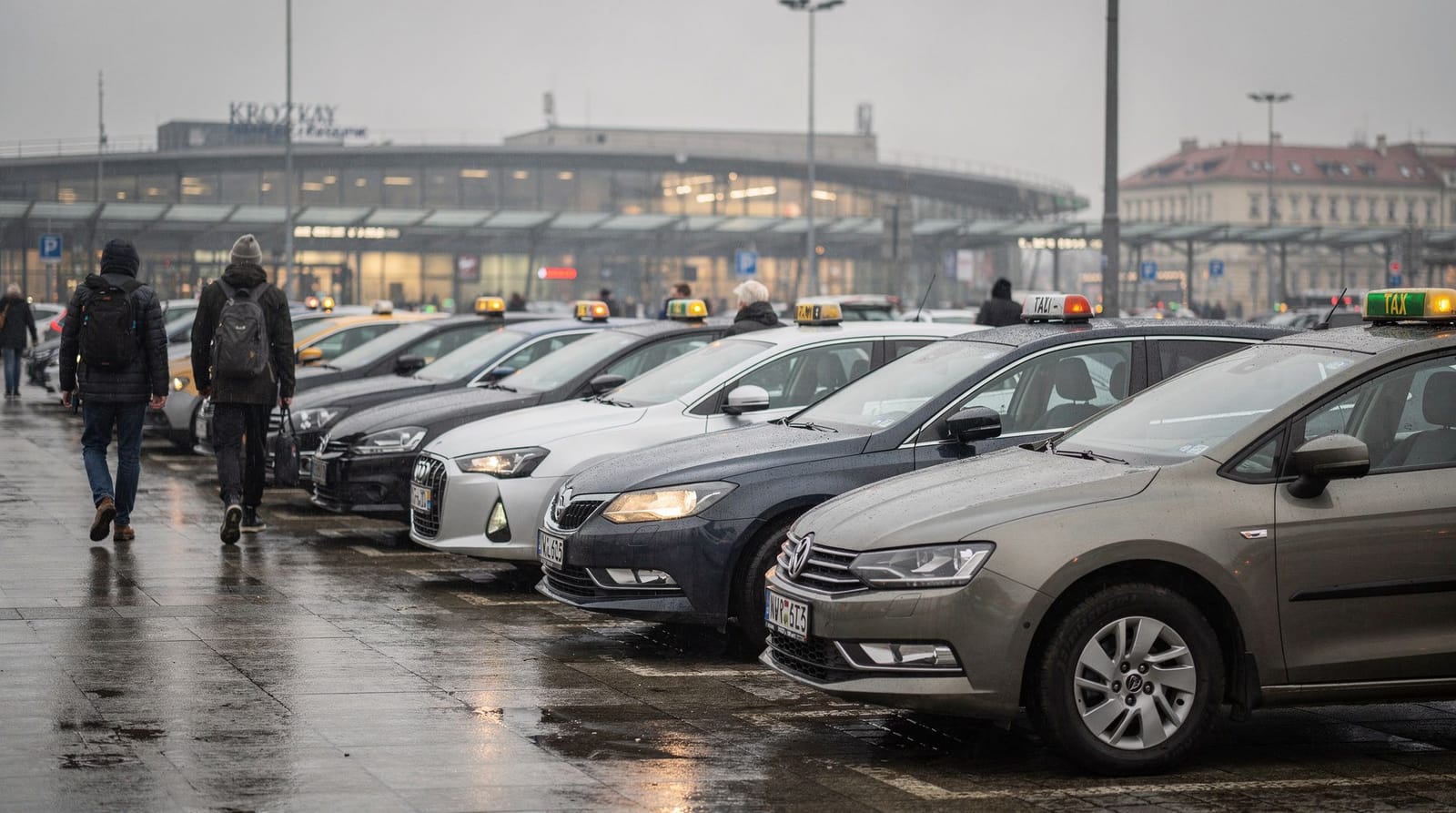
Covered in depth at Krakow taxi scams: how to avoid unofficial drivers at the station and airport, but the summary: unofficial taxi drivers (locally called “pirate taxis”) wait outside Kraków Główny station and in the arrivals zone at KRK Airport. They approach arrivals and offer rides. The quoted price is sometimes reasonable; the executed price is not. Typical overcharge: 5–10× what a metered official taxi or Bolt/Uber would charge.
Reference prices: Airport to centre (11 km): 50–70 PLN via Bolt/Uber. Train station to Old Town (1.5 km): 15–25 PLN via Bolt/Uber. Any driver quoting above this — especially verbally without an agreement in writing — is a red flag.
How to avoid it: Use Bolt or Uber. Pre-book a transfer. At the airport, take the train (20 PLN, 20 minutes). Do not accept an approach from anyone in the arrivals hall.
Fake Auschwitz tour sellers
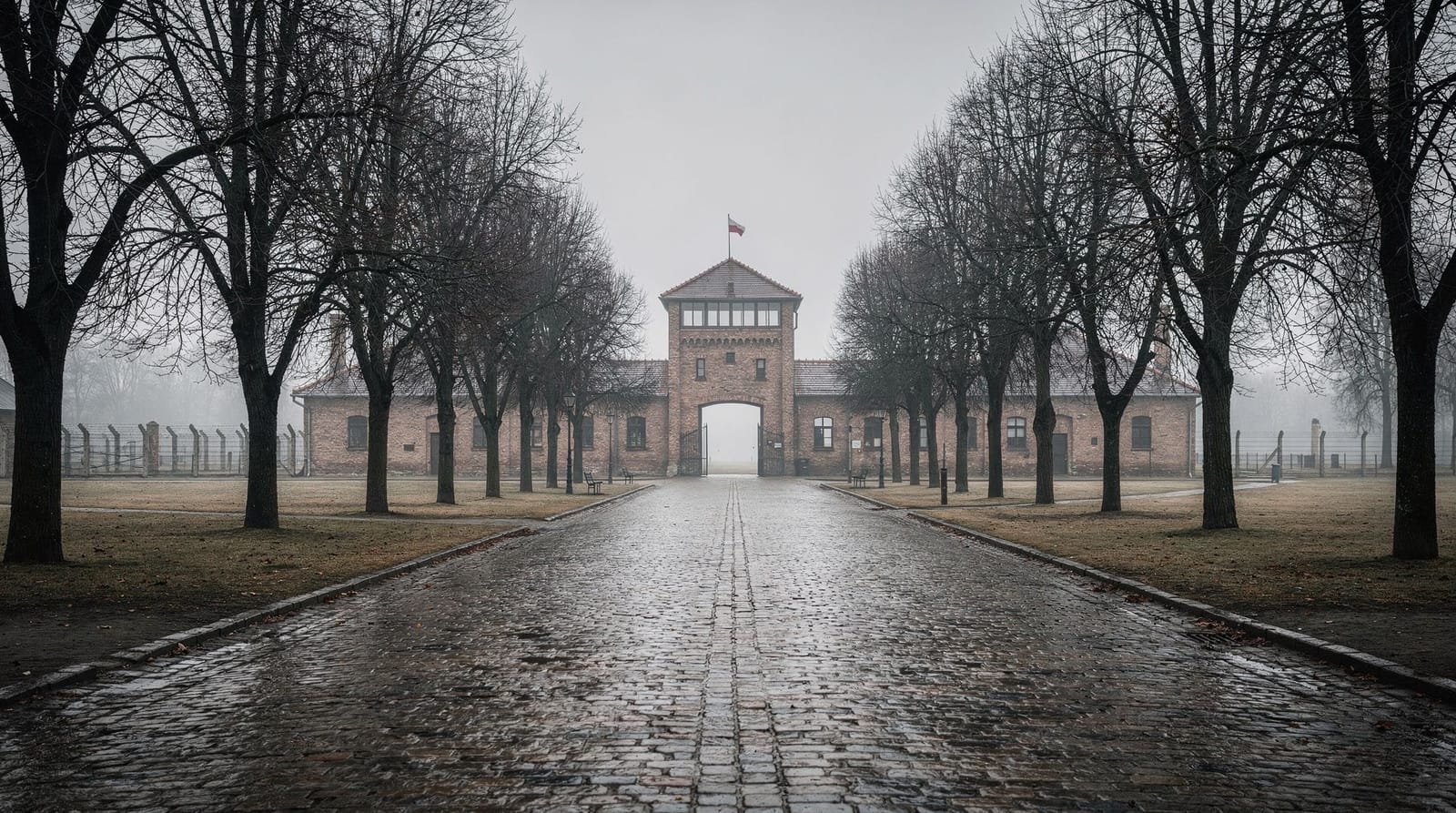
Around the train station and sometimes in the Old Town, individuals sell “Auschwitz tours” via clipboard or printed leaflets. These range from unlicensed transport operators to outright commission touts. The problems:
- Unlicensed guides are not permitted to conduct guided visits inside the Memorial during peak times (April–October), when all visitors must be with a licensed guide or on an individual timed-entry ticket.
- Some operators collect payment and provide only transport — arriving at a site that requires forward planning is not a good outcome.
- The lowest-priced offerings sometimes reflect a minibus that circles Oświęcim without stopping at the actual Memorial sites.
The Auschwitz-Birkenau Memorial and Museum is a place that requires proper context to visit meaningfully. An unlicensed guide cannot legally provide that context during peak periods, and the ethical and historical weight of the site demands more than a rushed commercial operation.
How to avoid it: Book only via visit.auschwitz.org (the official Memorial website) or a reputable licensed operator. For transport with proper licensed guidance, see Unofficial Auschwitz tours warning: why street operators are a problem and Visiting Auschwitz with respect: ethics, behaviour, and how to prepare.
Currency exchange traps
The worst exchange rates in Kraków are at the “Kantor” offices in tourist-facing locations on Rynek Główny and near the train station. Some display attractive exchange rates in large numbers, then charge a heavy commission — buried in small print or disclosed only after the transaction is initiated.
Reference rates (May 2026): 1 EUR ≈ 4.20 PLN at bank rate. A Kantor displaying 4.10 PLN/EUR with a 3% commission is giving you about 3.97 PLN/EUR effective rate. The actual gap to a poor exchange is typically 5–15% of your total.
How to avoid it: Use ATMs affiliated with major banks (PKO Bank Polski, Santander, ING). Avoid “zero commission” signs — these always embed the fee in the rate. Refuse dynamic currency conversion at ATMs (always choose to pay in PLN). For small amounts, the Kantors in Kazimierz or near the university area generally offer fairer rates than those on the Rynek.
Accommodation bait-and-switch
Less common than the above but reported: budget accommodation books via OTA (Booking.com, Hostelworld) and on arrival the specific room or hostel has “problems” — relocated to a different (worse) property nearby. This is more prevalent with very cheap listings and during major festival periods (Jewish Culture Festival in July, Dragon Parade in June).
How to avoid it: Read recent reviews. Call or email to confirm your booking two days before arrival. Use accommodations with strong review history.
Currency exchange and ATM traps in detail
The Kantor (currency exchange office) system in Kraków operates legitimately for the most part, but tourist-facing offices — particularly on Rynek Główny and near the train station — use specific techniques to make poor rates look attractive:
The big-number rate display: A Kantor may display “4.18” for EUR to PLN in large numerals on an electronic board. The fine print shows a commission of 3–5% that brings the effective rate down to 3.97–4.04 PLN. The gap looks small but on €200, the difference is 2.8–8.6 PLN (≈ €0.67–2.05) — marginal, but it multiplies across many transactions.
The “zero commission” trap: Exchange offices advertising “zero commission” or “no fees” simply embed their profit entirely in the rate spread. The rate they offer is the markup. There is no such thing as a free currency exchange; compare effective rates, not the commission percentage.
Dynamic currency conversion at ATMs: When you use an ATM with a foreign card, many machines offer to convert the amount to your home currency (“We’ll charge you €48.23 instead of 202 PLN”). This sounds helpful but uses a poor exchange rate and may include additional fees. Always choose “PLN” and let your home bank handle the conversion.
Best practice in Kraków: Withdraw złoty from PKO Bank Polski, ING, or Santander ATMs (all have branches in the Old Town). Withdraw in amounts above 500 PLN to minimise per-transaction fees. Use cards for larger purchases where rates are competitive.
The accommodation arrival scam
A lower-frequency but documented scam specifically targets visitors who have booked very cheap accommodation via third-party platforms:
- You book a cheap apartment or room on a platform like Booking.com
- A few days before arrival, you receive a message claiming the original property has a “problem” (water damage, renovation, unexpected closure)
- You are offered an alternative — usually significantly worse in location or quality
- The switch has been planned; the original listing was bait
How to avoid it: Book accommodation with a substantial review history (100+ verified reviews). Confirm your booking directly with the property 48 hours before arrival. Use platforms with clear booking guarantees that include relocation to equivalent accommodation at no cost.
Fake police and “document checks”
Rare in Kraków compared to some other European cities, but worth knowing: individuals posing as plainclothes police officers may approach tourists and ask to check their passports and wallets for “counterfeit currency.” This is always a scam. Polish police (Policja) do not conduct street document checks on tourists without specific legal justification and will always identify themselves with a badge (legitymacja) before any request.
If approached: ask to see identification, offer to walk to the nearest police station to complete any check, and never hand over your wallet. Real officers accept these responses; scammers walk away.
Seasonal scam patterns
Some scams are more active at specific times:
Summer (June–August): Peak period for the drink scam and nightclub touts. Stag-party season attracts more commission-based venue operators. The Rynek is at maximum visitor density.
Major festivals: Jewish Culture Festival (July), Wianki midsummer festival (June), and Kraków Christmas markets (late November–January) attract higher visitor volumes and more opportunistic operators. The Christmas markets are particularly busy for souvenir overselling.
Easter: Kraków’s Easter traditions (rękawka festival, Emaus market) draw large crowds and street vendors of variable legitimacy.
Off-peak (November–March): The drink scam is less active; unofficial taxi operators remain consistent year-round; Rynek restaurants are marginally less aggressive. The best time to visit for both honest pricing and lower crowds.
Fake tour bundles and last-minute street sellers
Beyond the Auschwitz-specific version, a broader category of street and hotel-lobby sellers push “combo” day-trip packages — Wieliczka plus Auschwitz in one day, or a “VIP” city tour with a vague itinerary — at prices that seem attractive until the actual inclusions are checked. Common issues: the combo doesn’t allow enough time at either site to be worthwhile, the transport is a shared minibus with far more stops than advertised, or the “guide” is simply a driver with no interpretive commentary.
This isn’t always fraud in the strict sense — the tour usually does happen — but it’s frequently a worse experience than booking each day trip properly through a reputable platform with clear reviews and inclusions listed upfront. If a seller can’t show you specific start times, group size, and what’s included in writing before you pay, treat that vagueness as the red flag it is. Booking the same combo through a platform with published reviews and a clear cancellation policy costs the same or less and removes almost all of the risk.
What is not a scam
Several things visitors interpret as scams are not:
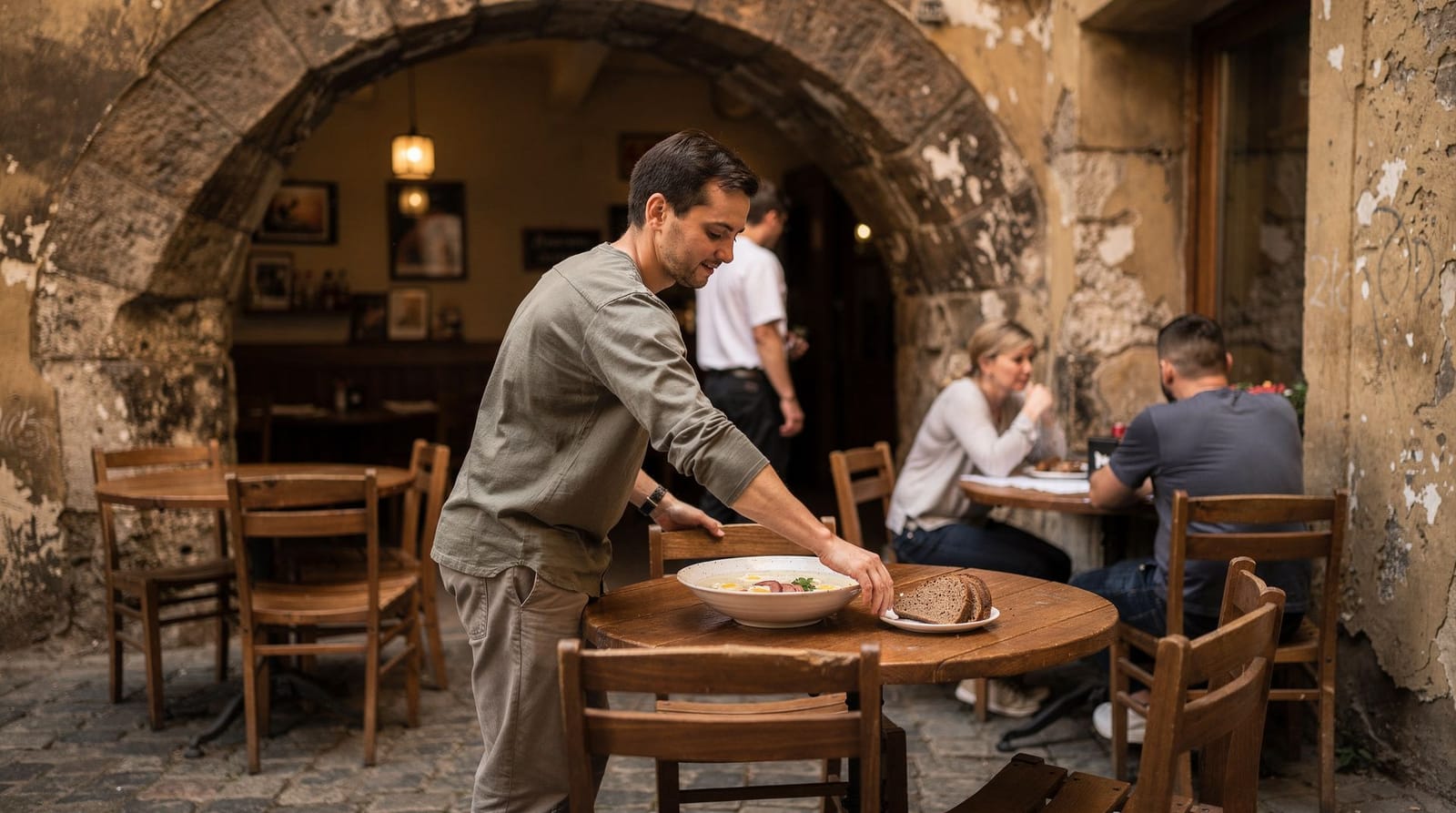
- Restaurants having different prices inside and outside — outdoor terraces legitimately cost more in Polish practice; this is normal and usually disclosed on the menu.
- Paying for toilets — most public toilets in Kraków charge 2–5 PLN (≈ €0.50–1.20). This is a standard fee, not a tourist trap.
- Tipping expectations — Polish restaurants typically leave a 10–15% tip to the server. This is cultural practice, not coercion.
- Museum entry fees — Kraków’s major museums are affordable (roughly 20–65 PLN) and worth paying for. The Schindler Factory, Rynek Underground, and MOCAK are genuinely excellent.
How the scam economy maps to the city geographically
Kraków’s scam activity is not evenly distributed. Most of it concentrates in specific zones:
Rynek Główny and the immediate surrounding streets (radius 200 metres): The highest density of tourist-facing operations including the drink scam, nightclub touts, unofficial horse carriage operators, and aggressive souvenir pricing. Active primarily from 18:00 to 02:00.
Kraków Główny station (the main train station): Unofficial taxi drivers in the main hall and at the exit. Fake Auschwitz tour sellers near the departure boards and at the bus station adjacent to the train station. Active whenever trains arrive from major cities (Vienna, Warsaw, Budapest, Berlin).
KRK Airport arrivals hall: Unofficial taxi drivers approaching arriving passengers before they reach the official taxi stand. Active around all international flight arrivals.
Ul. Szewska (the street running north from the Rynek): The main nightlife street, concentrated with tourist-facing bars and clubs. The drink scam and nightclub commission operations are particularly active here.
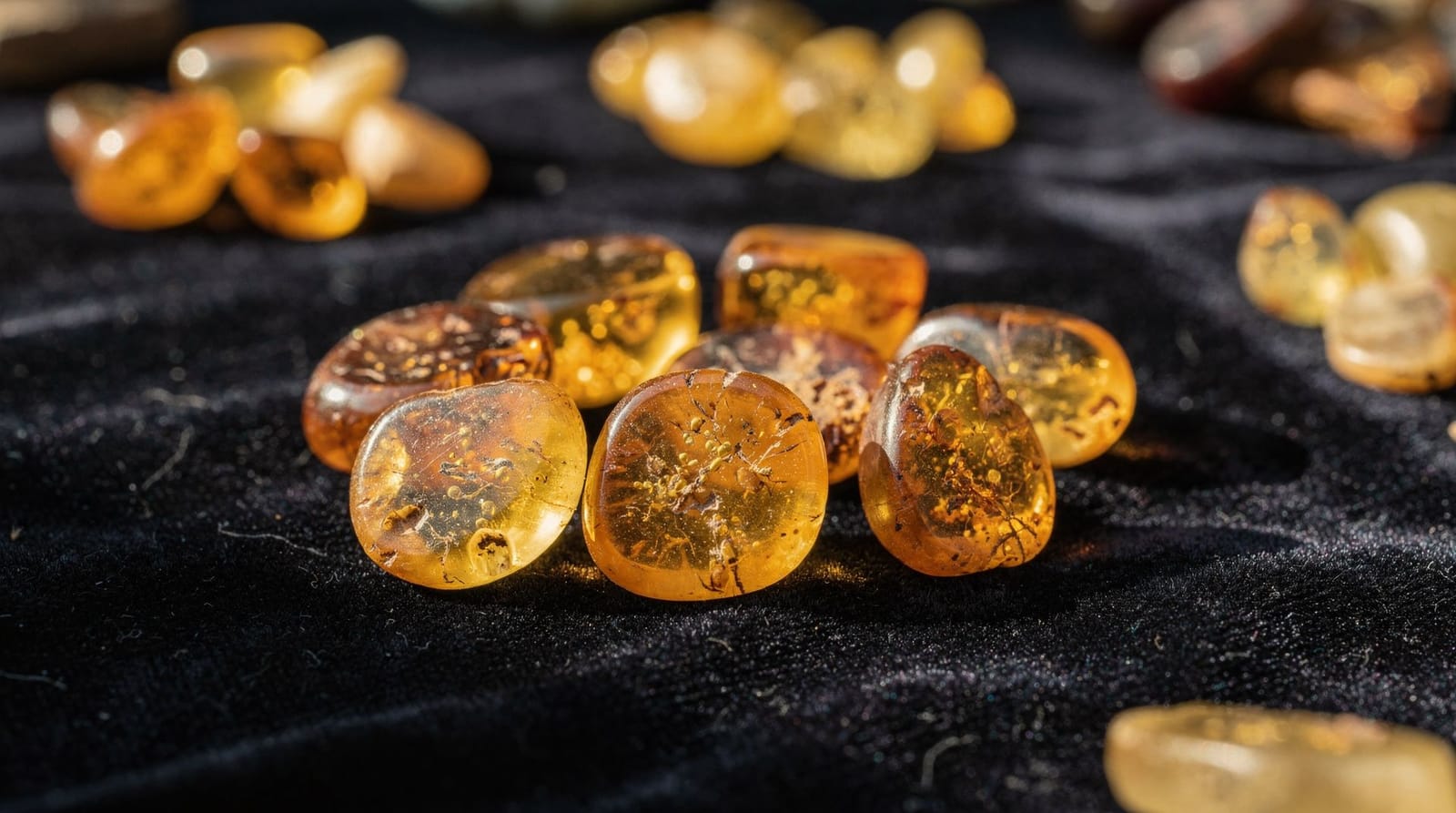
Sukiennice (Cloth Hall): Fake amber and overpriced craft goods in the market stalls in the building’s arcade.
Areas where these problems are largely absent:
Kazimierz (with some qualification): Kazimierz has some tourist-facing pricing but not the drink scam or nightclub commission operations to the same degree as the Old Town. The exception is the area around Plac Nowy late on weekend nights, which has developed some elements of the stag-party circuit.
Podgórze, Nowa Huta, Krowodrza: These residential and working neighbourhoods have essentially none of the tourist-specific scam activity. Restaurants serve local prices; taxi demand is managed via Bolt at standard rates; no tour seller activity.
Protecting your devices and belongings
Pickpocketing in Kraków is lower-risk than in Prague or Rome but not zero:
High-risk situations: The Rynek during major outdoor events (concerts, Christmas market, Dragon Parade), the tram line between the station and Old Town at peak times, and crowded bars where groups are distracted.
Best practice: Keep your phone in a front pocket or interior bag pocket when walking in crowded areas. Use a card with a low contactless limit for tap payments in tourist areas. Leave your passport in the hotel safe and carry a photo copy for ID purposes.
What to do if your phone or wallet is stolen: Report immediately to the nearest police station (Komisariat Policji; there is one in the Old Town at ul. Szeroka 35 in Kazimierz and the main commissariat on ul. Siemiradzkiego). Get a crime number for insurance purposes. Your bank can block cards remotely; do this immediately. Google’s Find My Device and Apple’s Find My work in Poland.
Scam risk by area: a quick reference
| Area | Risk level | Main scams |
|---|---|---|
| Rynek Główny (200m radius) | Highest | Drink scam, nightclub touts, overpriced souvenirs |
| Ul. Szewska | High | Drink scam, nightclub commission touts |
| Kraków Główny station | High | Unofficial taxis, fake Auschwitz tour sellers |
| KRK Airport arrivals | High | Unofficial taxis approaching before the official rank |
| Kazimierz (general) | Low–moderate | Some stag-circuit spillover near Plac Nowy late at night |
| Podgórze, Nowa Huta, Krowodrza | Very low | Essentially none — local prices, standard Bolt rates |
The pattern holds across almost every category above: scam density tracks tourist density, not the city as a whole. Spending time in Podgórze, Nowa Huta, or Kazimierz away from Plac Nowy at night is close to scam-free by comparison.
What to do if you’ve already been scammed
If you’ve paid an inflated bill or been overcharged, a few practical steps help even after the fact:
- Keep any receipt or card statement — a documented card charge is far easier to dispute than a cash payment, and some banks will reverse clearly fraudulent charges if you report promptly.
- Note the venue name, address, and time — useful for both a police report and a review warning future visitors.
- File a report with the tourist police or nearest Komisariat Policji if the amount is significant or you were threatened — Kraków has a dedicated tourist information point that can direct you.
- Leave an honest review — this is one of the more effective tools against repeat-offender venues, since they rely on a constant stream of first-time visitors who haven’t seen the pattern.
- Don’t blame yourself excessively — these scams are specifically designed to exploit unfamiliarity and social pressure; even experienced travellers get caught occasionally.
Better places to spend your evening and your money
Most of what goes wrong in the tourist core comes down to choosing a venue in a hurry. Deciding in advance removes the pressure that scammers rely on. For nights out, start from Kraków nightlife: bars, clubs and where to go or the more specific best bars in the Old Town, and read the pub crawl guide if you are thinking of joining a group, so you know what an organised evening should and should not include.
For meals, the same logic applies. The milk bars guide shows where locals eat with prices clearly on display, and best restaurants in the Old Town helps you pick a table before you are standing in front of a menu with no prices.
If you want the wider picture of how safe the city feels day to day, is Kraków safe? puts the risks in proportion, and Kraków money and currency covers cards, cash and exchange in more detail. First-time visitors will also find it useful to read Kraków for first-timers before arriving, since most of these traps work best on people who are still finding their bearings.
Staying safe and enjoying Kraków
The scams above cluster around specific moments and places. Knowing them in advance neutralises almost all risk. An Old Town guided walking tour on your first day orients you physically and helps calibrate what prices and approaches are normal in this city.
Kazimierz — the historic Jewish quarter 15 minutes’ walk from the Rynek — has a generally more honest tourism economy than the Old Town’s tourist core. The Kazimierz Jewish Quarter walking tour gives you a good base in the city’s best neighbourhood for independent exploring. A food tour like the guided Polish food and culture tour with tastings introduces you to real local spots that rely on quality rather than foot-traffic economics.
For the broader honest-planner picture, see Krakow tourist traps to avoid: the honest guide and the Honest Kraków hub.
Frequently asked questions about scams in Kraków
Is the drink scam really that common?
It appears in traveller reports consistently across multiple years. It is most active during peak summer months (June–August) and during stag-party season. The venues involved change, but the mechanism is stable. Solo male travellers and small mixed groups are the primary targets.
What should I do if I am presented with an inflated bill?
Stay calm. Ask to see the menu with the prices you were shown before ordering. If no such menu exists, you have grounds to dispute. In practice, most travellers pay under social pressure. The Polish consumer protection authority (UOKiK) has a complaint mechanism. In extreme cases, the police (112) can be called; this has resolved some bar scam situations. Having a documented charge on a card is better than cash payment for dispute purposes.
Are Kraków ATMs safe to use?
Generally yes. Use ATMs inside bank branches or in well-lit public areas rather than standalone machines on side streets at night. Cover your PIN. Always choose “PLN” (local currency) rather than the card’s home currency when the machine offers a choice.
How do I know if an Auschwitz tour operator is legitimate?
Legitimate operators are licensed by the Auschwitz-Birkenau Memorial and Museum. They will have a confirmed time-slot booking (not “we’ll work it out when we arrive”), a proper tour vehicle, and a licensed guide with credentials. If an operator cannot show you a confirmed timed-entry booking for the date and time you are travelling, do not book.
Are there any genuinely good bars near the Rynek?
Yes. Bars that you choose yourself, with menus that list prices visibly, are almost all legitimate. The scam is specifically about venues recommended by strangers on the street. Some of the best bars in the Old Town — Piano Rouge, Szara Gęś, Omerta — have excellent reputations and transparent pricing.
Top experiences
Bookable activities with verified prices and instant confirmation on GetYourGuide.