Wianki: Kraków's midsummer festival on the Vistula
Krakow: sightseeing cruise by Vistula River
What is Wianki and when does it take place in Kraków?
Wianki is Kraków's midsummer festival, rooted in the ancient Slavic solstice tradition of floating flower wreaths (wianki) on rivers. It is held on the weekend closest to the Feast of St. John (24 June). The Vistula embankment and Błonia meadow fill with live music across multiple stages; fireworks are launched from Wawel Hill at midnight. The festival is free and draws tens of thousands of people. In 2026, expect the main events around 20–21 June.
What is Wianki?
Wianki — from the Polish word for “wreaths” or “garlands” — is one of the oldest surviving folk traditions in Poland, and Kraków’s version has grown into one of the most spectacular midsummer celebrations in Central Europe. The name refers to the ancient Slavic custom of young women weaving flower wreaths and casting them onto rivers at the summer solstice: the direction of the current, the speed of the wreath’s drift, and whether it sank or floated to the opposite bank all carried divinatory significance. Boys would wait downstream to catch the wreaths of the girls they hoped to court.
The Christian church absorbed this pagan solstice celebration into the Feast of St. John (Święto Jana, 24 June), and in Poland the bonfires and water rituals of midsummer became associated with the saint’s feast day — yet the pre-Christian character was never fully eclipsed. In Kraków, the tradition has been revived and scaled into a major urban festival, but the symbolic core — wreaths on the Vistula, bonfires on the riverbank, the longest day of the year celebrated at water’s edge — remains legible beneath the music stages and food stalls.
| Where | Vistula embankment below Wawel Hill, and Błonia meadow |
| Cost | Free; wreaths from around 15–30 PLN |
| Time needed | A full evening, roughly 17:00 to after midnight |
| Getting there | Walk from Old Town or Kazimierz; trams run extended hours |
| Best time | Arrive by 18:00 for a good spot before the wreath ceremony |
The historical roots
The oldest written accounts of midsummer celebrations in Kraków date to the 16th century, when chroniclers described bonfires and water festivities along the Vistula. The tradition was suppressed during the communist period (folk customs associated with pre-Christian practices were ideologically inconvenient) and revived in the early 1990s as part of a broader reclamation of Polish folk culture after 1989.
Kraków’s Wianki was formally restored as a city-organised event in the early 1990s. What began as a modest cultural evening grew over subsequent decades into a major festival drawing 50,000–100,000 people across the weekend. The music programme expanded from folk to a multi-genre offering; the fireworks became a signature; the floating wreaths — now released by participants in traditional dress alongside folk music performances — regained their ritual dimension within a modern popular festival context.
This layering — ancient symbol + communist suppression + post-1989 revival + 21st-century festival infrastructure — gives Wianki a historical depth that most summer music festivals in Europe lack. You’re not just at a concert; you’re at the resumption of a conversation interrupted by history.
When is Wianki 2026?
Wianki takes place on the weekend closest to the Feast of St. John (24 June). The Feast of St. John falls on a Wednesday in 2026. Based on the consistent pattern of recent editions, the main Wianki events will likely be staged on the weekend of 20–21 June 2026, with the primary outdoor concerts and fireworks on the evening of Saturday 20 June. The city of Kraków confirms exact dates by April each year; check krakow.pl.
Note: some secondary events — folk music performances, traditional wreath workshops, craft fairs — may begin a few days earlier in the week, building toward the main weekend event.
Where does Wianki take place?
Wianki is distributed across several zones on and near the Vistula embankment:
The Vistula embankment (Bulwary Wiślane): The stretch of riverside between the Grunwaldski Bridge (most Wawel) and the Dębniki Bridge is the festival’s heart. Multiple performance stages are set up along the embankment. The floating bar boats (tratwy) that anchor the embankment’s summer social life are particularly busy during Wianki weekend. Food stalls and vendors extend along the full riverside length.
Błonia meadow: Kraków’s large historic meadow northwest of the Old Town (accessible via trams 15 and 18 from Filharmonia stop) sometimes hosts the largest concert stages during Wianki, with headline acts performing for the biggest crowds. Błonia has hosted papal masses (John Paul II conducted mass here on multiple occasions) and major national celebrations — it is Europe’s largest city meadow and provides the scale that the riverside cannot.
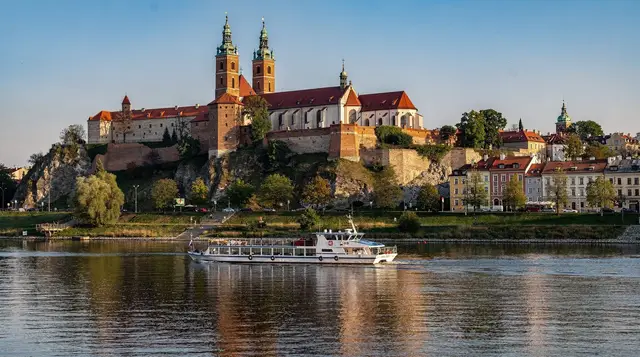
Below Wawel Hill: The most atmospheric zone for the wreath-floating ceremony itself is the stretch of Vistula immediately below Wawel Hill — the Smok Wawelski dragon statue marks the starting point for the wreath procession. Watching the illuminated Wawel fortress from the riverside during the fireworks, with the castle and cathedral reflected in the dark water below, is genuinely one of the great visual experiences in Kraków’s calendar.
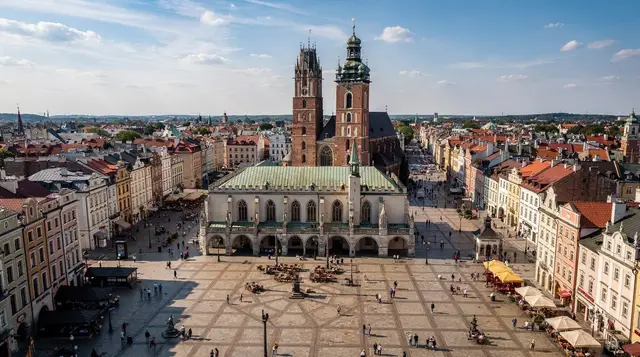
The Old Town ripple: Rynek Główny and surrounding streets see increased evening activity during Wianki weekend, with outdoor terraces staying open later and the general atmosphere festive. The market square itself is not a Wianki venue, but it is the natural endpoint for an evening that might begin at the riverside.
The programme: what to expect
Wianki’s programme typically includes:
Traditional wreath ceremony: Folk performers in regional dress float flower wreaths on the Vistula as darkness falls. The ceremony takes place below Wawel Hill and is accompanied by folk music. It is the most photographed and emotionally resonant moment of the festival — arrive early to find a good position along the embankment rail.
Fireworks from Wawel Hill: The midnight fireworks are launched from the Wawel promontory and reflect in the Vistula below. The display lasts 15–20 minutes and is visible from most points along the embankment and from the Dębniki and Grunwaldski bridges. The view from the Kładka Ojca Bernatka footbridge (a pedestrian bridge over the Vistula connecting Kazimierz to Podgórze) provides an excellent elevated vantage point for both the castle silhouette and the fireworks.
Live music (multi-stage): The programme has grown to include multiple genres across several stages — folk and traditional Polish music on the wreath stage, Polish pop and rock on the main Błonia stage, local band showcases on smaller embankment stages. The city releases the full programme in May each year. In recent editions, headline acts have included major Polish pop and rock artists alongside folk fusion acts; the traditional content has a dedicated stage rather than being buried by the pop programme.
Craft and food market: Folk craft vendors sell flower wreaths (for purchase and floating), traditional food, and regional crafts along the embankment from the afternoon onwards.
Bonfires: Traditional bonfires (ogniska) may be lit along the riverside at designated points — this varies year to year depending on fire regulations. When present, the bonfire-and-river combination at dusk is the most atmospheric element of the entire event.
How to experience Wianki as a visitor
Arrive early. The main embankment fills quickly from 17:00 onwards on the main Wianki evening. By 20:00 the best riverside positions are taken. If you want to be near the water for the wreath ceremony (typically 21:00–22:00) and have a view for the midnight fireworks, arrive by 18:00 at the latest.
Take the wreath tradition seriously (or not). You can buy a flower wreath at the festival stalls for 15–30 PLN (≈€4–7) and float it yourself. This is not cultural appropriation — the revival of the tradition is explicitly designed as participatory, and local participants are doing the same. If you prefer to observe, the ceremony is moving regardless.
Plan for crowds. On the main Wianki evening, the embankment and bridges are extremely crowded. Keep your group together, designate a meeting point if separated, and carry your phone charged. Pickpockets are active in dense festival crowds; keep valuables in a front or interior pocket.
Consider a Vistula cruise before the festival. In the afternoon before the evening events, a river cruise provides a relaxed perspective on the Wawel and the embankment before the crowds arrive. The sightseeing cruise by the Vistula River departs from the embankment near Wawel Hill and provides views of the castle from the water — useful orientation for the evening’s geography, and a pleasant way to spend a pre-Wianki afternoon.
Kazimierz before and after: The district of Kazimierz, 15 minutes’ walk from the main embankment zone, is an excellent base for a Wianki weekend. The neighbourhood’s courtyard bars and restaurants are buzzing during festival weekend. The Kazimierz Jewish Quarter walking tour is a good morning activity to pair with an evening at Wianki — it covers the district’s history and key sites in around 2 hours, leaving the afternoon free for the embankment.
Best viewing spots compared
| Spot | Crowd level | View quality | Best for |
|---|---|---|---|
| Embankment below Wawel | Very high | Most atmospheric, closest to wreaths | Arriving early, dedicated fans |
| Kładka Ojca Bernatka footbridge | High | Elevated, clear castle sightline | Photographers |
| Dębniki bridge | Moderate | Good castle silhouette | Families, less crowd tolerance |
| Bulwar Czerwieński (north bank) | Moderate | Balanced view and space | A good all-round compromise |
Practical logistics for Wianki weekend
Accommodation: Wianki weekend is one of the city’s peak periods. Hotels in the Old Town and Kazimierz fill up quickly; book 2–3 months ahead. Prices on the main festival night are typically 20–30% above normal June rates.
Transport: The Old Town and embankment are pedestrian zones; leave your car at your accommodation or use park-and-ride facilities on the city outskirts. Trams run extended hours on Wianki night. Key routes: 1, 2, 6 (Old Town ring); 3, 18, 19 (toward Błonia via aleje); 3, 13 (Kazimierz and Podgórze). Bolt and Uber surge during the post-midnight period; allow extra time or walk.
Weather: Late June in Kraków is usually warm (18–24°C in the evening) but can bring evening rain. Carry a compact rain jacket. The embankment has no covered areas; if rain arrives, the experience is diminished. Check the forecast 2–3 days ahead.
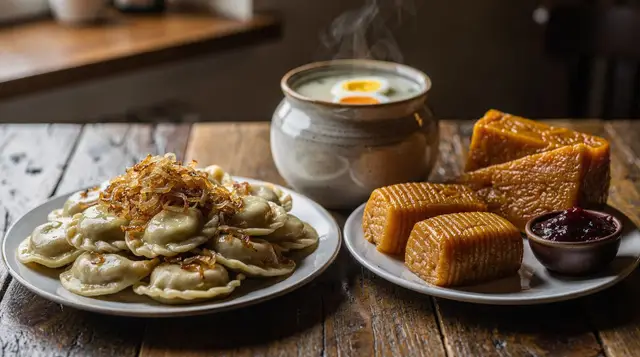
Food: The embankment food stalls during Wianki cover basic festival food (kiełbasa, zapiekanki, oscypek, grzaniec). For a proper meal before the evening, book a restaurant in Kazimierz for 18:00–19:30 before heading to the embankment. Restauracja pod Norenami (ul. Floriańska 30) and Szara Gęś (Rynek Główny 17) are reliable options if you want to eat well before the festival. The 4-hour Polish food tour is worth doing earlier in your stay to understand the food culture before Wianki’s casual market version.
Accessibility: The Vistula embankment is paved and accessible for wheelchairs on the main path. The Błonia meadow is grassed — passable in dry conditions, challenging in rain. The bridges across the Vistula are accessible but narrow during peak crowd flow.
Wianki in context: Kraków’s summer festival landscape
Wianki takes place as Kraków’s festival calendar is warming up. It often overlaps with the opening days of the Jewish Culture Festival, which begins its ten-day run in the same late-June window. The combination of Wianki (Vistula embankment, folk tradition, fireworks) and the early days of the Jewish Culture Festival (synagogue concerts, Kazimierz workshops) in the same weekend creates the most culturally dense 48 hours in Kraków’s year.
See the full festival and events calendar at /guides/krakow-festivals-events-calendar/.
Building a Wianki weekend around the rest of Kraków
Because Wianki is a single evening, most visitors build a full weekend around it rather than a dedicated trip. Spend the daytime hours on essentials you’d otherwise squeeze in anyway: the Wawel Castle guide covers the hill that becomes the festival’s visual backdrop after dark, and a morning in the Kazimierz Jewish Quarter pairs naturally with an evening base there. If your dates land close to the solstice but not exactly on the festival weekend, the Kraków in summer guide covers what else the season offers, and staying centrally in the Old Town or Kazimierz keeps you within easy walking distance of the embankment on the night itself.
Frequently asked questions about Wianki
Is Wianki free to attend?
Yes. The festival is free to attend, with no entry fee or ticketing for the outdoor areas, stages, or fireworks. Food, drink, and wreath purchases are at market prices. Some ticketed fringe events may be part of the Wianki programme in specific years; check krakow.pl.
What is the best spot to watch the fireworks?
The Kładka Ojca Bernatka footbridge (connecting Kazimierz and Podgórze) provides elevation and clear sightlines to Wawel Hill and the river below. The Wawel embankment directly below the castle is the most atmospheric but most crowded. The Dębniki bridge on the south side of the river is less crowded and offers a clear view of the castle silhouette. The Bulwar Czerwieński (the northern embankment between the Zwierzyniec and Debnicki bridges) is a good compromise.
Can I float a wreath even if I’m a tourist?
Yes. The wreath-floating tradition is participatory and visitors are welcome to join. Wreaths are sold at the festival craft stalls from around 15:00 on the main day. The ceremony typically takes place below Wawel Hill at dusk; simply join the crowd on the embankment and release your wreath when the ceremony begins. Local participants are happy to explain the tradition.
How does Wianki relate to the Kupała tradition in other Slavic countries?
Wianki is the Polish variant of the broader Slavic midsummer tradition known as Kupała (Ivan Kupała in Russia/Ukraine, Kupala Nacht in Belarus). All share the core elements: bonfires, water rituals, flower wreaths, and midsummer timing. The Polish version is closely tied to St. John’s Eve (Noc Świętojańska) and retains the water-and-wreath symbolism particularly strongly. Kraków’s revival focuses on the Vistula as the ritual water element, making the city’s geography integral to the tradition in a way that is not possible in inland Polish cities.
Is Wianki family-friendly?
Yes. The afternoon and early evening programme is suitable for all ages. The midnight fireworks are spectacular for children but require a late night. The main embankment crowds become very dense around 21:00–00:30; younger children may struggle in the press. Families with young children often watch from the Dębniki bridge or the quieter southern embankment rather than the main northern embankment zone.
What should I wear to Wianki?
Summer evening clothing with a light layer for after midnight when temperatures drop. Comfortable walking shoes — the embankment is paved but you will walk several kilometres. A small backpack for a jacket, water, and a phone charger. A flower wreath to wear (they are sold at the festival; wearing one as a visitor is completely normal and appreciated as cultural engagement).
Should I book accommodation specifically for Wianki weekend?
Yes, well ahead — this is one of Kraków’s busiest weekends of the year, and hotels in the Old Town and Kazimierz fill up 2–3 months in advance with prices 20–30% higher than a normal June weekend. If you’re set on a specific neighbourhood, book as soon as your dates are confirmed rather than waiting until closer to the festival.
Does Wianki clash with other Kraków summer events?
It often overlaps with the opening days of the Jewish Culture Festival in Kazimierz, which makes for an unusually dense cultural weekend rather than a clash — many visitors combine a Wianki evening with a Kazimierz-focused day. Check the festivals and events calendar for the exact overlap in a given year, since both events’ dates shift slightly year to year.
Top experiences
Bookable activities with verified prices and instant confirmation on GetYourGuide.