Tatra Mountains day trip from Kraków: hiking, Morskie Oko, and Zakopane
Tatra Mountains: full-day hiking tour from Krakow
Duration: 13h
How do I do a Tatra Mountains day trip from Kraków?
Zakopane, the gateway to the Tatras, is 100 km south of Kraków (about 2 hours by bus or tour coach). From Zakopane, the classic hike is to Morskie Oko lake — a 16 km round trip from Palenica Białczańska (8 km each way, 550m ascent) that takes 4–5 hours. Guided day tours from Kraków (100–150 PLN) cover Zakopane and often include the Gubałówka funicular for mountain views. For serious hiking in the Tatras, plan the trip independently and allow a full day from Kraków for maximum time on the trails.
The Tatra Mountains: Poland’s only alpine range
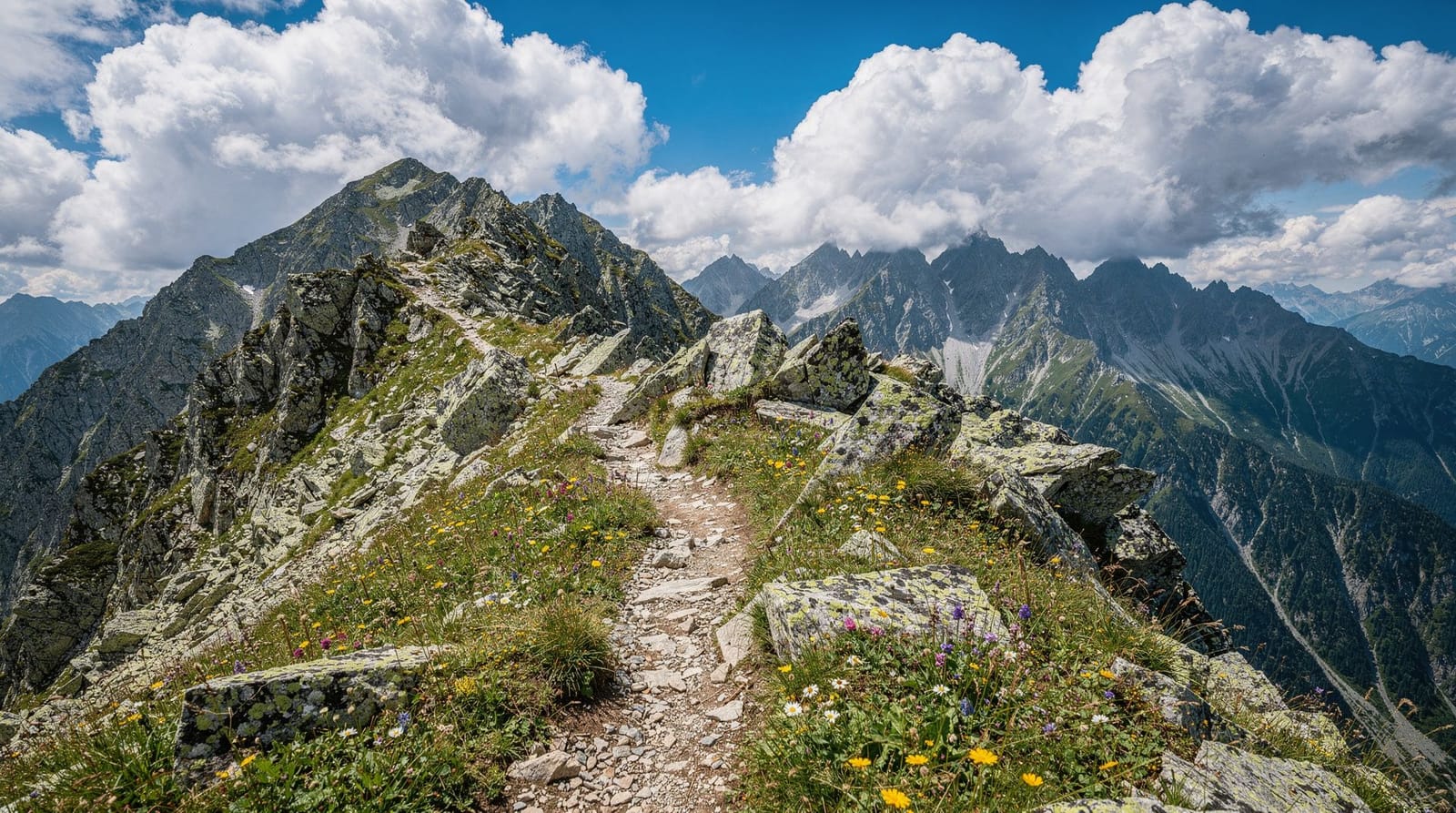
The Tatras are unlike anything else in Poland. While most of the country is flat agricultural land or low rolling hills, the Tatra range — shared between Poland and Slovakia — erupts into genuine high-alpine terrain: granite peaks, glacial cirques, moraines, and mountain lakes above 1,500 metres. The highest point in Poland, Rysy (2,499 m), sits on the ridge. The scenery is comparable to the Alps, though on a smaller scale.
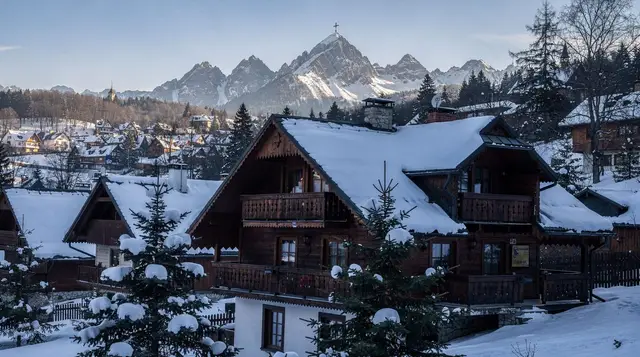
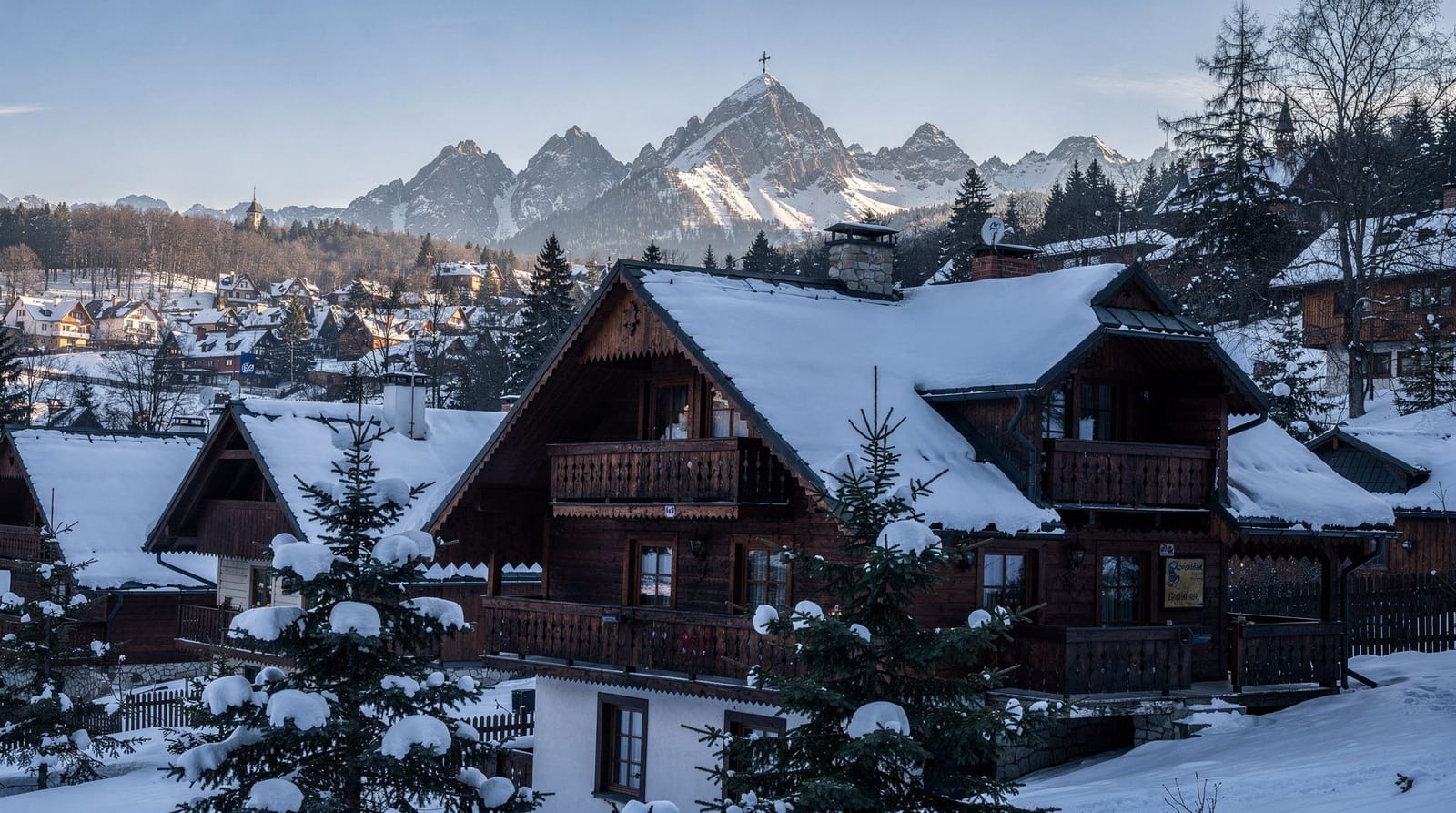
For visitors based in Kraków, the Tatras represent the most dramatic landscape change available in a single day. Two hours south by bus, the cityscape gives way to valleys, then forest, then open alpine terrain. The gateway town of Zakopane — Poland’s highland capital — is the base for most visits, with a distinctive wooden architecture tradition (Zakopane style), excellent food, and a lively mountain town atmosphere.
The challenge of a Tatra day trip from Kraków is time — 2 hours each way means you have 5–7 hours on the ground if you want to be back in Kraków for a reasonable evening. This is enough for a good Zakopane visit or a moderate hike, but not enough for the most demanding routes. Planning matters.
| Where | Zakopane and Tatra National Park, 100 km south of Kraków |
| Cost | around 18–24 PLN each way by bus, or 100–165 PLN for a guided tour |
| Time needed | full day (5–8 hours on the ground) |
| Getting there | PKS/FlixBus, guided tour, or self-drive |
| Best time | June or September for trails; year-round for Zakopane town |
Distance and getting there
From Kraków to Zakopane: 100 km south, approximately 1h45–2h by road (longer in summer traffic, especially Friday–Sunday when the Zakopane road is heavily congested).
By PKS/FlixBus from Kraków: Direct buses from Kraków MDA Bus Station to Zakopane run frequently throughout the day — every 30–60 minutes. Journey time: 1h45–2h15 depending on traffic. Fare: approximately 18–24 PLN (€4.30–5.70) each way. Book your return bus in advance in summer (July–August) — popular services fill up.
By guided tour from Kraków: The Tatra Mountains full-day hiking tour from Kraków is the best option for those who want guided hiking with a local expert who knows the trails, conditions, and mountain safety. The guide selects the route based on fitness level and weather conditions.
For a more relaxed Zakopane town visit with the Gubałówka funicular and highland food experience, the Zakopane, funicular, cheese and highland day trip covers the essentials without requiring serious hiking fitness.
For hiking to Morskie Oko specifically, the Tatra Mountains and Morskie Oko hike from Kraków is a dedicated tour to the lake.
By car: The A1/DK47 route south from Kraków to Zakopane takes 1h30–2h. Parking in Zakopane is challenging on summer weekends — central car parks fill quickly. Parking at Palenica Białczańska for the Morskie Oko hike is also limited; arrive before 8:00 in July–August.
Zakopane: the highland capital
Zakopane (population ~27,000 at 850m elevation) is the main town of the Podhale region — the highland area populated by the Górale (highlanders), a distinct Carpathian cultural group with their own dialect, music, cuisine, and craft traditions.
Krupówki pedestrian street
The main shopping street of Zakopane — pedestrianised, lined with shops, restaurants, stalls, and vendors, running from the train/bus station area toward the mountains. Here you will find:
Oscypek: The smoked hard sheep’s milk cheese of the Podhale region. Traditionally made by mountain shepherds (baca) over the summer grazing season, now available year-round from vendors along Krupówki. Look for the distinctive spindle-shaped smoked wheels. Often sold grilled with żurawina (cranberry sauce) — excellent and cheap (15–25 PLN / €3.60–6). Buy from vendors who can confirm Polish mountain sheep provenance — cheap imitations (made from cow’s milk) look similar but taste different.
Bundz: A fresh white sheep’s milk cheese, milder than oscypek — sometimes available from the same vendors.
Highland crafts: Carved wooden figures, hand-woven wool products (kierpce — the traditional leather moccasin-style shoes), and various tourist-grade souvenirs. Quality varies dramatically; take time to find the genuine article.
Goral food stalls: Grilled meats, kielbasa, bigos (hunter’s stew) available at food stalls throughout Krupówki. Good quick fuel before or after hiking.
Gubałówka funicular and ridge
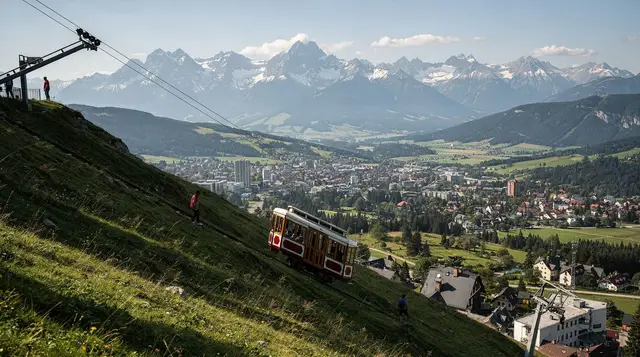
The Gubałówka funicular (kolejka linowa na Gubałówkę) runs from a station near the top of Krupówki street to the summit of Gubałówka hill (1,126 m). The ascent takes approximately 3–4 minutes. From the top:
- View of Zakopane: The town spreads out below, with the Tatra ridge as a dramatic backdrop — excellent photography from the observation area
- Panoramic ridge walk: A walking path runs along the ridge for several kilometres, with views to both sides — the Tatras to the south, the Babia Góra massif to the north-west. A pleasant 2-hour ridge walk to Butorowy Wierch and back is possible.
- Highland restaurants and stalls: The Gubałówka ridge has several highland-style restaurants and stalls — try żurek (rye sour soup in a bread bowl, 20–30 PLN) or the regional lamb dishes.
Funicular ticket: 38–49 PLN (€9–11.70) return depending on season. Check current operating hours on pkl.pl.
Morskie Oko: the Tatra’s most famous lake
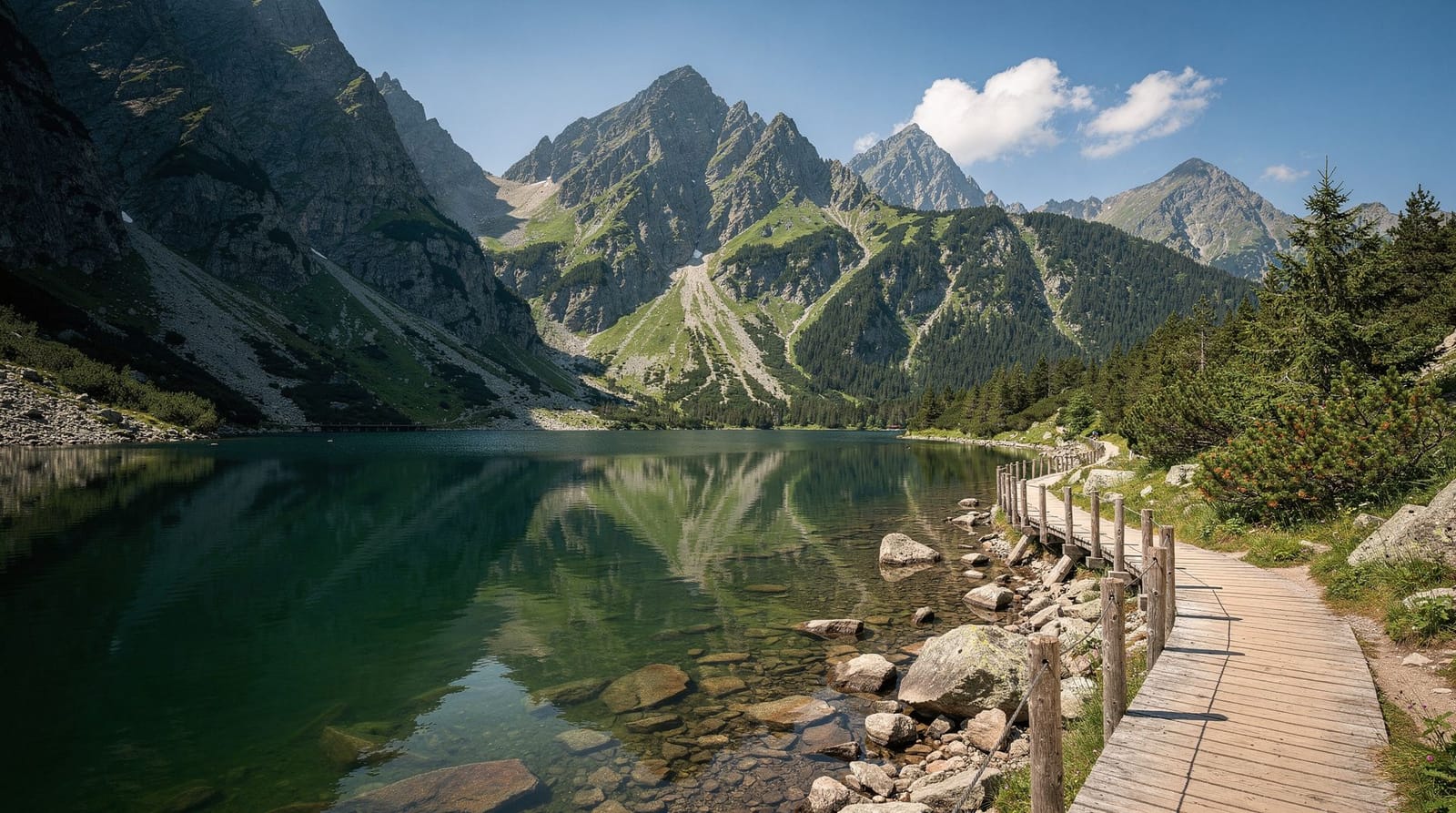
Morskie Oko (Sea Eye) is the largest and most celebrated glacial lake in the Polish Tatras — 34.93 hectares, 50.8 metres deep, at 1,395 metres altitude, surrounded by peaks rising to over 2,000 metres. The combination of the still dark-green water, the dramatic cirque walls, and the often snow-capped peaks reflected in the lake’s surface is one of the finest mountain landscapes in Poland.
Getting to Morskie Oko
The lake is reached from Palenica Białczańska, where the road is gated to private vehicles. From the gate:
- On foot: 9 km (one way) to the lake. Approximately 2.5–3 hours walking up, 2 hours down. Total: 5–6 hours of walking, plus time at the lake. This is the standard route and the best hiking experience — the path follows the Roztoka valley, passes the Włosienica clearing, and ascends through increasingly dramatic mountain scenery.
- By horse-drawn cart (konka): Traditional wooden carts pulled by horses carry passengers up part of the paved road. The park changed the cart route and the transport rules in 2026, so check current routes and prices on the official website of the park (tpn.gov.pl). This option is popular but reduces the hiking experience.
- By electric shuttles: Battery-powered minibuses operate to Włosienica in season. Check current prices and booking on tpn.gov.pl.
At the lake: A mountain shelter (schronisko PTTK nad Morskim Okiem) at the lake shore offers accommodation, food (excellent żurek and bigos, regional spirits — prices at mountain premium: 30–50 PLN for a main), and a terrace with lake views. Allow 45–60 minutes at the lakeside.
The season and timing
Season: The Morskie Oko route is hikeable from approximately April through October. In April–May, the upper sections may have snow; in June–September, conditions are reliable. July–August is the busiest period (the route gets very crowded on summer weekends — arrive early).
To Black Lake above Morskie Oko (Czarny Staw pod Rysami): From Morskie Oko, a steeper path ascends another 200 metres to the smaller Black Lake at 1,580 m — one of the most spectacular views in the entire Tatras. Add 1.5–2 hours to your hike. This extension is highly recommended for those with hiking fitness, but requires proper footwear.
Hiking to Rysy (2,499 m) — one-day summit attempt from Kraków: Possible in theory, not recommended in practice. The round trip from Palenica Białczańska to Rysy summit and back is approximately 23 km with 1,500 m of ascent — a 9–10 hour mountain day in good conditions. Combined with the 2-hour drive each way from Kraków, this makes a 13–14 hour day minimum. Only for experienced mountain hikers in excellent fitness.
Choosing your Tatra day trip approach
Option 1: Zakopane town experience (no strenuous hiking)
Best for: First-time visitors, families with young children, those who want mountain atmosphere without physical challenge.
Activities: Krupówki walk, Gubałówka funicular, oscypek tasting, highland-style lunch, Tatra Museum visit (ul. Krupówki 10, natural history and Góral culture).
Time on the ground needed: 4–5 hours in Zakopane.
Best tour: The Zakopane, funicular, cheese and highland day trip.
Option 2: Morskie Oko hike (the classic mountain day)
Best for: Active visitors who want the quintessential Tatra mountain experience.
Activities: Return hike to Morskie Oko (16 km, 550 m ascent, 4.5–6 hours walking), time at the lake, optional extension to Black Lake.
Time on the ground needed: 6–8 hours minimum.
Note: This option leaves little time for Zakopane town. Either skip Zakopane or arrange transport to Palenica Białczańska directly and stop briefly in Zakopane on the return.
Best tour: The Tatra Mountains and Morskie Oko hike from Kraków.
Option 3: Guided Tatra hiking (routes beyond tourist tracks)
Best for: Experienced hikers who want to go beyond Morskie Oko to less-visited valleys and ridges.
Routes: Kościeliska Valley (dramatic limestone gorge, excellent for families too — easy walk to the gorge), Dolina Pięciu Stawów (Valley of Five Polish Tarns — more demanding, above treeline), Kasprowy Wierch by cable car (1,987 m, Polish-Slovak border ridge).
Best tour: The Tatra Mountains full-day hiking tour from Kraków — guide selects route based on group fitness and conditions.
Thermal baths: the Zakopane evening option
The Podhale region has several geothermal spring complexes — perfect for a warm soak after a day of hiking.
Chochołowskie Termy (near Chochołów, 25 km from Zakopane): The largest thermal bath complex in the Polish Tatras. Indoor and outdoor pools with naturally warm water (28–38°C), waterslides, wellness facilities. Open daily. Check current ticket prices on the official website of the baths.
Szymoszkowa (Termy Szymoszkowa, Zakopane): Smaller complex closer to Zakopane centre. Outdoor pools with Tatra views. Good for a 2-hour post-hike soak.
The Zakopane and thermal baths tour from Kraków combines Zakopane town with an afternoon/evening session at the thermal baths — an excellent combination that avoids rush-hour traffic on the return to Kraków.
What to wear and bring for Tatra hiking
Footwear: Proper hiking boots or trail running shoes with ankle support for Morskie Oko and any serious Tatra hiking. Trainers are insufficient for wet or rocky sections above the treeline. For the Gubałówka funicular and Zakopane town, casual shoes work fine.
Layers: The Tatras have notoriously changeable weather — sunny valley, cloud and rain on the ridge within minutes. Always bring a waterproof jacket regardless of the Kraków forecast. A mid-layer (fleece or down jacket) for above 1,500 m even in July.
Tatra National Park fee: All hiking in the Tatra National Park requires a daily entry fee: 11 PLN (€2.60) per person per day. Pay at manned checkpoints on main trails. The Morskie Oko route has a checkpoint at Palenica Białczańska.
Bears: The Polish Tatras have a small brown bear population (approximately 50–60 individuals). Encounters are rare and not dangerous in normal circumstances — make noise while hiking to avoid surprising animals. Bear spray is not necessary or commonly carried in Poland.
Marmots and chamois: Above the treeline, keep an eye out for Tatra chamois (kozica) on rocky slopes and marmots near scree fields — both are protected species and should be observed from a distance, never fed. Sightings are more common early morning or late afternoon when the trail is quieter.
Mountain rescue (GOPR): If you get into difficulty on a Tatra trail, the Polish mountain rescue service (Górskie Ochotnicze Pogotowie Ratunkowe) can be reached on 601 100 300 or the European emergency number 112. Trail markers (coloured paint blazes on rocks and trees) are the standard navigation aid — download an offline map before you set off, as mobile signal is patchy in the deeper valleys.
If Morskie Oko feels like too much
Not every visitor wants a 16 km, 550 m-ascent hiking day. If that sounds daunting, the Tatra best easy hikes guide covers genuinely gentle alternatives — the flat valley floor of Dolina Kościeliska, the Gubałówka ridge promenade, or the Kasprowy Wierch cable car, all of which deliver real Tatra scenery without the demanding walk. For a longer, more serious mountain day, the Tatra Mountains hiking guide and the dedicated Kościeliska Valley hike guide go into more depth on route options and difficulty grading than fits here.
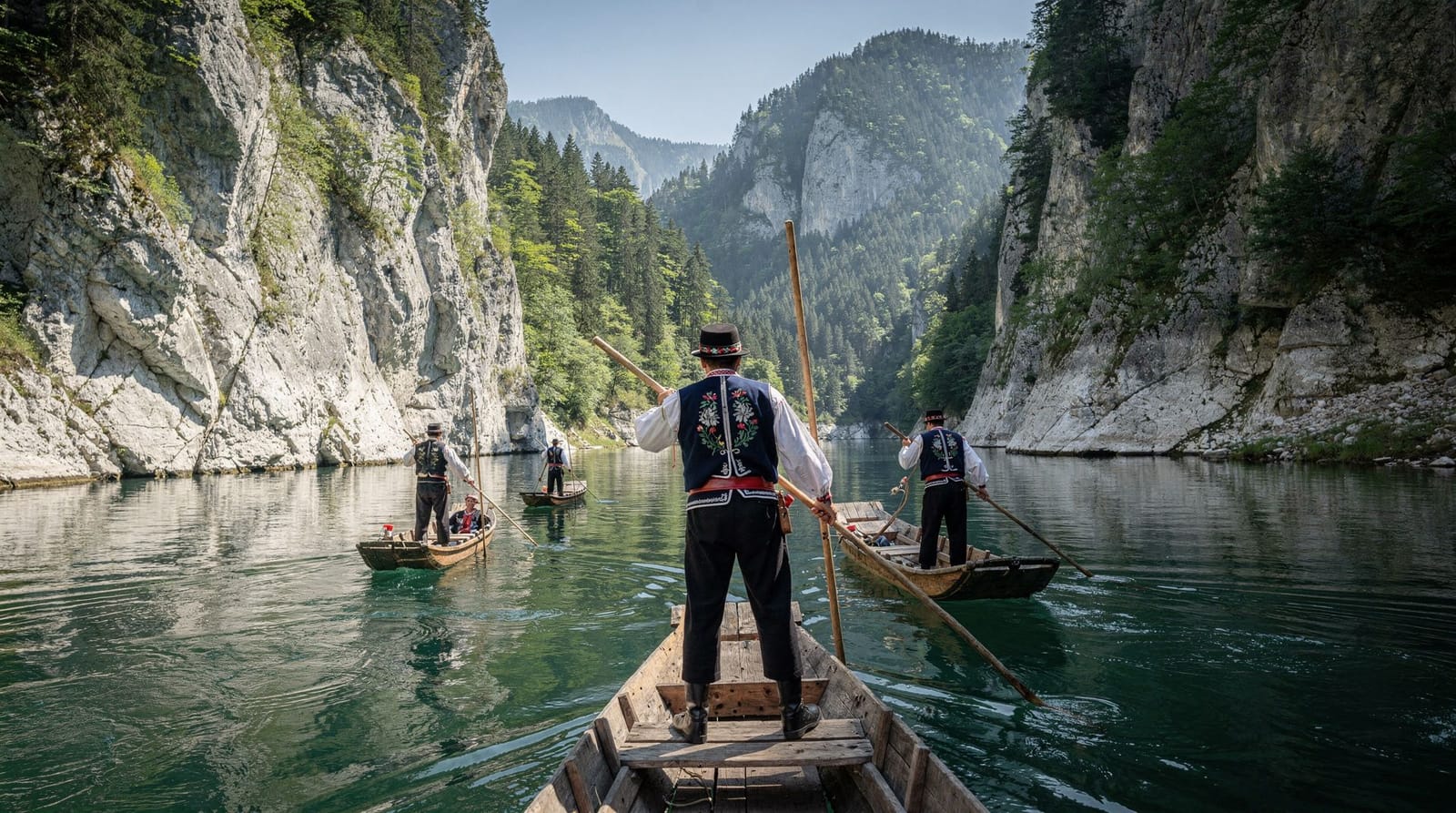
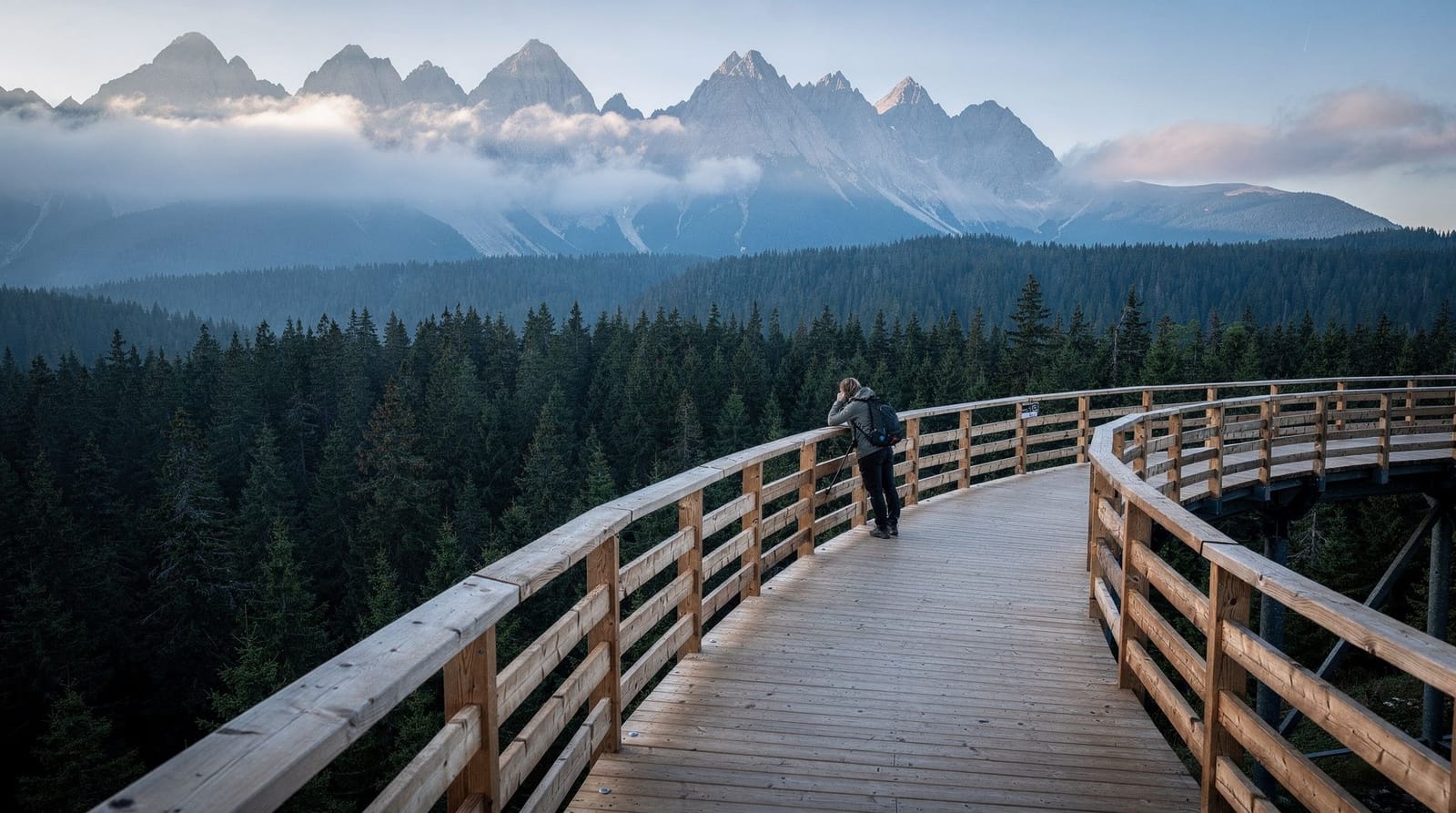
If you’d rather stay in the mountains but skip Morskie Oko’s crowds entirely, the Slovakia Treetop Walk day trip crosses briefly into Slovakia for a forest canopy walkway near Ždiar — low-effort, family-friendly, and genuinely different scenery. Further east, the Pieniny and Dunajec Gorge guide covers a limestone canyon raft trip that pairs well with a shorter Zakopane stop.
Costs in PLN
| Item | Approx. cost |
|---|---|
| PKS bus Kraków–Zakopane (each way) | 18–24 PLN (€4.30–5.70) |
| Guided hiking tour from Kraków | 120–165 PLN (€29–39) |
| Zakopane town tour from Kraków | 100–140 PLN (€24–33) |
| Morskie Oko tour from Kraków | 130–160 PLN (€31–38) |
| Tatra National Park daily fee | 11 PLN (€2.60) |
| Gubałówka funicular (return) | 38–49 PLN (€9–11.70) |
| Oscypek from Krupówki vendor | 15–25 PLN (€3.60–6) |
| Lunch at Morskie Oko shelter | 30–55 PLN (€7–13) main |
| Thermal baths | see official website |
Frequently asked questions about Tatra Mountains day trip
Is Morskie Oko hikeable without a guide?
Yes — the route to Morskie Oko from Palenica Białczańska is well-marked, heavily used, and not technically demanding (it follows a wide mountain road/path). No guide needed for most visitors with basic hiking fitness. A guide adds value for the routes beyond Morskie Oko (to Black Lake, or onto the ridge toward Rysy) where route-finding becomes more complex.
Can I hike in the Tatras in winter?
Limited and significantly more demanding in December–March. Most trails require crampons and ice axe in winter conditions. The Morskie Oko route can be accessible in winter (it is partially on a paved road) but the upper sections become icy and the lake is often snow-covered. Not recommended for casual hikers in winter. The Gubałówka funicular and Zakopane town are excellent in winter.
How crowded are the Tatras in summer?
Morskie Oko on summer weekends (July–August) is very crowded — the path can feel like a procession. Weekdays are significantly better. Arriving at Palenica Białczańska before 8:00 on weekends secures parking and a quieter start. Alternative valleys (Kościeliska, Dolina Chochołowska) are less crowded and excellent alternatives on busy weekends.
Is Zakopane worth visiting without hiking?
Absolutely — Zakopane is a distinctive mountain town with its own cultural identity (Góral architecture, food, music, craft traditions) that rewards exploration even without hiking. The Gubałówka funicular provides mountain views without serious exertion. The Tatra Museum, the historic Villa Koliba (first building in the Zakopane style), and the food scene on Krupówki are all worthwhile on their own terms.
What is the best month for a Tatra day trip from Kraków?
June and September are the sweet spots. June: snow has cleared from most trails, the Tatras are at maximum green, crowds are moderate. September: clearer mountain air (less summer haze), dramatic light, beginning of autumn colour at lower elevations, and significantly smaller crowds than July–August. July–August: guaranteed weather (usually) but busiest and hottest. October: beautiful light and colour but trails above 1,500 m can have early snow.
What if I don’t want to do the full Morskie Oko hike?
Plenty of good options exist. The Tatra best easy hikes guide covers flat valley walks and the Gubałówka and Kasprowy Wierch cable cars, none of which require serious fitness. You can still get genuine alpine views without the 16 km round trip.
Can I combine the Tatras with another day trip in one visit?
Not comfortably in a single day from Kraków — Zakopane and the mountains already fill 5–8 hours on the ground once transport is included. If you have two days, pairing a Tatra day with the Slovakia Treetop Walk or the Pieniny and Dunajec Gorge on a separate day works better than trying to squeeze both into one.
Top experiences
Bookable activities with verified prices and instant confirmation on GetYourGuide.