Polish Aviation Museum Kraków: guide for visitors
Krakow: city pass card with public transport & museums
Duration: 72h
Is the Polish Aviation Museum worth visiting in Kraków?
Yes, especially for aviation enthusiasts and families with older children. The outdoor collection of 200+ aircraft is one of the largest in Central Europe, the WWI and WWII collections are exceptional, and the tram journey from the centre adds only 20 minutes each way. Entry is inexpensive and rarely crowded.
Most visitors sticking to the Old Town and Kazimierz never make it out to Rakowice-Czyżyny, which is a shame given how much aircraft is packed onto this former airfield. It is not a detour that fits every itinerary, but for anyone with even a passing interest in aviation or WWII history, it earns the tram ride. Here is what to expect before you go.
| Where | al. Jana Pawła II 39, around 4km east of Rynek Główny |
| Cost | 35 PLN adult, 21 PLN reduced, free on Tuesdays |
| Time needed | 2.5–3.5 hours for a general visit, a full day for enthusiasts |
| Getting there | Tram 4 to Muzeum Lotnictwa, around 20 minutes |
| Best time | weekday mornings; Tuesdays are free but busier |
What the Polish Aviation Museum is
The Muzeum Lotnictwa Polskiego (Polish Aviation Museum) in Kraków occupies the site of a former airfield on the eastern edge of the city — the same airfield, Rakowice-Czyżyny, that was one of the oldest military airfields in Europe, established in 1912. It still feels like a proper aerodrome: flat, open, with historic hangars and a runway-wide stretch of tarmac where over 200 aircraft are displayed outdoors.
The museum opened in 1964 and holds one of the largest collections of historic aircraft in Central Europe. The range spans from WWI-era biplanes to Cold War-era jet fighters, with particular strength in Polish aviation history, WWII aircraft, and Soviet-era military equipment.
This is not a small temporary display. The collection is substantial enough to merit 3–4 hours, and aviation enthusiasts commonly spend a full day here.
The collection: what to see
The outdoor aircraft park
Walk out of the main building and you are surrounded by aircraft. Fighters, bombers, transport planes, helicopters, gliders and training aircraft stretch across the airfield in long rows, most accessible close enough to walk around and examine the engineering in detail. Signage is in Polish and English.
Highlights include:
PZL P.11c: the gull-winged Polish fighter that bore the brunt of the defence of Poland in September 1939. The aircraft was technically outclassed by the German Bf 109 but flown with exceptional skill; Polish pilots shot down approximately 130 German aircraft in the September campaign. The P.11c is a central piece of Polish aviation mythology.
Spitfire Mk. XVI: one of the few surviving examples with connections to Polish Air Force service. The Polish 303 Squadron, which flew from England and achieved one of the highest kill-to-loss ratios in the Battle of Britain, is extensively covered in the museum’s indoor exhibition.
MiG-15 and MiG-21 fighters: the Soviet jet fighters that equipped the Polish Air Force during the Cold War era, displayed in large numbers alongside their NATO adversaries in the comparative displays.
Ilyushin Il-2 Sturmovik: the Soviet ground-attack aircraft, of which more were produced than any other aircraft in history. A striking machine that represents both the scale of Soviet industrial warfare and the Eastern Front combat history that shaped Poland’s 20th century.
Helicopter collection: a large collection of civil and military helicopters, including several rare Soviet types not easily seen elsewhere.
The indoor hangars
Three original hangars from the Rakowice-Czyżyny airfield are now exhibition spaces.
Hangar 1 (WWI and interwar aviation): the most historically significant indoor collection. Original WWI aircraft — Fokker biplanes, Nieuport fighters — in excellent preservation, alongside the story of how Poland rebuilt its air force after independence in 1918. The interwar period, when Polish aviation engineering produced some genuinely innovative designs (the PZL P.24 was exported to several countries), is covered in depth.
Hangar 2 (WWII): covers Polish aviators in the Battle of Britain, the Desert Campaign, and the Allied bombing offensive over Germany. The 303 Squadron exhibition is the emotional core: photographs, logbooks, personal items, and the statistical data showing the squadron’s contribution to the defence of Britain during its most critical period. For British visitors in particular, this is moving history.
Hangar 3 (jet age and Cold War): the post-1945 story of Polish aviation, including the tension between Soviet military integration and Poland’s own aviation tradition. Jet engines, cockpit simulators, and some interactive displays make this the most immediately accessible hangar for children.
The round hangar
The circular Monoplane Hangar (Hangar Okrągły), dating from 1917, is a protected historic structure and one of the oldest surviving aviation hangars in Europe. It houses a rotating themed exhibition, often focusing on a specific aircraft type or era.
Tickets and pricing
Adult entry: 35 PLN (≈ €8.30). Reduced (children, students, seniors): 21 PLN (≈ €5). Children under 7: free.
The museum is open Tuesday–Sunday; hours vary by season (9:00–16:00 November–February, 9:00–17:00 March–May and October, 9:00–18:00 June–September). Closed Mondays. Free entry on Tuesdays for all.
The Kraków City Card with public transport and 22 museums does not standardly include the Polish Aviation Museum (check current edition — inclusions change). It does, however, cover the tram transport to get there, and the Kraków City Card with museum entry variant should be checked for current Aviation Museum inclusion.
Getting there
The museum is at al. Jana Pawła II 39, approximately 4 km east of Rynek Główny. It is not walkable in a comfortable time from the centre.
Tram: lines 4, 5, 9, 10, 52 and 75 stop at “Muzeum Lotnictwa Polskiego” on ul. Markowskiego, next to the museum.
Bolt/Uber: 15–20 minutes from the Old Town, approximately 20–28 PLN (≈ €4.75–6.70). Worth considering for departure after a long visit when you do not want to wait for the tram.
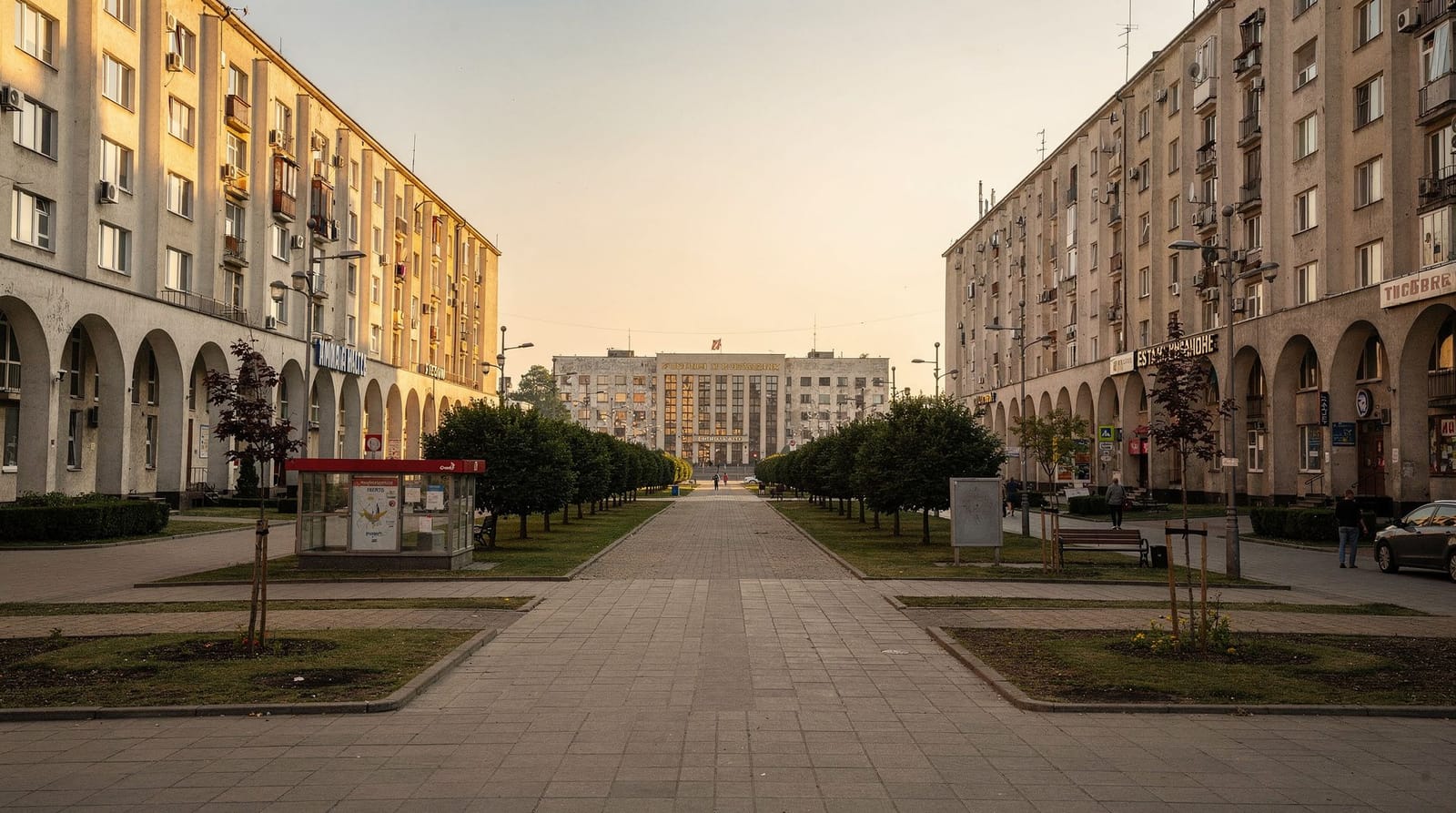
Proximity to Nowa Huta: the Aviation Museum is on the western edge of Nowa Huta, the Communist-era planned city. If you are curious about Socialist Realist architecture, combining the two makes a logical half- or full-day programme — though the Aviation Museum alone deserves at least half a day.
How long to allow
Aviation enthusiast: full day (5–6 hours), bringing lunch. General interest visitor: 2.5–3.5 hours for outdoor collection, main hangars, and WWI/WWII indoor displays. Family with children 8–14: 2–3 hours depending on child engagement level; the outdoor aircraft are accessible and the cockpit simulator in Hangar 3 is reliably popular. Tight schedule: 90 minutes covers the outdoor collection and the 303 Squadron exhibition.
Practical tips
Outdoor visit in bad weather: the outdoor collection is always accessible, but examining 200 aircraft in heavy rain is not enjoyable. The hangars provide cover. October–February visits often involve wind; bring a layer.
Photography: unrestricted. The outdoor aircraft are spectacular photographic subjects in morning light. Arrive 9:00–10:00 for the best angle with the eastern sun.
Food: a café operates on site with basic food and drinks. Not destination dining, but functional. Bring snacks for a full-day visit. The nearest proper restaurants are in the Nova Plaza shopping centre on al. Pokoju, 10 minutes by tram further east.
Accessibility: the indoor hangars are fully accessible. The outdoor tarmac is flat. The overall site is good for wheelchair users and visitors with limited mobility.
Aviation Museum vs Kraków’s other big museums
The Aviation Museum is a specialist stop, not an all-purpose one — it rewards a particular kind of visitor more than others. Here is how it stacks up against the museums most itineraries default to:
| Museum | Time needed | Best for |
|---|---|---|
| Polish Aviation Museum | 2.5–5hrs | aviation/WWII enthusiasts, families with older kids |
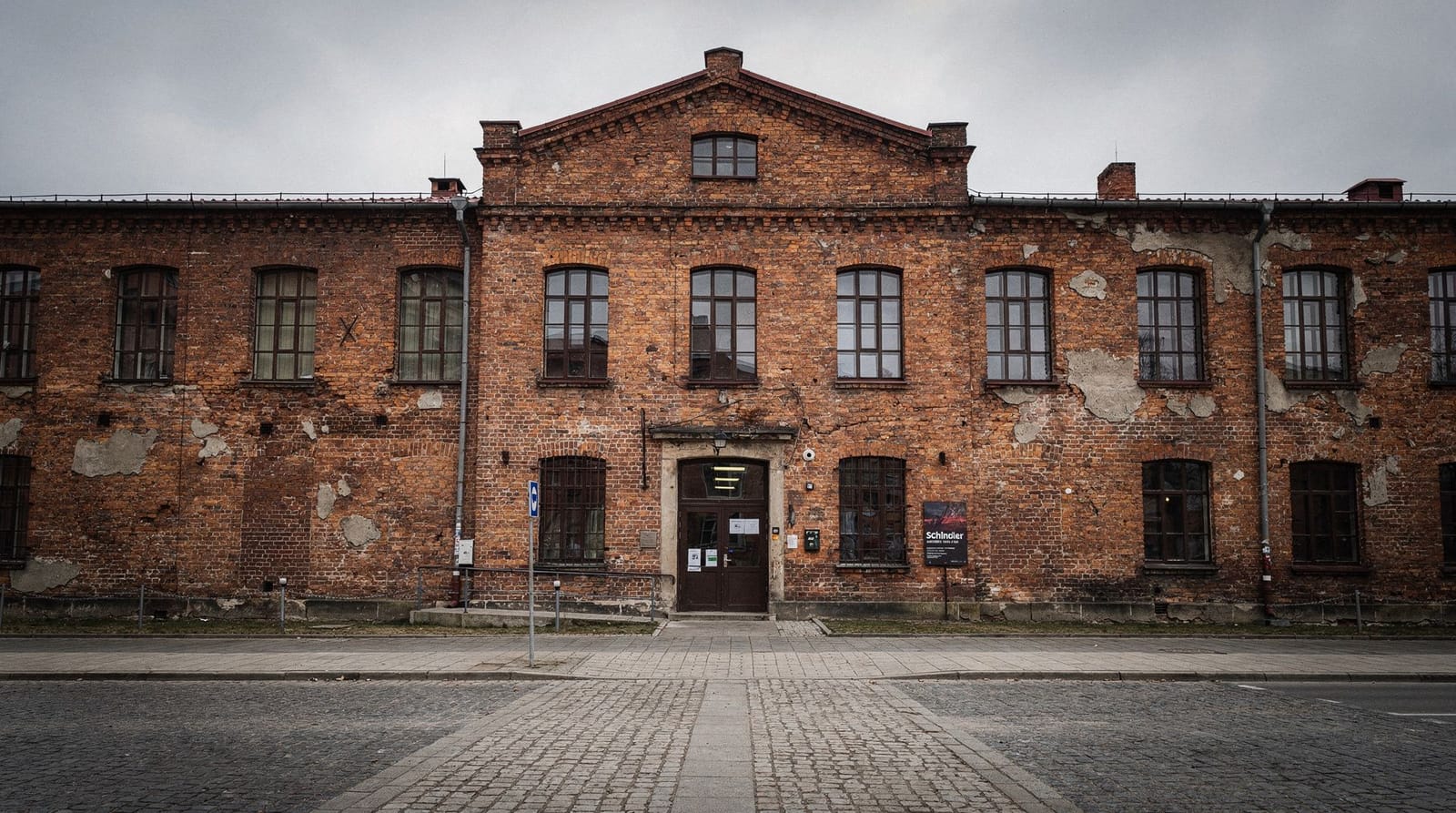
| Oskar Schindler’s Factory | 2–3hrs | WWII occupation history, first-time visitors |
| National Museum Kraków | 2–3hrs | Polish art and design across several branches |
| Rynek Underground | 1.5–2hrs | medieval Kraków, families, rainy days |
If you are only doing one museum outside the Old Town, our roundup of the best museums in Kraków helps weigh the options against your interests and remaining time. Anyone planning several museum stops should also check whether a Kraków museum pass covers the ones on their list — the Aviation Museum’s own inclusion varies by edition, as noted above.
Getting back and combining the trip
Getting back to the centre works the same way in reverse: Tram 4 from Muzeum Lotnictwa runs frequently until late evening, so there is no need to time a visit around limited return service. If you would rather not think about routes and timings at all, our getting around Kraków guide covers tram tickets, apps and passes for the whole city, aviation museum included. Families combining the museum with other things to keep kids busy in Kraków can also check the Kraków with kids guide for what else fits nearby.
Why this museum matters
The Polish Aviation Museum documents something that most Western European visitors do not know: that Poland has a distinguished and often heroic aviation history that stretches from the first decade of powered flight through some of the most intense aerial combat of WWII. The 303 Squadron in the Battle of Britain, the Polish pilots who ferried aircraft for the Allied forces, and the post-war Polish aviation industry — all of this is documented here at a depth unavailable anywhere else.
For British visitors specifically, the relationship between Poland and Britain through WWII aviation — the significant number of Polish pilots who flew from English bases, the particular effectiveness of the 303 Squadron, the post-war betrayal when Poland was conceded to Soviet domination — is a story that sits uncomfortably with the comfortable version of the war. The museum presents it without editorialising and lets the evidence speak.
Frequently asked questions about the Polish Aviation Museum
Can I buy tickets online in advance?
It is not usually necessary — the museum is rarely crowded enough to require it, unlike the Old Town’s major sights. Paying on arrival is standard practice for most visitors.
Is the Aviation Museum worth it if I only have 2 full days in Kraków?
Probably not as a priority. With only two days, time is better spent on the Old Town, Wawel and one major museum such as Oskar Schindler’s Factory. The Aviation Museum suits longer stays or a specific interest in aviation history.
Is there a simulator or interactive experience?
Yes — Hangar 3 has a cockpit simulator that is popular with children and general visitors. Wait times vary; check on arrival.
Can you climb inside any of the aircraft?
A small number of aircraft in specific programmes allow cockpit access, but as a rule the aircraft are external viewing only. The signage provides enough technical detail to reward close examination without needing to enter.
Is the museum suitable for very young children?
Children under 5 tend to find the outdoor aircraft impressive for about 30 minutes and then lose interest. The indoor hangars are more engaging for older children (8+) who can absorb the historical context. Entry is free for under-7s, so there is no financial risk in trying.
How does this compare to the Warsaw aviation museum?
The Muzeum Lotnictwa Polskiego in Kraków is older and has a more extensive outdoor collection. Warsaw’s Muzeum Wojska Polskiego has strong WWII content but less dedicated aviation focus. The Kraków museum is the specialist destination for Polish aviation history.
Is the outdoor collection sheltered?
No — the outdoor aircraft are exposed. Some have protective covers over cockpits during winter. The hangars are climate-controlled and the aircraft stored inside are in significantly better preservation condition than the outdoor examples.
Top experiences
Bookable activities with verified prices and instant confirmation on GetYourGuide.