Best pierogi in Kraków: the honest guide to dumplings
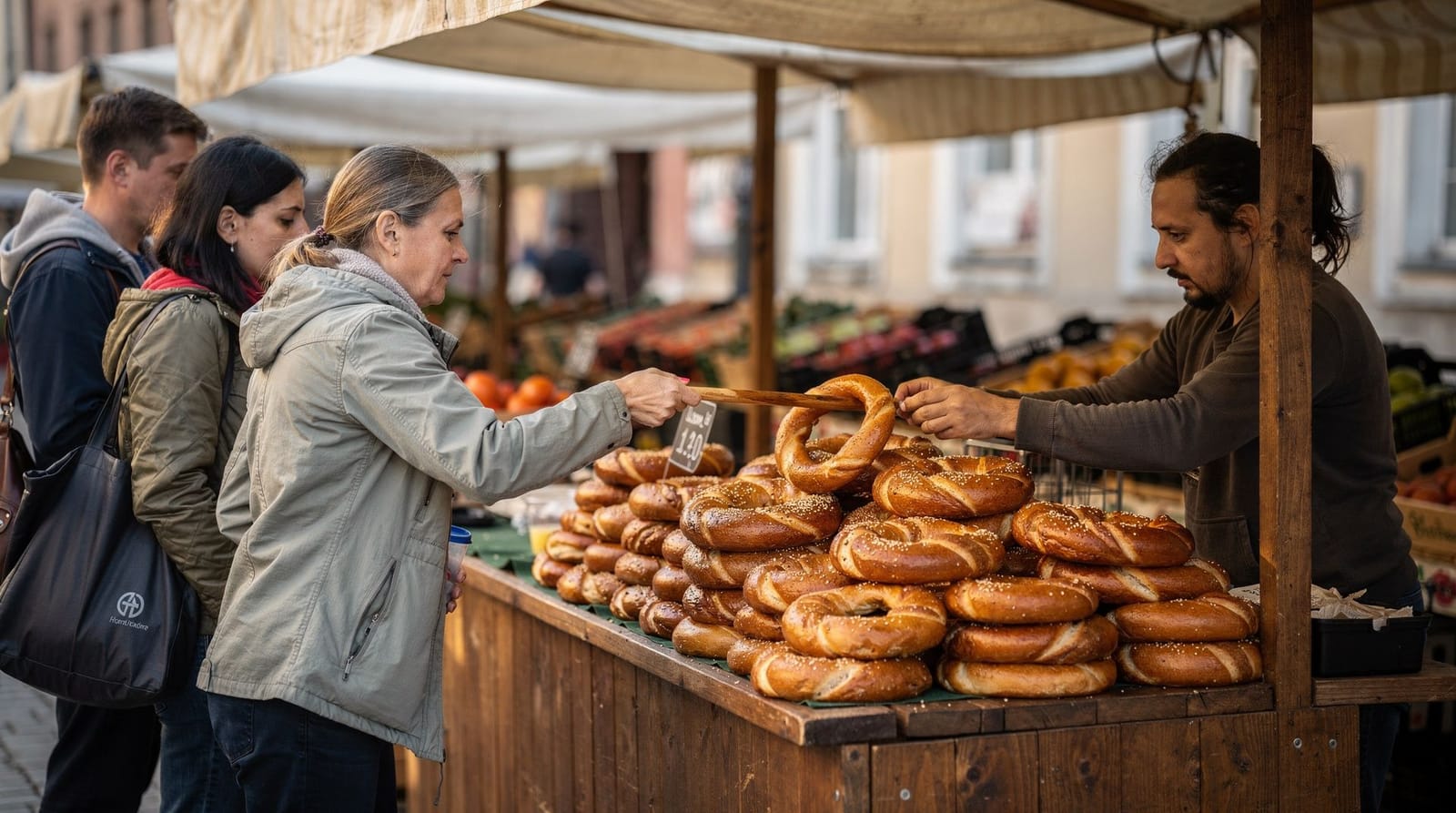
Krakow: traditional obwarzanek baking workshop & tasting
Where are the best pierogi in Kraków?
The best dedicated pierogarnia restaurants are Pierogi Mr Vincent (Kazimierz), Pierogarnia Mandu (near Old Town) and Starka (ul. Józefa, Kazimierz). For cheap but good, milk bars like Pod Temidą serve honest portions. Expect to pay 25–38 PLN (≈ €6–9) for a portion of 8–10 at a proper restaurant.
Kraków is the best city in Poland to eat pierogi properly — a cluster of serious dedicated pierogarnia restaurants, honest milk bars and hands-on cooking classes means you can go from a 15 PLN plate at a counter to a full sit-down dinner without ever leaving a good meal to chance. This guide gives real addresses, real prices and a clear sense of which fillings are worth ordering.
| Where | Kazimierz (highest concentration) and Old Town |
| Cost | 15–22 PLN (milk bar) to 25–45 PLN (pierogarnia) |
| Time needed | 30–60 min for a sit-down plate |
| Getting there | Walkable from the Rynek; Kazimierz is a 15-min walk or short tram ride |
| Best time | Any day; arrive at noon opening to beat weekend queues |
What makes a great pierogi
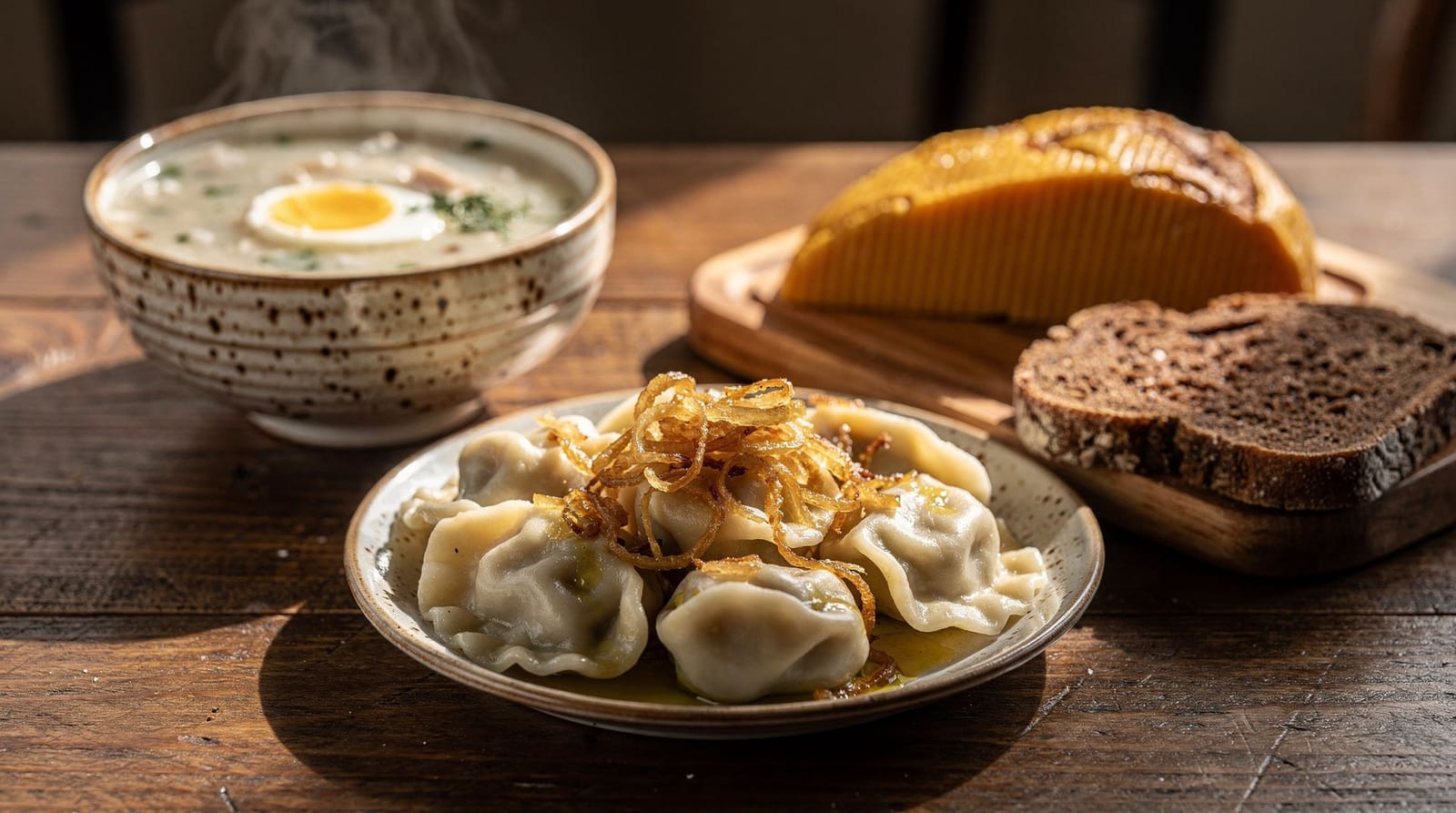
Pierogi are Poland’s most iconic food — half-moon dumplings of thin wheat dough, filled and either boiled or boiled then pan-fried in butter. They are comfort food at its most universal: simple, endlessly variable, immediately satisfying. Kraków has made a particular art of them.
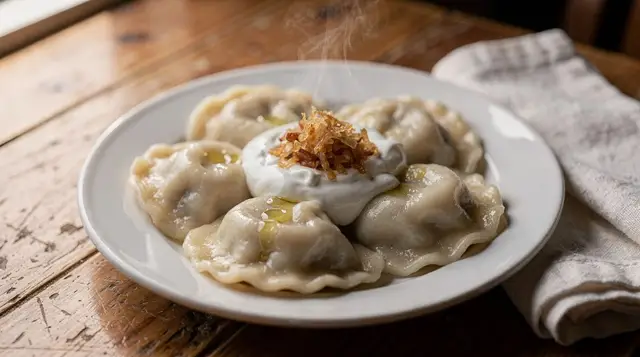
The quality markers to look for: dough thin enough to be delicate but not translucent, filling that’s dense and well-seasoned (not watery), and — for the best versions — a golden-brown crust from a second cooking in butter after boiling. Pierogi smażone (fried version) are better than straight-boiled for most fillings; ask for these wherever you order.
The standard portion is 8–12 pieces. At a dedicated pierogarnia, expect 25–38 PLN (≈ €6–9) per portion. At a milk bar, 15–22 PLN.
The best pierogarnia restaurants
Pierogi Mr Vincent (Kazimierz)
Address: ul. Bożego Ciała 12, Kazimierz
Consistently rated the best pierogi restaurant in Kraków by both locals and visitors. Small, slightly cramped room with a short rotating menu of 8–12 fillings that changes with the season. The ruskie here are textbook: the potato-cheese filling is perfectly balanced, the dough just thin enough, the butter-frying precise. The mushroom-sauerkraut variant is earthy and satisfying. The sweet options — strawberry with soured cream in summer, sweet cheese year-round — are worth leaving room for.
Queue starts at opening (noon); arrive by 11:50 or expect a 20–30 minute wait on weekends. Cash preferred. Main portion 28–35 PLN (≈ €7–8).
Pierogarnia Mandu (near Old Town)
Address: ul. Szewska 26
A short walk from the Old Town, Mandu is slightly more modern in atmosphere but equally serious about its product. Slightly longer menu than Mr Vincent; the duck and cranberry filling is a standout. Efficient service, comfortable seating, credit cards accepted. Portion 28–38 PLN. Also offers a “taster” plate of smaller quantities of 4–5 different types — good for first-timers who want variety.
Starka (Kazimierz)
Address: ul. Józefa 14, Kazimierz
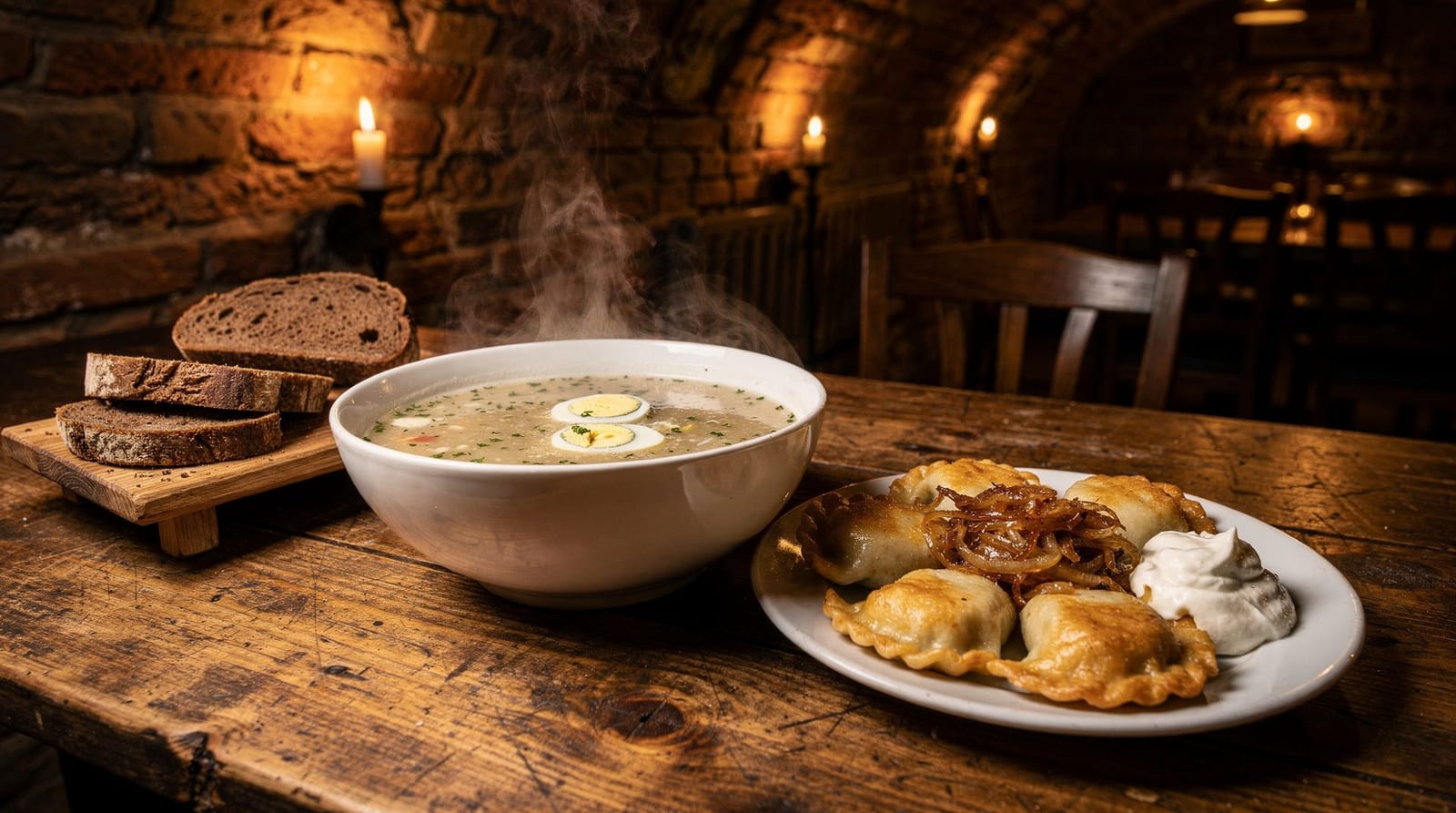
Starka is both a pierogi restaurant and a broader Polish traditional kitchen — bigos, żurek, gołąbki all appear on the menu. The pierogi are reliably good, the atmosphere is warm (wooden interior, candlelit at night), and it doubles as a drinking venue with a solid Polish vodka list. Good for a full dinner rather than a quick lunch. Main portion 30–38 PLN.
Bar Mleczny Pod Temidą (Old Town)
Address: ul. Grodzka 43
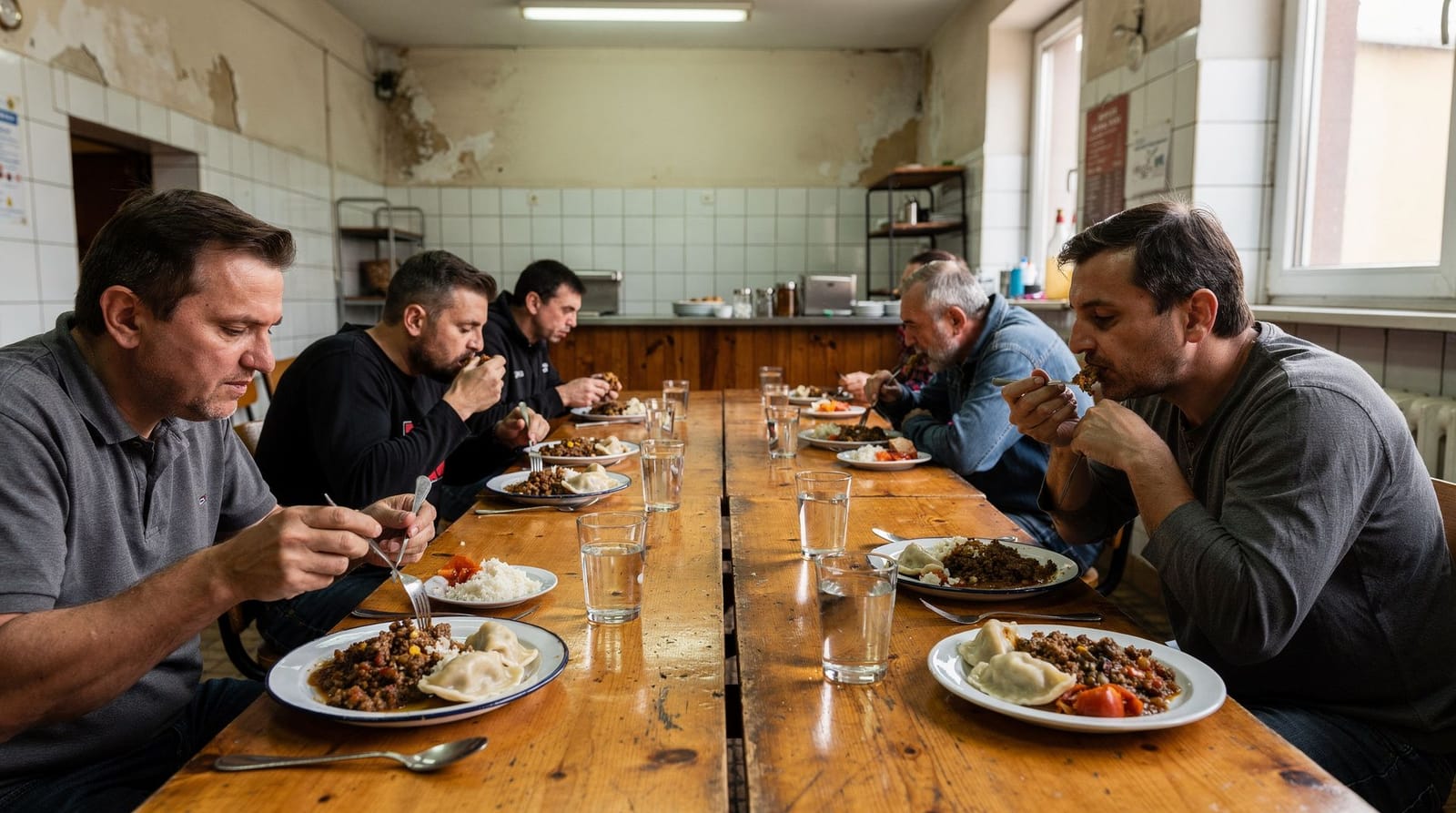
Kraków’s best-regarded milk bar is not a dedicated pierogarnia but its pierogi ruskie are honest and very cheap at 15–18 PLN per portion. No glamour, no menus — queue at the counter, point at what you want, find a seat. The dough is slightly thicker than the dedicated restaurants but the filling is generous and properly made. Cash only. Closed Sundays.
Pierogarnia u Babci Maliny
Address: ul. Sławkowska 17 (Old Town, in a courtyard), also a branch at ul. Szpitalna
“At Grandma Raspberry’s” is the most tourist-oriented of the serious pierogi spots but still serves genuinely good product. The Old Town location is in a picturesque courtyard; the theme is deliberately rustic. Portions are large; prices slightly above the Kazimierz equivalents at 30–40 PLN. Worth knowing about for its convenient location near the Rynek.
Comparing the top pierogarnia at a glance
| Place | Area | Price/portion | Best for |
|---|---|---|---|
| Pierogi Mr Vincent | Kazimierz | 28–35 PLN | Textbook ruskie, most consistent |
| Pierogarnia Mandu | Near Old Town | 28–38 PLN | Duck & cranberry, credit cards |
| Starka | Kazimierz | 30–38 PLN | Full dinner with vodka list |
| Bar Mleczny Pod Temidą | Old Town | 15–18 PLN | Cheapest honest option |
| Pierogarnia u Babci Maliny | Old Town | 30–40 PLN | Courtyard setting near the Rynek |
Where to base yourself for pierogi hunting
Kazimierz has the highest concentration of serious pierogarnia and is worth the short trip from the Rynek on its own merits — see the Kazimierz food scene guide for the wider picture beyond pierogi, and the Kazimierz destination page for orientation. If you are staying in the Old Town, Mandu and Pod Temidą mean you do not have to travel far for a good plate; the where to stay guide breaks down which base suits your priorities. Either way, budget a 15-minute walk or a couple of tram stops between the two areas if you want to sample both in one trip.
Types of pierogi: what to order
Ruskie (potato + cottage cheese + fried onion): the mandatory starting point. Salty, substantial, mildly tangy from the twaróg (fresh curd cheese). Always available; always the benchmark.
Z kapustą i grzybami (sauerkraut + dried forest mushroom): earthier, sourer, more complex. Some versions are intensely smoky from the mushrooms. A Christmas Eve tradition but available year-round.
Z mięsem (pork + beef, seasoned): less interesting than the vegetarian options but satisfying. Ask if they fry them — smażone z mięsem is much better than boiled.
Z szpinakiem i serem feta (spinach + feta): a modern addition now standard at most places. Mild, creamy, popular with vegetarians.
Łososiowe (salmon + cream cheese): found at more upmarket pierogarnie; richer and more expensive at 35–45 PLN.
Z kaczką i żurawiną (duck + cranberry): a premium filling worth trying at Mandu or Starka. Sweet-savoury balance works well.
Słodkie (sweet): strawberry (truskawkowe), blueberry (borówkowe), sweet curd cheese (z serem) — served with soured cream and sugar. The sweet version should be eaten boiled, not fried.
Make your own: pierogi cooking classes
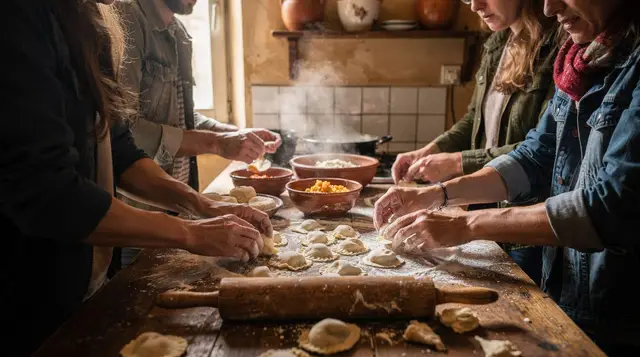
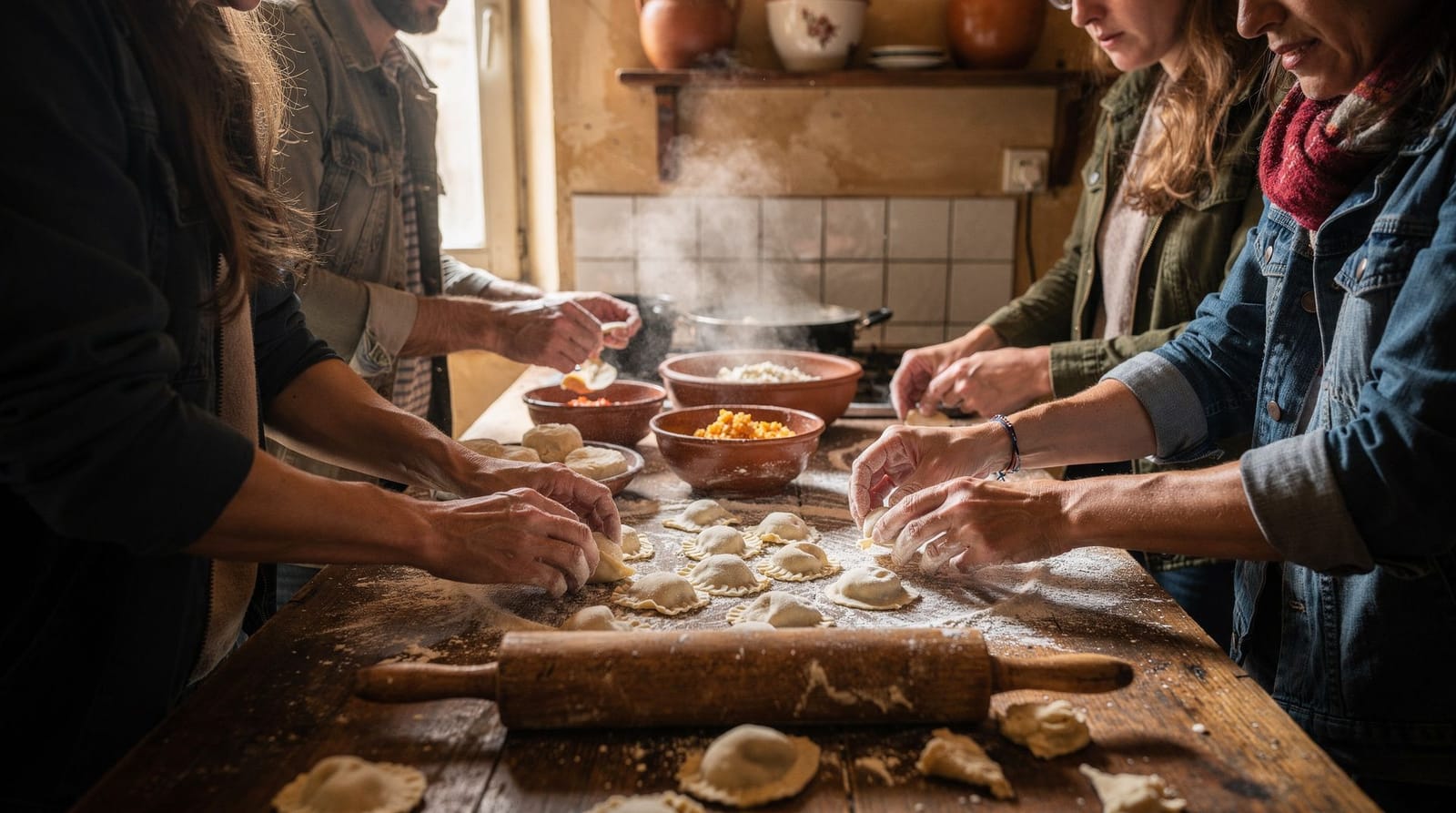
The most engaging way to understand pierogi is to make them. If you want a hands-on taste of another Kraków classic first, the traditional obwarzanek baking workshop with tasting lets you shape and bake the city’s ring-shaped bread and then try it. It is not a pierogi class, so treat it as a close alternative for anyone who enjoys cooking with their hands.
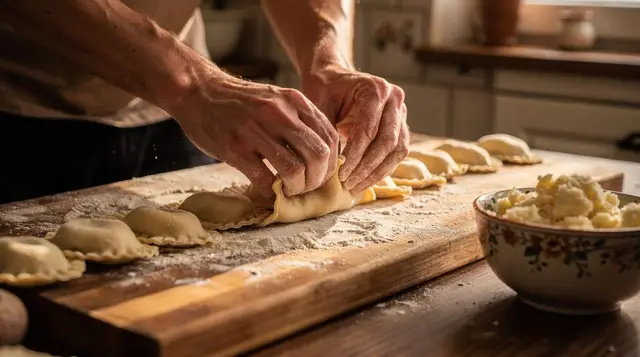
For the dumplings themselves, the pierogi cooking class at a dedicated kitchen space is the one to book — professional equipment, good for families. It teaches the fundamentals: making dough, preparing fillings, the folding technique. You will learn the traditional crimp — the hallmark of handmade pierogi that distinguishes them from industrial.
See Polish cooking classes in Kraków: the best hands-on options for the full comparison of cooking class options.
Street pierogi and market options
Several stalls at Hala Targowa (ul. Grzegórzecka) and the Rynek Kleparski market sell pierogi. These are generally pre-made and reheated rather than freshly cooked, and the quality is variable — fine for a very cheap snack (10–15 PLN) but not the experience of the dedicated restaurants.
For a guided alternative after dark, the late night bites Polish street food and drinks tour is a walking tour built around Polish street food and drinks, a good way to sample Kraków’s casual eating beyond the pierogarnia.
Pierogi on a food tour
Food tours are the most time-efficient way to eat well across multiple stops. The tipsy Polish food tour includes pierogi alongside Polish shots, market stops and other dishes — a good evening option if you want variety alongside the dumplings. The Kraków food tours: which one is actually worth it compares all the main food tour options.
Practical notes for pierogi eaters
Best times to visit: arrive at opening time (noon–12:30) at the popular spots on weekends. Mr Vincent and Mandu regularly have 20–30 minute queues by 1pm on Saturdays. Weekday lunches are easier.
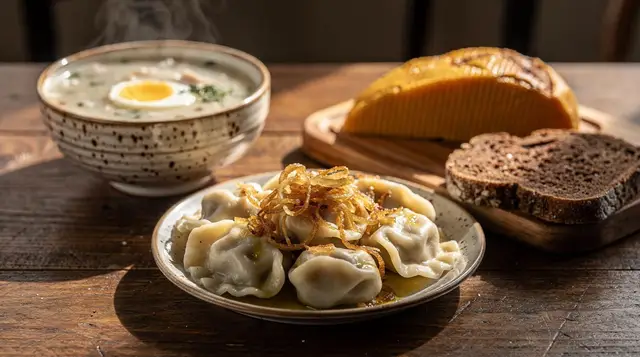
Topping: in Poland, pierogi are classically served with fried onion on top (cebulka) and soured cream (śmietana) on the side. At most pierogarnie, both are included; some charge a small extra (2–3 PLN).
Portions: a single portion of 8–10 pieces is the standard. Two people can share two portions of different types for variety without feeling overwhelmed.
Takeaway: most pierogarnie will pack pierogi to take away. They reheat well fried in butter 30–45 minutes later; they do not reheat well in a microwave.
Pierogi are one strand of a much bigger food scene — the Kraków food guide covers everything else worth eating, from obwarzanki to zapiekanki.
Pairing pierogi with the rest of a Polish meal
Pierogi sit comfortably alongside the other staples of the Polish table. If a plate of dumplings makes you curious about żurek, bigos or gołąbki, the traditional Polish dishes guide explains what each one is and how to order it. For the budget-friendly counter-service side of the story, the milk bar guide shows how to navigate a bar mleczny with confidence, and the milk bar experience diary gives a first-hand account of what it feels like to queue and point.
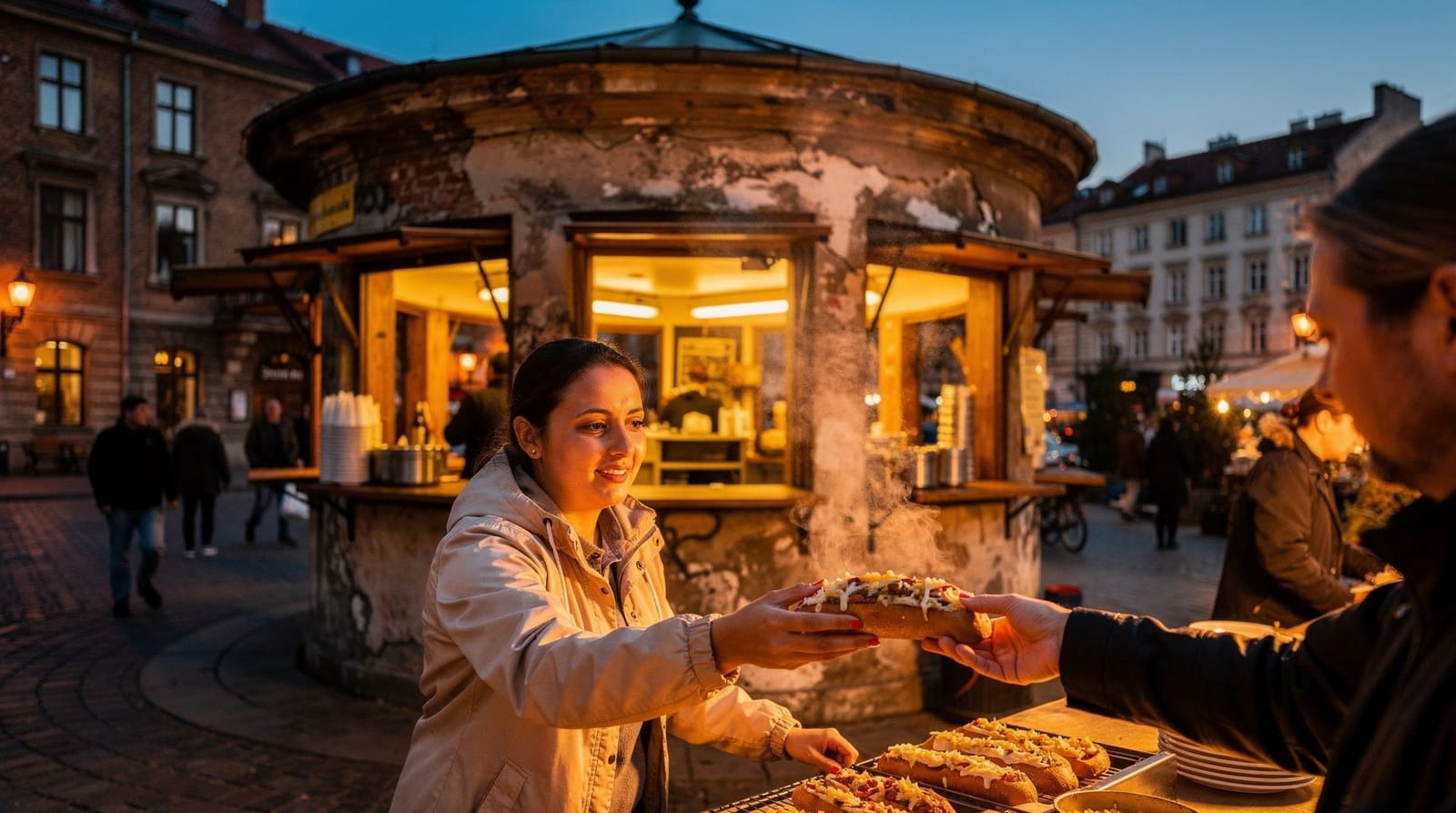
Street food is the natural second act. The obwarzanek guide covers the ring-shaped Kraków bagel sold from carts around the centre, and the Plac Nowy zapiekanki guide covers the other great late-night snack in Kazimierz. If you would rather read about a class before booking one, the pierogi cooking class diary describes the experience from a participant’s point of view, and the Polish food I tried in Kraków post is a personal tasting log that puts pierogi in context.
Finally, if you like to plan your eating around the sights, the Kraków food tours guide and the Old Town restaurants guide help you decide where to slot a dumpling stop into a day of walking, while the Rynek restaurant overpricing warning is a useful reminder of why a short walk to a proper pierogarnia is worth it.
Frequently asked questions about pierogi in Kraków
How are Kraków pierogi different from those elsewhere in Poland?
Pierogi are a national dish rather than specifically Kraków’s own, but the city has a concentration of excellent dedicated pierogarnie that is unusual even by Polish standards. The Kazimierz quarter in particular has developed a microclimate of pierogi excellence over the last 15 years. The ruskie in Kraków tend to be generously filled compared to versions in Warsaw or Gdańsk.
Are the sweet pierogi worth trying?
Yes, definitely try at least one sweet variety. Pierogi z truskawkami (strawberry) in summer are particularly good — the contrast between the soft dough, warm sweet filling and cold soured cream with sugar is excellent. Do not expect dessert sophistication; this is comfort food, not patisserie.
Can I get pierogi delivered?
Yes — most pierogarnie appear on Pyszne.pl (the Polish food delivery platform). Quality suffers slightly in transit. Worth knowing for rainy days.
Is there a specific season for different pierogi?
Summer brings fresh fruit varieties: strawberry, blueberry, cherry. The kapusta i grzyby version peaks in autumn when forest mushrooms are at their best. In winter and at Christmas, uszka (tiny mushroom dumplings served in barszcz) appear everywhere. Spring brings asparagus variations at more innovative places.
How much do pierogi cost at Kraków restaurants?
A standard portion of 8–10 pieces at a dedicated pierogarnia costs 25–38 PLN (≈ €6–9). At milk bars, expect 15–22 PLN for a slightly smaller or plainer portion. The premium fillings (duck, salmon) are 35–45 PLN. Add 2–3 PLN for extra toppings.
Is Kazimierz or Old Town better for a pierogi crawl?
Kazimierz has the edge — Pierogi Mr Vincent and Starka are both there, within a few minutes’ walk of each other, and the district’s wider food scene (see the Kazimierz food scene guide) makes it easy to combine pierogi with a coffee or a bar stop. Old Town works well if you are short on time, since Mandu and Pod Temidą sit close to the Rynek without needing a tram or a long walk.
Do I need to book a table at a pierogarnia?
No — none of the restaurants above take reservations for casual dining; it is walk-in and, at the busiest spots, queue-and-wait. The only booking to make in advance is for a cooking class, since group sizes are capped and popular time slots fill up a few days ahead in peak season.
Top experiences
Bookable activities with verified prices and instant confirmation on GetYourGuide.