Kraków vs Warsaw: which Polish city should you visit first?
Krakow: Old Town guided walking tour
Duration: 3h
Should I visit Kraków or Warsaw first?
Kraków for medieval history, architecture, Jewish heritage, Auschwitz, Wieliczka, and the Tatras — it is the more compact, walkable, and visually distinctive city. Warsaw for modern Poland, rebuilt post-war grandeur, world-class museums, and contemporary culture. Most visitors find Kraków the more immediately rewarding city for a first visit to Poland.
Poland’s two great cities, two very different experiences
Poland has two cities that draw the majority of international visitors: Kraków and Warsaw. They are 290 km apart, roughly 2.5 hours by express train (PKP IC), and they offer experiences that are genuinely different in character, history, and atmosphere — not interchangeable versions of the same thing.
Comparing them is not really about “better.” It is about which experience matches what you are looking for on this particular trip.
At a glance
| Factor | Kraków | Warsaw |
|---|---|---|
| Historical character | Medieval, intact | Rebuilt after WWII destruction |
| Compact walkability | Very high (Old Town + Kazimierz walkable) | Lower (distances larger, more transport needed) |
| Day trips from city | Exceptional (Auschwitz, Wieliczka, Tatras) | Decent (Łódź, Toruń, Mazurian Lakes) |
| Museums | Strong | World-class (POLIN, Warsaw Rising Museum) |
| Nightlife | Excellent compact scene | Large, diverse, more club-focused |
| Food scene | Strong traditional + growing modern | Large, very diverse, more international |
| Crowds in summer | Very high | High but more dispersed |
| Cost (accommodation) | Cheaper | Slightly more expensive |
| International flights | Good (LOT, Ryanair, Wizzair) | Hub (LOT hub, more connections) |
| Overall atmosphere | Historic, tourist-dense, intimate | Capital energy, modern, sprawling |
Kraków: the case for visiting first
Architecture that survived the war
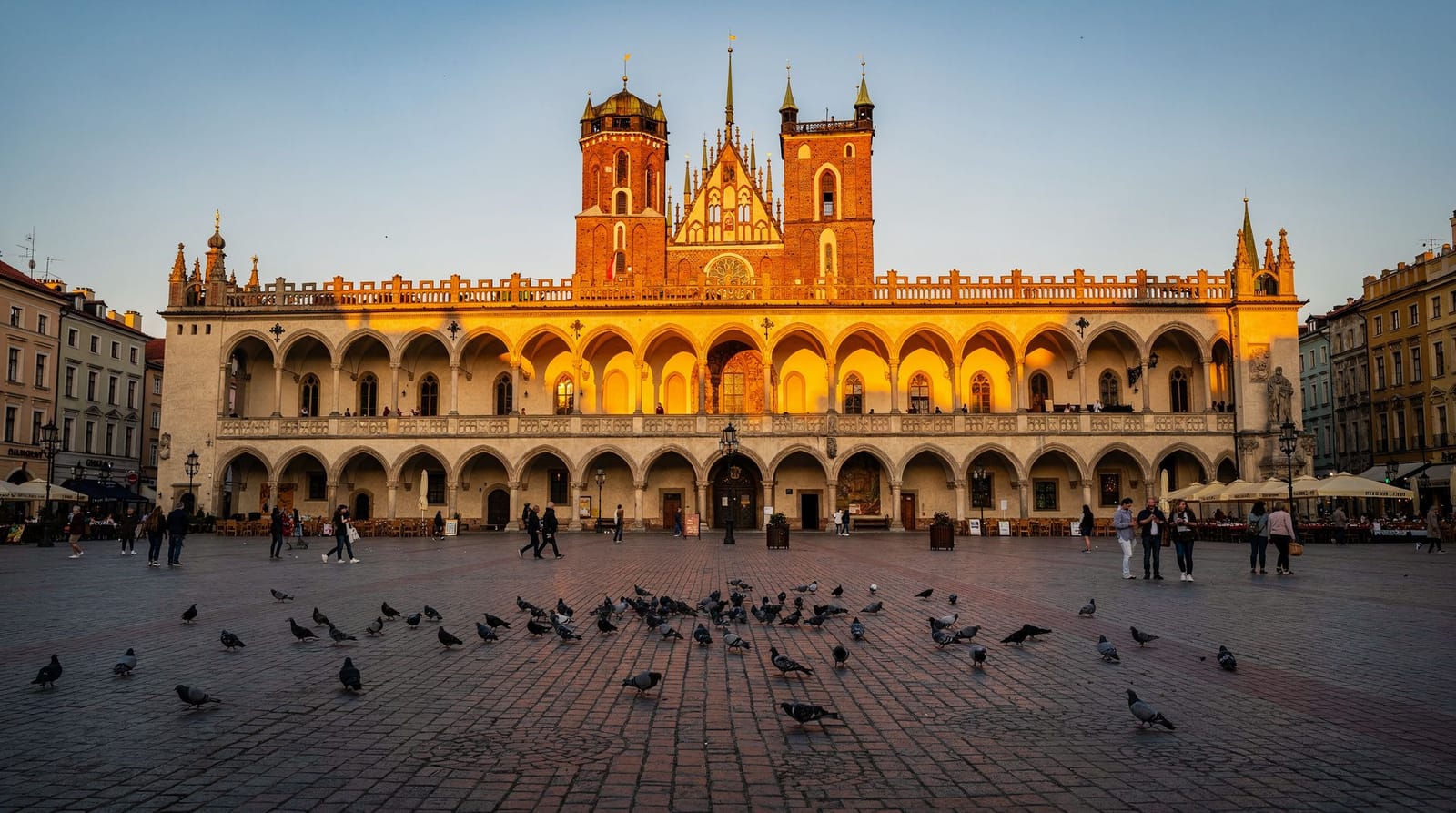
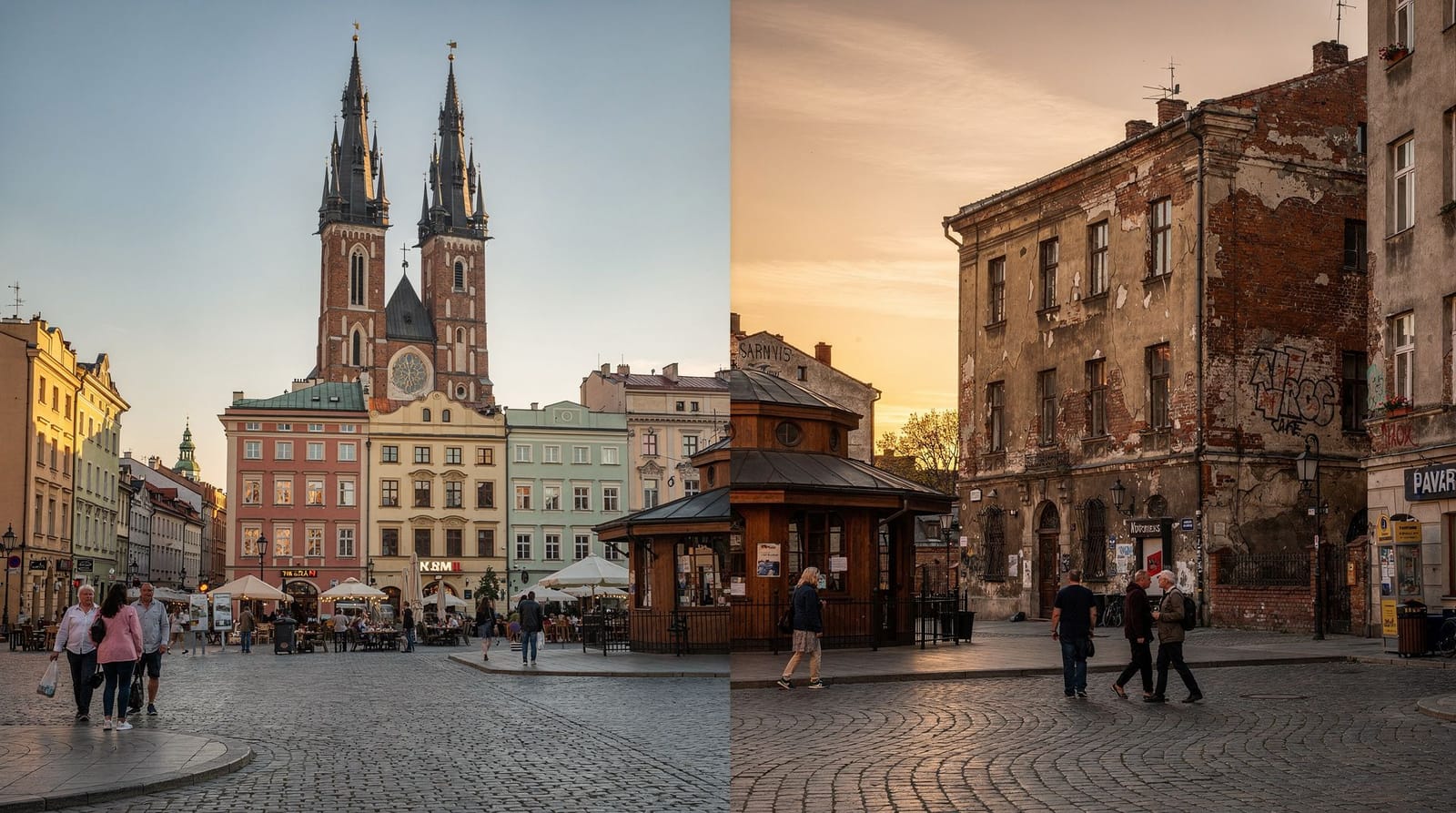
Kraków is one of the very few large Polish cities that was not systematically destroyed in World War II. The result is a medieval and Renaissance core that is genuine — not reconstructed. The Rynek Główny (Main Market Square) is the largest medieval square in Europe, flanked by the Gothic Basilica of St Mary (Kościół Mariacki) with its unequal towers, the Renaissance Sukiennice cloth hall, and the 14th-century Town Hall tower.
Wawel Hill, a 5-minute walk from Rynek Główny, holds both a royal castle and a cathedral in an ensemble that was the seat of Polish royalty for five centuries. The Kazimierz district, once the Jewish quarter and today a centre of bohemian culture, cafes, and synagogues, adds texture that Warsaw’s more dispersed layout cannot match.
Unmatched day trips
Kraków’s geography is exceptional for day trips. Within 90 minutes: Auschwitz-Birkenau (the largest Nazi extermination camp, 70 km west), Wieliczka Salt Mine (UNESCO World Heritage, 14 km east), Zakopane and the Tatra Mountains (100 km south), Bochnia Salt Mine (UNESCO, 40 km east), and Ojców National Park (25 km north). No other Polish city has this concentration of major attractions within easy reach.
An Old Town walking tour anchors your first day, with day trips filling subsequent days efficiently.
Compact and walkable
Kraków’s main tourist areas — Old Town, Kazimierz, Podgórze, Nowa Huta (accessible by tram) — are all either walkable or quick tram rides from the centre. You do not need a car. You do not need a complex transport plan. The density of what is worth seeing within walking distance of Rynek Główny is extraordinary.
Warsaw: the case for visiting first
Post-war reconstruction as history
Warsaw was 85% destroyed during World War II — deliberately, systematically, by German forces following the 1944 Warsaw Uprising. The reconstruction of the Old Town (Stare Miasto) from rubble, based on 18th-century Canaletto paintings, is itself a UNESCO-listed achievement. Warsaw’s history is inseparable from this destruction and rebuilding, and the city wears it openly.
The Warsaw Rising Museum (Muzeum Powstania Warszawskiego) is one of the finest history museums in Europe — an immersive, technically brilliant exploration of the 1944 Uprising. POLIN Museum of the History of Polish Jews is internationally acclaimed. The National Museum (Muzeum Narodowe) holds outstanding collections. For museum depth, Warsaw matches or exceeds Kraków.
Modern Polish capital
Warsaw is where contemporary Poland lives. The financial district, the startup scene, the high-end restaurant culture, the contemporary art — this is Poland’s capital in every economic and cultural sense. Visitors interested in understanding modern Poland rather than medieval Poland find Warsaw more revealing.
Transport hub
Warsaw Chopin Airport is Poland’s main international hub, with far more direct flights from North America, Asia, and Middle Eastern hubs than Kraków’s Balice airport. Many visitors to Poland fly into Warsaw and out of Kraków (or vice versa) — a one-way train journey rather than backtracking.
Food: genuine differences
Kraków
Kraków excels at traditional Polish food in an authentic setting. Milk bars (bary mleczne) like Bar Centralny or Czerwony Garnek serve proper żurek, pierogi, and bigos for 15–25 PLN (€4–6) a head — no tourist markup. Pierogarnia Mandu and Pierogarnia u Vincenta are the pierogi specialists. The Hala Targowa covered market on Saturday mornings offers local produce and street food.
Kazimierz has Kraków’s most interesting cafe and bar scene: Alchemia and Mleczarnia are atmospheric institutions. Plac Nowy in Kazimierz is where late-night zapiekanki (toasted baguette with toppings) from the round market building are a Kraków institution.
Avoid the restaurants immediately around Rynek Główny — they are typically overpriced (40–80 PLN/€10–19 for mains) and underwhelming in quality. Walk one street back and prices drop immediately.
Warsaw
Warsaw’s food scene is larger and more cosmopolitan. High-end Polish fine dining has its strongest expression in Warsaw (Atelier Amaro, Nolita). The city’s international population means genuine diversity: Japanese, Korean, Middle Eastern, and pan-Asian restaurants are more developed than in Kraków. Street food culture has grown significantly around the Hala Gwardii indoor market.
Warsaw is not cheaper than Kraków for food — if anything, the upscale end is more expensive.
Nightlife: compact vs sprawling
Kraków’s nightlife is concentrated and easy to navigate. The Old Town cellar bars (piwnice) create a distinctive atmosphere — medieval underground spaces converted into bars. Szewska and Sławkowska streets are the heart of the Old Town bar zone. Kazimierz has its own mellow, arty evening scene. The Kraków pub crawl scene is well-organised and internationally known.
Warsaw has a larger nightlife scene — more clubs, more genres, more venues — but it is spread across a large city and requires more navigation. The Praga district (east bank) is the current epicentre of club culture and warehouses. Late bars around Plac Zbawiciela. It is excellent but different in character: more urban, less intimate.
Practical comparison
Train connection
Kraków Główny to Warszawa Centralna: PKP IC express, ~2h40min, from ~79 PLN (€19) advance booking. Trains run frequently, roughly every 1–2 hours throughout the day. Book at intercity.pl.
Doing both
Most visitors to Poland with 5+ days do both cities. The common sequence: fly into Warsaw (larger hub), 2 days in Warsaw, express train to Kraków, 3 days in Kraków (and day trips). Or reverse. Many one-way train tickets are the same price as returns, so no backtracking required.
For Kraków detail, explore our Old Town destination guide, Kazimierz guide, and Kraków walking tour options.
The verdict
Visit Kraków first if: you are interested in medieval history, Jewish heritage, day trips to Auschwitz/Wieliczka/Tatras, or compact walkability. This is the more immediately rewarding city for most international visitors.
Visit Warsaw first if: you are interested in modern Poland, WWII history from a Polish civilian perspective, world-class museums (POLIN, Rising Museum), or you are flying through Warsaw anyway.
Do both if: you have 5+ days. The train journey between them is fast, cheap, and easy.
A Kazimierz Jewish Quarter walking tour and the Wawel Castle skip-the-line tour cover Kraków’s two unmissable sites efficiently on a first visit.
Cultural heritage and museums in depth
Kraków’s museum landscape
Kraków’s museums cover a remarkable range for a city of 800,000 people. The key institutions:
Rynek Underground Museum (Podziemia Rynku): Below the Market Square, an archaeological exhibition covering Kraków’s medieval history through excavated foundations and interactive displays. Recommended first visit in Kraków — it gives spatial and historical context for everything above ground. Allow 60–90 minutes; book tickets in advance (45 PLN/€11, or included in Kraków City Card). See our best museums guide for the full overview.
Schindler’s Factory (Fabryka Schindlera): Located in Podgórze, this is one of Poland’s most visited museums — a multimedia exploration of Kraków under German occupation 1939–1945. The factory itself (where Oskar Schindler ran his enamelware business and saved over 1,000 Jewish workers from deportation) provides the physical frame; the content extends far beyond the individual story of Schindler to the broader experience of Kraków’s Jewish community and Polish citizens under occupation. Entry 60 PLN (€14); book in advance.
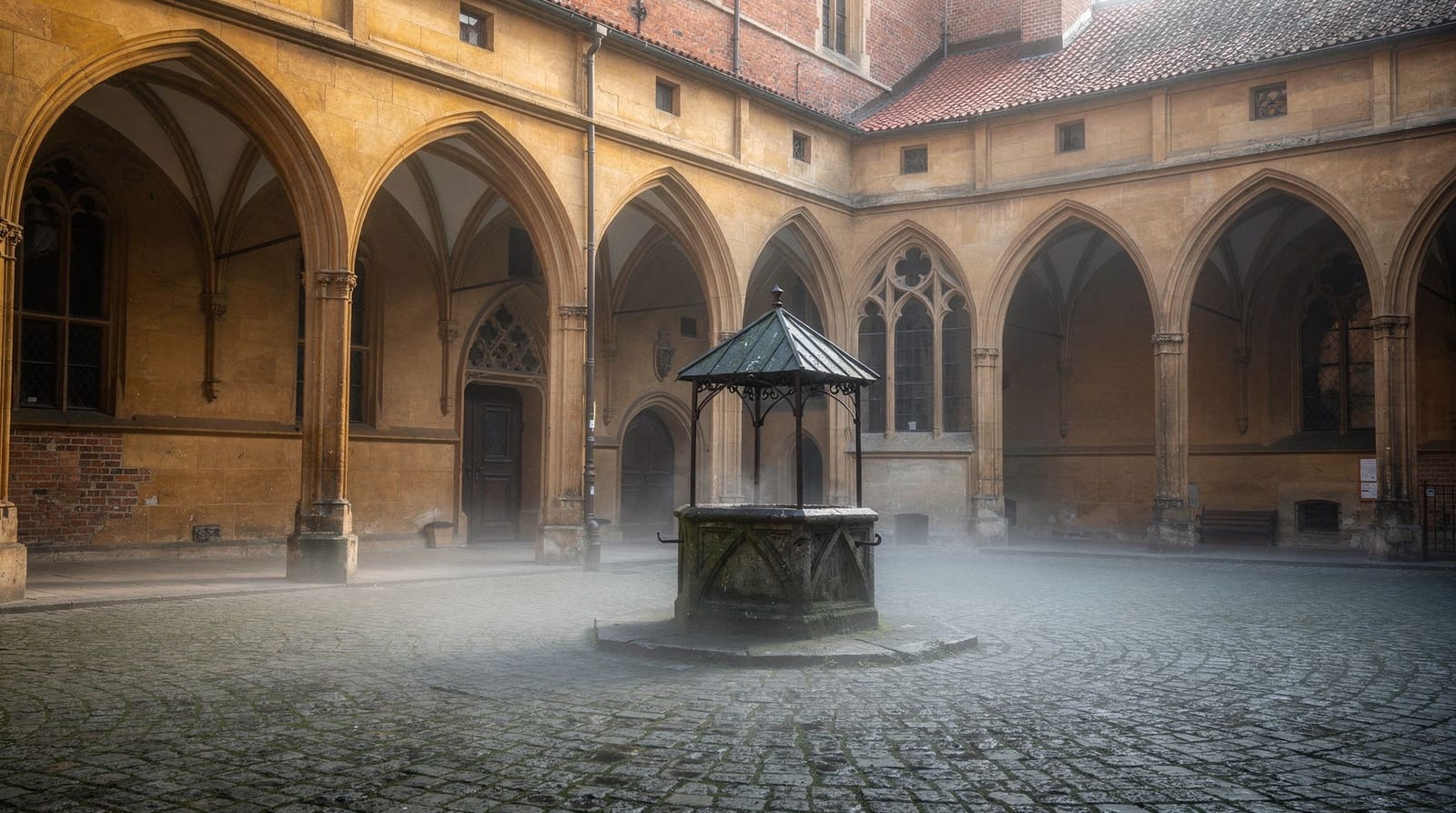
Collegium Maius: The oldest surviving university building in Poland, part of the Jagiellonian University founded in 1364. The Gothic courtyard is beautiful; the museum inside covers the university’s history including scientific instruments from the era of Nicolaus Copernicus (who studied here). The astronomical equipment is extraordinary.
Czartoryski Museum: Home to Leonardo da Vinci’s Lady with an Ermine — one of only four surviving Leonardo paintings in the world. The collection includes Greek, Roman, and Egyptian antiquities plus Renaissance and Baroque paintings. Entry 65 PLN (€15), free on Tuesdays.
Galicia Jewish Museum: In Kazimierz, this museum documents the Jewish communities of Galicia (the historical region covering southern Poland and western Ukraine) through contemporary photography alongside historical context. The exhibition “Traces of Memory” explores what survives of Jewish heritage in the region — synagogues, cemeteries, ghost buildings. Essential context for visitors interested in Jewish heritage alongside Auschwitz.
Warsaw’s museum landscape
Warsaw’s museums are, in aggregate, probably stronger than Kraków’s — the investment in major cultural institutions post-communist Poland has been remarkable.
POLIN Museum of the History of Polish Jews: Opened in 2013, this museum covers 1,000 years of Jewish life in Poland — from the medieval arrival of Jewish refugees fleeing persecution in Western Europe, through the golden age of the Commonwealth, the Haskalah and 19th-century modernisation, the Holocaust, and the post-war years including Communist-era anti-semitism and the post-1989 renaissance of Polish Jewish identity. Technically and narratively exceptional. Allow 3–4 hours. Located in the former Warsaw Ghetto.
Warsaw Rising Museum (Muzeum Powstania Warszawskiego): The 1944 Warsaw Uprising — when the Polish Home Army fought for 63 days against German occupation while the Soviet Red Army waited across the river — is one of the defining tragedies of Polish history. This museum tells that story with technical brilliance: immersive recreations, original documents, filmed testimonies from surviving veterans. One of the finest history museums in Europe. Allow 3 hours minimum.
National Museum Warsaw: Large encyclopedic collection covering Egyptian, Greek, Roman, and medieval art through to 20th-century Polish painting. The Faras Gallery (Nubian Christian murals from Sudan) is internationally significant.
Łazienki Park and Palace: Not a museum in the conventional sense, but a 76-hectare royal park with the Palace on the Water, outdoor summer Chopin concerts (free on Sunday afternoons from May to September), peacocks, and the most elegant strolling space in Warsaw. Entry to the park is free.
Budget comparison in concrete terms
Accommodation
Both cities have all budget levels covered, but Kraków has meaningfully more budget accommodation (hostels, guesthouses) near the main tourist areas than Warsaw.
Kraków budget (Kazimierz hostel, private room): 120–200 PLN (€29–48)/night Kraków mid-range (Old Town 3-star): 300–500 PLN (€71–119)/night Kraków higher end (Old Town boutique): 500–900 PLN (€119–214)/night
Warsaw budget (Praga or Wola hostel/guesthouse): 150–250 PLN (€36–60)/night Warsaw mid-range (Centrum area 3-star): 350–600 PLN (€83–143)/night Warsaw higher end (Śródmieście boutique): 600–1,200 PLN (€143–286)/night
Kraków is consistently 15–25% cheaper for equivalent accommodation quality.
Food
Both cities have excellent food across all price points. Key indicators:
Milk bar lunch (both cities): 20–30 PLN (€5–7) — the equaliser; bary mleczne are widespread in both
Café breakfast: 25–45 PLN (€6–11) — similar in both
Mid-range dinner (2 courses + drink): Kraków 70–120 PLN (€17–29); Warsaw 90–150 PLN (€21–36)
Tourist-trap dinner (main square area): Kraków 120–200 PLN (€29–48); Warsaw 130–200 PLN (€31–48)
Activities
Museum entry is broadly similar in both cities (roughly 20–65 PLN per major museum). Day trips from Kraków are substantially cheaper and more accessible than day trips from Warsaw by public transport. A guided day trip to Auschwitz from Kraków (~160 PLN including transport) has no Warsaw equivalent in terms of ease or cost.
Transport between the cities
The PKP IC express train from Kraków Główny to Warszawa Centralna is the definitive connection. Trains run from approximately 5 am to 10 pm with departures roughly every hour.
Journey time: 2h40min (fastest services, booking required) Price: From 79 PLN (€19) advance booking second class; 150–200 PLN (€36–48) on the day, first class, or peak trains
Book at intercity.pl — prices are fixed and the booking system works well in English. Seat reservation is included in the ticket price. The trains are modern, comfortable, with power sockets and café car.
Flying between cities: Unnecessary and more expensive. The train is fast, central-to-central, and more comfortable than a budget airline experience.
Weather and seasonal timing for each city
Kraków and Warsaw share Poland’s continental climate, but the experience of visiting differs slightly. Kraków’s compact Old Town concentrates crowds and heat in July and August — the medieval streets hold warmth, and the lack of green space in the immediate centre (beyond the Planty ring) means summer afternoons can feel intense. Warsaw’s wider boulevards and larger parks (Łazienki, Saxon Garden) disperse both heat and crowds more effectively in summer. In winter, both cities are cold (average highs around 1–3°C, December–February) but Kraków’s Christmas market on Rynek Główny is one of the most atmospheric in Central Europe, running from early December through New Year. Spring and autumn are genuinely excellent in both cities — fewer crowds, comfortable temperatures, and (in Kraków’s case) still-open access to the Tatra day trips through most of October.
If Kraków wins, plan the time properly
Choosing Kraków is only half the decision — the other half is how many days to give it. Three days covers the Old Town, Wawel, Kazimierz, and one major day trip comfortably; the how many days in Kraków guide breaks down what fits into two, three, and five days if you’re still deciding. For a ready-made structure rather than building one yourself, the Kraków 3-day itinerary sequences the essentials in a workable order. And once you’ve landed, the getting around Kraków guide covers trams, walking distances, and the airport transfer — everything you need to move through the Kraków destination overview without wasted time.
If you’re still torn between more than two cities, the Kraków vs Prague vs Budapest comparison widens the lens beyond Poland for anyone weighing a broader Central European trip.
What frequent visitors say once they’ve done both
Travellers who’ve visited both cities more than once tend to converge on a similar view: Kraków is the city you fall for immediately, and Warsaw is the city that grows on you with repeated visits. First-timers overwhelmingly rate Kraków’s Old Town, Kazimierz, and day trips as the more emotionally memorable experience — the density of “wow” moments per day is simply higher in a compact medieval core surrounded by Auschwitz, Wieliczka, and the Tatras. Warsaw rewards a different kind of attention: its museums are more intellectually substantial, its restaurant scene has more range, and its modern energy gives a fuller picture of where Poland is heading rather than where it came from. Neither view is wrong — they’re answering different questions about what you want from the trip.
Frequently asked questions about Kraków vs Warsaw
Which city is cheaper to visit?
Kraków is generally slightly cheaper than Warsaw, particularly for accommodation (budget hotels and hostels are abundant and good value) and food at the non-tourist end. Both cities are significantly cheaper than Western European capitals — a comfortable mid-range trip to either costs 75–110 EUR/day including accommodation.
Can I visit both cities in one week?
Comfortably. Two days Warsaw, three days Kraków, one day Auschwitz/Wieliczka — this fits a week. The express train is fast and bookable in advance for low prices. Alternatively, fly into one city and out of the other (open-jaw ticket).
Which city has better day trips?
Kraków wins decisively. Auschwitz-Birkenau, Wieliczka, Bochnia, Zakopane, Ojców, and Częstochowa are all within 100 km. Warsaw’s day trips (Łódź, Mazurian Lakes, Toruń, Kazimierz Dolny) are pleasant but do not include anything of the historical magnitude of Auschwitz or Wieliczka.
Is Kraków safe for solo travellers?
Very. Kraków is consistently rated among the safest city-break destinations in Europe. The main tourist area is compact, well-lit, and has a strong police presence. Standard urban precautions apply (watch for pickpockets on Rynek Główny in peak season), but solo travel — including solo female travel — is straightforward. The main scam to know: unofficial taxis at the train station and airport; use Bolt or official taxis only.
Is Warsaw Old Town worth visiting if it is reconstructed?
Yes, but with adjusted expectations. The reconstruction is itself remarkable — see it as a monument to Polish cultural resilience. The Royal Castle (reconstructed from scratch after deliberate Nazi destruction) is excellent. The cobblestone streets and pastel facades are pleasant. But the Old Town is not “old” in the same sense as Kraków’s — visitors who know this context enjoy it far more than those who expect an intact medieval city.
Which city should I fly into if I’m doing both?
Either works, since it’s an open-jaw option and rail prices between the two are similar regardless of direction. Warsaw Chopin has more direct long-haul connections, so flying into Warsaw and out of Kraków (or the reverse) is common and avoids backtracking. Budget carriers serve Kraków’s Balice airport well from within Europe if you’re arriving from a European hub.
Is one city noticeably more crowded than the other?
Kraków’s tourist density is higher relative to its size — the Old Town and Rynek Główny in peak summer can feel genuinely packed, especially around midday. Warsaw is a larger, more spread-out city, so even similar visitor numbers feel more dispersed. If crowding is a major concern, visiting Kraków in shoulder season (April–May or September–October) makes a real difference.
Top experiences
Bookable activities with verified prices and instant confirmation on GetYourGuide.